How Much Does Roof Repair Cost in Idaho?
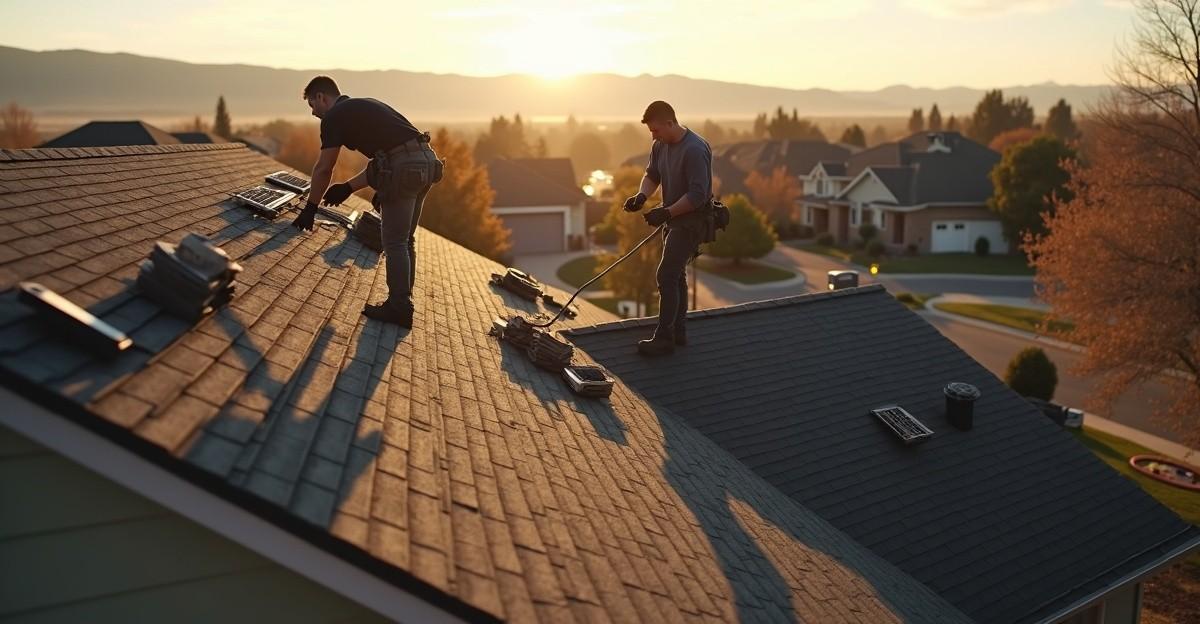
Roof repair cost in Idaho typically ranges from $300–$800 for minor fixes and can exceed $7,000 for major structural restoration, depending on the roofing system and severity of damage. We see pricing shift based on roof pitch, site access, underlayment condition, storm exposure, and seasonal demand across southwestern Idaho communities.
Key Takeaways
- Minor roof repairs in southwestern Idaho usually cost $300–$800. Moderate repairs range from $800–$2,500. Extensive structural work can exceed $7,000.
- Pricing reflects roofing material, damage severity, roof slope, accessibility, and the condition of decking and underlayment below the shingles.
- We include a full inspection, a written scope of work, material removal, flashing repair, site cleanup, and warranty details in every professional estimate.
- Emergency leak service, storm damage response, and concealed moisture intrusion often raise total project costs.
- Ongoing repairs on an aging roof may waste money. We recommend a condition-based evaluation before choosing repair over full replacement.
What Idaho Homeowners Can Expect to Pay for Roof Repairs
Roof repair cost in Idaho depends on the extent of damage, roofing material, and access to the home. In southwestern Idaho, most repairs fall into clear pricing ranges based on scope.
Minor issues typically range from $300–$800. This minor roof repair price usually covers small shingle replacements, sealing a pipe boot, or repairing limited flashing damage. These are common after moderate wind or routine aging. Final cost always depends on what we find during inspection.
More involved repairs often fall between $800–$2,500. This roof leak repair cost range applies when damaged flashing must be replaced, underlayment is compromised, or storm damage affects a defined section of the roof. Repairs in valleys and around chimneys often land in this category.
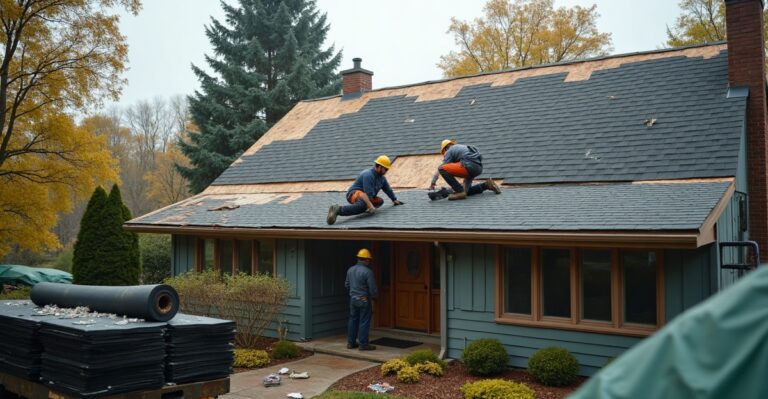
Extensive repairs involving decking or structural components typically range from $2,500–$7,000 or more. Widespread water intrusion, rotted sheathing, or framing reinforcement increases labor and material needs. Once moisture penetrates below the surface, repair scope expands quickly.
The average roof repair cost in southwestern Idaho varies based on:
- Roof size and slope
- Roofing material type
- Ease of access
- Seasonal demand
All pricing ranges above are estimates. An in-person inspection is the only way we can provide accurate numbers. Every roof is different, and hidden damage can change the scope of work.
What Impacts Roof Repair Pricing in Southwestern Idaho
Several local factors directly affect roofing repair pricing.
Roofing material plays a major role. Standard asphalt shingles are generally the most straightforward to repair. Architectural shingles take more time and material to match properly. Metal roofing requires specialized techniques and can increase labor costs. Repair methods differ significantly depending on the system installed.
Extent of damage also matters. A single-area leak on one slope is very different from widespread shingle failure across multiple elevations. The broader the impact, the higher the labor requirement.
Roof pitch and accessibility affect safety and setup time. Steep roofs, multi-story homes, or limited yard access require additional protection measures and staging. Those conditions increase labor hours.
Underlayment and decking condition can change pricing quickly. Surface damage may appear minor until we expose the layer beneath. If decking is soft or deteriorated, replacement becomes necessary to ensure structural stability.
Local labor rates and material availability influence projects across Boise, Meridian, Eagle, Kuna, Nampa, Caldwell, Middleton, Mountain Home, and McCall. Material supply fluctuations and regional demand impact timelines and cost.
Seasonal demand creates pricing pressure. After windstorms, hail events, or heavy snow years, repair requests spike. Emergency scheduling during these periods may affect availability.
Idaho’s climate contributes to repair scope. Snow load, freeze-thaw cycles, and strong winds increase wear on shingles and flashing. Over time, temperature swings loosen fasteners and degrade sealants.
Permits and code requirements may apply in certain situations, especially if structural changes or large sections are involved. Compliance ensures work meets current standards.
What Is Typically Included in a Professional Roof Repair Estimate
A thorough estimate should go well beyond a simple dollar amount.
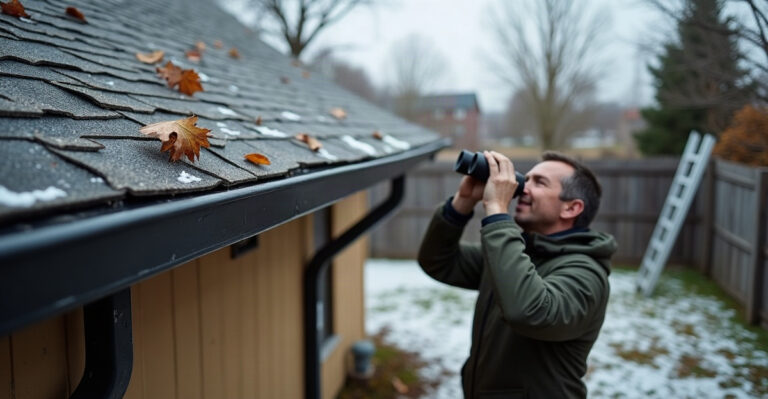
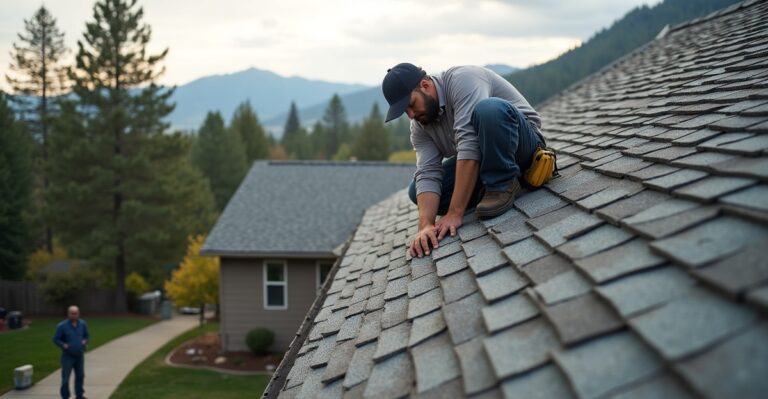
We begin with a detailed inspection. That includes evaluating shingle condition, flashing points, valleys, penetrations, ventilation components, and visible decking concerns. When appropriate, we check attic spaces for signs of moisture intrusion.
A written scope of work outlines repair locations, materials, and labor. This document should clearly identify affected areas and describe how repairs will be completed.
Typical professional repair estimates may include:
- Removal of damaged shingles or roofing materials
- Underlayment replacement where necessary
- Flashing repair or replacement around chimneys, vents, skylights, and valleys
- Decking replacement if deterioration is discovered
- Disposal of removed materials and site cleanup
- Workmanship and material warranty details
Clear communication matters. Professionals should explain what is not included and identify conditions that could change final pricing. For example, decking rot discovered during repair may require additional approval before proceeding.
We always recommend comparing estimates line by line. The lowest number is not always the best value. Detailed scopes provide confidence that both contractors are pricing the same work.
Homeowners who want to understand broader roofing topics can review additional guidance in our roofing blog for practical information specific to Idaho conditions.
Roof Leak Repairs and Emergency Service: What Raises Costs
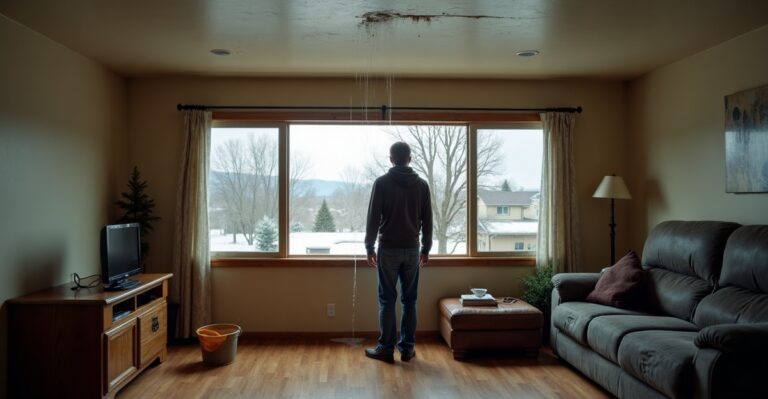
Roof leak repair cost varies significantly depending on where the leak originates. Valley leaks often involve multiple shingle layers. Chimney and vent penetrations require precision flashing work. Poorly sealed skylights can involve both roofing and interior considerations.
Water saturation level matters. If insulation becomes soaked or mold risk develops, repair scope expands. Interior ceiling damage also increases overall remediation cost.
Emergency service impacts pricing in certain circumstances. Temporary tarping, rapid-response scheduling, and after-hours labor can raise costs compared to standard scheduling. Addressing storm damage quickly often prevents much larger structural expenses later.
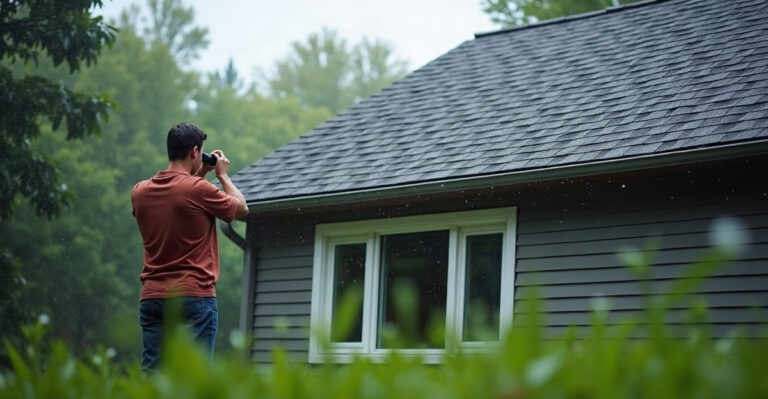
Storm-related repairs may qualify for insurance coverage if wind or hail caused the damage. We recommend documenting visible damage with photos and scheduling a professional inspection before filing a claim. Accurate assessment prevents unnecessary claims and ensures clear evidence if coverage applies.
Prompt action limits structural damage. Moisture that enters through small openings spreads quickly into decking and framing. Delayed repairs almost always cost more in the long run.
If active leaking is present, scheduling a professional roof repair service quickly protects insulation, drywall, and structural components.
When a Repair Makes Sense—and When Replacement Should Be Considered
Repairs are often the right solution when damage is localized and the roofing system remains in good overall condition. A newer roof with isolated wind damage typically benefits from targeted repair.
Roof age plays a significant role. Asphalt shingle systems approaching 20–25 years often show broader wear patterns. Investing in repeated repairs on an aging roof may not be cost-effective.
Recurring leaks in different areas can indicate systemic failure rather than isolated issues. Widespread curling, cracking, or granule loss are warning signs that protective layers are breaking down.
Significant decking deterioration across large sections also shifts the discussion. Structural integrity must come first.
We encourage homeowners to compare cumulative repair expenses against long-term replacement value. A detailed estimate for roof replacement can provide clarity. For additional context on replacement budgeting, our guide on roof replacement cost in Idaho outlines broader statewide pricing ranges.
The right decision should be data-driven and based on roof condition, not pressure. Our role is to provide clear information so homeowners can decide confidently.
How to Compare Roofing Contractors and Schedule a Local Inspection
Clear written estimates provide accountability. Verbal price ranges lack detail and create confusion later.
We recommend confirming licensing, insurance, and experience serving southwestern Idaho communities. Local familiarity matters because climate conditions vary across our region.
Ask contractors to explain their inspection process and repair methodology. Clear answers show professionalism and preparation. Warranty terms should be provided in writing, including workmanship coverage.
Be cautious of overly broad price ranges that lack defined scope. Exact pricing cannot be guaranteed without inspection, and honest contractors will say so upfront.
As a veteran-owned, family-operated company, we focus on transparency and respectful communication. Homeowners across our Idaho service area trust straightforward assessments and clear documentation.
Scheduling a no-obligation inspection helps establish accurate expectations. Homeowners ready for a professional evaluation can request an estimate through our secure contact page.