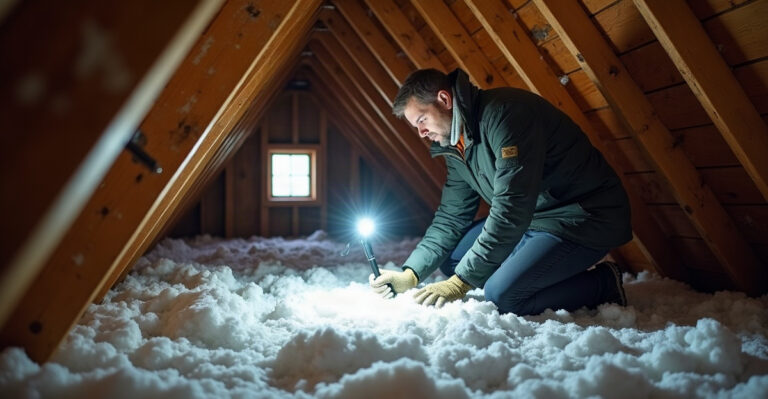
Metal Roofing Pros and Cons for Idaho Homes
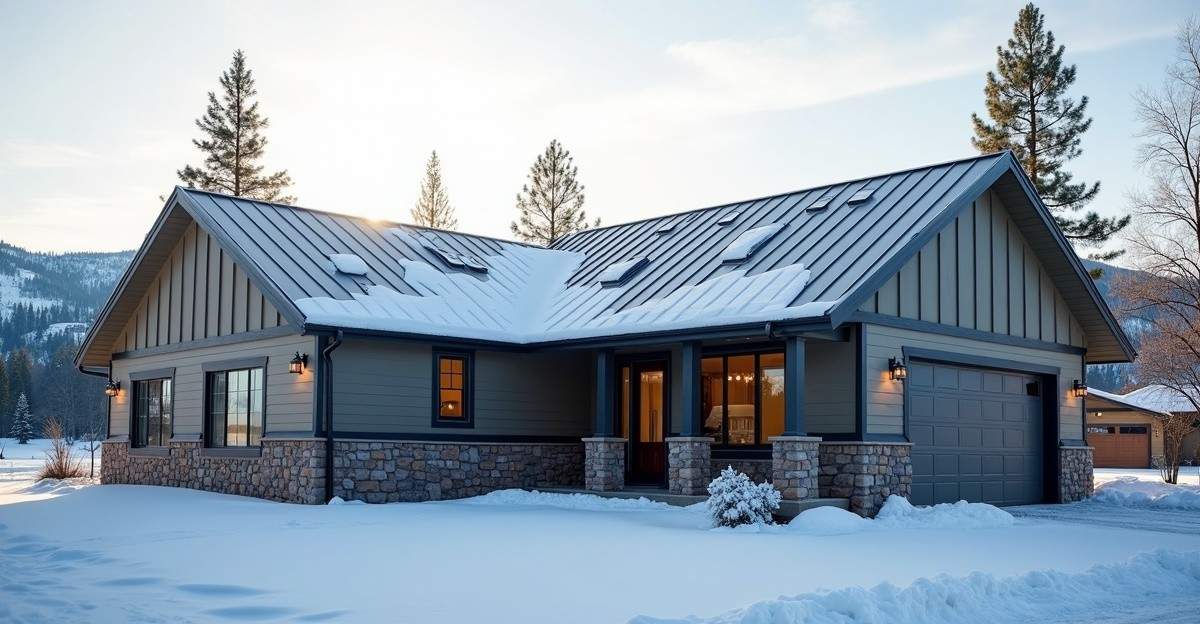
Understanding the metal roofing pros and cons is essential for us as Idaho homeowners weighing long-term durability against upfront investment. In Southwestern Idaho’s climate of heavy snow, strong winds, hail, freeze-thaw cycles, and wildfire risk, we see metal roofing perform well when we install it correctly. Budget, ownership plans, and neighborhood guidelines all influence whether it fits our goals.
Key Takeaways
- Metal roofs can last 40–70+ years and handle snow, wind, and fire exposure well, which makes them a strong long-term option in many parts of Idaho.
- Higher upfront cost is the primary drawback compared to asphalt shingles, which often make more sense for shorter ownership timelines or tighter budgets.
- Installation quality, underlayment, ventilation, and fastening systems directly affect performance and service life, so we focus heavily on these details.
- Snow shedding, wind resistance, and non-combustible materials stand out as major benefits, but we often recommend snow guards and the right panel profile for Idaho conditions.
- Over a 30–50 year period, metal can outlast multiple asphalt roof cycles, which shifts the value equation if we plan to stay in our home long term.
Is Metal Roofing Worth It in Southwestern Idaho? What Homeowners Need to Know First
Metal roofing can be a smart investment for many homes in Boise, Meridian, Eagle, Kuna, Nampa, Caldwell, Middleton, Mountain Home, McCall, and nearby communities. Whether it’s worth it depends on budget, long-term plans, and how well the system is installed.
Most homeowners start researching metal roofing pros and cons while comparing materials before requesting an estimate. The key concern usually comes down to upfront cost versus long-term value. That’s a practical way to approach it.
In Southwestern Idaho, we deal with heavy snow loads in higher elevations, spring and fall freeze-thaw cycles, strong winds, hot summers, wildfire risk in rural areas, and occasional hail. Roofing has to handle all of it. A metal system can perform very well in these conditions when installed correctly.
A properly installed metal roof typically lasts 40–70+ years depending on the material, panel thickness, underlayment, ventilation, and maintenance. It doesn’t last forever, but it can last significantly longer than many other roofing products. By comparison, most asphalt shingles last about 20–30 years depending on product quality and local weather exposure.
That said, asphalt shingles remain a solid, practical option for many homes. They cost less upfront and work well on many ranch-style homes, craftsman designs, newer subdivisions, and mountain properties. The right choice depends on structure, neighborhood guidelines, and long-term ownership plans.
Performance also depends on installation quality. Underlayment, attic ventilation, fastening systems, and contractor experience all matter. We’ve seen great materials underperform due to poor installation. On the flip side, properly installed roofing systems hold up for decades in Idaho’s climate.
Metal Roof Benefits Idaho Homeowners Should Know
Metal roof benefits Idaho homeowners often value most include durability, snow shedding, and fire resistance.
In higher elevations like McCall and many mountain properties, smooth metal panels help snow slide off more easily than textured asphalt shingles. That can reduce heavy buildup and stress on the framing. However, snow guards are often recommended above entryways, driveways, and walkways to control sliding snow and prevent sudden release.
Fire resistance is another major advantage. Metal roofing performs well in wildfire-prone rural and foothill areas because it isn’t combustible like wood-based materials. In areas with exposure to open fields or brush, this added layer of protection matters.
Metal roofing also handles high winds well. Standing seam systems with concealed fasteners and properly installed exposed fastener systems both offer strong wind resistance when attached according to manufacturer specifications. Metal doesn’t absorb moisture, which helps it withstand repeated freeze-thaw cycles that can degrade other materials over time.
Longevity is often a deciding factor. With a realistic lifespan of 40–70+ years, a metal roof can outlast two asphalt roofing cycles on many homes. That long service life appeals to homeowners planning to stay in the property for decades.
Energy reflection is another benefit, but it’s often misunderstood. Many metal roofs reflect radiant heat, which can help reduce heat gain in summer. Still, attic insulation and ventilation play a much larger role in overall comfort and energy efficiency. We focus on the whole roofing system, not just the surface material.
Metal roofing may also improve resale appeal. Buyers who value long-term durability sometimes see a metal roof as a practical advantage.
There are different types available:
- Standing seam: Concealed fasteners, clean vertical lines, fewer exposed screw points.
- Exposed fastener panels: Typically more affordable and may require periodic fastener checks over time.
- Metal shingles: Mimic traditional shingle or shake appearance with metal durability.
The right system depends on budget, roof pitch, and desired appearance. We help homeowners review options through our roofing services based on their specific home and goals.
Disadvantages of Metal Roofing to Consider Before Replacing Your Roof
Any balanced look at metal roofing disadvantages has to start with cost. Metal roofs typically require a higher initial investment than asphalt shingles. For some households, that makes asphalt the more practical short-term option.
Noise is a common concern. In most residential applications with solid decking, underlayment, and attic insulation, a metal roof is not dramatically louder than other roofing types during rain. Hail may be more noticeable depending on panel type and thickness, but proper installation reduces excessive sound.
Large hail can dent certain metal panels, particularly thinner-gauge exposed fastener systems. Thicker standing seam panels often resist denting better, but no material is completely immune in severe storms.
Idaho’s temperature swings cause metal to expand and contract. That movement must be accounted for through correct fastening systems and panel design. Improper installation can lead to fastener issues or oil canning, which affects appearance.
Installation experience matters. Metal roofing has different flashing details, fastening patterns, and trim requirements than asphalt. Mistakes can shorten lifespan and void manufacturer warranties.
Some subdivisions and HOAs restrict certain metal styles or colors. It’s important to review neighborhood guidelines before committing.
Snow sliding can also create hazards if snow guards are not included where necessary. While snow shedding reduces load, unmanaged snow release can damage landscaping or create safety concerns near entrances.
Metal roofing works well in Idaho, but it isn’t the right solution for every home or budget. Careful evaluation prevents overestimating the benefits.
Metal vs. Asphalt Shingles: Cost, Maintenance, and 30–50 Year Value Comparison
Upfront investment is the most obvious contrast. Metal roofing costs more initially than asphalt shingles. For homeowners comparing numbers, we recommend reviewing realistic pricing through our breakdown of roof replacement cost in Idaho to understand local expectations.
Over a 30–50 year period, the value equation shifts. Many asphalt roofs will require replacement at least once, and sometimes twice, depending on material quality and storm exposure. A well-installed metal roof may cover that same period without a full replacement.
Maintenance differs as well:
- Exposed fastener metal systems may require periodic inspection of screws and sealants.
- Asphalt shingles may need replacement of damaged tabs after wind or hail events.
- Both systems benefit from regular professional inspections.
The decision comes down to ownership horizon and cash flow. If a homeowner plans to stay long-term and can manage the upfront expense, metal can offer strong lifecycle value. If ownership is short-term or budget is tight, asphalt may be the more efficient choice.
Is metal roofing worth it? For long-term stability and durability in Idaho’s climate, it often is. For short-term ownership or limited budgets, asphalt may make better sense.
Installation, Maintenance, and Structural Factors That Affect Performance
Before upgrading to metal, we evaluate the roof decking. Soft or damaged decking must be replaced before installing new panels. A strong foundation supports long-term performance.
Underlayment matters in freeze-thaw conditions. High-quality synthetic underlayments and ice-and-water barriers protect vulnerable areas such as eaves and valleys. These layers serve as secondary moisture defense.
Attic ventilation and insulation are just as important as the roofing material. Proper airflow reduces condensation risk and improves system longevity. Without ventilation, even durable materials can face premature wear.
Most metal roofs require minimal maintenance, but we recommend periodic inspections. Checking flashing, sealants, and fasteners and clearing debris from valleys keeps the system performing as intended.
Some homeowners ask if metal can be installed over asphalt shingles. In certain cases, yes. Local building codes, existing roof condition, weight considerations, and ventilation all factor into that decision. A full tear-off is often preferred when issues exist beneath the surface.
Working with an experienced local contractor matters. Idaho’s snow loads, wind exposure, and building codes require regional knowledge. As a veteran-owned, family-operated company, we focus on craftsmanship, clear communication, and doing the job right the first time. Homeowners can learn more about our background on our about us page.
When Metal Roofing Makes Sense — and When Asphalt May Be More Practical
Metal roofing often makes practical sense for homeowners who plan to stay long-term, live in rural or wildfire-prone areas, manage higher snow loads, or prioritize durability over lowest upfront cost. It also works well on mountain properties and homes where snow shedding helps reduce structural strain.
Asphalt may be more practical for short-term ownership, tighter budgets, certain architectural styles, or simpler rooflines where cost control is a priority.
Here are direct answers to common homeowner concerns:
How long does a metal roof last in Idaho?
Most systems last 40–70+ years depending on material, installation quality, and maintenance.
Is a metal roof noisy during rain or hail?
With solid decking and proper insulation, it’s typically no louder than other roofing systems in everyday rain conditions.
Does snow slide off a metal roof?
Yes. Snow often sheds more easily, which can reduce snow load, but snow retention systems may be needed above entrances and walkways.
Every home has different needs. We recommend evaluating budget, ownership plans, roof structure, and any HOA rules before deciding. A professional inspection provides clarity without pressure.
Homeowners ready to explore options can request an estimate or schedule an inspection through our contact page. We’ll review the property, explain material choices in clear language, and provide straightforward recommendations based on what makes sense for the home and long-term goals.