10 Common Roof Problems in Idaho Homes
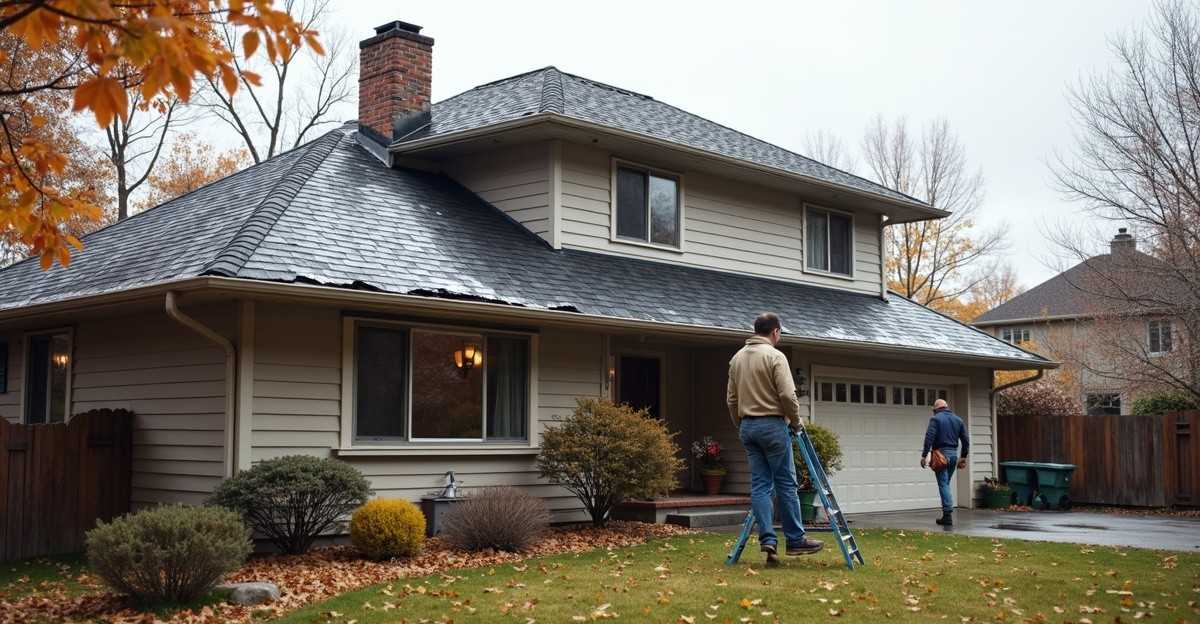
Idaho homeowners deal with constant weather pressure, and we see how the 10 common roof problems in Idaho homes can turn small defects into major structural repairs if we ignore them. We regularly handle roof leaks, wind damage, snow load stress, aging shingles, ventilation failures, and flashing breakdowns across the state. Idaho’s freeze-thaw cycles, heavy storms, and intense sun drive these roofing issues and shorten system life when we fail to address them early.
Key Takeaways
- Roof leaks often start with minor flashing gaps, cracked shingles, or ice dams. We know these small openings can quickly lead to interior water damage and wood rot if we leave them unchecked.
- Wind and storm damage in the Treasure Valley often loosens shingles and ridge caps. We see exposed underlayment absorb moisture fast, which speeds up roof deterioration.
- Snow load stress and ice dams during Idaho winters put heavy strain on framing and decking. We often find sagging rooflines, trapped moisture, and repeat seasonal leaks when we inspect homes after winter.
- Aging asphalt shingles show curling edges, surface cracks, and granule loss. We treat these warning signs seriously because they increase the risk of wind uplift and water intrusion.
- Poor attic ventilation speeds up material wear and drives condensation issues. We improve airflow to extend roof life, especially during Idaho’s extreme temperature swings.
Roof Leaks and Moisture Intrusion: The Most Urgent Warning Signs for Idaho Homeowners
Roof leaks remain one of the most urgent and common roofing problems Idaho homeowners face. Water intrusion rarely starts as a major failure. In most cases, it begins with small flashing issues, failed sealants, damaged shingles, or ice-related backup along the eaves.
Southwestern Idaho’s weather adds stress to roofing systems. Heavy snow followed by rapid thaw creates runoff that can push under shingles. Freeze-thaw cycles expand and contract materials. Wind-driven rain forces water into small gaps. In colder areas like McCall and higher elevations near Mountain Home, ice dams frequently contribute to seasonal roof leaks.
Early roof deterioration signs often show up inside the home before they’re visible on the roof surface. We recommend watching for:
- Water stains on ceilings or walls
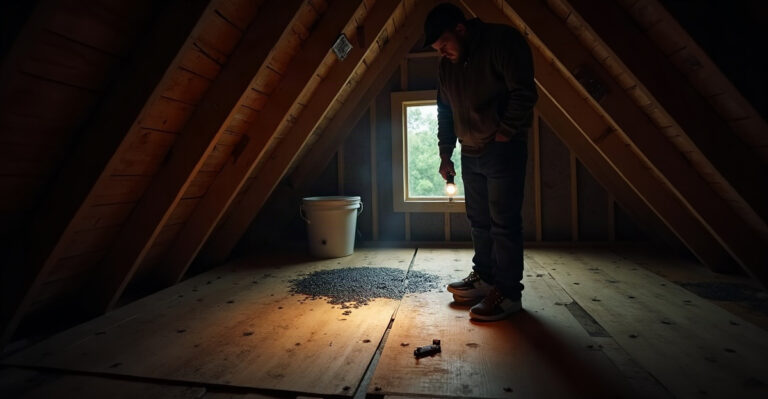
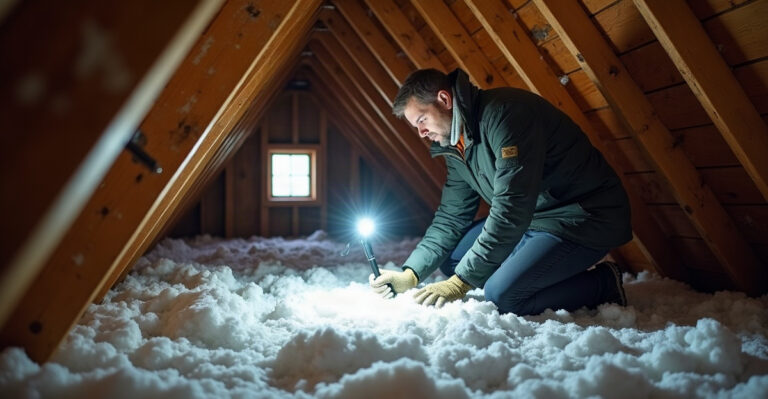
- Damp insulation in the attic
- Peeling paint near rooflines
- Musty or mold smells
- Bubbling drywall
- Dripping during rainstorms
Ignoring these signs can lead to rotted roof decking, damaged insulation, compromised framing, and mold growth. Repair costs increase quickly once structural components are involved.
Repair or replacement depends on the scope of the issue. Isolated flashing issues around a vent or chimney can often be resolved with targeted roof repair. However, widespread moisture damage across multiple roof planes may signal overall system failure, especially on aging roofs.
Active roof leaks deserve prompt professional inspection. We don’t recommend climbing onto a wet or snow-covered roof. Diagnosing the true source of water entry requires experience, especially when leaks travel along decking before appearing inside.
Wind and Storm Damage in Southwestern Idaho
High winds are a regular part of life in Boise, Meridian, Eagle, Kuna, Nampa, Caldwell, and surrounding Treasure Valley communities. Strong gusts lift shingle edges, loosen ridge caps, and stress flashing details.
Wind uplift typically begins at corners and edges. Over time, adhesive seals weaken. Many neighborhoods built during growth periods 10 to 20 years ago are now seeing aging sealants fail under repeated exposure.
Early warning signs of wind damage include missing shingles, creased or lifted tabs, and granules collecting in gutters. After storms, debris impact marks may appear where branches or airborne objects hit the roof. Wind-driven rain increases the risk of roof leaks by pushing water under partially lifted shingles.
Ignoring wind damage exposes underlayment to ultraviolet light and moisture. That exposure accelerates roof deterioration signs and increases the likelihood of interior staining.
Localized wind damage can often be repaired if addressed early. When shingle loss affects multiple slopes or entire sections, we may recommend evaluating the full system for fatigue. In some cases, a full roof replacement provides longer-term protection and better overall value.
Our approach remains straightforward. We assess the extent of damage, explain what we see, and outline clear options without pressure.
Snow Load Stress and Ice Dams in Idaho Winters
Snow accumulation adds significant weight to roofing systems, especially in higher elevations and during heavy Treasure Valley winter storms. Most modern roofs are built to handle expected snow loads. Aging systems, however, may struggle under repeated stress.
Snow load affects both shingles and the underlying decking. Over time, weight combined with moisture weakens structural components. Sagging roof lines or dips along ridges deserve immediate attention.
Ice dams form when uneven attic temperatures cause snow to melt higher on the roof and refreeze near the eaves. This cycle creates a barrier that traps water behind it. That trapped water often finds its way beneath shingles, leading to recurring winter roof leaks.
Warning signs include thick icicles along eaves, water staining at exterior walls, and consistent leaks during freeze-thaw cycles. Hidden moisture intrusion can saturate insulation and warp decking long before visible damage appears.
Not every snowy winter means a roof needs replacement. Structural concerns, sagging sections, or repeated seasonal leaks signal the need for deeper evaluation. Our experience with southwestern Idaho weather patterns helps us identify whether the issue stems from ventilation, insulation, aging materials, or overall system wear.
Aging Asphalt Shingles and Sun Exposure Damage
Asphalt shingles remain the most common roofing material across Boise-area neighborhoods and single-family homes in southwestern Idaho. Most products last between 20 and 30 years depending on material quality, installation, ventilation, and maintenance.
Idaho’s climate creates unique stress. Intense summer sun leads to prolonged UV exposure. Rapid temperature swings from hot days to cool nights cause expansion and contraction. Over time, shingles become brittle.
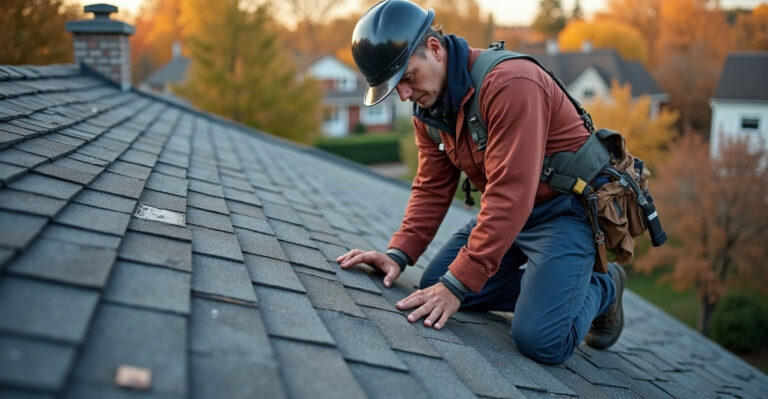
Early roof deterioration signs include curling edges, cracking, blistering, bald spots, and excessive granule loss in gutters. Once granules wear away, shingles lose their protective layer. This condition increases vulnerability to wind damage and roof leaks.
Among the most frequent common roofing problems Idaho homeowners face is widespread shingle aging that looks minor from the ground but shows significant wear up close.
Isolated damaged shingles can sometimes be replaced individually. When brittleness affects large areas or multiple slopes, repairs become temporary fixes. At that point, reviewing long-term options often makes more financial sense. Homeowners who want detailed cost expectations can review roof replacement costs in Idaho for helpful planning information.
For those building new homes or additions, proper material selection and installation during new roof construction can reduce premature aging and extend overall performance.
Ventilation Problems and Temperature-Related Material Breakdown
Proper attic ventilation plays a major role in roof performance. In summer, trapped heat builds beneath the roof deck. In winter, poor airflow contributes to condensation and uneven snow melt.
Heat buildup accelerates shingle aging. Excess moisture creates condensation along decking and rafters. Idaho’s freeze-thaw cycles then expand and contract materials repeatedly. That movement stresses nails, flashing, and sealants.
Warning signs include uneven snow melt patterns, warped shingles, musty attic odors, and unexpected increases in energy bills. While homeowners often suspect storm damage, climate-driven material fatigue may be the root issue.
Mechanical damage, such as missing shingles from a storm, differs from temperature-related breakdown. Each requires a different solution. Improving ventilation may extend the life of an otherwise sound roof. In other cases, long-term moisture buildup may have already shortened the system’s lifespan.
Correcting ventilation involves evaluating intake and exhaust balance, insulation levels, and attic airflow patterns. We recommend professional assessment rather than guesswork adjustments.
Cracked Flashing, Chimney Seals, and Penetration Failures
Many roof leaks originate at penetrations rather than open shingle fields. Chimneys, skylights, vent stacks, and valleys create transition points sealed by flashing and specialized sealants.
Metal flashing expands and contracts with Idaho’s temperature swings. Over time, that movement loosens fasteners and creates sealant cracks. Rusted metal, separated counterflashing, or water near fireplaces and skylights typically indicates localized failure.
Some of these flashing issues are straightforward repairs. Replacing deteriorated metal or resealing a vent boot often resolves the leak. In other cases, repeated penetration leaks may signal broader roof deterioration signs affecting surrounding materials.
We use simple guidelines for homeowners deciding when to call:
- Active roof leaks or interior staining require immediate professional attention.
- Sagging roof sections need urgent evaluation.
- Multiple missing shingles after a storm should be inspected promptly.
- Minor granule loss or a single damaged shingle can be monitored, but an inspection brings clarity if uncertainty remains.
Homeowners in Boise, Meridian, Eagle, Kuna, Nampa, Caldwell, Middleton, Mountain Home, McCall, and nearby communities deserve clear information about the common roofing problems Idaho homes face. We’re proud to serve these communities through our full range of roofing services with honest assessments and straightforward recommendations.
Anyone who wants answers can schedule an inspection through our contact page. We explain what we find, outline realistic options, and allow homeowners to make informed decisions without pressure.