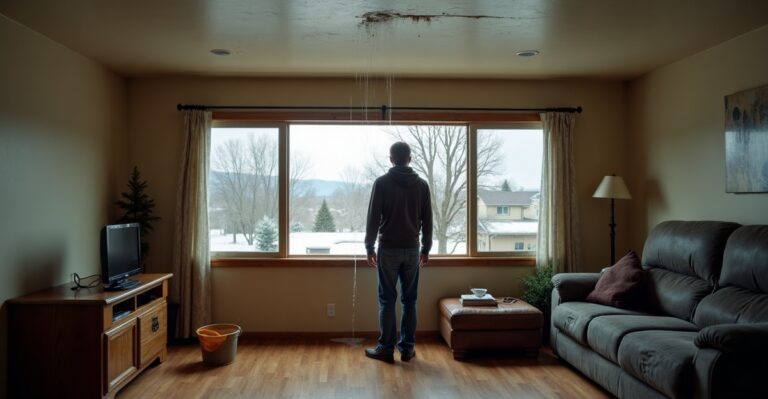
DIY Roof Repair vs Hiring a Professional
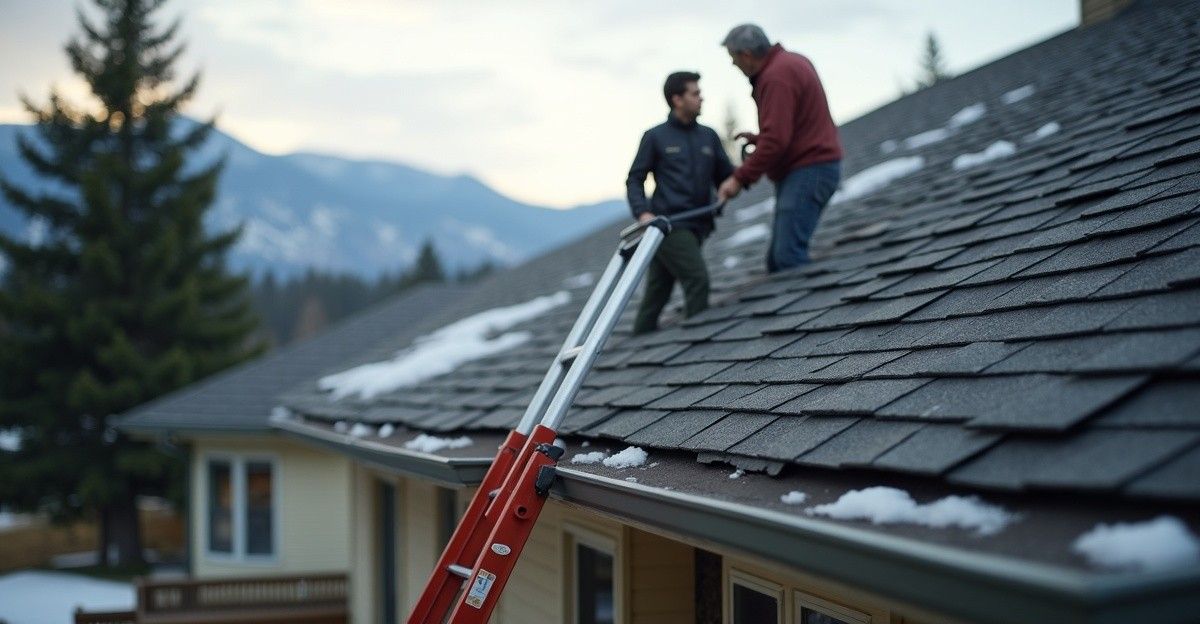
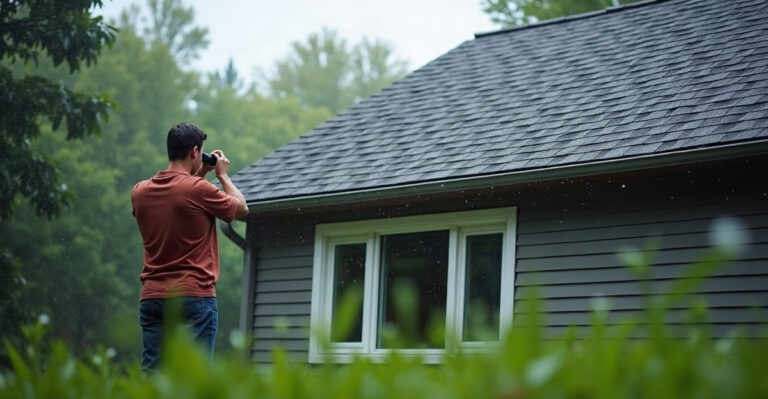
Choosing between DIY roof repair vs professional service demands clear judgment. We must weigh safety risks, long-term costs, warranty impact, and Idaho’s harsh weather patterns. We evaluate roofing safety, common DIY errors, hidden storm damage, and liability exposure before we decide whether a minor repair stays within reach or a professional inspection gives us stronger protection.
Key Takeaways
- DIY roof repair makes sense for small, isolated problems on low-slope, easy-to-reach roofs when we use proper safety gear and follow safe work practices.
- Roofing safety risks, including falls and personal liability, rise fast on steep slopes and during Idaho’s high winds, heavy snow, and freeze-thaw cycles.
- Common DIY mistakes, especially poor flashing details and incorrect nailing patterns, often cause hidden leaks that lead to insulation damage, mold growth, and wood rot.
- Professional repairs include full-system inspections, accurate material matching, code-compliant installation, and workmanship warranties that protect our investment.
- We compare upfront savings with the risk of larger future repair or full replacement costs to choose the most practical and cost-effective solution for our home.
Is It Worth the Risk? What Homeowners Need to Consider First
Deciding between DIY roof repair and hiring a professional comes down to safety, cost, and long-term protection. Many homeowners across Boise, Meridian, Eagle, Kuna, Nampa, Caldwell, Middleton, Mountain Home, and McCall face this choice after a windstorm, a visible leak, or signs of aging shingles.
We know that most people asking, “should I fix my roof,” are close to taking action. The goal is not to push one direction. It is to evaluate roofing safety risks, practical costs, potential DIY roofing mistakes, and how Idaho’s weather impacts the decision.
Before climbing a ladder, we recommend weighing these key factors:
- Roofing safety risks and fall exposure
- Upfront savings versus long-term repair costs
- Quality of installation and material matching
- Manufacturer and workmanship warranty implications
- Insurance and personal liability considerations
- Idaho-specific weather conditions like snow load, wind, freeze-thaw cycles, and ice dams
In some cases, a small repair makes sense to handle independently. In others, a professional evaluation protects both the roof and the household budget.
When DIY Roof Repair May Be Reasonable
There are situations where limited DIY work can be practical. Minor issues on an otherwise healthy roof may not require a full service call.
DIY roof repair may be reasonable when:
- A single shingle is missing on a low-slope, easily accessible roof
- Minor, visible wind damage affects a small area
- The repair is clearly isolated and structural components are intact
- Proper safety equipment and ladder setup knowledge are already in place
In these controlled situations, handling the repair may reduce immediate out-of-pocket costs. However, even small repairs require attention to detail.
Correct material matching is essential. Shingles must match the existing type, manufacturer specifications, and installation pattern. Color and profile matter for curb appeal. Performance matters even more.
Safety cannot be overlooked. Stable ladder placement on level ground is critical. Steep pitches common in southwestern Idaho increase risk significantly. Roof work should never take place during high wind, rain, snow, or icy conditions.
Even after what appears to be minor storm damage, we must still check for underlying issues. Wind events in Boise and surrounding areas often lift shingles without tearing them off. Hidden compromised fasteners or flashing can create leaks weeks later.
The key is honest assessment. If the damage is truly minor and isolated, and the roof is otherwise in good shape, DIY may be reasonable. If there is uncertainty about underlying damage, professional evaluation is safer.
Roofing Safety Risks and Liability in Idaho’s Climate
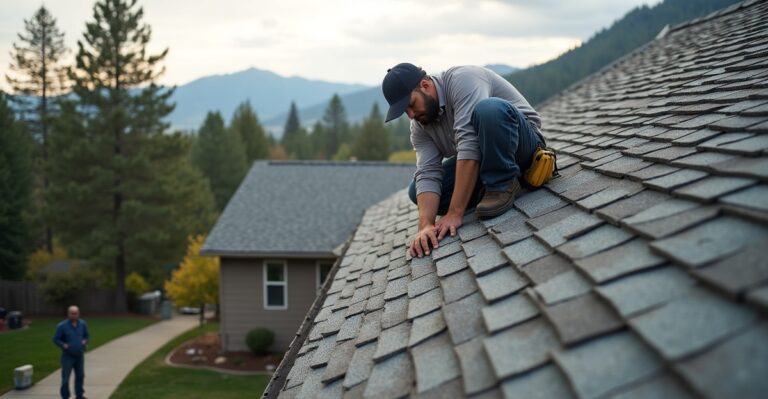
Roof work carries real safety risks. Falls are one of the most serious hazards in residential construction. Even single-story homes present significant danger.
Common roofing safety risks include:
- Improper ladder placement or unsecured extension ladders
- Steep roof slopes that reduce stable footing
- Fragile, aging, or heat-weakened shingles
- Loose granules that create slippery surfaces
Idaho’s climate adds additional complications. Snow load stress in winter places extra weight on roofing systems. Ice dams often develop near eaves, forcing water under shingles. Freeze-thaw cycles expand small cracks and separate flashing from roof surfaces. Sudden windstorms in the Treasure Valley can loosen flashing and ridge caps without obvious visual damage.
When homeowners work on their own roofs, they assume all liability. Any fall-related injury results in direct medical costs. If additional property damage occurs during a DIY repair, insurance coverage may raise questions about workmanship or cause.
This does not mean homeowners should never participate in maintenance. It means every decision should account for risk exposure, weather timing, and roof condition.
Common DIY Roofing Mistakes That Lead to Larger Repairs
We frequently see the long-term effects of well-intentioned DIY work. Small installation errors can create larger structural problems months later.
Common DIY roofing mistakes include:
- Incorrect shingle alignment that disrupts water flow
- Improper nailing patterns that void manufacturer guidelines
- Inadequate flashing installation around chimneys, vents, and valleys
- Mismatched materials that weather differently
- Sealing over surface symptoms without addressing underlying damage
Improper flashing around penetrations is one of the most common problems. Valleys and chimneys handle high water volume. Small gaps can direct water beneath shingles and into roof decking.
Over time, hidden leaks may cause:
- Rotting roof decking
- Moisture-damaged attic insulation
- Mold growth
- Interior ceiling staining
- Structural framing issues
Minor professional repairs in southwestern Idaho often range from a few hundred dollars to low thousands, depending on scope and accessibility. However, a small $300–$800 issue left unresolved can evolve into several thousand dollars if moisture spreads into decking or structural components.
Warranty considerations also matter. Manufacturer warranties often require installation according to specific guidelines. Improper nailing or flashing may void coverage. DIY repairs do not include a workmanship warranty, leaving homeowners responsible if the repair fails.
Understanding these risks helps prevent short-term savings from turning into long-term expense.
Professional Roof Repair: What We’re Paying For
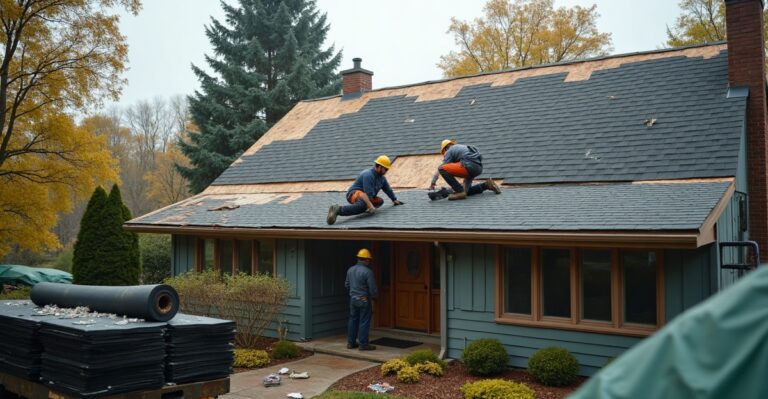
Professional roofing services provide more than labor. They deliver diagnosis, documentation, and long-term protection.
When hiring experienced contractors for roof repair services, we typically receive:
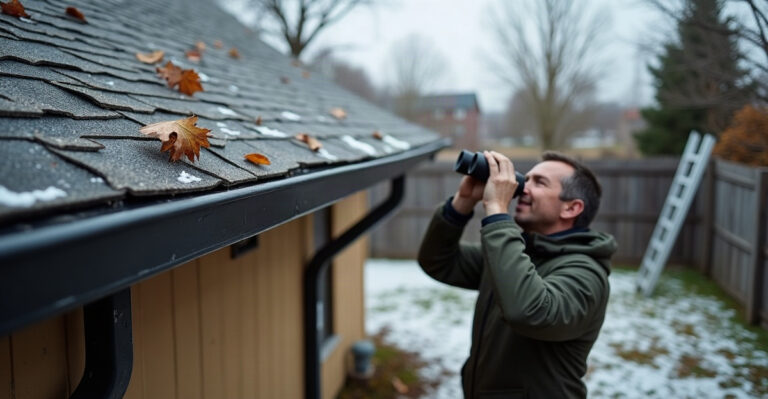
- A thorough inspection to identify visible and hidden damage
- Safe work practices with proper equipment
- Correct material matching and installation
- Code-compliant repairs
- A written workmanship warranty
Trained professionals evaluate flashing failures, ventilation performance, and structural concerns that may not be visible from ground level. Accurate assessment prevents repeat repairs in the same location.
For homeowners filing insurance claims after storms, professional documentation is essential. Written reports and photographs help clarify damage origin and scope.
Cost is understandably part of the decision. Professional repair may cost more upfront than purchasing materials alone. However, a properly executed repair can extend the roof’s lifespan and reduce the likelihood of premature roof replacement.
Clear communication and transparent estimates build confidence. Written scopes of work outline exactly what will be completed. As a local, veteran-owned, and family-operated company, we focus on reliability and straightforward recommendations. That approach reflects the values shared on our About Us page.
Homeowners comparing long-term costs may also find helpful information in our guide on roof replacement costs in Idaho. Understanding replacement pricing provides context for deciding whether repair is still practical.
Additional educational resources are available through our roofing blog for those researching options in more detail.
How to Decide What’s Right for Our Home
Every roof and situation is different. A structured evaluation helps clarify the best choice.
Here is a practical checklist:
- Is the damage minor and clearly visible?
- Is the roof low-slope and safely accessible?
- Do proper safety equipment and experience exist?
- Would the repair risk voiding an existing warranty?
- Is there any sign of sagging, widespread storm damage, or persistent leaks?
Professional evaluation is strongly recommended when active interior leaking is present. Storm damage affecting multiple areas also warrants inspection. Flashing issues around valleys, vents, and chimneys require precise installation. Older roofs nearing the end of their service life may be better candidates for replacement instead of repeated patching.
Regional weather patterns matter. Freeze-thaw cycles can quickly worsen small cracks. Snow accumulation adds stress in winter. Wind exposure across southwestern Idaho can loosen improperly secured materials within a single season.
If uncertainty remains, scheduling an inspection provides clarity without commitment. A careful review helps determine whether DIY is truly appropriate or whether professional repair protects long-term investment. Homeowners who want a second opinion can request an evaluation through our contact page.
Roofing decisions should balance safety, cost, and durability. A clear understanding of risks and benefits allows homeowners to move forward with confidence and protect their property responsibly.