How Long Does a Roof Last in Idaho Weather?
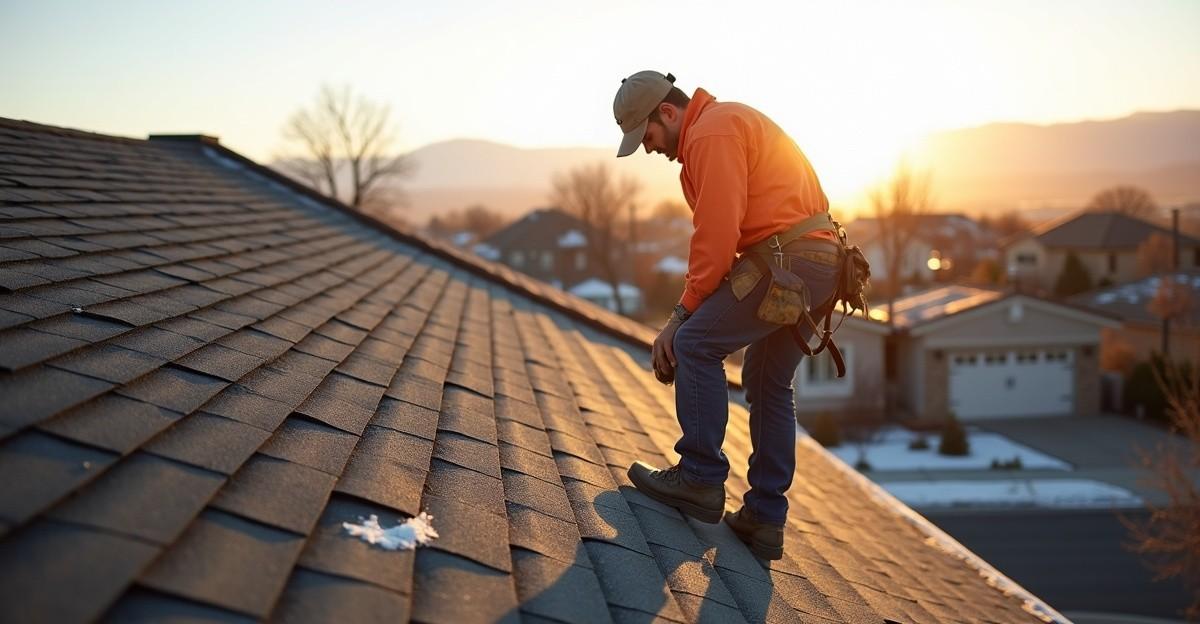
Roof lifespan Idaho homeowners can expect depends heavily on southwestern Idaho’s snow load, freeze–thaw cycles, intense UV exposure, and seasonal winds. These conditions often shorten service life compared to national averages. In most situations, asphalt roofs last 15–25 years and metal roofs 30–50+ years. Installation quality, ventilation, maintenance, and storm exposure ultimately decide how long a roof performs in Idaho’s climate.
Key Takeaways
- Asphalt roofs in southwestern Idaho usually last 15–25 years, while metal roofs often last 30–50+ years based on installation quality and maintenance habits.
- Snow load, freeze–thaw cycles, strong UV exposure, and wind events create continuous stress that can reduce roof life.
- Proper installation, balanced attic ventilation, effective insulation, and well-installed flashing details strongly influence long-term durability.
- Consistent maintenance and prompt repairs extend roof life and stop minor issues from turning into major damage.
- Regular inspections, especially after 10–15 years for asphalt roofs, help us plan ahead and budget before replacement becomes urgent.
What Homeowners in Southwestern Idaho Can Realistically Expect From Their Roof
Roofs in southwestern Idaho do not last as long as national averages often suggest. Local climate conditions play a major role in how long a roof lasts in Boise, Meridian, Eagle, Kuna, Nampa, Caldwell, Middleton, Mountain Home, and McCall.
For asphalt roof lifespan in Idaho, most homeowners can expect 15–25 years. The range depends on shingle type and exposure:
- 3-tab shingles: often 15–20 years in harsh sun and wind.
- Architectural shingles: typically 20–25 years with proper installation, ventilation, and maintenance.
Installation quality, attic airflow, and wind exposure can shift those numbers significantly. A lower-grade shingle installed correctly may outlast a higher-grade product installed poorly.
Metal roof lifespan in Idaho commonly falls between 30–50+ years. Panel system design, fastener type, protective coatings, and maintenance all influence longevity. Properly installed metal roofs handle snow and sun well, but fasteners and seams still require oversight over time.
Every estimate must consider southwestern Idaho’s climate stressors:
- Heavy winter snow load.
- Freeze–thaw cycles.
- Summer heat and strong UV exposure at elevation.
- Rapid temperature swings.
- Seasonal wind events.
Age alone does not determine replacement timing. We’ve inspected 20-year-old roofs that only needed minor repairs, and 14-year-old roofs that required substantial work due to wind damage or ventilation issues. Condition matters as much as the calendar.
How Idaho Weather Impacts Roof Lifespan Year After Year
Southwestern Idaho weather stresses roofing materials in ways many homeowners underestimate.
Snow load adds significant weight. When attic ventilation is poor, warm air escapes unevenly and melts snow inconsistently. That meltwater can refreeze along the eaves, creating ice buildup that pushes under shingles and stresses flashing.
Freeze–thaw cycles create another challenge. Moisture enters small cracks in shingles or flashing. When temperatures drop, that moisture freezes and expands. Over several winters, this repeated expansion weakens materials and can open pathways for leaks.
High UV exposure at Idaho’s elevation accelerates aging. Asphalt shingles gradually lose protective granules. As granules wear away, shingles dry out, become brittle, and are more likely to crack or curl.
Wind events are common across Ada and Canyon County, especially in open areas. Strong gusts can:
- Loosen ridge caps.
- Lift shingle edges.
- Shift flashing around chimneys and vents.
- Work fasteners loose on metal panels.
Rapid temperature swings add extra stress. Hot days followed by cool nights cause continuous expansion and contraction. Over time, that movement fatigues fasteners, seams, and joints.
Tree coverage introduces a different kind of wear. Debris buildup traps moisture against shingles. Shaded areas dry more slowly, which can shorten asphalt roof lifespan in Idaho if maintenance is ignored.
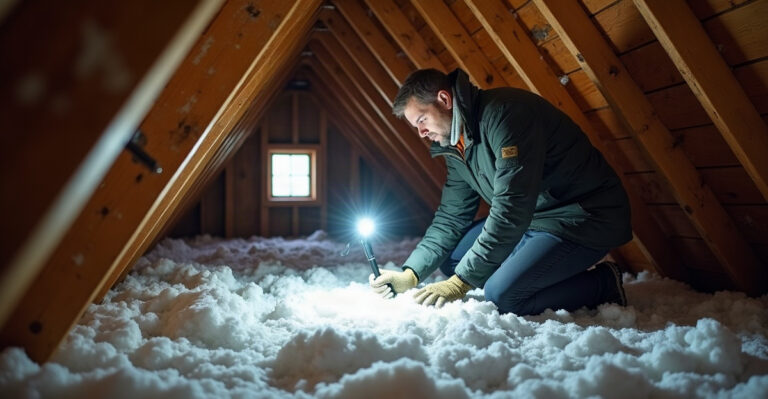
Proper attic ventilation and insulation make a measurable difference. Balanced airflow controls moisture and temperature, reducing stress on shingles and decking. Ventilation often determines whether a roof reaches the upper end of its expected lifespan.
Asphalt vs. Metal Roofing in Idaho: Lifespan, Performance, and Cost Context
Material choice affects both lifespan and long-term performance in Idaho’s climate.
Asphalt roof lifespan in Idaho varies by product:
- 3-tab shingles often last 15–20 years in exposed areas.
- Architectural shingles commonly reach 20–25 years with solid installation and routine upkeep.
Asphalt roofing remains popular because of its lower upfront cost. It installs efficiently and fits most home designs. However, asphalt is more vulnerable to wind uplift and long-term UV breakdown.
Metal roof lifespan in Idaho typically ranges from 30–50+ years. Metal performs well in snow because its smooth surface sheds accumulation efficiently. It resists UV damage better than asphalt and maintains structural integrity over long periods.
That said, metal requires monitoring. Fasteners can loosen over decades. Seams must remain properly sealed. Surface coatings must stay intact to resist corrosion.
No roofing material is universally best. Budget, roof design, long-term plans, and maintenance expectations all matter. Some homeowners prefer asphalt for affordability and flexibility. Others choose metal for its long service window and snow-shedding performance.
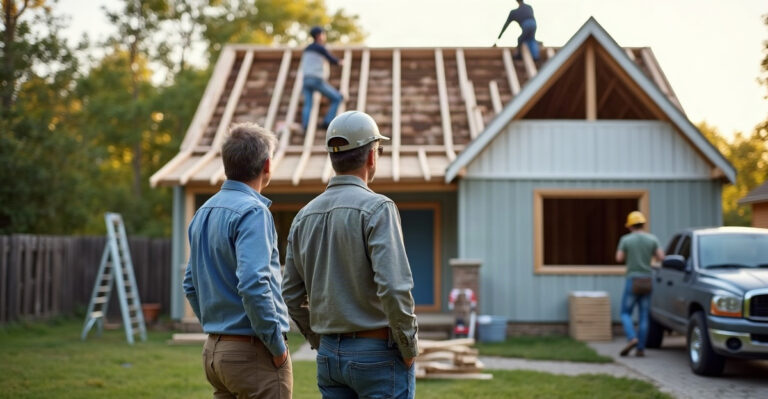
We review options clearly during new roof construction or major upgrades. When replacement becomes necessary, we guide homeowners through roof replacement planning with realistic lifespan expectations. For detailed cost context, many homeowners review roof replacement cost in Idaho as they prepare.
Key Factors That Determine Whether Your Roof Reaches Its Full Lifespan
Material matters, but performance depends on execution and ongoing care.
Installation quality ranks first. Improper flashing details, misaligned shingles, or incorrect fastener placement can shorten roof lifespan in Idaho by years. Ice and water protection placement is also critical due to winter conditions.
Ventilation and insulation come next. Poor airflow traps heat in summer and moisture in winter. That imbalance can prematurely age asphalt shingles and even damage roof decking.
Roof pitch and drainage influence wear. Low-slope areas drain slower and may experience standing water. Valleys and transitions require careful detailing to prevent long-term issues.
Maintenance frequency plays a direct role. Simple actions extend roof life:
- Clearing debris.
- Cleaning gutters.
- Replacing damaged shingles.
- Resealing flashing.
We often see small issues become larger repairs simply because they were ignored for several seasons. Addressing minor damage through timely roof repair services can significantly extend how long roofs last on Idaho homes.
Storm exposure compounds everything. Repeated high-wind events may loosen materials incrementally. Even if no immediate leak appears, hidden vulnerabilities can develop.
When deterioration becomes widespread, roof tear-off and full replacement may provide a safer long-term solution.
Warning Signs Your Roof May Need Repair or Replacement
Visible symptoms often appear before major leaks develop. Identifying problems early protects both the structure and the budget.
Common exterior warning signs include:
- Curling, cracking, or missing shingles.
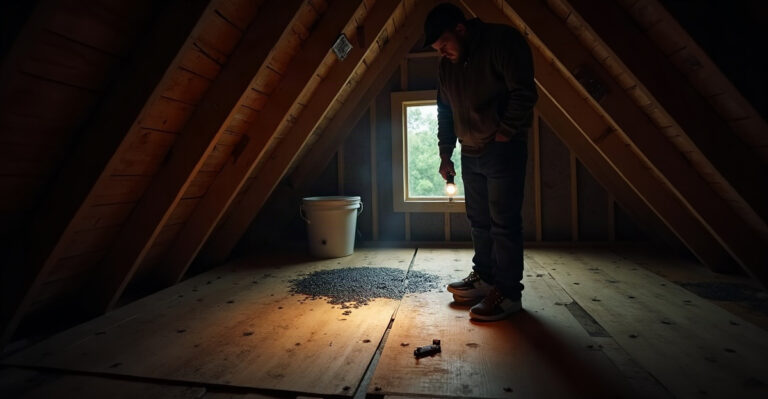
- Granule loss in gutters or downspouts, especially on aging asphalt roofs.
- Repeated leaks after snowmelt or heavy rain.
- Flashing failures around chimneys, vents, and valleys.
- Soft decking, sagging sections, or spongy areas.
- Rusting panels, loose fasteners, or separated seams on metal roofs.
Interior indicators matter as well:
- Water stains on ceilings.
- Moisture or frost buildup in the attic.
- Musty odors.
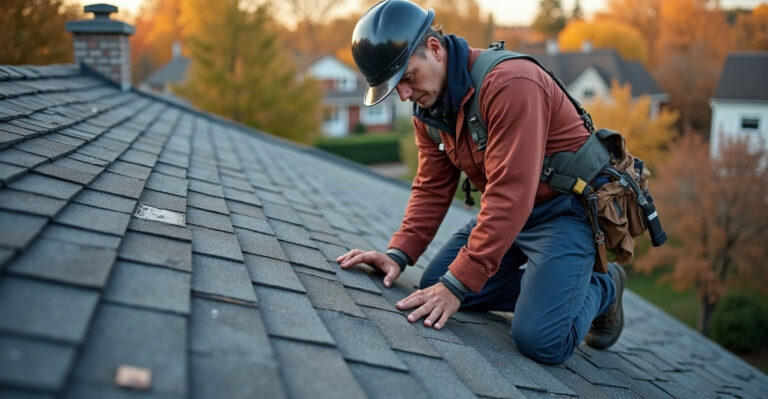
One isolated issue may call for repair. Multiple areas of deterioration often suggest the roof has reached the end of its practical service window. A professional inspection determines whether repair can safely extend lifespan or whether full replacement reduces long-term risk. Our broader roofing services cover both options with clear written assessments.
Planning Ahead: Inspections, Budgeting, and Smart Timing in Idaho
Routine inspections provide clarity long before emergencies happen.
In southwestern Idaho, we recommend inspections every 1–2 years once a roof is over 10 years old. Roofs should also be checked after major windstorms or heavy snow seasons.
Age guidelines help prioritize attention:
- 15+ years (asphalt): monitor closely and inspect regularly.
- 25+ years (metal): evaluate fasteners, seams, and surface coatings carefully.
Financial planning should begin 2–5 years before the expected end of asphalt roof lifespan in Idaho. Early budgeting reduces stress and avoids rushed decisions during peak storm season.
Every home performs differently. Ventilation, orientation, tree coverage, and installation history create real variation across Boise and surrounding communities. A transparent, professional assessment removes guesswork.
Homeowners who want clarity can schedule an inspection or request a written estimate through our contact page. We serve communities throughout our service area and provide honest evaluations based on actual roof condition, not assumptions about age alone.