Roof Replacement Timeline: What Homeowners Can Expect?

A roof replacement timeline covers more than installation day. It includes inspection, material ordering, scheduling, delivery, cleanup, and a final walkthrough. Crews can install a simple asphalt-shingle roof in one day. Weather, roof complexity, permits, access, and hidden repairs can extend the full project schedule.
Key Takeaways
- Active on-roof work can take one day for a simple asphalt-shingle roof. The full project timeline starts before installation and ends after the final review.
- Material availability, crew schedules, seasonal demand, permits, and weather can affect the planned start date.
- Steep roofs, multiple layers, limited access, dormers, skylights, and other detailed features can add installation time.
- If crews find decking damage, ventilation issues, or flashing concerns after tear-off, we document the findings, request approval, and adjust the schedule as needed.
- We can help keep the project moving by confirming material selections, clearing driveway access, protecting outdoor items, and preparing for noise and vibration.
How Long a Roof Replacement Takes: Installation Time vs. the Full Project Timeline
A straightforward residential asphalt-shingle roof may be installed in as little as one day when conditions are favorable. That one-day roof installation refers to active on-roof work, not the complete roof replacement timeline from the first inspection through the final walkthrough.
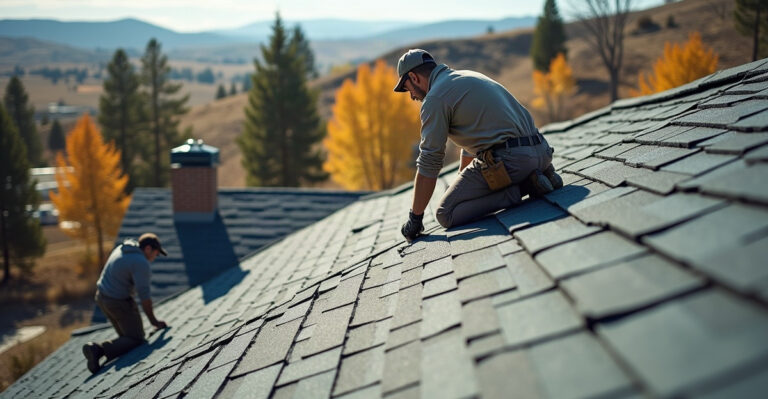
On-roof installation time means the days when a crew actively removes and installs the roofing system. The full roof replacement process timeline includes inspection, estimate review, material selection, ordering, scheduling, permits where needed, delivery, installation, cleanup, and final inspection steps.
There is no universal answer to “how long does a roof replacement take.” Every home has different roof size, access, materials, weather conditions, permit needs, crew availability, and possible repair concerns. This typical roof replacement project timeline applies mainly to standard residential asphalt-shingle roofs. Metal, tile, cedar, slate, low-slope systems, and specialty materials can require different methods and lead times.
| Project Stage | What Happens | Typical Timing Considerations | What the Homeowner Should Do |
|---|---|---|---|
| Inspection and estimate | We assess the roof, access, visible damage, and likely material needs. | May take place before scheduling begins. | Review the written scope and ask questions. |
| Material selection and ordering | Shingles, underlayment, flashing, ventilation, and related materials are selected and ordered. | Color availability and supplier lead times can affect the start date. | Confirm material choices promptly. |
| Scheduling and preparation | We coordinate the crew, delivery, permits, and site access. | Weather and seasonal demand may affect the installation window. | Prepare driveway access and protect outdoor items. |
| On-roof work | The old roof is removed, decking is checked, and the new system is installed. | A simple asphalt-shingle roof may take one day; complex work can take longer. | Plan for noise, vibration, and limited driveway access. |
| Cleanup and final walkthrough | We remove debris, sweep for nails, review the completed work, and complete applicable inspections. | May occur the same day or after required inspection steps. | Walk the property with the project contact. |
From Inspection to Final Walkthrough: The Roof Replacement Process Timeline
The process starts with a professional roof inspection. We look for visible roof concerns, roof complexity, access limitations, material requirements, and likely repair areas. Some conditions cannot be confirmed until the old roofing materials come off. For example, damaged sheathing or moisture-related issues may remain hidden below existing shingles.
A clear roof replacement signs guide can help identify when it is time to schedule an assessment. After inspection, homeowners should receive a written roof replacement estimate that explains the roofing system, included work, exclusions, payment timing, and how approved change conditions will be handled. Compare scopes carefully, rather than comparing only the bottom-line price.
Material selection affects the roof replacement process timeline. Asphalt shingles often follow a different schedule than metal, tile, cedar, slate, or specialty systems. Color availability, supplier lead times, and selected accessories can all affect the start window. Our roof replacement services include clear planning so homeowners know what to expect before work begins.
Crew scheduling, seasonal demand, permits, and weather also matter. Permit requirements can vary by municipality, county, and project scope. Your contractor should help clarify applicable requirements, and homeowners can confirm details with the local building department. Before installation, homeowners should receive updates about scheduling, delivery timing, site access, and a main project contact.
Material delivery may involve shingles, underlayment, flashing, a trailer, dumpster, or debris container. Driveway access matters because crews need room to stage materials and remove old roofing safely. During the complete roof tear-off, we remove old materials and perform a roof decking inspection. We then install underlayment, flashing around roof transitions, ventilation components, and shingles.
Cleanup includes debris containment, daily cleanup where appropriate, magnetic nail sweeps, and a final site review. The final walkthrough confirms the completed scope, answers remaining questions, and covers any applicable final inspection.
What Can Change the Roof Replacement Timeline?
Roof size affects labor needs, material quantities, and installation time. A larger roof with more roofing squares generally takes longer than a smaller, simple roof. Steep pitch, roof height, valleys, dormers, skylights, chimneys, and complex transitions can also add time because crews must work carefully around each detail.
Access plays a major role in roof replacement scheduling. Narrow driveways, limited parking, shared access areas, landscaping, and difficult material staging can affect delivery, debris removal, and crew movement. Existing layers matter as well. Removing multiple roofing layers adds labor and disposal time.
Weather delays for roof replacement are common in southwestern Idaho. Rain, snow, high winds, and temperature extremes can affect safe installation, material handling, and scheduling. Roofing should not proceed in unsafe or unsuitable conditions. A clear plan for weather communication helps set realistic expectations.
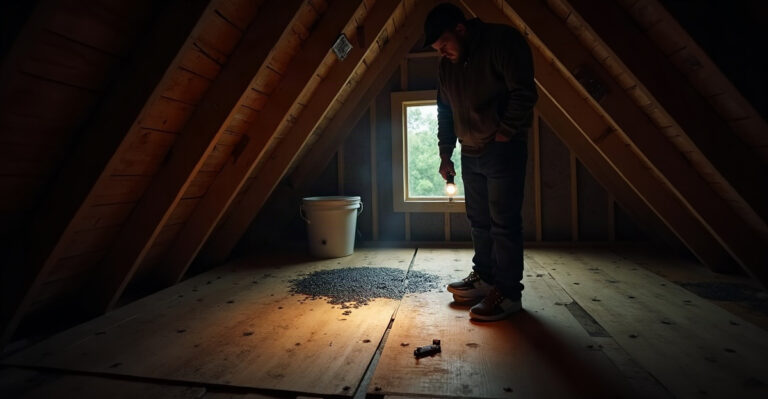
Hidden conditions may also change the schedule after tear-off. These can include rotten roof decking, rot, structural concerns, ventilation deficiencies, flashing repairs, or chimney repairs. A reputable contractor should document the condition, provide photos or a clear explanation, discuss the recommended repair and cost impact, obtain approval when required, and update the schedule.
Material availability and roofing permit requirements can add steps before or after installation. Seasonal demand may limit available dates as well. Reviewing when to replace a roof in Idaho can help homeowners plan around weather and scheduling patterns.
What to Expect on Roof Replacement Day
Homeowners can usually stay home during a roof replacement. Still, roof replacement noise and vibration can be substantial during tear-off and installation. Remote work, naps, pets, and young children may need alternate arrangements for the day.
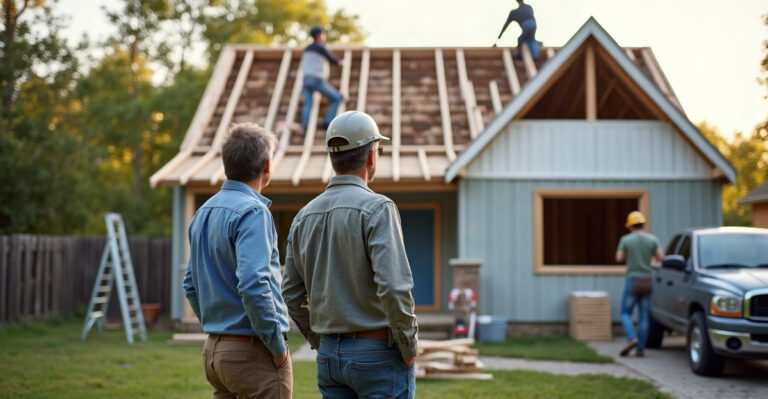
Crews typically arrive, set up safety measures and property protection, stage materials, begin tear-off work, inspect the decking, and install the new roofing system. Debris handling and cleanup continue throughout the project. If we discover an unexpected condition, we should explain it promptly and document any approved repair, cost change, and schedule impact.
Roof replacement driveway access should be discussed before work begins. Delivery trucks, crew vehicles, trailers, and dumpsters may affect parking or temporarily limit driveway use. We also plan protection for landscaping, patios, decks, outdoor furniture, and other exposed areas.
At the end of the workday or project, cleanup should include debris removal and a magnetic nail sweep. During the final walkthrough, we confirm the completed scope, cleanup status, homeowner questions, and any remaining final inspection steps. Homeowners considering their options can also review overlay versus tear-off options before committing to a project plan.
How Homeowners Can Prepare and Keep the Project Moving Smoothly
Early communication prevents many avoidable delays. Before preparing for roof replacement day, let us know about shared driveways, gates, parking restrictions, pets, sprinkler systems, landscaping features, or access concerns. Review the written scope before work begins, including material selections, roof replacement payment timing, cleanup expectations, and change-condition procedures.
Roof Replacement Preparation Checklist
Before the crew arrives, take these practical steps:
- Move vehicles out of the garage and driveway.
- Secure pets indoors or arrange off-site care if activity will be stressful.
- Remove wall hangings or fragile items if vibration is a concern.
- Cover or move patio furniture, grills, and outdoor decorations.
- Identify sprinkler heads, landscaping features, and other areas needing protection.
- Plan for remote work, naps, children, or other activities affected by noise.
- Make sure crews can access gates and exterior power if needed.
- Ask where delivery trucks, trailers, dumpsters, or debris containers will be placed.
Keep children, pets, and visitors away from active work areas. Roofing crews need clear access and safe work zones throughout the project. Reviewing common roof replacement mistakes can also help homeowners avoid preventable preparation issues.
Questions to Ask About the Timeline and Common Homeowner Concerns
Asking direct questions helps establish a realistic roof replacement timeline. Ask about the expected start window and estimated on-roof work time. Confirm what conditions could change the schedule, how weather delays will be communicated, when materials will arrive, where they will be placed, and who will serve as the main project contact.
Ask how rotten decking and other change conditions will be documented and approved. Confirm how the property will be protected and cleaned each day. It is also important to ask whether permits or inspections are needed for the project scope and what the final walkthrough includes. These are essential questions to ask a roofing contractor before approving work.
Can a Roof Really Be Replaced in One Day?
A straightforward asphalt-shingle home may be completed in as little as one day under favorable conditions. That does not include planning, scheduling, material ordering, or final walkthrough steps.
How Long Does It Take to Get a Roof Replacement Scheduled?
Timing varies based on material availability, weather, crew capacity, seasonal demand, permits where applicable, and project complexity.
Can Roofers Work in Rain, Snow, Wind, or Cold Weather?
Weather can affect safe installation, scheduling, and material handling. Work should not proceed in unsafe or unsuitable conditions.
What Happens If the Roofer Finds Rotten Decking?
The contractor should document the condition, explain the recommended repair and cost impact, seek approval when required, and update the schedule.
Do Homeowners Need to Leave During a Roof Replacement?
Usually not, but homeowners should plan for significant noise and vibration.
How Long Will the Driveway Be Affected?
This depends on material delivery, crew parking, trailer or dumpster placement, and access needs. Confirm the site plan before work begins.
How Can Homeowners Identify a Realistic Project Timeline?
Look for a written roof replacement scope, clear scheduling communication, transparent discussion of weather and hidden conditions, documented change procedures, property-protection plans, and a defined final walkthrough.
If you are planning a roof replacement in southwestern Idaho, schedule a professional roof inspection and ask for a written scope and project timeline based on your home, roofing material, and scheduling needs.