7 Signs You Need a Roof Replacement
Recognizing the signs we need a new roof early helps us prevent interior water damage, structural decay, and repeated repair expenses, especially in southwestern Idaho’s demanding climate. In this guide, we outline seven clear warning signs that show a full roof replacement often makes more financial and structural sense than continued repairs. We base these insights on visible wear, structural red flags, and overall roof age.
Key Takeaways
- Widespread granule loss, curling, cracking, or missing shingles usually signals system-wide aging rather than isolated damage.
- Recurring leaks, attic moisture, or visible daylight through roof boards often point to deeper underlayment or decking failure.
- Sagging rooflines and long-term moss growth or moisture retention indicate structural weakening that typically calls for full replacement.
- Asphalt shingle roofs in Idaho generally last 18–25 years, though regional climate conditions often speed up wear.
- A professional roof inspection gives us documented findings that clarify whether repair or replacement delivers the strongest long-term value.
Clear Warning Signs That Indicate It May Be Time for a Roof Replacement
Significant roof issues often show up long before a major failure happens. Recognizing the signs you need a new roof early helps us avoid emergency repairs, interior damage, and unexpected costs.
Below are seven of the most common roof damage signs we see across southwestern Idaho, along with what they mean structurally and whether repair is still a reasonable option.
Significant Granule Loss
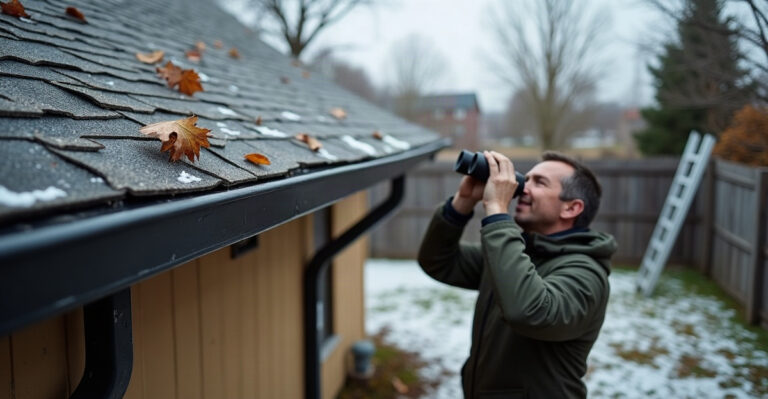
From the ground, granule loss often looks like shingles that appear bald, patchy, or shiny. We may also notice gutters filled with asphalt granules. Inside the home, signs are less visible at first, but aging shingles often accompany minor leaks during heavy rain.
Structurally, granules protect shingles from UV rays and weather exposure. Once they wear off, shingles deteriorate much faster.
If granule loss is isolated to one area, localized repair may help. However, widespread granule loss across multiple slopes is one of the strongest roof lifespan warning signs. On an aging roof, uniform wear typically signals that replacement is approaching.
Curling, Cracking, or Missing Shingles
Curling edges, cracked tabs, and shingles blown off after windstorms are common old roof problems. From the attic, we may notice light penetration or moisture intrusion near affected areas.
Shingles curl or crack when they become brittle. Once they lose flexibility, they no longer seal properly. In Idaho’s wind and freeze-thaw cycles, recurring shingle failure often indicates deeper system-wide aging.
A few missing shingles can usually be addressed with targeted roof repair. When cracking and curling appear across large sections, deciding when to replace roof systems becomes clearer. Broad deterioration usually means replacement is the better long-term investment.
Frequent or Recurring Leaks
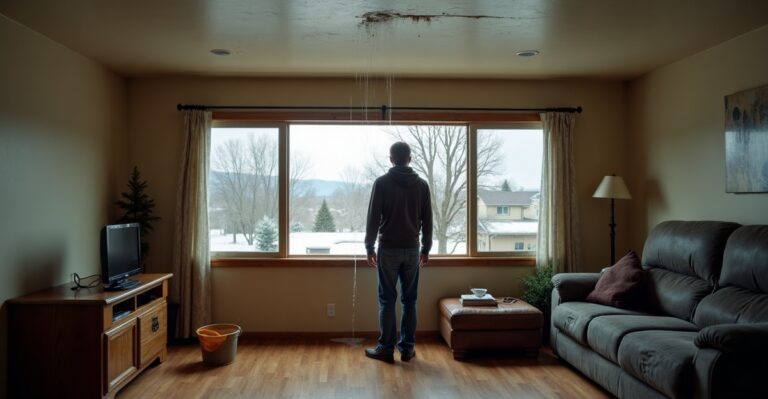
Ceiling stains that return after storms or snowmelt are obvious warning signs. Inside the attic, we may see damp insulation, drip marks, or mold growth.
Repeated leaks often point to underlayment breakdown or compromised decking. If patchwork repairs have already been attempted in the same areas, that’s one of the clearest signs you need a new roof instead of another short-term fix.
Isolated flashing problems may still be repairable. Consistent water intrusion in multiple locations typically calls for full replacement.
Sagging Roof Deck
A sagging roofline or visible dips along ridges and eaves signal structural concerns. From inside, we may notice uneven decking or water-stained sheathing.
Sagging usually indicates moisture damage that has weakened decking or even structural supports. This isn’t cosmetic. It requires evaluation and nearly always leads to tear-off and replacement rather than surface repair.
Widespread Moss Growth or Persistent Moisture
Green moss patches, dark streaks, or roof areas that remain damp long after rain are visible from the ground. Inside the attic, excess humidity or poor airflow often accompanies these conditions.
Moss traps moisture against shingles. Over time, trapped moisture accelerates breakdown and can seep beneath the shingle layer.
Early-stage moss can sometimes be cleaned. However, long-term moisture retention across large sections is a strong indicator of old roof problems beneath the surface.
Daylight in the Attic or Interior Stains
Any visible daylight through roof boards is a direct penetration point. Brown or yellow ceiling stains also point to active water entry.
Structurally, this means the roofing system has been compromised. Flashing failures around vents or chimneys may be repairable if isolated. Multiple visible entry points across the roof usually justify replacement.
Roof Age Nearing or Exceeding Expected Lifespan
In southwestern Idaho, typical asphalt shingle lifespan ranges from 18–25 years depending on ventilation, installation quality, and maintenance. Roof orientation, sun exposure, and storm activity can shift that range.
A roof nearing or exceeding that window while also showing several roof damage signs becomes less cost-effective to maintain. Even if leaks haven’t started, combined roof lifespan warning signs often indicate replacement is the smarter long-term decision.
When to Replace Roof vs. Repair: Practical Decision-Making Factors
Homeowners frequently ask us when to replace roof systems instead of repairing them again. The right choice depends on objective conditions, not just age alone.
We evaluate several key factors:
- Extent of damage: Is the issue isolated or spread across multiple slopes?
- Roof age: Is it within or beyond the 18–25 year asphalt shingle range?
- Repair history: Have the same areas required repeated fixes?
- Cost comparison: Are repeated repairs approaching the cost of replacement?
- Property value: Will ongoing roof concerns affect resale or insurability?
Minor, localized roof damage signs don’t automatically require full replacement. Strategic repairs remain appropriate for newer roofs or single-event damage.
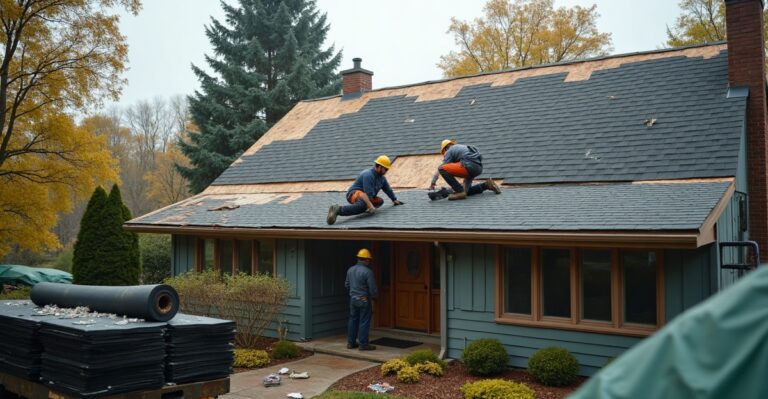
However, widespread granule loss, structural sagging, or chronic leaks on an older system often shift the balance. In those cases, a professional roof replacement provides long-term stability and better value.
We recommend a written inspection report with clear findings before making any decision. Objective documentation removes guesswork and allows us to compare short-term and long-term costs.
For homeowners evaluating cost considerations, we break down detailed pricing factors in our guide on roof replacement cost in Idaho.
How Idaho’s Climate Accelerates Roof Lifespan Warning Signs
Southwestern Idaho presents unique roofing challenges. Heavy snow loads in winter place sustained weight on decking and shingles. Freeze-thaw cycles expand trapped moisture and accelerate cracking.
High winds lift weakened shingles. Intense summer heat increases UV breakdown. Seasonal smoke exposure can also reduce reflective performance and surface protection.
Ventilation plays a major role. Poor attic airflow traps heat in summer and moisture in winter. That cycle shortens shingle lifespan and contributes to many old roof problems we identify during inspections.
Manufacturer labels may state longer life expectancies, but realistic performance depends on installation quality, ventilation design, and consistent maintenance. In our service areas—including Boise, Meridian, Eagle, Kuna, Nampa, Caldwell, Middleton, Mountain Home, and McCall—we regularly see climate-related wear appear before the upper end of the 25-year range.
Proper installation and ventilation during new roof construction significantly improve long-term durability.
What a Professional Roof Inspection Should Reveal
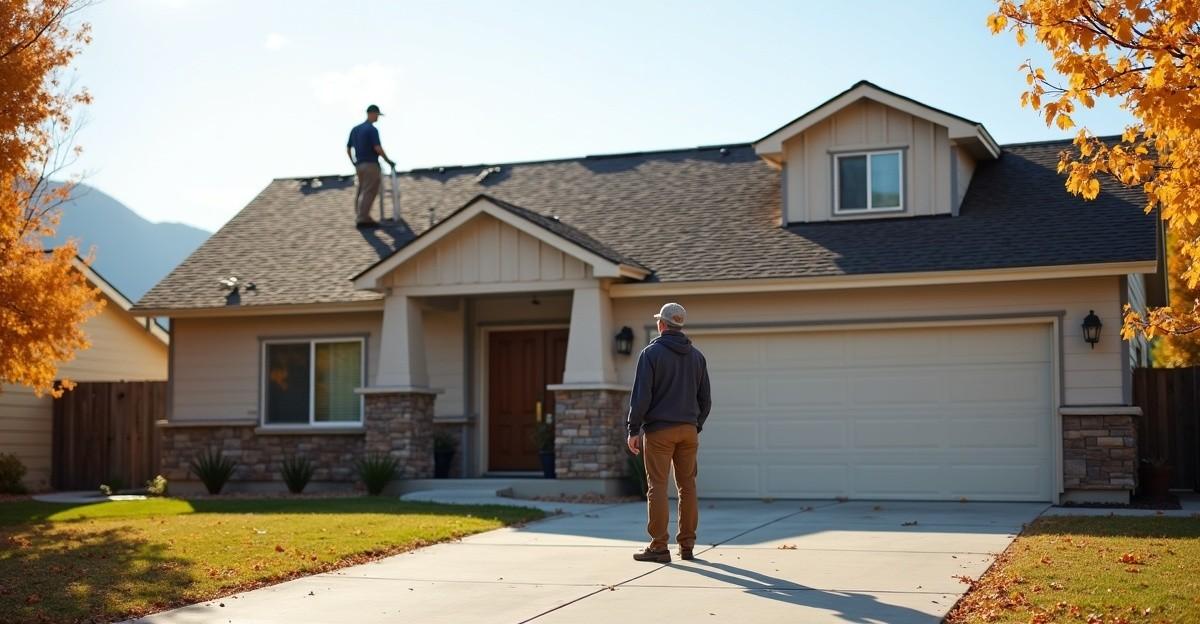
A qualified inspection evaluates the entire roofing system, not just surface shingles.
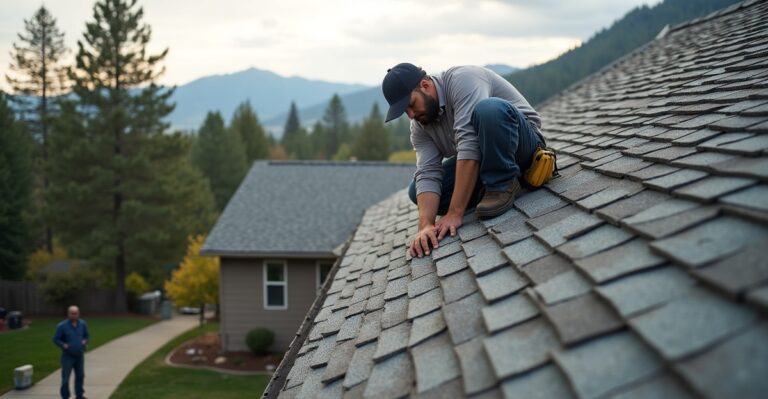
We assess exterior shingle condition for curling, cracking, granule loss, and storm damage. Flashing around chimneys, vents, skylights, and valleys receives close review. We inspect decking and underlayment integrity wherever accessible.
Inside the attic, we examine ventilation, insulation condition, and moisture presence. These factors often explain roof lifespan warning signs that homeowners can’t see from the ground.
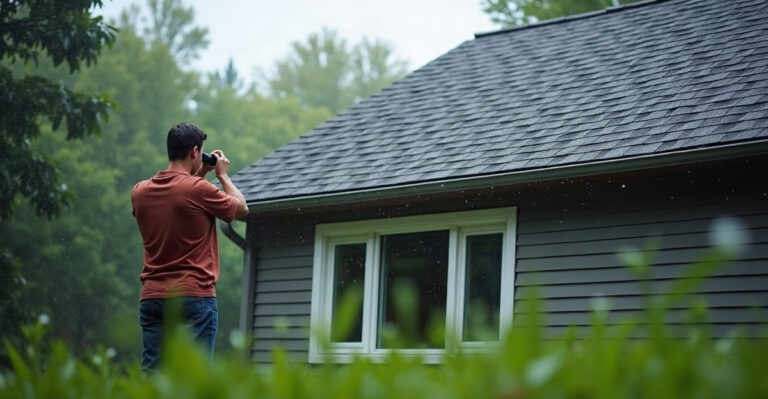
Homeowners can safely observe visible sagging, missing shingles, gutter granules, and ceiling stains. Climbing onto the roof or entering tight attic spaces requires proper safety practices and experience.
Transparency matters during this process. We provide clear communication, written estimates, documented findings, and straightforward recommendations. There are no hidden fees or surprise add-ons.
As a local, veteran-owned, family-operated company, we focus on long-term trust. Homeowners can review examples of completed work on our project gallery or explore our full range of roofing services to understand available options.
Common Questions Homeowners Ask About Roof Replacement
How long does a roof last in Idaho?
Asphalt shingles in southwestern Idaho typically last 18–25 years depending on ventilation, installation quality, and maintenance. Climate exposure, roof pitch, and sun direction all influence that range.
Once a roof approaches the upper end of its lifespan and shows multiple signs you need a new roof, replacement becomes increasingly practical.
Can we replace just part of the roof?
Partial replacement is possible in certain cases, especially if damage is isolated from a specific storm event. Matching materials on older roofs can be difficult due to fading and discontinued product lines.
If widespread roof damage signs exist across multiple slopes, replacing the entire system usually offers better long-term performance and visual consistency.
Is it better to repair or replace an old roof?
The answer depends on age, extent of leaks, granule loss, and structural condition. A single flashing failure on a 10-year-old roof supports repair. Chronic leaks, sagging sections, and uniform deterioration on a 20-year-old roof generally support replacement.
We always recommend starting with a professional inspection. Clear documentation helps determine whether targeted repairs will extend service life or whether full replacement makes better financial sense.
Homeowners who notice multiple roof lifespan warning signs can request an inspection or estimate through our contact page. We focus on honest guidance, practical options, and solutions that fit the condition of the home—not pressure or sales tactics.