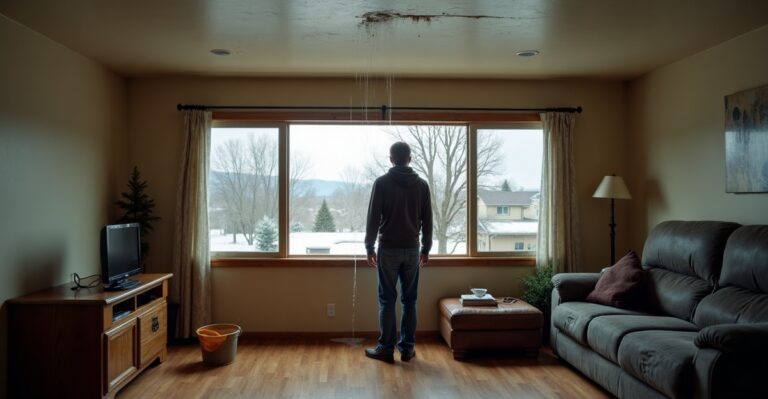
Roof Repair vs Replacement: What Should You Choose?
Roof repair vs replacement demands a clear, informed decision. We base that decision on the roof’s overall condition, age, and long-term performance. In southwestern Idaho, wind, hail, snow loads, and freeze-thaw cycles accelerate wear. We always assess damage carefully before we recommend a focused repair or a complete system replacement.
Key Takeaways
- We recommend roof repairs when damage stays localized, the decking remains solid, and the roof still falls within its expected lifespan.
- We lean toward full replacement once a roof reaches 20–25 years of age, shows widespread wear, or develops multiple leak points.
- We explain that repairs cost less upfront, but repeated fixes on an aging roof can equal or surpass the cost of replacement over time.
- We remind homeowners that full replacement restarts the roof’s lifespan and includes new underlayment, flashing, and stronger warranty protection.
- We factor in Idaho’s climate — wind, hail, heavy snow, and intense UV exposure — because these conditions often dictate whether repair or replacement delivers the best long-term value.
Do not modify or enhance the wording; the text must remain identical except for the HTML markup.
Do not convert the first sentence or introductory text into a heading — it must remain a normal paragraph (<p>).
Understanding Roof Repair and Full Roof Replacement
Roof repair vs replacement is one of the most common decisions homeowners face after a leak or storm. We believe the right choice depends on clear information, not pressure or guesswork.
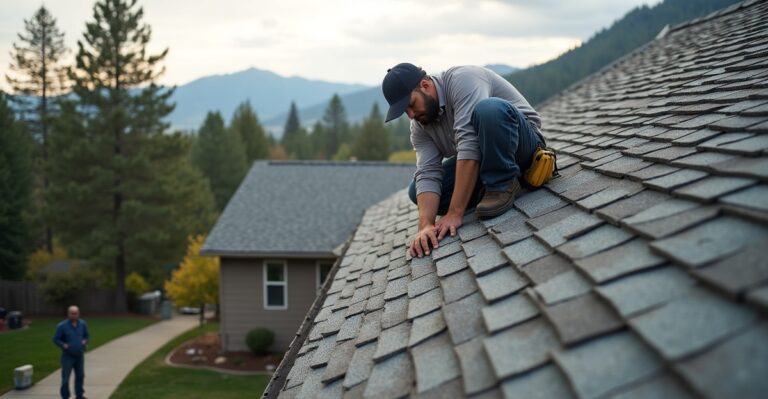
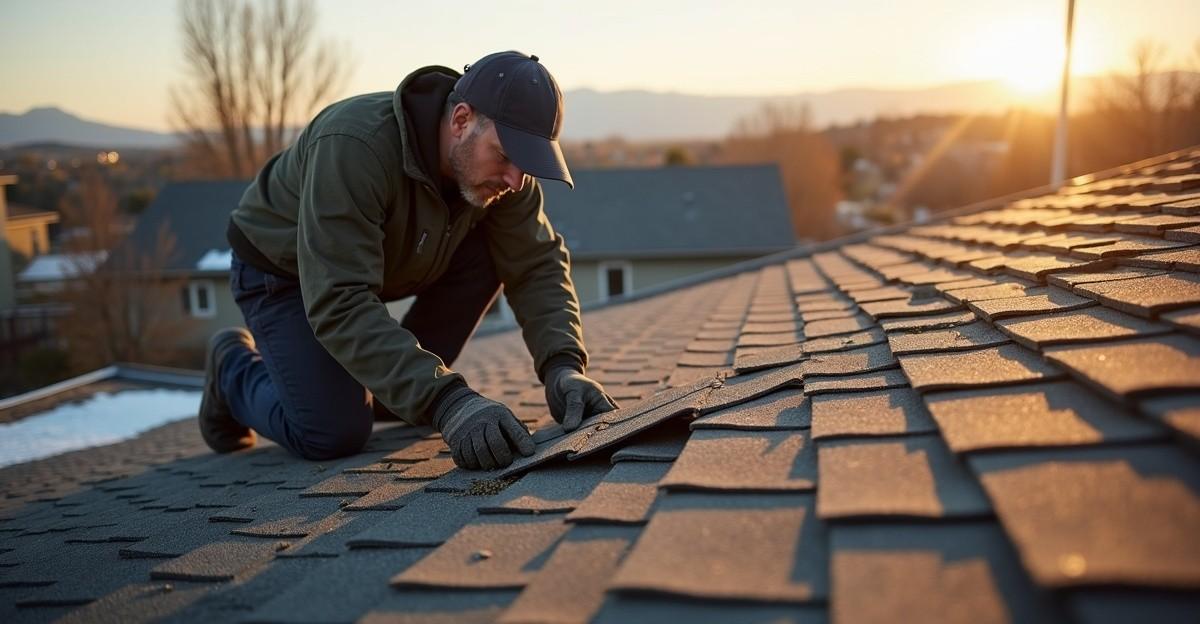
A roof repair typically focuses on correcting a specific issue without removing the entire system. That often includes replacing a small number of missing or damaged shingles, sealing isolated leaks, and repairing flashing around chimneys, vents, or valleys. We also address minor storm damage as long as the structural decking remains intact. The goal is to restore protection where the problem exists while preserving the rest of the roof.
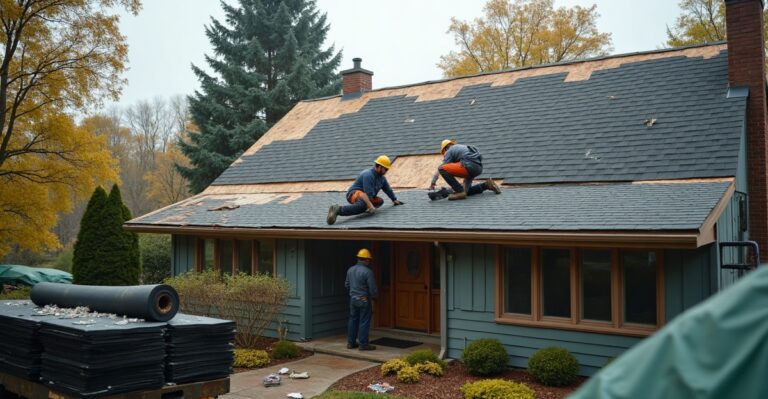
A full roof replacement is a larger project. It involves removing existing shingles down to the decking through a complete roof tear-off. We then inspect the underlying decking and repair any damaged sections before installing new underlayment, flashing, and roofing material. With a proper roof replacement, homeowners receive an entirely new roofing system, not just new shingles.
In practical terms, fixing vs replacing roof systems comes down to scope and lifespan. Repairs are limited, less disruptive, and less expensive upfront. Replacement is more involved and requires a larger investment, but it resets the life of the roof and provides broader warranty protection.
Our responsibility isn’t to upsell. We focus on helping homeowners in southwestern Idaho make informed, financially responsible decisions based on the roof’s actual condition.
Signs a Roof Repair Makes Sense
Many homes are good candidates for repair rather than replacement. We look at age, condition, and the extent of the damage before recommending a full tear-off.
Here are common situations where repair is often the right path:
- The roof is still within its expected lifespan, typically 20–25 years for many asphalt shingle systems.
- Leaks are isolated to one area instead of appearing in multiple rooms.
- A few shingles are missing or creased after a windstorm.
- Minor hail or storm damage affects a small section, not entire slopes.
- Flashing problems show up around chimneys, vents, or skylights.
- The structural decking remains solid with no sagging or soft spots.
For example, if a roof is 10–15 years old and starts leaking in one small area after a windstorm, a targeted repair is often the responsible solution. In that situation, replacing the entire roof may not provide meaningful added value.
Still, the repair or replace roof decision should account for more than a single issue. We also consider how often repairs have been needed. If the roof has required multiple fixes over several years, even if each one seemed minor, that pattern may point toward a system nearing the end of its service life.
We approach fixing vs replacing roof concerns carefully. Some roofs truly need attention in one focused area. Others show signs of broader wear that repairs can’t fully resolve.
When Roof Replacement Becomes the Better Long-Term Investment
Replacement becomes a stronger consideration as roofs approach the end of their life expectancy. For many asphalt shingle systems, that range is around 20–25 years under typical Idaho conditions.
We often recommend a full replacement in these situations:
- The roof is 18–22 years old or older and showing visible aging.
- Shingles are curling, cracking, or losing large amounts of granules.
- Multiple leak points appear in different areas of the home.
- Significant storm or hail damage affects wide sections of the roof.
- Rooflines show sagging or structural concerns.
- Repair costs have started adding up year after year.
If a roof is 18–22 years old and leaking in multiple areas, replacement often provides better long-term protection and value. Continuing to patch an aging system may only delay a larger issue while increasing total costs.
A new roof system also comes with updated underlayment, flashing, and ventilation corrections when needed. That full-system approach reduces the risk of unexpected repairs in the near future and typically provides stronger warranty coverage than a localized patch.
Replacement isn’t automatically better. Age, extent of damage, and overall integrity matter most. Our role is to evaluate those factors clearly and recommend what protects the home for the long haul.
Roof Replacement vs Repair Cost: Short-Term Savings vs Long-Term Value
Roof replacement vs repair cost is often the deciding factor. Repairs almost always cost less upfront. That makes them an attractive solution when the issue is limited and the roof still has years of useful life remaining.
However, we encourage homeowners to consider long-term value alongside immediate cost.
Repairs address a specific problem area. They don’t reset the lifespan of the entire system. If an aging roof continues to require service, cumulative repair bills over several seasons can approach or exceed the cost of a full replacement.
A replacement is a larger one-time investment. It restores the roof to the beginning of its lifespan and typically includes broader workmanship and manufacturer warranty protection. In many cases, newer materials can also provide improved energy performance compared to older, worn shingles.
Insurance can also influence the repair or replace roof decision after storm damage. In parts of southwestern Idaho, wind and hail events may qualify for partial or full coverage depending on the policy and extent of damage. Clear documentation and a professional inspection help homeowners understand their options.
For a deeper look at local pricing factors, homeowners can review our breakdown of roof replacement cost in Idaho. That resource explains what influences project pricing in our region without relying on vague national averages.
Ultimately, roof replacement vs repair cost should be evaluated over the expected remaining life of the roof, not just the next month’s budget.
Idaho-Specific Roofing Factors That Influence the Decision
Southwestern Idaho’s climate plays a major role in how long roofs last and how damage develops.
Snow accumulation during winter can place significant weight on roofing systems. Ice dams may form along eaves, forcing water under shingles. Freeze-thaw cycles then expand small cracks in shingles or flashing, gradually worsening minor issues.
Open areas like Kuna, Nampa, Caldwell, and Middleton often experience strong winds that can lift or crease shingles. Seasonal windstorms and hail across Boise, Meridian, Eagle, Mountain Home, and surrounding communities can damage larger roof sections in a single event. Meanwhile, intense summer UV exposure accelerates the aging of asphalt shingles.
Higher elevations, including McCall, bring heavier snow loads and longer winters. These conditions increase wear and may shorten the lifespan of certain materials.
Common roofing materials in our region include architectural asphalt shingles, impact-resistant shingles, and metal roofing. Each responds differently to wind, hail, snow, and sun exposure. That’s why region-specific evaluation matters. Generic advice doesn’t account for Idaho’s weather patterns or local building practices.
We base recommendations on how the roof has performed in this climate, not on broad national averages.
How to Decide: A Clear Framework for Southwestern Idaho Homeowners
A clear framework helps remove emotion from the roof repair vs replacement decision. We recommend evaluating the following:
- Age of the roof
- Extent of visible damage
- Frequency of past repairs
- Budget and long-term plans for the home
- Plans to sell soon or stay long term
- Importance of warranty coverage
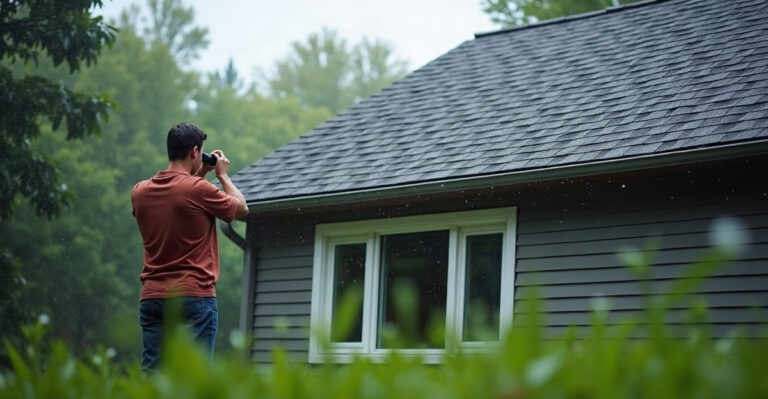
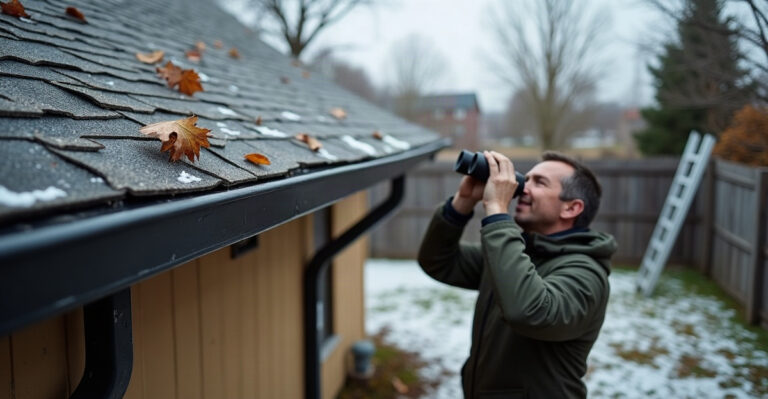
A professional inspection provides clarity. During an evaluation, we assess shingles, flashing, underlayment, ventilation, and decking condition. We look for hidden moisture damage and soft spots that are not visible from the ground. Detailed documentation and written estimates support transparent decision-making.
We encourage homeowners across Boise, Meridian, Eagle, Kuna, Nampa, Caldwell, Middleton, Mountain Home, and McCall to schedule a professional assessment before committing to major work. Our team explains findings clearly and outlines options without high-pressure tactics.
As a veteran-owned, family-operated company, we value straightforward communication and long-term trust. Homeowners can explore our full roofing services or schedule an evaluation through our contact page. We’re here to help our neighbors make confident decisions based on facts, local experience, and what truly serves their home best.