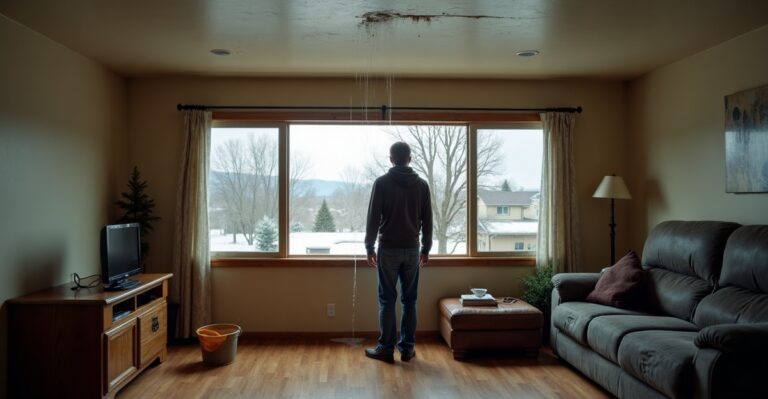
Is Metal Roofing Good for Snow and Winter?
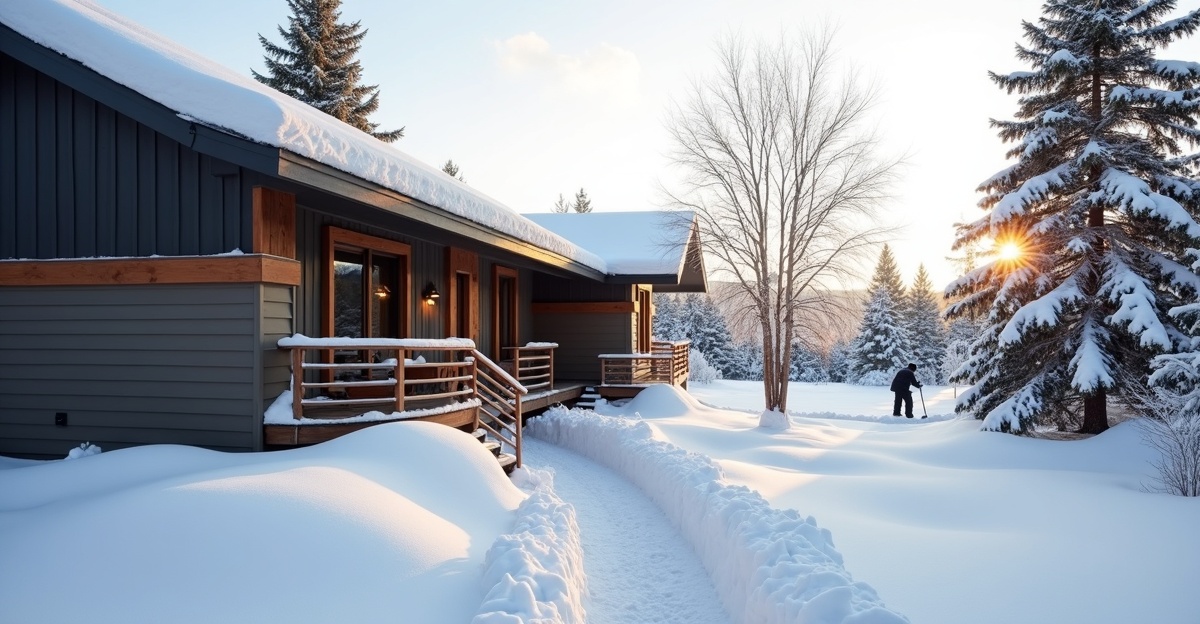
Metal roof snow performance plays a central role in determining whether metal roofing works well for snow and winter conditions, especially across Idaho’s mix of valley and mountain climates. We see that, compared to asphalt shingles, properly installed metal panels shed snow more efficiently, reduce long-lasting structural stress during freeze-thaw cycles, and deliver consistent cold-weather durability when we support them with proper insulation and ventilation.
Key Takeaways
- Metal roofs shed snow more efficiently than asphalt shingles due to their smooth surface, which reduces how long heavy snow loads stay on the structure.
- Freeze-thaw cycles common in Idaho loosen snow on metal panels, though roof pitch, sun exposure, and installation quality all influence release timing.
- Snow can slide off in large sheets, so we often recommend snow guards above entryways, driveways, and walkways to control snow release.
- Ice dams usually result from attic heat loss and poor ventilation rather than the metal roofing material itself.
- We rely on proper insulation, balanced ventilation, waterproof underlayment, and professional installation to deliver dependable winter performance.
Metal Roof Snow Performance Compared to Asphalt Shingles in Idaho Winters
Metal roof snow performance matters in real Idaho winters. Conditions in Boise, Meridian, Nampa, Caldwell, Eagle, Kuna, Middleton, and Mountain Home differ from higher-elevation areas like McCall, yet snow behavior on roofing materials follows the same basic principles.
Metal panels shed snow more efficiently than traditional asphalt shingles. Asphalt has a textured, granular surface that tends to grip and hold snow longer. Metal panels are smooth. As temperatures shift, snow often loosens and slides off metal more readily than it does off shingles.
In heavy snow areas such as McCall, that difference becomes more significant. Prolonged snow retention increases roof weight and structural stress. Snow load is calculated based on how much weight a structure can safely support. The longer snow sits on a roof, the longer that structural load remains in place.
A metal roof doesn’t eliminate snow load, but it can reduce how long that load lingers on the structure. Asphalt shingles, especially aging ones, commonly hold snow in place through multiple freeze-thaw cycles. In contrast, properly installed metal tends to respond more predictably as temperatures warm during the day and cool at night.
Metal isn’t perfect. Installation quality, roof pitch, fastening systems, and underlayment all play a role. However, in many winter roofing Idaho scenarios, metal offers more consistent cold-weather performance than older shingle systems that are cracked, curling, or worn. When homeowners are already evaluating a roof replacement, it’s worth comparing how different roofing materials handle snow over time.
How a Snow Shedding Roof Works in Freezing Temperatures
A snow shedding roof uses smooth metal panels, interlocking seams, and adequate pitch to encourage snow to release as temperatures fluctuate. The smoother the surface, the easier it is for gravity to do its job once melting begins.
Roof pitch plays a direct role in snow release. Steeper roofs shed snow faster because gravity pulls the snowpack downward once the bond between the roof surface and the snow weakens. On lower-pitched roofs, snow still sheds, but the process may be slower and more gradual.
Idaho’s common freeze-thaw cycles help loosen snow from metal surfaces. Sunny winter days warm the metal panels. That warmth can melt the bottom layer of snow in contact with the roof. As temperatures drop overnight, refreezing may occur. Over time, this melting and loosening often leads to controlled sliding, especially once the snowpack gains enough mass.
Snow does not instantly fall off a metal roof. Release depends on sun exposure, temperature swings, roof pitch, and accumulated weight. In shaded areas, snow may remain longer. On south-facing slopes, release typically happens sooner.
This reduced retention may lower long-term structural load compared to shingle systems that trap snow within their textured surface. Still, proper underlayment and professional installation are critical. During melt periods, water must flow safely off the roof without backing up. Ice and water barriers, sealed fasteners, and correct flashing details help prevent leaks as snow transitions to water.
Winter Benefits: Structural Load, Durability, and Longevity
Faster snow shedding can reduce prolonged structural loading. Even if total snowfall remains the same, the duration of weight on the framing often differs between materials. Shorter load periods place less long-term stress on decking and supports.
Durability is another factor. Metal roofing generally resists cracking, curling, and granule loss that commonly affect aging asphalt shingles. In cold temperatures, some shingle products become stiff and more vulnerable to damage. Metal does not become brittle in the same way, making it less prone to surface breakdown during deep freezes.
Freeze-thaw cycles are part of winter roofing Idaho reality. Daytime sun followed by overnight freeze can stress seams, fasteners, and flashing. Properly installed metal systems tend to handle these cycles consistently because panels expand and contract in predictable ways.
Longevity also plays into long-term value. While we avoid inflated claims about lifespan, metal roofs often serve homeowners well for decades with the right installation and maintenance. For those comparing materials, our metal roofing pros and cons for Idaho homes guide breaks down practical considerations.
Cost is part of the decision. Metal typically requires a higher upfront investment than basic asphalt shingles. However, for homeowners planning to stay long term, reduced maintenance, improved durability, and steady winter performance can offset those costs over time. Installation quality remains the deciding factor. Even the best material will fall short if fastening patterns, trim details, or underlayment systems are installed incorrectly.
Potential Drawbacks and Metal Roof Ice Issues Homeowners Should Understand
Metal roofs shed snow efficiently, but that creates its own considerations. Snow can release in sheets, especially after a sunny winter day. Large sliding sections may pose risks over entryways, driveways, walkways, and patios.
In high-traffic areas, we often recommend snow guards or snow retention systems. These devices help control the release of snow, breaking it up into smaller sections or holding it in place until it melts gradually. Layout and placement matter, especially above doors, garage aprons, and pedestrian paths.
Metal roof ice issues can still occur. Ice dams are not caused by metal itself. They typically form when heat escapes from the attic, melts snow near the ridge, and refreezes at the colder eaves. The roofing material sits above this process. If insulation and ventilation are inadequate, ice dams can develop on shingle and metal roofs alike.
Noise is another concern homeowners raise. Rain or hail on bare metal can sound loud. In residential systems installed over solid decking with proper underlayment and attic insulation, winter storm noise is usually moderate and comparable to other roofing types.
Metal roofs also don’t eliminate maintenance. Fasteners, flashings, and sealants should be inspected periodically. Improper installation can still lead to leaks, especially around penetrations and valleys. If leaks occur, timely roof repair helps prevent further interior damage.
The Critical Role of Insulation, Ventilation, and Professional Installation
Attic insulation and ventilation directly affect winter performance. Insulation slows heat transfer from the living space into the attic. Ventilation allows cold outside air to circulate beneath the roof deck. Together, they help maintain more consistent temperatures across the roof surface.
Balanced ventilation reduces uneven warming that causes melting and refreezing along the eaves. Proper intake and exhaust airflow keeps the deck colder in winter, which helps prevent premature snow melt that leads to ice buildup.
Waterproof underlayment plays an essential role in valleys and along eaves where ice accumulation is most common. In heavy snow regions, we install ice and water barriers in vulnerable areas to provide extra protection during freeze-thaw cycles.
Fastening systems and flashing details also matter in snow-prone communities like McCall. Snow load awareness is part of responsible construction. Structural framing must meet local building requirements, particularly at higher elevations where snowfall totals are greater than in the Boise Valley.
Routine inspections add another layer of protection. A thorough roof inspection before winter or after a heavy snow season can identify loose flashings, worn sealants, and ventilation problems early. Addressing small issues promptly reduces the risk of larger winter-related repairs.
Is Metal Roofing the Right Fit for Your Southwestern Idaho Home?
Metal roofing benefits many homeowners, especially those with aging asphalt roofs, visible leaks, or storm-related wear. Families planning to stay in their home long term often appreciate the durability and predictable snow behavior of metal systems.
Properties in the Boise Valley typically experience lighter, shorter snow events than mountain regions. In areas like McCall, where snowfall is heavier and longer-lasting, snow load and roof pitch deserve extra attention. Each property requires a case-by-case evaluation.
We also look at home layout and surroundings. Entry locations, landscaping, decks, and pedestrian paths influence whether snow retention systems are necessary. Roof pitch determines how aggressively snow may slide. Budget, long-term plans, and structural considerations all factor into the recommendation.
Common Questions About Metal Roofs in Winter
- Do metal roofs cause snow to slide off dangerously?
Snow can slide in sheets under certain conditions. Snow guards and retention systems help control release over entryways and high-traffic areas. - Do metal roofs get ice dams?
They can, but ice dams are usually caused by attic heat loss and poor ventilation, not by the roofing material itself. - Are metal roofs too loud during winter storms?
With proper decking, insulation, and underlayment, sound levels are typically comparable to other residential roofing systems. - How much snow can a metal roof handle?
Snow load capacity depends on the home’s structural framing and local building codes. The roof system must be designed and installed to meet those load requirements, especially in higher-elevation areas.
Metal roofing performs well in many Idaho winter conditions, but it’s not a one-size-fits-all answer. We provide clear assessments and straightforward recommendations based on each home’s structure, location, and goals. If we’re considering a metal roof for an Idaho home, we’re ready to evaluate the current system and discuss whether it’s the right fit for the property and budget.