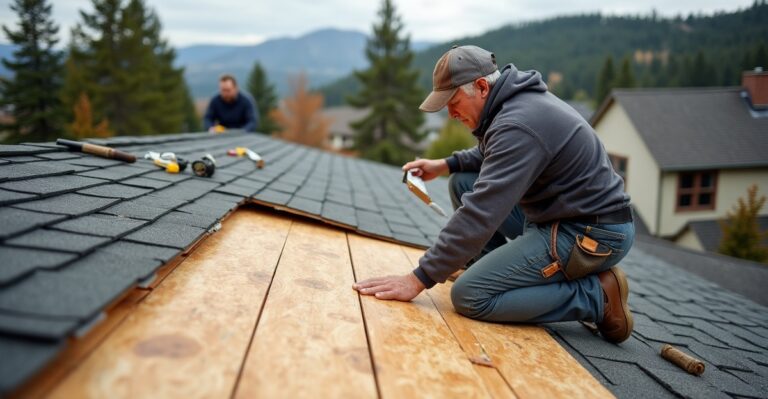
Signs of Hail Damage on a Roof You Should Know
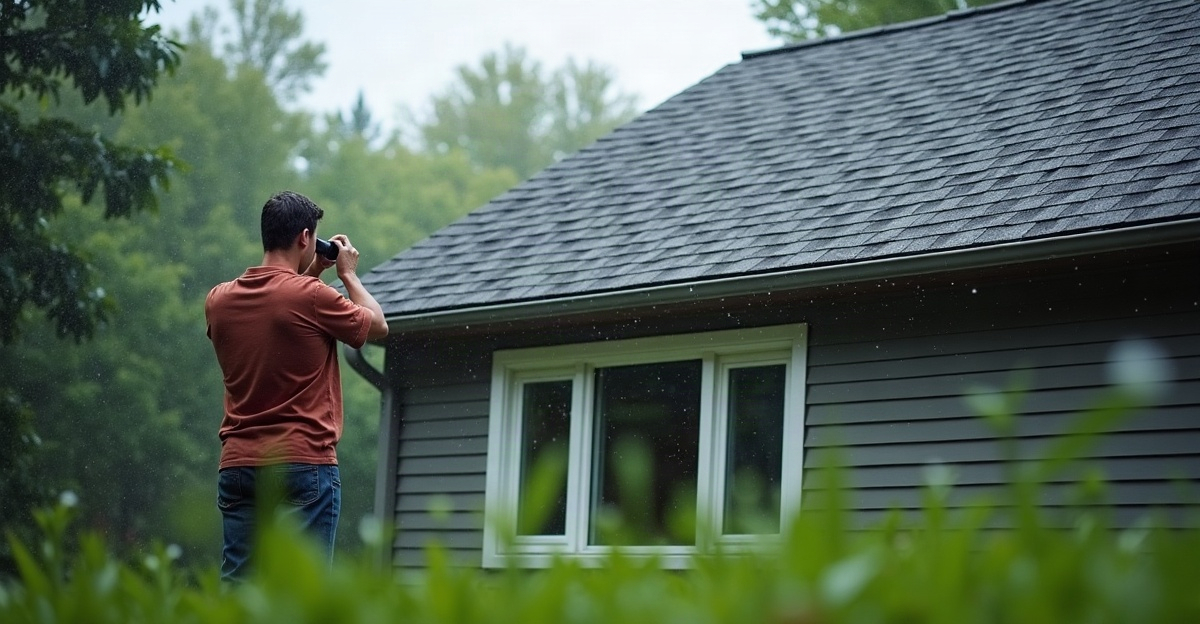
Hail damage on a roof can include dark impact marks, granule loss, cracked shingles, dents, punctures, or damaged seams. The signs vary by roofing material. Normal aging, wind, and debris can leave similar marks. We recommend a safe ground-level review and a professional inspection to determine whether hail caused cosmetic damage or reduced the roof’s ability to shed water.
Key Takeaways
- Asphalt shingles may show random dark spots, bruising, focused granule loss, cracks, exposed asphalt, or missing sections after a hailstorm.
- Metal, tile, wood, and low-slope roofs may develop dents, chipped coatings, fractures, splits, punctures, or seam damage. These issues can reduce water protection.
- Dented gutters, damaged vents, torn screens, ceiling stains, damp insulation, and attic moisture can support a hail-damage concern. However, these signs don’t confirm hail as the cause.
- We should document storm dates, visible damage, hail size, weather alerts, and repair records from safe locations. We shouldn’t walk on the roof to collect evidence.
- We recommend scheduling a professional inspection after leaks, interior moisture, visible roof concerns, collateral storm damage, or any roof that we can’t safely assess from the ground.
What Are the Most Common Signs of Hail Damage on a Roof?
The signs of hail damage on roof surfaces depend on the hail size, wind speed, roof age, material, and angle of impact.
Some damage appears immediately. Other problems may remain difficult to notice from the ground.
A professional inspection through experienced roofing services can help separate storm damage from normal wear, foot traffic, manufacturing marks, or older repairs.
Look for Random Impact Patterns
Hail typically strikes a roof in irregular patterns.
Damage may appear across several slopes rather than in one neat area. However, wind direction can cause one side of the roof to receive more impact than another.
Random marks may include:
- Dark circular spots
- Missing granules
- Small cracks
- Surface dents
- Chipped coatings
- Broken edges
- Punctures
One isolated mark does not always indicate hail damage. Inspectors look at the overall pattern and other storm-related evidence.
Signs of Hail Damage on Asphalt Shingles
Asphalt shingles can respond to hail in several ways.
One common sign is focused granule loss. Hail can knock protective granules away from the shingle surface and expose darker asphalt underneath.
Fresh damage may look different from normal age-related granule loss because the affected area may appear more concentrated.
Check for Bruising or Cracks
Hail can also bruise the shingle mat beneath the visible surface.
Bruising may not be obvious from the ground. In some cases, a shingle may crack after a strong impact.
Damage can become more important when it affects the shingle’s ability to protect the roof deck from water.
If storm damage remains limited to specific sections, professional roof repair may be an option depending on the roof’s overall condition.
Signs of Hail Damage on Metal Roofs
Metal roofing often shows hail differently from asphalt shingles.
Possible signs include dents, dimples, chipped coatings, scratched finishes, or damage around seams and fasteners.
Some dents may be mainly cosmetic. Others can affect joints, coatings, or water-shedding areas.
Inspect Seams and Flashing
Seams, flashing, vents, and other roof penetrations deserve close attention after severe hail.
Damage around these areas may increase the chance of water entry.
A roof may still look generally intact while small vulnerable areas need closer inspection.
Signs on Tile and Wood Roofing
Tile roofing may chip, crack, or fracture after impact.
Some cracks are easy to see, while others may remain hidden beneath overlapping sections.
Wood shakes and shingles can split when hail strikes them.
Watch for Fresh Splits or Broken Edges
Fresh wood damage may expose a lighter interior surface compared with older weathered areas.
Tile damage can include:
- Chipped corners
- Broken edges
- Hairline fractures
- Larger cracks
- Loose pieces
Avoid walking across tile or wood roofs after a storm. Damaged materials may become more fragile and can break under foot traffic.
Check Gutters, Downspouts, and Roof Accessories
Collateral damage around the roof can provide useful clues.
Hail may dent gutters, downspouts, metal vents, flashing, or other exposed components.
Look from the ground for:
- Dented gutters
- Bent gutter guards
- Damaged vent covers
- Cracked skylights
- Chipped exterior paint
- Torn window screens
These signs do not prove the roof itself has hail damage, but they can support the need for a closer inspection.
Look for Interior Signs After a Hailstorm
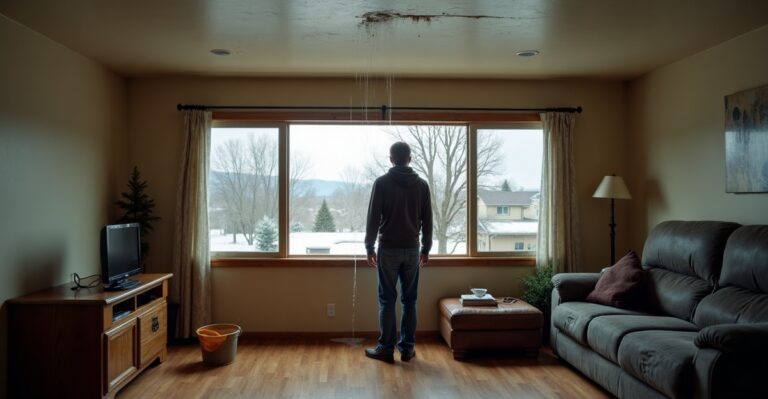
Roof damage may sometimes appear indoors before it becomes obvious outside.
Check ceilings and upper-level walls for new stains, discoloration, or damp areas.
Attics can also reveal moisture problems.
Inspect the Attic Safely
If the attic is safely accessible, look for:
- Damp insulation
- Water stains
- Wet roof decking
- Dripping water
- Musty odors
- Visible daylight through damaged areas
Interior moisture can come from many sources, so do not automatically assume hail caused it.
However, new moisture after a storm deserves prompt attention.
How Hail Damage Differs From Normal Roof Aging
Normal aging can look similar to storm damage.
Older shingles often lose granules gradually. Heat, sun exposure, wind, and foot traffic can also create cracks or worn areas.
Hail damage tends to appear as more concentrated impact marks or irregular patterns.
Compare New and Old Damage
Older damage may look faded, weathered, or worn around the edges.
Fresh hail impact may expose darker asphalt, new metal, or lighter wood underneath the outer surface.
A professional roofer can review the material, damage pattern, weather history, and roof condition together.
This helps avoid assuming every roof defect came from a recent storm.
When Does Hail Damage Require Roof Replacement?
Not every hailstorm leads to full replacement.
The decision depends on the extent of damage, roofing material, roof age, leak history, and condition of the surrounding system.
When widespread damage affects many roofing sections, roof replacement may become more practical than repeated repairs.
Several Factors Affect the Decision
A roofer may consider:
- Number of damaged areas
- Roof age
- Existing wear
- Water intrusion
- Condition of the roof deck
- Previous repairs
- Roofing material availability
The inspection should determine whether the damage affects appearance only or compromises the roof’s performance.
What Happens if the Roof Needs to Be Removed?
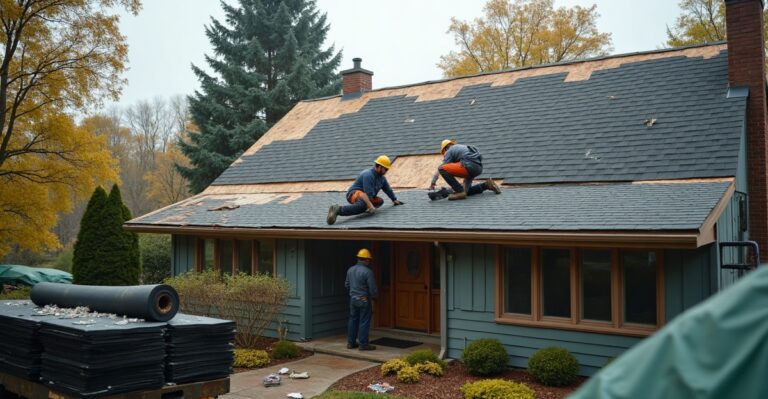
Some damaged roofing systems may require removal before replacement.
A professional roof tear-off allows contractors to remove old materials and inspect the underlying roof deck.
This can reveal hidden moisture, damaged sheathing, or other issues beneath the surface.
Not every project requires the same removal process, so the final plan depends on roof type and condition.
Can Hail Affect a Newly Built Roof?
Yes. A newer roof can still sustain hail damage.
New materials do not make a roof immune to severe weather.
For homes with recent construction, records from the original new roof construction project can help identify the roof’s age, materials, and installation details.
These records can provide useful background when reviewing storm damage.
What Should You Do After a Hailstorm?
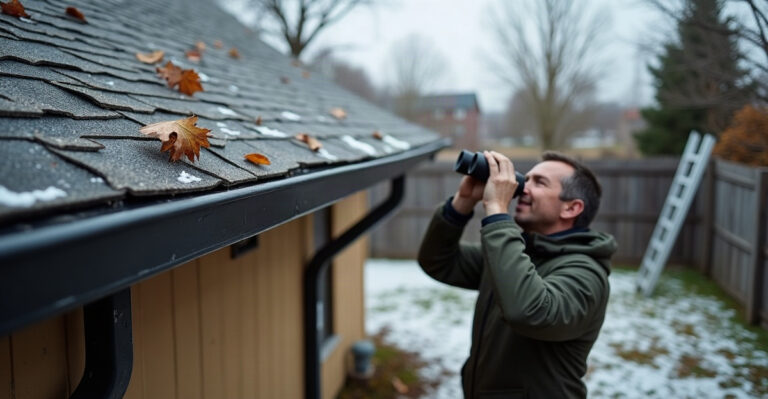
Start with a safe ground-level inspection.
Do not climb onto a wet, steep, or damaged roof.
Document what you can safely see.
Record Useful Information
Write down or photograph:
- Storm date
- Approximate hail size
- Visible roof damage
- Dented gutters
- Damaged siding or screens
- Indoor leaks
- Weather alerts
- Previous roof repairs
Good records can help a roofing professional understand what happened.
Avoid making temporary roof changes unless they are necessary to prevent immediate water entry and can be completed safely.
Why a Professional Roof Inspection Matters
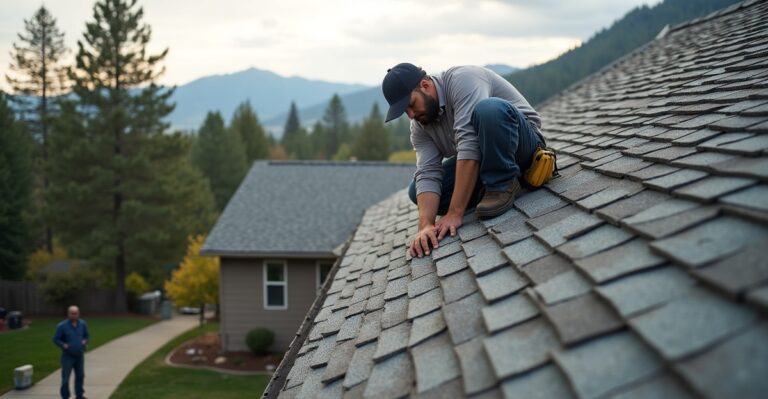
Some hail damage remains difficult to see without training and safe roof access.
A professional roofer can inspect shingles, seams, flashing, vents, penetrations, and other components more closely.
Idaho Roofing Solutions can evaluate visible storm damage and help determine whether the roof needs monitoring, repair, or replacement.
A proper inspection focuses on the condition of the whole roofing system rather than one isolated mark.
Schedule a Roof Inspection After Hail
The signs of hail damage on roof surfaces are not always easy to identify.
Dark spots, dents, cracks, granule loss, and damaged roof accessories may point to hail, but similar damage can come from aging, debris, or other weather conditions.
A safe inspection helps determine whether the roof can continue shedding water properly.
If you notice roof damage, leaks, ceiling stains, gutter dents, or other concerns after a hailstorm, contact us to schedule an inspection.
Frequently Asked Questions About Hail Damage on Roofs
What does hail damage look like on a roof?
Hail damage may appear as dark impact marks, granule loss, bruising, cracks, dents, punctures, chipped surfaces, or damaged seams. The exact signs depend on the roofing material and storm conditions.
Can small hail damage a roof?
Yes. Damage depends on more than hail size. Wind speed, impact angle, roofing material, roof age, and existing condition can all affect how a roof responds to hail.
Can hail damage cause a roof leak?
Yes. Hail can damage shingles, seams, flashing, tiles, or other components that help shed water. Some leaks may appear quickly, while others may become noticeable later.
Should I climb on my roof after a hailstorm?
No. A damaged roof can be slippery or unstable, and walking on it may cause additional damage. Inspect what you can safely see from the ground and arrange a professional inspection when needed.
How soon should a roof be inspected after hail?
Schedule an inspection when you notice visible damage, interior moisture, damaged gutters, or other storm-related concerns. An earlier inspection can help identify problems before additional rain or weather exposes damaged areas.