Early Signs of Roof Water Damage You Should Not Ignore
We often identify roof water damage through new or spreading ceiling stains, active drips, damp attic insulation, or damaged shingles and flashing after rain, snowmelt, or storms. Prompt evaluations help us determine whether moisture comes from the roof, plumbing, ventilation, or condensation before it damages decking, insulation, ceilings, or electrical systems.
Key Takeaways
- We treat active dripping, fast-growing stains, sagging ceilings, visible roof openings, and water near electrical components as urgent issues.
- We look for peeling paint, bubbling drywall, warped trim, musty odors, damp insulation, wet roof decking, and rusted attic fasteners.
- We inspect visible roof areas safely from the ground for missing or curled shingles, damaged flashing, cracked pipe boots, clogged gutters, and storm debris.
- We don’t assume every ceiling stain signals a roof leak; plumbing, HVAC equipment, bathroom exhaust problems, and condensation can create similar signs.
- We document visible damage, move valuables away from water, avoid walking on unsafe roofing, and schedule a professional inspection for active, recurring, or storm-related leaks.
When Possible Roof Water Damage Needs Prompt Attention
Not every ceiling stain or missing shingle requires an emergency response, but certain warning signs need prompt professional attention. Active dripping, rapidly spreading stains, sagging ceilings, visible roof openings, heavy attic moisture, storm damage, water near electrical components, and recurring leaks should never wait.
Roof water damage can begin with a small opening around a shingle, vent, or flashing detail. Without repair, moisture can damage insulation, support mold growth, rot roof decking, stain ceilings, and lead to larger structural repairs. A ceiling stain or drip also may not sit directly below the roof leak source. Water can travel along roof decking, framing, insulation, or wiring before appearing indoors.
Old, small stains that remain unchanged may come from a past issue rather than an active leak. However, an evaluation is recommended if the cause is unknown or if the stain darkens, expands, or returns after rain or snowmelt. This article provides general guidance; a qualified roofing professional should evaluate suspected roof damage.
Indoor Warning Signs Homeowners Should Watch For
Interior changes often provide the first visible clue of roof leak water damage. New, spreading, or darkening stains on ceilings and upper walls deserve attention, especially when they appear after rain, snowmelt, or a storm.
Active drips, damp spots, peeling paint, bubbling drywall, warped trim, and softened ceiling materials can all point to a moisture problem. A musty odor or mold-like growth near a ceiling or in the attic also signals a condition that needs investigation. Moisture can support mold growth, but the actual source should be identified rather than automatically assuming it is a roof leak.
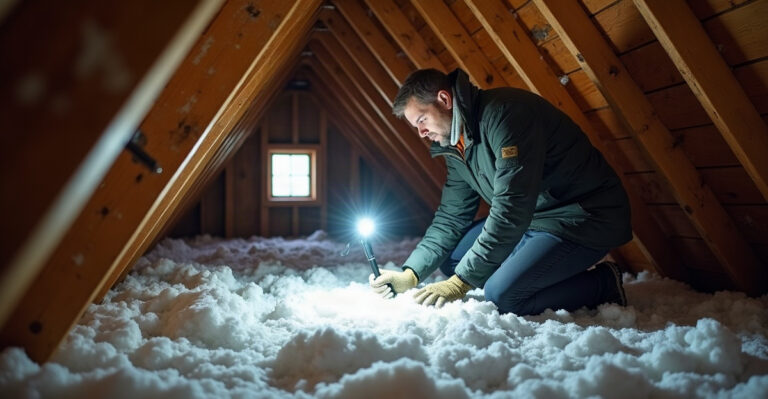
Attic checks can reveal damp, compressed, or discolored insulation; wet roof decking; rusted fasteners; and daylight around roof penetrations. If ceiling material is sagging, treat it as an urgent safety concern. Keep clear of the area, move belongings if it is safe to do so, and arrange professional help promptly.
Common Questions About Interior Moisture
A ceiling water stain does not always mean there is a roof leak. Plumbing leaks, HVAC equipment, bathroom exhaust issues, and condensation can cause similar symptoms. Still, a stain that develops after precipitation makes the roof an important area to inspect.
Roof water damage can contribute to mold conditions if materials remain wet. The appropriate response is to locate and stop the moisture source, dry affected materials correctly, and determine whether insulation, drywall, or wood components need repair. Our roof leak detection guide can help homeowners recognize warning patterns before damage expands.
Exterior Roof Signs to Check Safely From the Ground
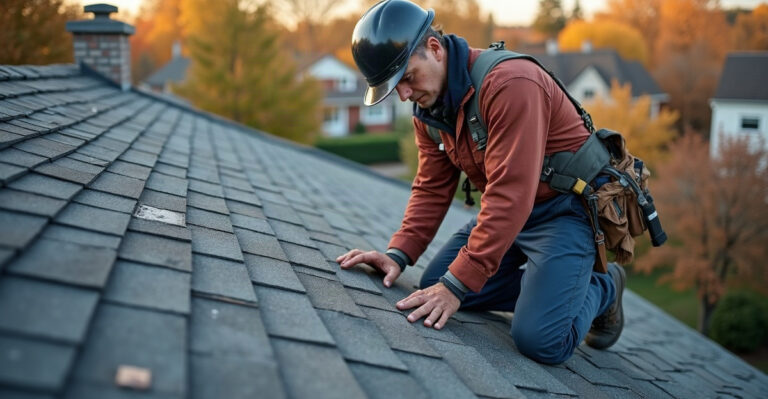
A ground-level review after changing weather can reveal conditions that deserve a closer look. Missing, cracked, curled, lifted, or deteriorated shingles may leave vulnerable areas exposed to water. Granules collecting in gutters or near downspouts can indicate shingle wear, although granules alone do not confirm a leak.
Pay close attention to flashing, the protective material installed around roof joints and penetrations. Damaged or deteriorated flashing around chimneys, vents, skylights, valleys, and wall intersections can allow water past the roofing surface. Cracked pipe boots and failing sealant around penetrations are also common entry points.
Loose or clogged gutters can restrict drainage and contribute to water backup. Storm debris, wind damage, fallen branches, and visible roof damage should be documented from the ground. Moss, algae, or debris buildup is worth monitoring, but it does not automatically prove a leak exists.
Check gutters, visible roof areas, and accessible attic spaces only when conditions are safe. Homeowners should not climb onto wet, steep, icy, or visibly damaged roofing. For additional warning signs, review these common Idaho roof problems.
Common Causes of Roof Leak Water Damage in Southwestern Idaho
Aging shingles and underlayment, improper installation, flashing failures, and failed sealant around penetrations are frequent causes of water intrusion. Wind-driven rain can enter even small compromised areas. Hail, falling branches, and other storm impacts can also damage shingles, flashing, vents, and related roof components.
Snow and ice deserve particular attention in southwestern Idaho. When conditions allow ice dams to form, snow can melt and refreeze near roof edges. The resulting ice can hold water on the roof and potentially force it beneath roofing materials. Freeze-thaw cycles can also enlarge existing cracks and gaps. Clogged gutters and poor drainage may make water backup worse.
Homes in Boise, Meridian, Eagle, Kuna, Nampa, Caldwell, Middleton, Mountain Home, McCall, and nearby communities can experience different weather patterns based on elevation, roof design, tree cover, and exposure. Monitor the roof after snow, strong winds, heavy rain, and storms rather than assuming each weather event affects every home the same way.
Moisture in the attic is not always caused by a roof issue. Plumbing leaks, HVAC concerns, bathroom exhaust ventilation problems, and condensation can create ceiling stains or damp insulation. Attic condensation may increase because of insulation gaps, air leaks from the living space, or inadequate ventilation during seasonal temperature swings. A professional assessment can distinguish a roof leak from another moisture source. After a storm, schedule an inspection promptly if damage is visible, indoor staining appears, or a leak occurs.
What to Do If You Notice a Possible Roof Leak
Take calm, practical steps to limit further damage while arranging an inspection.
- Move valuables away from active water exposure.
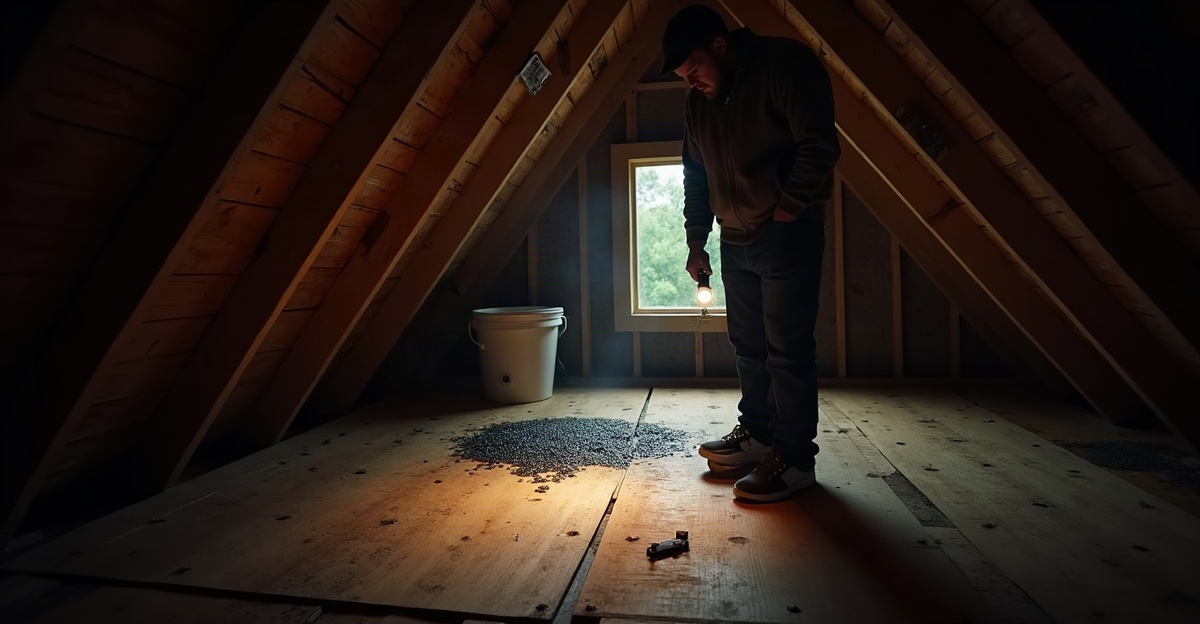
- Place a container beneath dripping water if it is safe to do so.
- Photograph stains, drips, debris, and damage visible from the ground.
- Check the attic only if it is dry, safe, and easily accessible.
- Avoid climbing onto wet, icy, steep, or visibly damaged roofing.
Water near a light fixture, outlet, electrical panel, or exposed wiring needs immediate attention from an electrician or emergency service provider. Do not touch wet electrical components or attempt to investigate wiring.
Contact a roofing professional when signs are active, spreading, recurring, or tied to storm damage. An inspection can determine whether the concern involves shingles, flashing around a chimney, vent, skylight, valley, or pipe boot; drainage issues; damaged decking; or a non-roof moisture source. Homeowners can also use our roof inspection checklist to record visible conditions before an appointment.
If you have noticed a new ceiling stain, attic moisture, missing shingles, or a recurring leak, schedule a professional roof inspection with Idaho Roofing Solutions. Our team can assess the roof, explain the findings clearly, and help determine whether repair or replacement is the appropriate next step. Contact us for a professional roof inspection.
When Roof Water Damage Repair May Be Enough—and When Replacement May Be Discussed
Localized and recent damage may be repairable. Roof water damage repair can include replacing damaged shingles, repairing flashing, correcting pipe boot or penetration issues, replacing limited decking, or improving drainage around gutters. The correct repair depends on finding the moisture source first.
Widespread shingle deterioration, repeated leaks, extensive decking damage, or a roof near the end of its service life may lead to a replacement discussion after inspection. Replacement should never be determined from a ceiling stain alone. Roof material, slope, access, the condition of decking and insulation, interior damage, and the leak source all affect the recommendation. Learn more about our roof repair services and roof replacement options.
Roof water damage repair costs vary widely, so it is not advisable to rely on a universal price range. The source and extent of the leak, roofing material, roof slope, accessibility, flashing repairs, damaged decking, wet insulation, ceiling or wall restoration, and the need for repair versus replacement all influence the final cost.
A small roof leak may not be an emergency, but active dripping, expanding damage, sagging ceilings, or electrical exposure require quick action. Many roof leaks can be repaired without replacing the entire roof. Insurance coverage can vary based on the policy, cause of damage, maintenance history, deductible, and insurer. Review your policy and contact the insurer for claim-specific guidance rather than assuming coverage is guaranteed. Addressing problems early can help avoid the consequences explained in our guide on delaying roof repairs.