How Much Does a Metal Roof Cost in Idaho?
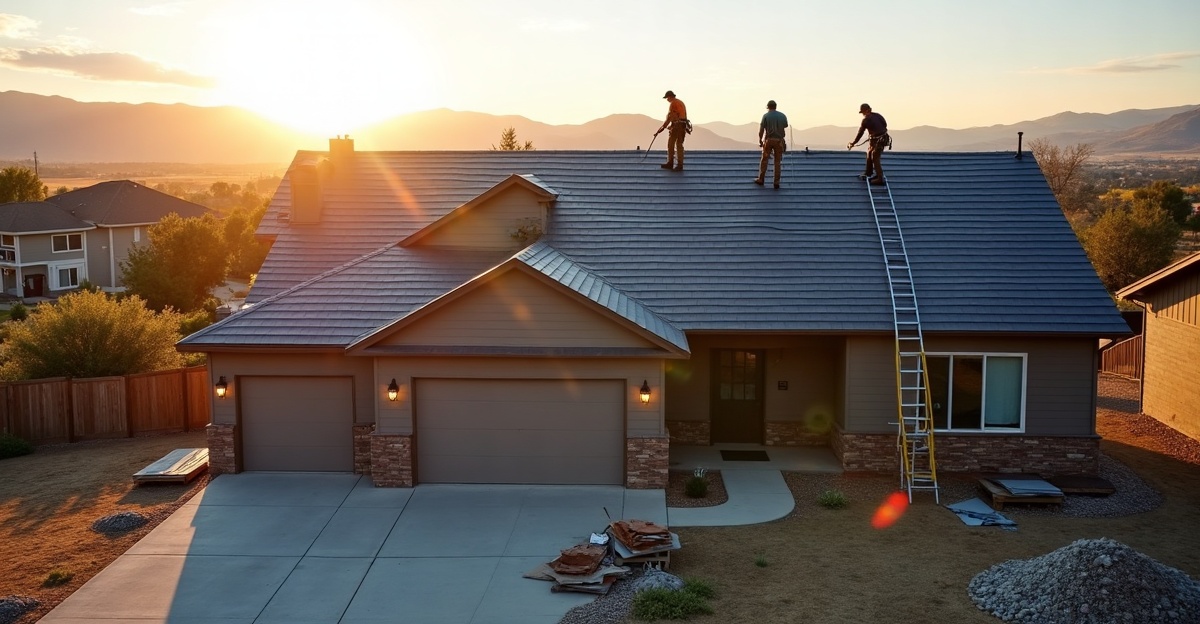
Metal roof cost in Idaho typically ranges from $7 to $18 per square foot installed. The exact price depends on whether we install an exposed fastener panel or a standing seam system. Total investment shifts based on roof size, pitch, tear-off requirements, snow loads, and local building codes across southwestern Idaho.
We see pricing move based on material choice, labor scope, and site conditions. Steeper roofs require additional safety setup and labor time. Heavier snow zones often call for upgraded underlayment and snow retention. Local inspections and ventilation standards also shape the final number. We always recommend reviewing the full system scope instead of comparing material prices alone.
Key Takeaways
- Exposed fastener metal roofs generally cost $7 to $12 per square foot installed, while standing seam systems range from $10 to $18 per square foot installed.
- A 2,000 square foot roof often falls between approximately $14,000 and $36,000, depending on system choice and site conditions.
- Installation pricing should include materials, labor, tear-off, underlayment, flashing, trim, and disposal—not just material-only costs.
- Roof complexity, snow retention systems, ventilation upgrades, and potential deck repairs can significantly affect total cost.
- While metal roofs have higher upfront costs than asphalt shingles, they can offer longer service life in Idaho’s snow, wind, and freeze-thaw conditions.
Exposed fastener systems cost less up front because we face-fast the panels with visible screws. This approach reduces labor time and material expense. Many homeowners choose this system for barns, shops, and budget-conscious residential projects.
Standing seam systems cost more because we conceal the fasteners and use raised seams. We secure panels with clips that allow movement during temperature swings. That flexibility matters in Idaho, where freeze-thaw cycles stress roofing materials. Most homeowners who plan to stay long term prefer this option for durability and a cleaner appearance.
A 2,000 square foot roof priced between $14,000 and $36,000 reflects real-world variation. Simpler gable roofs sit near the lower end. Complex rooflines with valleys, dormers, skylights, or steep slopes push labor hours higher. We factor access limitations and landscaping protection into the proposal as well.
Complete installation pricing must cover the full roofing system. We include tear-off of existing shingles if required. We install high-temperature underlayment suited for metal panels. We fabricate and place flashing around penetrations, chimneys, and valleys. We haul away debris and leave the property clean. A low material quote alone rarely reflects the actual installed cost.
Snow retention often adds expense in mountain and foothill areas. We install snow guards or rail systems to manage sliding ice and snow. Proper ventilation may also require ridge vents or intake upgrades. If we find damaged decking after tear-off, we replace those sections before installing new panels. Each of these line items affects the final number.
Metal roofing costs more than asphalt shingles at the start. Still, we see metal systems outlast shingles in Idaho’s wind exposure, heavy snow, and temperature swings. Many homeowners offset the higher initial cost with fewer replacements over time. We encourage reviewing long-term value rather than focusing only on upfront price.
What Homeowners in Southwestern Idaho Can Expect to Pay
Metal roof cost in Idaho depends on the system we install and the specific conditions of the home. In southwestern Idaho, realistic installed pricing (materials and labor combined) typically falls within these ranges:
- Exposed fastener systems: $7 to $12 per square foot installed
- Standing seam systems: $10 to $18 per square foot installed
These are local installed ranges, not material-only pricing and not guaranteed quotes. Actual pricing depends on site conditions, roof design, and code requirements in Boise, Meridian, Eagle, Kuna, Nampa, Caldwell, Middleton, Mountain Home, and McCall.
Here’s how those square-foot costs usually translate into full project ranges. These numbers are based on roof surface area, not the home’s footprint:
- 1,500 sq ft roof: approximately $10,500 to $27,000
- 2,000 sq ft roof: approximately $14,000 to $36,000
- 2,500 sq ft roof: approximately $17,500 to $45,000
Keep in mind that roof size often exceeds the home footprint because of pitch, valleys, and overhangs. A 2,000 sq ft house can easily have a roof that measures 2,200 sq ft or more.
Many homeowners see lower “metal roofing price per square foot” numbers online. Those typically reflect material-only costs. A true metal roof installation cost includes tear-off, underlayment, flashing, trim, fasteners, labor, and disposal. That’s why local, on-site pricing matters.
Breaking Down Costs by Metal Roofing System
Exposed Fastener (Corrugated or AG Panels)
Exposed fastener systems are installed with screws driven through the face of the metal panels. The fasteners remain visible after installation.
This system:
- Is generally more budget-friendly upfront
- Offers a lower standing seam cost alternative
- Works well for straightforward rooflines and outbuildings
Material costs are lower, and installation is typically faster. That keeps the overall metal roof installation cost on the lower end of our $7 to $12 per square foot installed range.
However, exposed fasteners use rubber washers that expand and contract with temperature changes. Over time, those washers may require maintenance. With proper installation and periodic inspection, these systems perform well, especially for simpler roof designs.
Standing Seam (Concealed Fastener System)
Standing seam panels use hidden fasteners secured beneath raised vertical seams. No screws penetrate the face of the panel.
This system:
- Has a higher metal roof installation cost
- Requires more labor and detailed trim work
- Offers a cleaner appearance
Standing seam systems typically range from $10 to $18 per square foot installed in our area. The added cost reflects more complex panel fabrication, specialized clips, and detailed flashing around chimneys, walls, and valleys.
Labor intensity also increases. Each seam must align properly, and flashing details require precision. In return, the fastening system is protected from direct weather exposure, which can improve long-term performance.
Both systems can last decades when correctly installed. We avoid “lifetime” promises. Real longevity depends on installation quality, ventilation, snow loads, and maintenance.
Key Factors That Increase or Decrease Metal Roof Installation Cost
Metal roof cost in Idaho varies widely because every home is different. Here’s what we evaluate during an estimate:
Roof pitch and complexity
Steeper roofs require additional safety measures and slower installation. Valleys, dormers, and intersecting rooflines increase labor and trim work.
Tear-off and disposal
If we remove old shingles, that adds labor and dump fees. A full roof tear-off ensures we inspect the decking before installing new metal panels.
Underlayment upgrades
In southwestern Idaho, ice and water shield in valleys and along eaves matters due to freeze-thaw cycles. Higher-quality underlayment increases material cost but protects against leaks.
Snow retention systems
In McCall and other mountain communities, snow guards are often recommended to manage heavy snow loads and prevent sudden snow slides.
Flashing details and penetrations
Chimneys, skylights, and plumbing vents require custom metal flashing. More penetrations mean more fabrication and labor.
Ventilation improvements
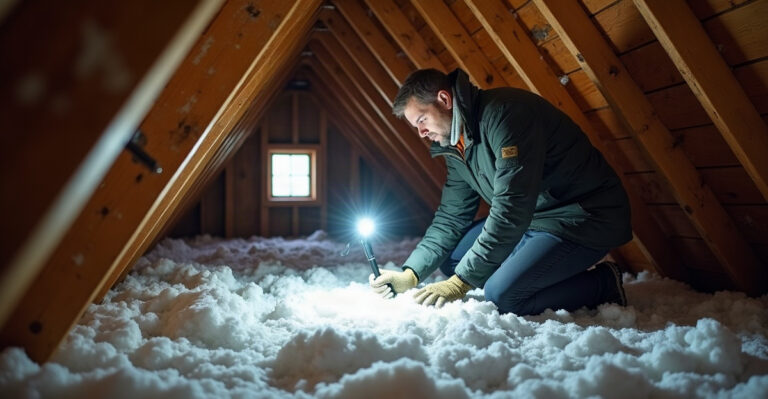
We often upgrade attic ventilation to meet current code and improve airflow. Proper ventilation helps protect both the metal panels and the roof deck below.
Deck repairs
If we uncover rot or soft spots after tear-off, we must replace damaged sheathing before installing new metal.
Accessibility and height
Multi-story homes and tight lot access increase setup time and safety considerations.
A professional metal roof installation cost typically includes labor, standard underlayment, flashing, trim, panels, and basic disposal. Legitimate add-ons such as deck replacement, ventilation upgrades, or snow retention systems may increase the final price. We outline those clearly in writing.
How Idaho’s Climate Influences Metal Roof Cost and Material Choices
Idaho’s weather directly impacts how we install metal roofing.
In higher elevations like McCall, snow loads demand stronger fastening patterns and, in many cases, snow retention systems. Installation must meet structural and code requirements specific to heavy snow areas.
Throughout southwestern Idaho, freeze-thaw cycles stress roofing systems. Water can seep into small gaps, freeze, and expand. That’s why we install high-quality underlayment in vulnerable areas such as valleys and eaves.
Open areas around Boise, Kuna, and Nampa experience strong winds. Proper panel attachment and manufacturer-approved fastening patterns matter. Cutting corners in these areas leads to problems.
Wildfire resistance is another consideration. Most metal roofing systems carry Class A fire ratings when installed over proper underlayment. For some homeowners, that added fire resistance brings peace of mind.
Energy performance is often discussed. Metal roofs can reflect solar heat, which may help with summer cooling. That said, overall attic insulation and ventilation play a major role. We focus on balanced system performance rather than exaggerated energy claims.
Metal vs. Asphalt: Cost Over Time for Idaho Homes
Metal roof cost in Idaho is typically higher upfront than architectural asphalt shingles. That’s a fact we discuss openly with homeowners.
The long-term view matters. Properly installed metal roofs often last several decades. Asphalt shingles usually require replacement more frequently, especially in areas with strong sun exposure and freeze-thaw conditions.
Homeowners planning to stay long term may see value in metal’s extended service life. Those planning to move within a few years may prioritize lower upfront cost.
Maintenance expectations differ as well. Metal systems benefit from periodic inspection of fasteners, sealants, and flashing. Asphalt roofs may require shingle repairs or patching over time. For more detail on lifespan in our climate, see how long a roof lasts in Idaho weather.
We also break down system trade-offs in our guide to metal roofing pros and cons for Idaho homes. That comparison helps frame the decision beyond price alone.
How to Compare Metal Roofing Estimates in Idaho
Accurate comparison starts with understanding what each estimate includes.
Confirm whether the quoted price reflects full metal roof installation cost. That should cover materials, labor, tear-off, disposal, underlayment, and standard flashing.
Ask which system is being quoted. Exposed fastener and standing seam systems fall into very different price ranges.
Clarify what’s excluded. Deck repairs, ventilation upgrades, and snow retention systems are common variables.
Verify contractor licensing and insurance. Review workmanship warranty details in writing.
Avoid phone-only quotes. An on-site inspection in Boise, Meridian, Nampa, or surrounding communities gives us the data needed for realistic pricing. Roof pitch, access, and decking condition can’t be measured accurately from satellite images alone.
When a full replacement makes sense, we outline the process through our roof replacement services so homeowners understand what’s involved from tear-off to final inspection.
Frequently Asked Questions
Is a metal roof worth it in Idaho?
For many homeowners, yes. The answer depends on long-term plans, budget, and maintenance expectations. In areas with heavy snow or wildfire concerns, metal offers specific advantages. In other cases, asphalt may be a practical choice.
How long does a metal roof last in Idaho?
When properly installed and maintained, metal roofs commonly last several decades in Idaho’s climate. Lifespan depends on system type, installation quality, ventilation, and exposure. We avoid promising “lifetime” performance because real-world conditions vary.
Does snow damage metal roofs?
Snow alone doesn’t typically damage a properly installed metal roof. Problems arise if fastening patterns, underlayment, or ventilation are inadequate. In mountain areas, we often recommend snow retention systems to control sliding snow and protect gutters and walkways.
For homeowners evaluating metal roof cost in Idaho, the best next step is a detailed inspection and written estimate. We provide on-site evaluations throughout our service area and explain every line item clearly. To schedule an inspection or request an estimate, visit our contact page.