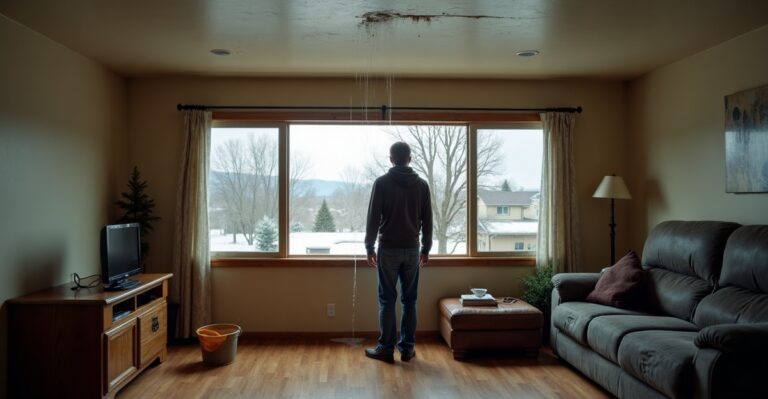
Emergency Roof Repair: What to Do Immediately?
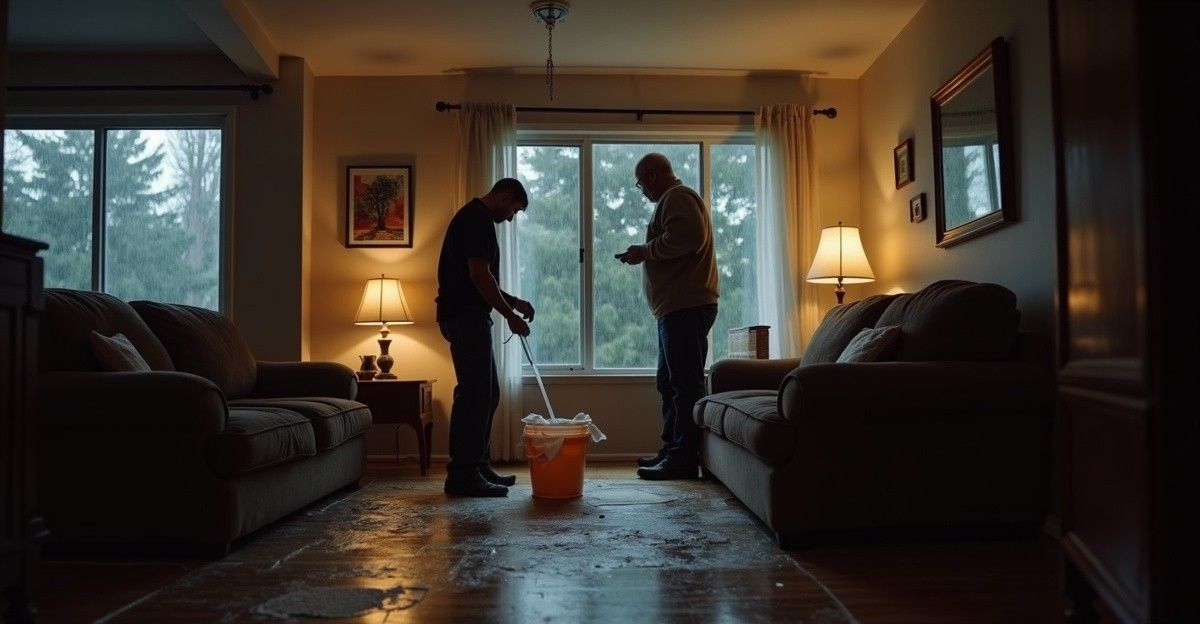
In an emergency roof repair Idaho situation, we focus the first 10–30 minutes on safety, water control, and stopping further structural damage. We act fast and stay calm. We manage interior leaks, avoid climbing onto the roof in unsafe weather, and contact a qualified local contractor right away. These early steps lower long-term repair costs and help us protect our home.
Key Takeaways
- We prioritize safety by staying off the roof during storms, shutting off electricity near active leaks when we can do so safely, and avoiding risky exterior fixes.
- We contain interior water immediately with buckets, plastic sheeting, and controlled ceiling drainage to limit structural damage and protect personal property.
- We treat active leaks, sagging ceilings, storm-created openings, heavy snow loads, and visible structural movement as true emergencies that require fast action.
- We recognize that Idaho weather, including high winds, hail, and repeated freeze-thaw cycles, can turn minor roof damage into serious issues and delay permanent repairs.
- We document all damage with clear photos and written notes, then contact a licensed, local emergency roofing contractor for a professional inspection and a clear stabilization plan.
Act Fast: What to Do in the First 10–30 Minutes of a Roof Leak
Water coming through the ceiling demands immediate action. Quick steps in the first 10–30 minutes can reduce structural damage and protect everything inside the home.
If we’re dealing with active leaking or signs of structural risk in Boise, Meridian, Eagle, Kuna, Nampa, Caldwell, Middleton, Mountain Home, McCall, or surrounding areas, we need to contact a qualified emergency roofing contractor right away. For fast, local support, reach out through our contact page so a professional can assess the situation safely.
Safety comes first during any emergency roof repair Idaho situation:
- Stay off the roof during storms, high winds, icy conditions, or heavy snow. Climbing a wet or steep roof puts us at serious risk.
- If water is near light fixtures or electrical wiring, turn off electricity to the affected area only if it’s safe to access the breaker panel.
- Place buckets, storage bins, or heavy-duty plastic under active drips to contain interior water.
- If a ceiling bulges from trapped water, carefully puncture the lowest point with a screwdriver to release pressure. Do this only if the ceiling appears stable. Controlled drainage prevents sudden collapse and wider water damage.
- Move furniture, electronics, and valuables out of the affected area immediately.
- In the attic, lay plastic sheeting under the leak or drape a tarp inside to direct water into a container. This serves as a temporary roof leak emergency fix without stepping onto the exterior roof surface.
An urgent roof repair situation requires calm judgment. The goal in the first half hour isn’t perfection. It’s protection. Contain the water, eliminate safety hazards, and call for professional support if structural issues or continuous leaking are present.
What Qualifies as an Emergency Roof Repair in Idaho?
Not every roofing issue requires panic. Some problems can wait a few days. Others demand immediate attention.
True emergencies in Idaho typically include:
- Active leaks during rain or snow.
- Sagging roof sections or ceiling areas.
- Tree limbs or debris that have penetrated the roof.
- Multiple missing shingles after a windstorm.
- Heavy snow accumulation causing structural stress.
- Visible structural displacement following hail or severe weather.
Idaho’s weather plays a major role. Strong windstorms can lift flashing and tear off shingles. Hail can bruise asphalt shingles and crack protective granules. Snow load adds weight stress. Freeze-thaw cycles force water into small gaps, then expand and worsen damage overnight.
A single missing shingle without exposed decking may not require immediate action. A small drip during extreme weather might be monitored briefly. However, structural sagging, ongoing water intrusion, or visible openings in the roof system require urgent roof repair support.
Homeowners searching for emergency roof repair Idaho services usually need two things: clear guidance and dependable help. We provide both. We focus on stabilizing the situation first, then determining whether the fix involves targeted repairs or larger corrective work under our full roofing services.
Safe Temporary Measures You Can Take (Without Climbing the Roof)
We strongly recommend avoiding exterior roof access during storms or icy conditions. Even experienced crews wait for safe weather before attempting certain repairs.
Short-term interior steps can limit damage:
First, contain and redirect water. Use buckets and towels. In the attic, position plastic sheeting to channel water into a container. If safely accessible, cover exposed roof decking from inside the attic using heavy-duty plastic secured to rafters.
These actions provide a temporary roof leak emergency fix. They don’t solve the root problem, but they reduce interior damage until professional help arrives.
Here’s what we should not do:
- Do not install exterior tarps during high winds.
- Do not walk on snow-covered or icy roofs.
- Do not attempt structural repairs.
- Do not rush into unsafe decisions driven by fear.
An urgent roof repair should never result in preventable injury. Exterior patching during a storm rarely performs well and often fails quickly. Safety always outweighs immediate exterior work.
Temporary stabilization buys time. Permanent repairs require dry conditions, proper materials, and trained installers. That’s where professional roof repair services make the difference. Learn more about how we handle long-term corrections through our roof repair services.
How Idaho Weather Affects Response Times and Repair Timelines
Weather directly impacts how and when repairs happen.
During winter, snow and freezing temperatures can delay full repairs. Adhesives may not seal correctly in subfreezing conditions. Ice can make roof surfaces unsafe. In those cases, we focus on stabilization first. We tarp or seal vulnerable sections until safe installation conditions return.
Spring and summer storms across southwest Idaho often cause a surge in demand for emergency roofing contractor services. High winds commonly lift flashing, remove shingles, and expose underlayment. Hail can cause hidden damage that worsens over time if left unaddressed.
Freeze-thaw cycles are especially tough on aging asphalt shingle roofs, which are common in Boise and surrounding communities. Water enters hairline cracks, freezes overnight, expands, and increases deterioration. Small leaks can escalate quickly.
A typical emergency roof repair Idaho service call includes:
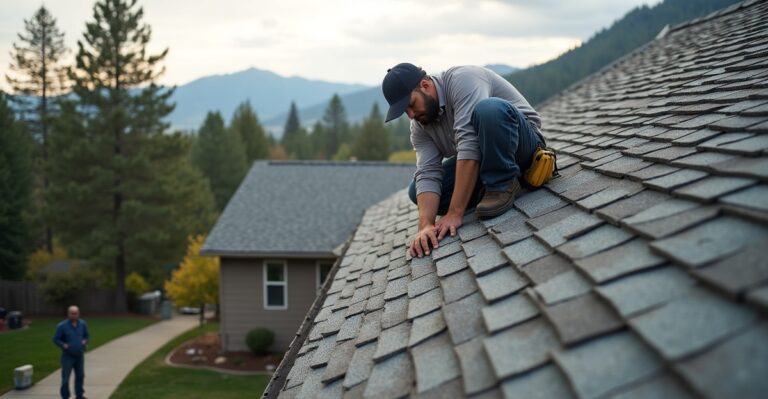
- Interior and exterior inspection, if conditions allow.
- Temporary stabilization such as tarping or sealing exposed areas.
- A written assessment outlining observed damage.
- A clear next-step plan and scheduling for permanent repair.
Cost varies depending on material type, damage extent, roof pitch, accessibility, and weather conditions. We avoid fixed price promises because every emergency is unique. Homeowners looking for long-term planning information can review general pricing considerations in our guide on roof replacement cost in Idaho.
Clear communication matters during emergencies. We explain what can be done immediately and what must wait for proper weather conditions.
Documenting the Damage for Insurance and Protecting Your Claim
Proper documentation protects homeowners financially and supports smoother insurance processing.
After stabilizing the area, we should take clear photos of:
- Interior water damage.
- Ceiling stains and bulges.
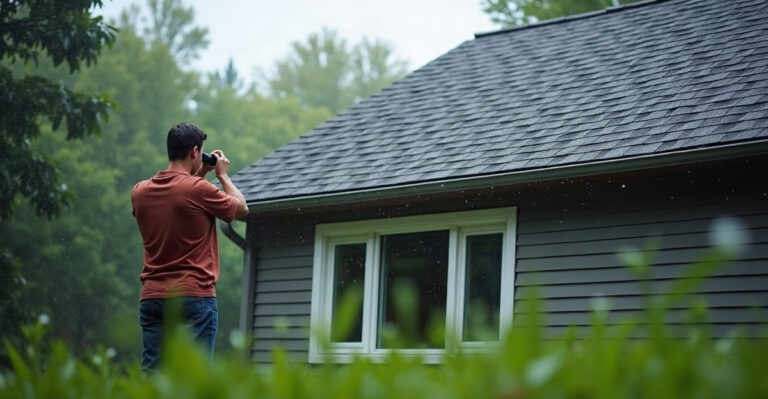
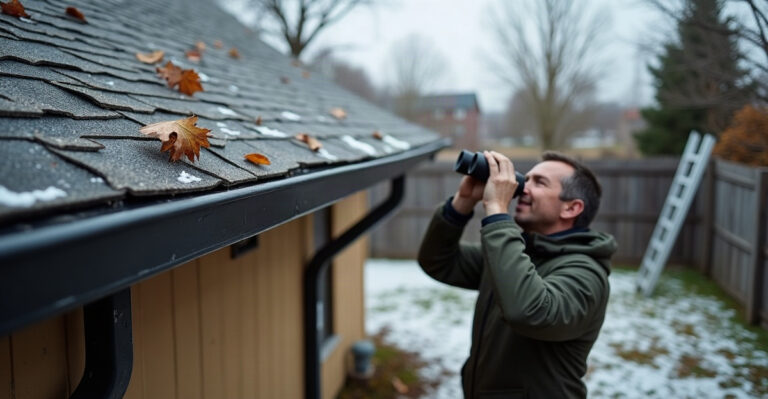
- Exterior roof damage from the ground level.
- Storm conditions with visible date indicators if possible.
We should also write down the date and approximate time we discovered the damage. Keep receipts for temporary materials such as tarps, buckets, and fans. These records show responsible efforts to prevent further damage.
Contact the homeowners insurance provider promptly once the situation is stable. Policies vary significantly. Coverage depends on the cause of damage, policy structure, and any exclusions. Clear documentation strengthens the claim regardless of policy type.
Accurate records also assist roofing professionals during assessment. They provide context and timeline clarity.
When to Call an Emergency Roofing Contractor in Southwest Idaho
Certain conditions require immediate professional evaluation.
Call an emergency roofing contractor if we notice:
- Active water entering the home.
- Structural sagging or ceiling bowing.
- Visible external storm damage.
- Safety risks beyond basic containment.
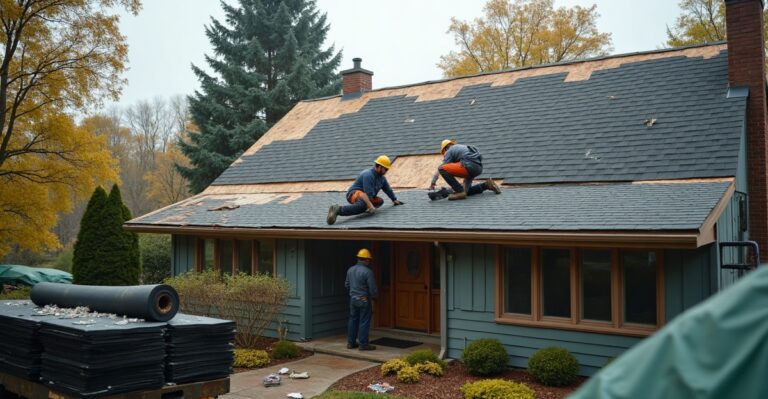
During the visit, we can expect a thorough inspection. We explain findings in plain language. We provide a written estimate with a clear scope of work. If temporary stabilization is appropriate, we outline that separately from any larger corrective plan, including potential roof replacement if damage is extensive.
Choosing the right contractor matters during an emergency roof repair Idaho situation. Look for:
- Licensed and insured professionals in Idaho.
- A local presence serving Boise, Meridian, Nampa, and surrounding communities. Review our dedicated service areas to confirm coverage.
- Clear, written documentation.
- Straightforward communication without high-pressure tactics.
As a veteran-owned, family-operated company, we focus on reliability and honest assessments. We treat every home with respect and every emergency with urgency and professionalism.
If active leaking or structural instability is present, contact a qualified local professional immediately for on-site guidance and evaluation. Fast action protects the home. Safe action protects the people inside it.