What Causes Cracked Shingles and Should You Replace Them?
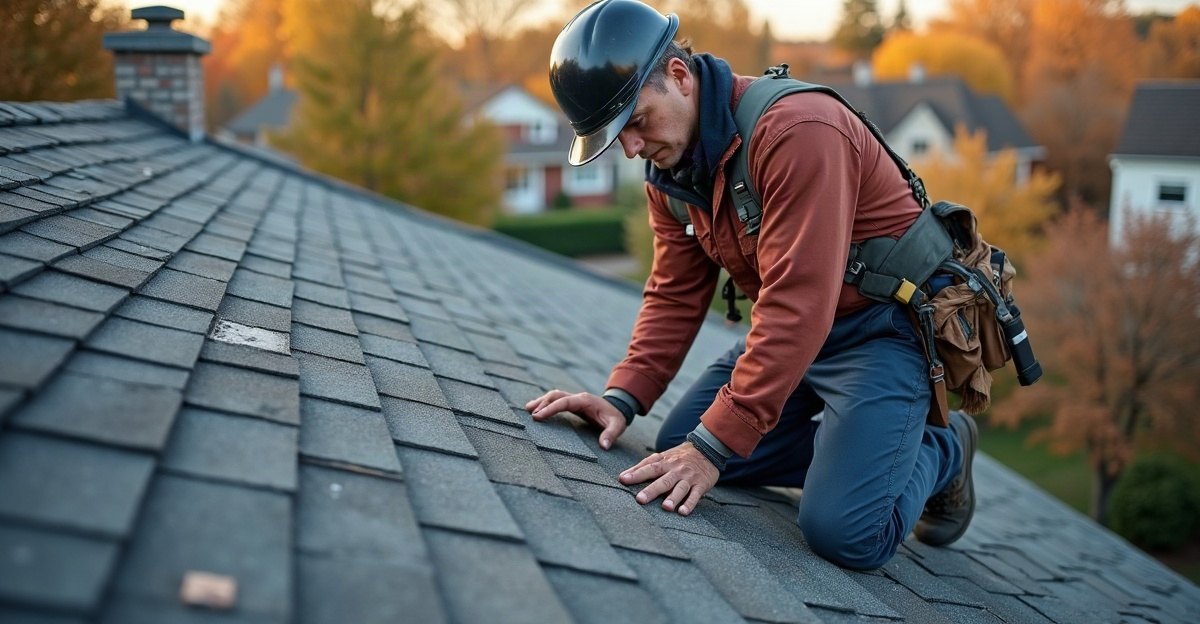
Cracked shingles can result from aging, sun exposure, temperature swings, winter weather, wind, hail, foot traffic, or roof issues such as poor ventilation and installation defects. We base repair or replacement decisions on the extent of cracking, the condition of nearby shingles, evidence of water intrusion, and the roof’s overall condition.
Key Takeaways
- We can repair isolated cracks if nearby shingles remain flexible, flashing stays secure, and the roof shows no leaks or widespread wear.
- Widespread cracking across several roof slopes, brittle shingles, recurring leaks, heavy granule loss, or frequent repairs may warrant roof replacement.
- Cracks can let water pass beneath shingles, causing leaks, wet insulation, ceiling stains, and wood damage if we leave them untreated.
- We can inspect safely from the ground for crack patterns and granule loss. We should also check indoors for attic moisture or ceiling stains.
- A professional inspection should assess shingles, flashing, ventilation, decking, and storm damage before we choose repair or replacement.
How Serious Are Cracked Shingles?
Cracked shingles are splits, fractures, or breaks in the surface or tabs of an asphalt shingle. They often develop as shingles age and become brittle, but stress, impacts, weather exposure, foot traffic, and installation concerns can also play a role.
Visible cracked shingles do not always mean a full roof replacement is necessary. Still, we recommend having them assessed before cracks allow water beneath the roofing surface or spread across additional shingles.
A crack can create an opening for wind-driven rain, snowmelt, ice, and moisture to reach the underlayment or roof decking. If moisture continues entering the system, it can contribute to leaks, wet insulation, ceiling stains, wood rot, and broader repair needs. A single visible crack does not mean immediate roof failure, but it does deserve attention.
How We Gauge the Severity
One or a few cracked roof shingles may be a localized repair issue when the surrounding shingles remain flexible, the roof shows no leak signs, flashing appears sound, and matching replacement shingles are available. In these cases, a focused roof repair may restore protection without disturbing unaffected areas.
We recommend a prompt professional assessment when multiple cracks appear in one area, especially near valleys, chimneys, vents, skylights, or flashing. Recent storm exposure, lifted shingles, visible granule loss, attic moisture, or interior staining also raise the priority.
Widespread cracking across several slopes may point to a larger aging or system-wide concern. Brittle shingles that break during repair, recurring leaks, repeated patches, significant granule loss, and wear near the roof’s expected service life often make roof replacement the more reliable long-term choice. Our guide to roof replacement signs can help identify related concerns.
Can Cracked Shingles Be Repaired, or Is Replacement the Better Choice?
Cracked shingle repair can be practical when damage is isolated and the rest of the roof system remains in sound condition. We assess the condition around each crack before recommending any work, since lifting a brittle older shingle can cause nearby material to break.
A targeted repair is usually worth considering if only one or a few shingles are affected, replacement materials match reasonably well, and surrounding shingles can lift and reseal without damage. There should also be no active leak, widespread granule loss, damaged flashing, weakened decking, or ventilation concern driving the cracking.
Replacement may be the safer route if cracked shingle conditions appear across multiple slopes. The same applies when shingles are brittle, leaks return after repairs, or curling, lifting, and major granule loss occur alongside the cracking. Problems with underlayment, flashing, decking, or attic ventilation can also change the recommendation from a small repair to a larger project.
We do not rely on roof age alone. Asphalt shingle lifespan varies with shingle type, installation quality, ventilation, maintenance, roof slope, sun exposure, severe weather, and prior storm events. For more context, review roof lifespan in Idaho.
The practical comparison is straightforward. Repair generally fits limited damage, accessible areas, flexible surrounding materials, and a reasonable shingle match. Replacement fits widespread deterioration, difficult matching, brittle materials, frequent repairs, or concerns that could affect long-term protection.
Costs also vary by the number of shingles involved, roof height and pitch, access, material availability, flashing or decking damage, labor conditions, and the scope of related work. We recommend an inspection before making decisions based on assumed repair or replacement pricing. Our overview of repair versus replacement explains the decision in greater detail.
What Homeowners Can Safely Check Before Scheduling an Inspection
We can gather useful information without climbing onto the roof. Ground-level observations and clear photographs help document changes and give a roofing professional a helpful starting point.
We recommend checking the roof from the ground with binoculars or zoomed photos. Note whether cracks are concentrated in one area or spread across multiple slopes. Gutters and downspouts may also show excessive loose granules, which can signal shingle wear.
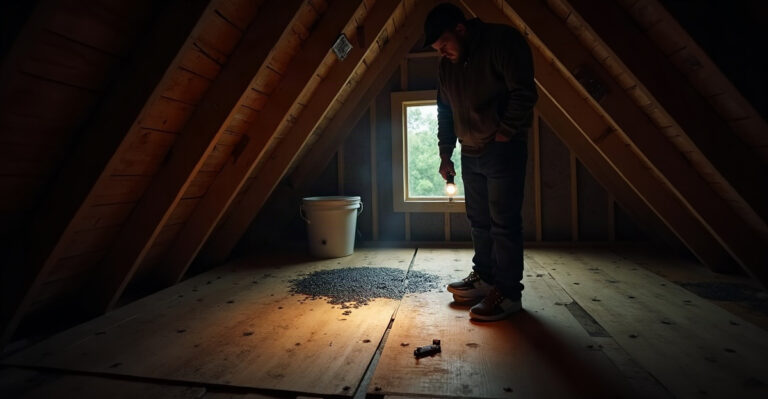
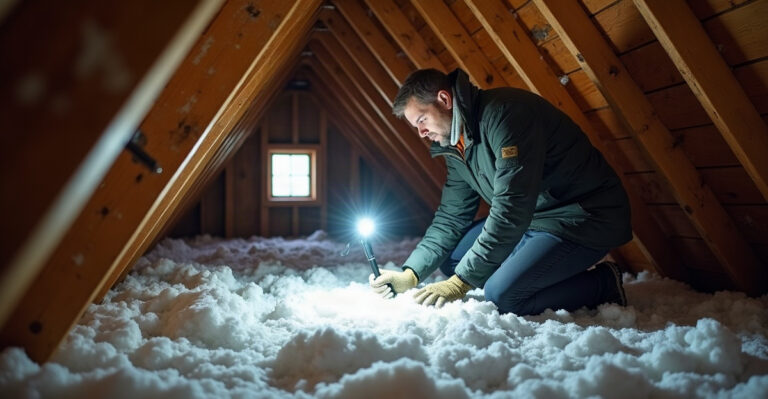
Inside the home, we can look in the attic for damp insulation, water staining, musty odors, mold-like growth, or daylight around roof penetrations. Ceiling and wall stains, peeling paint, and moisture marks also deserve attention. Record the date, weather event, and location of each concern, then take photos where possible.
We should not walk on the roof, especially when it is steep, wet, icy, or covered with older brittle shingles. Foot traffic creates a fall hazard and can crack or dislodge aging asphalt shingles. Photos from the ground cannot reveal every cause or hidden condition beneath the surface, so visible cracking near vulnerable roof features or potential water entry points should receive timely professional review.
Delaying attention can turn a manageable issue into a larger repair. See what can develop when roof repairs are delayed.
What Causes Asphalt Shingles to Crack in Southwestern Idaho?
Natural aging is a common cause of cracked shingles. Asphalt shingles gradually lose flexibility as they weather, making them more likely to split or fracture during normal roof movement, temperature changes, or handling.
Southwestern Idaho conditions can add stress over time. Intense sun and UV exposure can dry shingles, while large day-to-night temperature swings cause roofing materials to expand in heat and contract in cold. Repeated movement can gradually stress aging shingles.
Winter cold, freeze-thaw cycles, snow, ice, and snowmelt can expose weaknesses in older roofing materials. Wind can lift tabs or worsen existing cracks, while hail and falling debris may create fractures, dents, bruising, and displaced granules. Weather may contribute to shingle cracking, but it is not automatically the cause in every situation. We recommend documenting storm-related concerns promptly with dated photos.
Roofing-system conditions can also matter. Poor attic ventilation or excessive heat buildup may increase shingle stress and speed up wear. Improper fastening, rough handling during installation, or installation under unsuitable conditions can contribute as well. Material quality or a manufacturing issue may be involved in some cases, but that requires professional documentation and assessment.
Foot traffic is another avoidable cause, particularly on older shingles. A shingle that appears intact from the ground may crack under a person’s weight if the asphalt has become dry and brittle. For a broader look at related issues, review these common Idaho roof problems.
Cracked Shingles vs. Other Types of Roof Damage
Cracked roof shingles can look similar to other roofing problems, and more than one condition may be present at the same time. A clear diagnosis helps prevent repairs that address only the visible symptom.
Curling or cupping occurs when shingle edges turn upward or downward. Blistering appears as raised bubbles or small pockmarks and may relate to heat, moisture, or material concerns. Granule loss leaves darker asphalt exposed and often shows up as loose granules in gutters.
Lifted tabs are shingles raised by wind or failed sealant strips. Hail impacts often appear as circular bruises, dents, or areas of displaced granules. Missing shingles involve whole tabs or sections that have detached from the roof.
A qualified inspection can determine whether cracking is isolated surface damage or part of a larger problem involving age, storm damage, ventilation, installation details, or water intrusion. Our asphalt shingle guide offers additional information on shingle condition and care.
What a Professional Inspection Should Assess
We evaluate cracked shingles as part of the complete roof system rather than treating each crack as an isolated surface concern. That approach helps us determine whether a repair will hold up or whether hidden conditions need attention first.
A thorough inspection reviews the number, pattern, location, and depth of cracks, along with shingle flexibility and overall wear. We also check for granule loss, lifting, missing shingles, and signs of wind, hail, or debris damage. Flashing, valleys, vents, pipe boots, chimneys, skylights, and other water-sensitive areas require close review.
Where accessible, we assess attic ventilation, condensation, heat buildup, underlayment, decking, and interior signs of water intrusion. We also determine whether surrounding brittle shingles can be lifted for repair without causing further breakage. Cracks may allow water beneath the shingles, but the full scope can involve flashing, underlayment, ventilation, decking, or previous installation details.
Storm Damage, Insurance, and Common Questions
Insurance coverage for cracked shingles depends on the cause of damage, policy language, deductible, roof age, exclusions, and available documentation. We recommend documenting potential storm damage promptly, reviewing the policy, and speaking with the insurer before assuming a claim will be approved.
One cracked shingle can cause a leak if its location and crack depth allow water beneath the roofing surface. Many isolated cracks can be repaired without replacing the whole roof, provided the surrounding materials remain flexible and sound.
Cracks are breaks through the shingle surface, while curling changes the shape of the shingle edges. Cracking can be a sign of roof age, but it may also result from storms, heat, installation concerns, or foot traffic. After hail or wind, we should arrange an assessment before replacing shingles because the visible damage may be part of a larger pattern.
It is not safe to walk on a roof with cracked shingles without proper training and equipment. If we have noticed cracked shingles, recurring leaks, or visible roof wear, we can schedule a roof inspection with Idaho Roofing Solutions. We will provide a clear assessment of whether a targeted repair is practical or replacement offers better long-term protection.