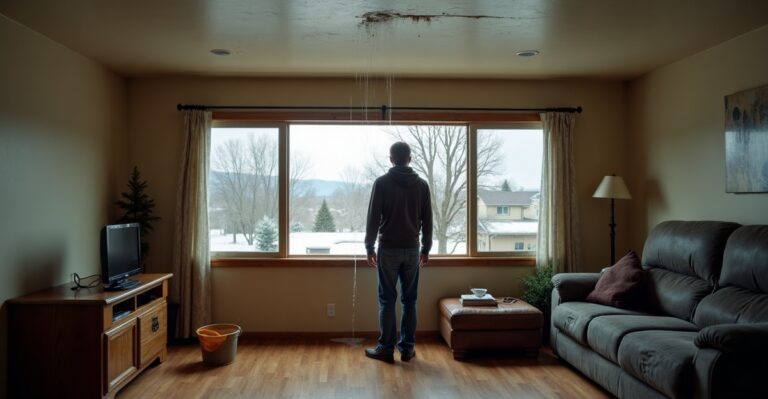
How to Prevent Roof Leaks Before They Start?
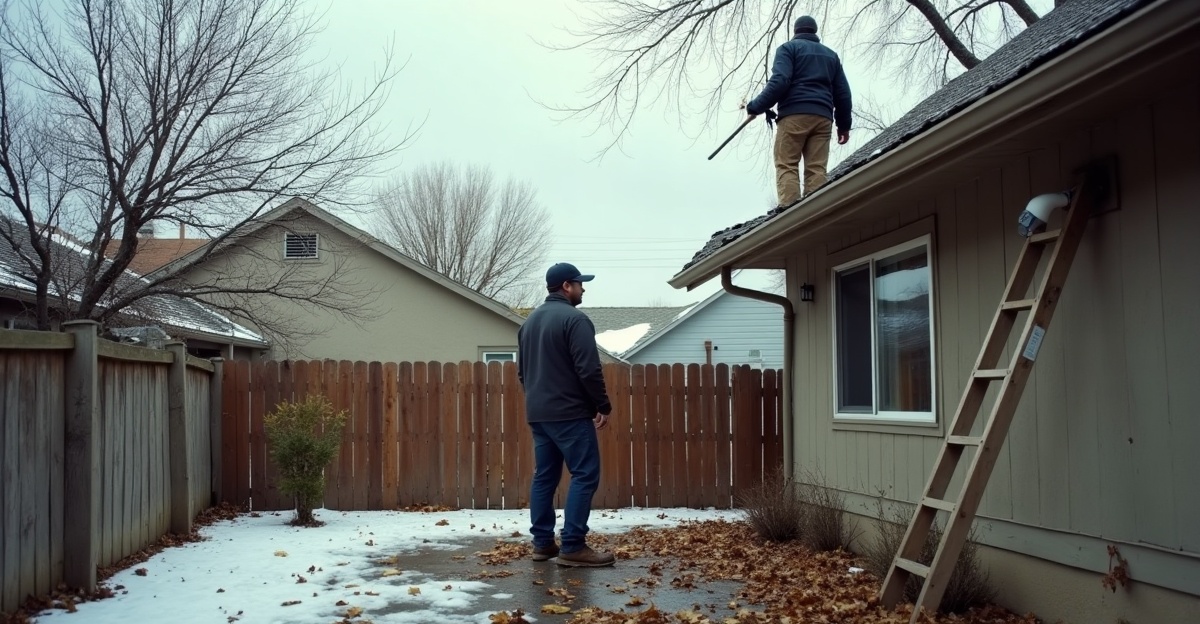
We prevent roof leaks by monitoring vulnerable areas, including flashing, pipe boots, valleys, skylights, vents, shingles, and drainage systems. Safe seasonal checks from the ground and attic help us spot debris, storm damage, moisture, and drainage concerns before they require major repairs.
Key Takeaways
- We keep gutters, downspouts, and accessible roof drainage areas clear to stop water from backing up near roof edges and the foundation.
- We check for visible shingle damage, worn flashing, cracked pipe boots, damaged vents, and branches that touch the roof.
- We monitor the attic and interior for damp insulation, stains, musty odors, mold, peeling paint, and recurring moisture after storms.
- We adjust maintenance for southwestern Idaho weather by checking drainage after snowmelt, clearing fall debris, and inspecting for wind and ice damage.
- We request a professional inspection after storm damage or for recurring leaks, sagging areas, ongoing attic moisture, or water near electrical fixtures.
Why Roof Leak Prevention Matters
A roof leak does not always begin with a large opening. Many leaks start with a small weakness that gets worse over time.
A loose shingle, cracked seal, damaged vent boot, or worn flashing may allow only a small amount of moisture inside at first. Repeated rain or melting snow can then make the problem more serious.
Preventive roof care can help reduce the risk of:
- Water-stained ceilings
- Damp insulation
- Wood rot
- Mold growth
- Damaged drywall
- Peeling paint
- Attic moisture
- Structural deterioration
- Higher repair costs
Understanding how to prevent roof leaks means paying attention to the entire roofing system rather than waiting until water appears inside the home.
Inspect Your Roof From the Ground
Regular visual checks are one of the simplest ways to spot possible problems.
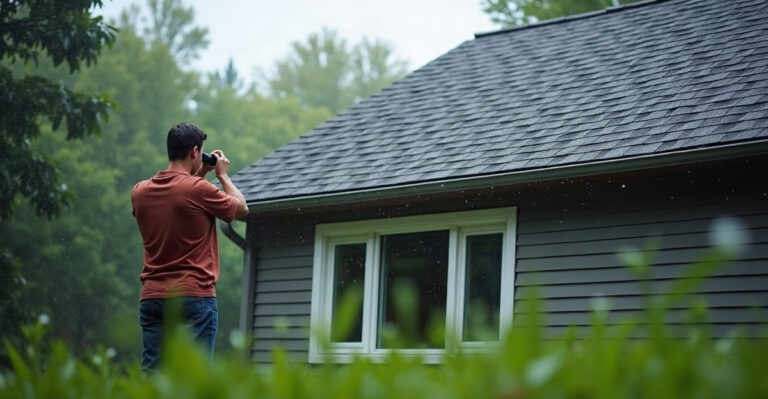
You do not need to climb onto the roof. In many cases, a ground-level inspection can reveal obvious signs of damage.
Look for:
- Missing shingles
- Curled or lifted shingles
- Dark or worn areas
- Visible gaps
- Loose flashing
- Sagging roof sections
- Debris buildup
- Damaged gutters
- Tree branches touching the roof
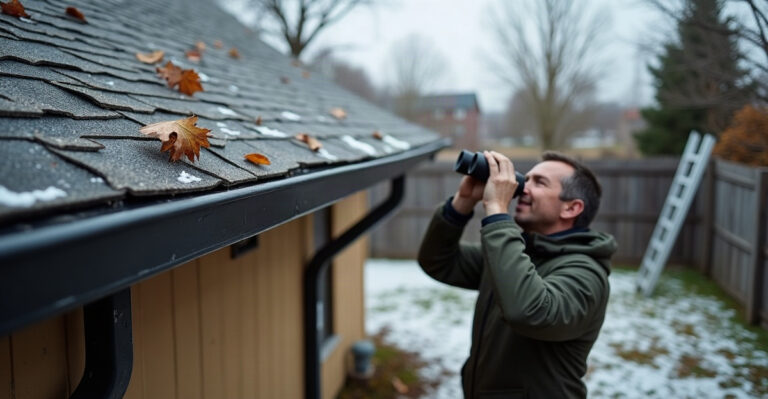
Use binoculars if needed to view hard-to-see sections safely.
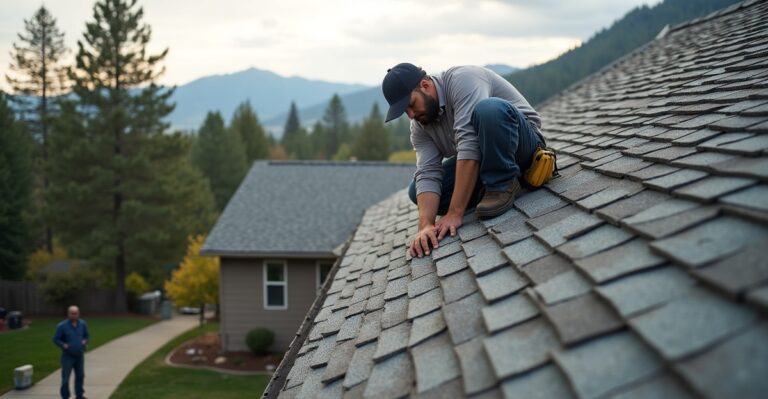
If something looks damaged, avoid climbing onto the roof yourself. A roofing professional can inspect the area safely.
Keep Gutters and Downspouts Clear
Proper drainage plays an important role in roof leak prevention.
When gutters become clogged with leaves, pine needles, dirt, or other debris, water may back up near the roof edge. It can then reach areas where moisture should not collect.
Check Gutters Regularly
Inspect gutters during the fall and spring.
Homes near trees may need more frequent checks.
Look for:
- Overflowing water
- Sagging sections
- Standing water
- Loose fasteners
- Debris
- Disconnected downspouts
Make Sure Downspouts Drain Properly
Downspouts should carry water away from the home.
Blocked downspouts can force water back into the gutter system and increase moisture around the roof edge.
Keeping drainage paths open is an important part of learning how to prevent roof leaks before they develop.
Look for Damaged or Missing Shingles
Shingles create the main protective surface of many residential roofs.
Wind, hail, age, sun exposure, and changing temperatures can weaken them.
Common signs of shingle damage include:
- Missing shingles
- Cracked shingles
- Lifted edges
- Curling
- Granule loss
- Bare spots
- Loose sections
Missing shingles can expose the material below to rain and snow.
If damage is limited, a professional roof repair may help restore the affected area before water reaches the interior.
Check Roof Flashing
Flashing is installed around areas where different roof surfaces or materials meet.
It is commonly found around:
- Chimneys
- Skylights
- Roof valleys
- Walls
- Vents
- Roof edges
Flashing helps direct water away from joints and openings.
Watch for Flashing Problems
Potential signs of trouble include:
- Loose metal
- Visible gaps
- Rust
- Bent sections
- Missing sealant
- Water stains nearby
Damaged flashing is a common source of roof leaks because water can enter through small openings.
A roofer can determine whether the flashing can be resealed or needs replacement.
Inspect Pipe Boots and Roof Vents
Plumbing vents and other roof penetrations require seals to keep water outside.
Pipe boots can crack as they age. Rubber components may become brittle after years of sun and temperature changes.
Check for visible:
- Cracks
- Gaps
- Loose materials
- Deteriorated seals
- Rust around metal vents
Even a small gap around a roof penetration can allow water to enter during heavy rain.
Keep Roof Valleys Clear
Roof valleys carry a large amount of runoff because two roof slopes meet in these areas.
Leaves, branches, and other debris can collect in valleys and slow drainage.
Standing debris may trap moisture and place extra stress on shingles.
Keep valleys clear when they can be accessed safely.
Never walk on a wet, icy, or steep roof to remove debris. Professional cleaning is safer when the area cannot be reached from the ground.
Trim Overhanging Tree Branches
Branches hanging above the roof can create several problems.
They may scrape shingles during windy weather or drop leaves and pine needles into gutters.
Heavy branches may also break during storms and cause direct roof damage.
Trim branches that:
- Touch the roof
- Hang directly over shingles
- Block roof drainage
- Create heavy debris buildup
Leave large or dangerous tree work to a qualified tree service.
Check the Attic for Moisture
Not all roof problems are visible from outside.
The attic can provide early clues that moisture is entering the roofing system.
Signs to Look For
Check for:
- Damp insulation
- Water stains
- Dark wood
- Musty odors
- Mold
- Wet rafters
- Rust around nails
- Sunlight coming through gaps
Inspect the attic after heavy rain when possible.
If moisture repeatedly appears in the same area, professional evaluation can help identify the source.
Watch for Interior Warning Signs
Roof leaks may first appear as small changes inside the home.
Do not wait for water to drip from the ceiling.
Common warning signs include:
- Yellow or brown ceiling stains
- Peeling paint
- Bubbling drywall
- Damp walls
- Musty smells
- Mold growth
- Discolored ceiling areas
These problems can sometimes come from plumbing or condensation rather than the roof. A professional inspection can help identify the actual cause.
Prevent Ice and Snow Problems
Southwestern Idaho weather can expose roofs to snow, freezing temperatures, and changing conditions.
Snow can melt during warmer periods and refreeze when temperatures drop.
This repeated process may create drainage issues near roof edges.
Check After Snowmelt
When conditions are safe, inspect:
- Gutters
- Downspouts
- Roof edges
- Valleys
- Flashing
- Areas where snow collects
Look for damaged shingles, loose materials, or signs that water is not draining properly.
Avoid using sharp tools to remove ice from roofing materials because they can damage shingles and flashing.
Inspect the Roof After Strong Storms
Wind, hail, heavy rain, and falling branches can damage roofing materials.
A roof may look normal from inside even when the exterior has been affected.
After severe weather, check from the ground for:
- Missing shingles
- Loose roofing material
- Damaged flashing
- Fallen branches
- Bent gutters
- Visible impact damage
If you suspect storm damage, schedule an inspection rather than waiting for a leak.
Maintain Proper Attic Ventilation
Roof leaks are not the only source of attic moisture.
Poor ventilation can allow warm, moist air to collect inside the attic.
This moisture may create condensation that looks similar to a roof leak.
Proper ventilation helps manage attic temperature and moisture.
A roofing professional can check whether ventilation problems are contributing to damp insulation, mold, or moisture around the roof deck.
Do Not Delay Small Roof Repairs
One of the most important parts of understanding how to prevent roof leaks is acting early.
A small roofing problem can become worse after repeated exposure to rain, wind, snow, and temperature changes.
Examples of issues that should not be ignored include:
- One missing shingle
- Small flashing gaps
- Loose vents
- Cracked pipe boots
- Minor roof-edge damage
- Recurring gutter overflow
Prompt repairs can help prevent water from reaching deeper roofing materials.
Know When Roof Replacement May Be Necessary
Maintenance can help extend the useful life of a roof, but it cannot correct every problem.
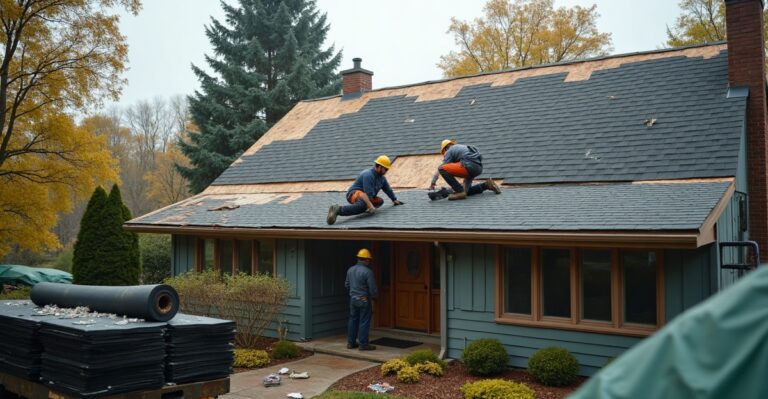
Roof replacement may become necessary when damage is widespread or the system is heavily worn.
Possible warning signs include:
- Frequent leaks
- Extensive shingle loss
- Widespread curling
- Severe granule loss
- Multiple previous repairs
- Sagging roof areas
- Extensive moisture damage
Homeowners dealing with widespread roofing problems can learn more about roof replacement options.
Create a Seasonal Roof Maintenance Routine
A simple schedule can make preventive maintenance easier.
Spring
Check for winter damage, loose shingles, gutter problems, and signs of moisture after snowmelt.
Summer
Watch for sun damage, cracked seals, and problems around roof penetrations.
Fall
Clear leaves and debris from gutters, valleys, and drainage areas before winter.
Winter
Inspect from the ground after snow, ice, or strong winds. Look for sagging, damaged gutters, and drainage concerns.
Seasonal checks make it easier to identify small changes before they become serious problems.
When Should You Call a Roofing Professional?
Some roof issues require professional inspection and repair.
Contact a roofer when you notice:
- Recurring leaks
- Large areas of missing shingles
- Sagging roof sections
- Severe storm damage
- Water near electrical fixtures
- Persistent attic moisture
- Damaged flashing
- Large roof penetrations
- Extensive corrosion
- Problems on steep or high roofs
A professional can inspect both visible and hidden roofing components.
For complete roofing support, homeowners can explore Idaho Roofing Solutions and available roofing services.
Protect Your Roof Before Leaks Begin
Knowing how to prevent roof leaks starts with regular inspections, clear drainage, quick repairs, and attention to common weak points.
Check gutters, shingles, flashing, roof vents, pipe boots, valleys, and attic areas throughout the year. Pay extra attention after strong storms, snowmelt, and periods of heavy debris.
Preventive maintenance cannot stop every roofing problem, but it can help identify damage before it becomes a major leak.
If you notice damaged roofing materials, recurring moisture, or other warning signs, contact Idaho Roofing Solutions to schedule a professional assessment.
Frequently Asked Questions About How to Prevent Roof Leaks
How often should I inspect my roof for leaks?
Homeowners should perform visual checks at least twice per year and after severe storms. Additional inspections may be helpful after snow, ice, or strong winds.
Can clogged gutters cause roof leaks?
Yes. Blocked gutters can allow water to back up near the roof edge. Proper gutter and downspout drainage helps reduce this risk.
What part of a roof is most likely to leak?
Leaks often develop around flashing, vents, pipe boots, skylights, valleys, roof edges, and damaged shingles because these areas contain joints or openings.
Can I prevent roof leaks without climbing onto the roof?
Yes. Many warning signs can be identified from the ground or attic. Professional roofers should handle inspections that require roof access.
Should I repair a small roof leak immediately?
Yes. Small leaks should be evaluated promptly. Continued water exposure can damage insulation, drywall, wood, and other materials inside the home.