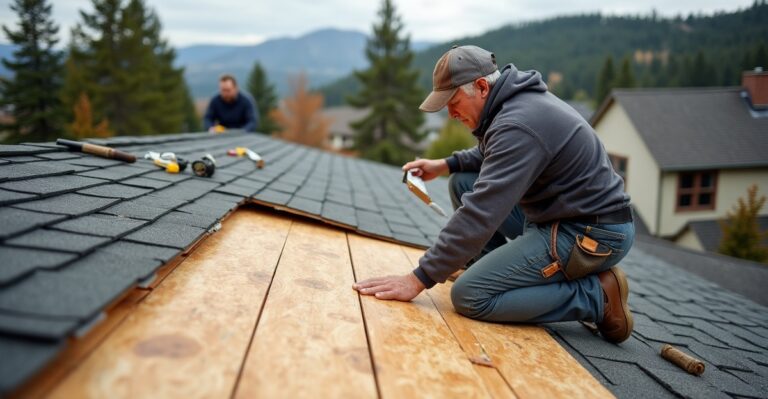
Essential Roofing Tips Every Homeowner Should Know
These roofing tips help us identify leak symptoms, shingle damage, drainage concerns, and structural warning signs before they cause larger problems. Safe checks from the ground, gutters, and attic help us spot concerns early. We should complete these checks after Southwestern Idaho wind, snow, and storms, then schedule a professional evaluation if we find damage.
Key Takeaways
- Address active leaks, spreading water stains, sagging areas, and recurring repairs quickly with a professional roof inspection.
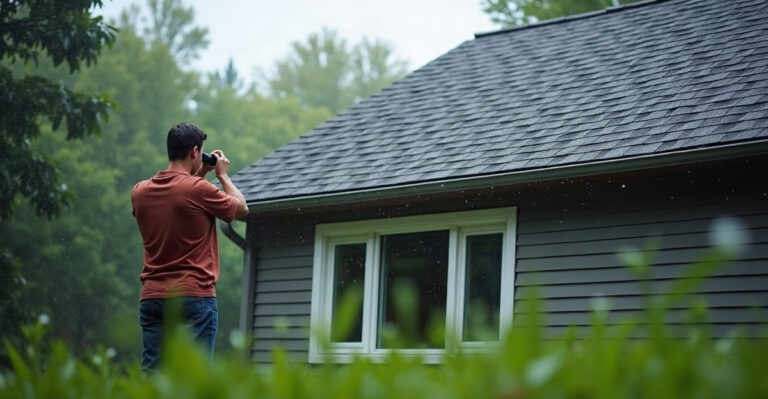
- Inspect the roof safely from the ground with binoculars. Check accessible gutters and the attic for moisture, daylight, damaged materials, and drainage concerns.
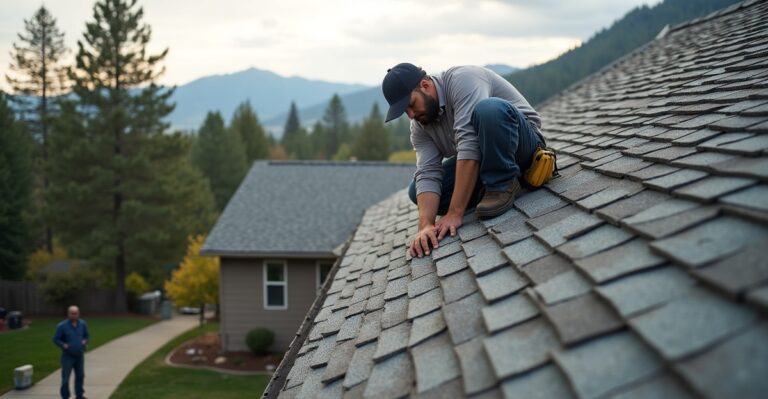
- Never walk on steep, wet, icy, storm-damaged, or visibly damaged roofs. Avoid unsafe ladder use during poor weather.
- Monitor flashing, shingles, gutters, and downspouts each season. Pay close attention after wind, snow, ice, and heavy debris buildup.
- Isolated damage may allow for repairs. Widespread deterioration, repeated leaks, major storm damage, and several age-related symptoms may call for a roof replacement evaluation.
Roof Warning Signs That Need Prompt Attention
Routine roof awareness and maintenance can help us spot problems earlier. However, they cannot guarantee that a roof will never leak or eliminate the eventual need for roof repair or replacement.
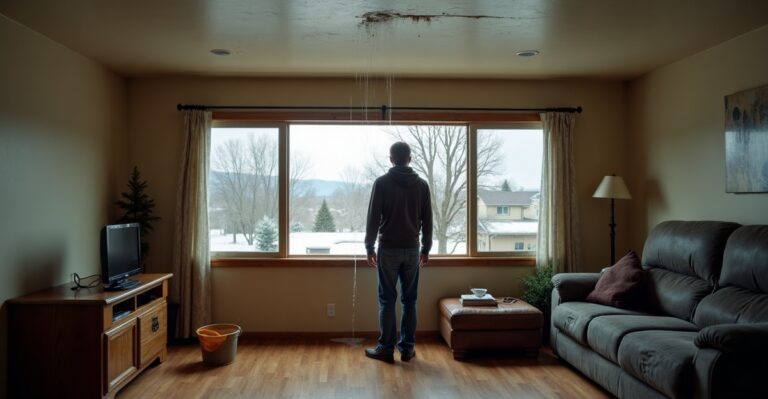
An active interior leak or a water stain that continues to spread needs prompt attention. Move belongings away from the affected area, place a container beneath active drips if it is safe to do so, document visible conditions, and arrange a professional evaluation. For more practical prevention guidance, review these roof leak prevention tips.
A sagging roofline, soft-looking roof area, or ceiling that appears to bow may point to roof decking or structural concerns. Stay off the roof and arrange an evaluation as soon as possible. Walking on a compromised surface can worsen the damage and create a serious fall hazard.
Missing, loose, cracked, curled, or wind-lifted shingles also deserve a roof inspection, particularly after wind or storm events. Damaged flashing, exposed fasteners, and failing seals around chimneys, vents, skylights, and roof transitions require similar attention. These vulnerable areas can allow water intrusion when materials loosen or deteriorate.
Repeated leaks and recurring repairs are another important warning sign. A targeted repair may still be appropriate, but ongoing issues can indicate that it is time for a roof replacement evaluation. If storm damage is suspected, photograph visible conditions from the ground, avoid unsafe access, and schedule an inspection. A roof approaching or exceeding its expected service life can also benefit from professional review, although age alone does not automatically require replacement.
Roofing Safety Tips: What Homeowners Can and Should Not Do
Safe roofing practices begin with a firm boundary: never walk on a steep, wet, icy, storm-damaged, high, or visibly compromised roof. Avoid inspections during rain, high winds, icy conditions, or active storms. Ground-level observations, attic checks, and professional roof inspections are safer and can often provide enough information to determine the next step.
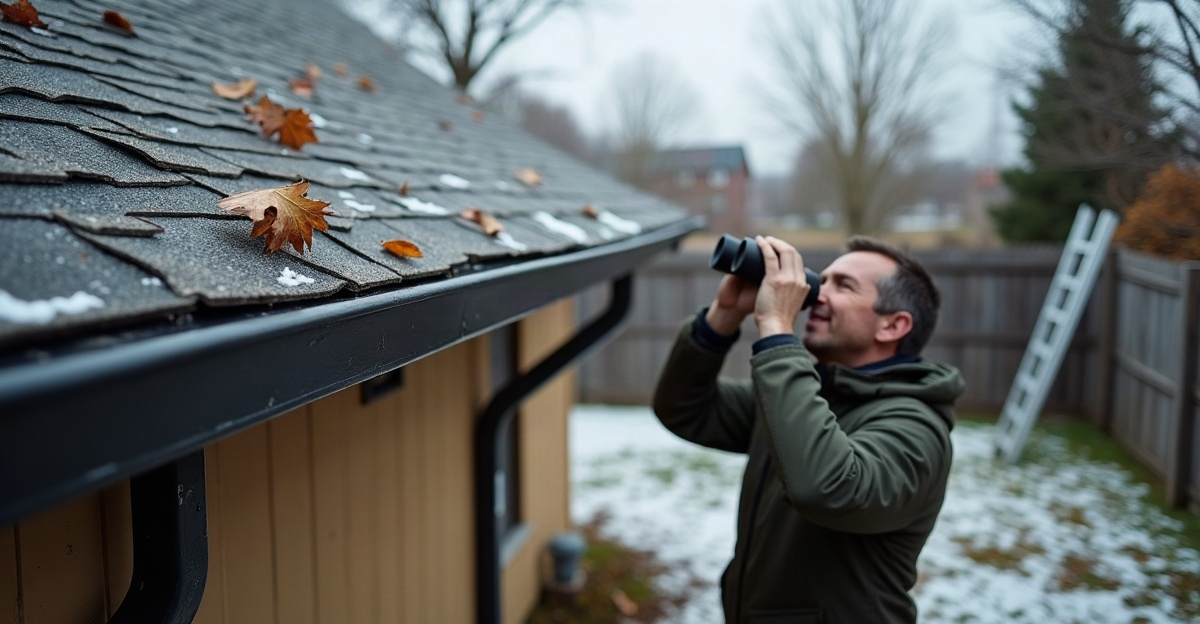
Homeowner-level roofing maintenance may include viewing the roof from the ground, checking accessible gutters when conditions are safe, and watching the attic for moisture or daylight. Binoculars can help identify shingle edges, flashing, and ridge-line concerns without leaving the ground.
A ladder requires careful use. Inspect it before use, place it on stable and level ground, maintain three points of contact, stay well clear of power lines, and avoid working alone whenever possible. Wind, rain, snow, and ice can make ladder work especially dangerous.
Avoid pressure-washing shingles, applying harsh chemicals, scraping ice from the roof, or sealing over a problem before identifying its source. DIY repairs can damage roofing materials, conceal active moisture intrusion, or create avoidable safety hazards. A professional assessment offers a clearer path when visible damage or leak symptoms appear.
How to Check Your Roof From the Ground, Gutters, and Attic
Ground-level checks are among the most useful roofing tips for homeowners. After major weather events, walk around the property and use binoculars if needed. Look for missing shingles, cracked tabs, curling edges, lifted areas, uneven rooflines, and debris caught in valleys. Consider visible wear alongside the roof’s age and any indoor symptoms.
From a safe vantage point, check visible flashing around chimneys, vents, skylights, and roof transitions. Bent, loose, or exposed metal may need professional attention. Our homeowner roof inspection checklist can help organize these observations without encouraging unsafe roof access.
Gutters and downspouts also provide useful clues. Leaves, debris, standing water, and granules at gutter runs or downspout exits may point to drainage concerns or shingle wear. Granules alone do not confirm that a roof needs replacement. They should be considered with the roof’s age and other visible symptoms. Clear gutters and downspouts only when access is safe, or arrange professional help for difficult heights and unstable ladder conditions. Learn why gutter cleaning protects roofs from water-management problems.
Inside the attic, look for daylight through the roof deck, damp insulation, water staining, musty odors, mold-like growth, and visible moisture. Keep soffit and roof vents unobstructed to support attic airflow. Persistent ventilation concerns should be diagnosed and addressed by a qualified professional.
Overhanging branches can rub against roofing materials and deposit debris into gutters. A qualified tree professional can trim branches safely where necessary.
Essential Roofing Maintenance Tips by Season in Southwestern Idaho
Southwestern Idaho roofs face wind, snow and ice, temperature swings, summer heat, debris buildup, and storm exposure. For homeowners in Boise, Meridian, Eagle, Kuna, Nampa, Caldwell, Middleton, Mountain Home, McCall, and nearby communities, seasonal roof awareness can help identify developing concerns before they become more extensive repairs.
Spring and Summer Checks
In spring, check for winter-related damage from the ground. Watch for loose or missing materials, gutter debris, water stains, and drainage issues after snow and wind. Summer is a good time to monitor for heat-related wear, attic heat, ventilation concerns, and debris buildup. A seasonal roof maintenance checklist can help keep these checks consistent.
Fall and Winter Checks
During fall, remove leaves and debris from gutters where it can be done safely. Confirm that downspouts direct water away from the home and prepare for winter weather. In winter, watch for indoor leak signs, ice accumulation concerns, and visible storm damage from the ground. Never climb onto an icy roof.
These roofing maintenance practices support roof longevity and can help uncover issues earlier. Maintenance cannot eliminate the future need for roof repair or replacement. For ongoing care guidance, review these roof lifespan maintenance tips.
When a Roof Repair May Be Enough and When Replacement Is Worth Evaluating
Not every roof issue requires replacement. Isolated damage, a localized leak source, or limited flashing concerns may be repairable after an in-person assessment. Our roof repair services focus on identifying the cause of the issue before recommending work.
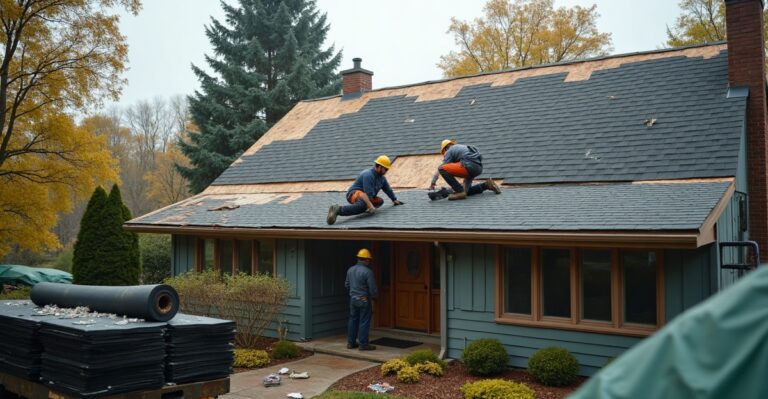
Replacement is worth evaluating when deterioration is widespread, leaks recur in multiple areas, storm damage is extensive, materials are compromised, or the roof has advanced age combined with several visible symptoms. A roof replacement evaluation provides a practical way to compare the condition of the existing roof with the value of continued repairs.
Asphalt shingles, metal roofing, and other roofing systems display wear differently. Asphalt shingles may lose granules, curl, crack, or lift. Metal roofing may develop concerns around fasteners, seams, penetrations, and flashing. Roof performance depends on installation quality, roof design, ventilation, maintenance, weather exposure, and material type. No responsible contractor can diagnose the full condition of a roof without seeing it in person.
For a new home or major construction project, new construction roofing planning should account for building design, drainage paths, material selection, and proper ventilation from the start.
What to Do After Storm Damage or a Suspected Leak
After suspected storm damage or a leak, act promptly without taking unnecessary risks. Protect belongings from active drips, photograph visible roof conditions from the ground, note when the issue first appeared, and avoid climbing onto the roof. Wind-lifted shingles, flashing damage, granule buildup, water stains, and recurring leaks all justify a professional roof inspection.
Document visible conditions before making major changes, then review the insurance policy and contact the insurer as appropriate. Coverage depends on the policy terms, the reported damage, and the insurer’s review. Documentation can provide a clearer record, but it does not guarantee coverage.
Routine seasonal awareness and ground-level checks after major weather events create a sensible inspection schedule. Professional inspections are appropriate whenever warning signs appear. It is not safe to walk on a roof for inspection; attic observations and ground-level views are safer alternatives.
Early signs of a roof leak can include interior water stains, damp insulation, musty odors, dripping, and mold-like growth. Granules in gutters do not always mean a new roof is necessary, although they can indicate wear that needs evaluation. Clogged gutters can contribute to water-management problems, so clear them safely or request help when access is difficult.
If you notice active leaks, missing shingles, sagging, water stains, recurring problems, or suspected storm damage, schedule a professional roof inspection to understand the roof’s condition and determine the appropriate next step.