Roof Replacement Alternatives Homeowners Can Consider
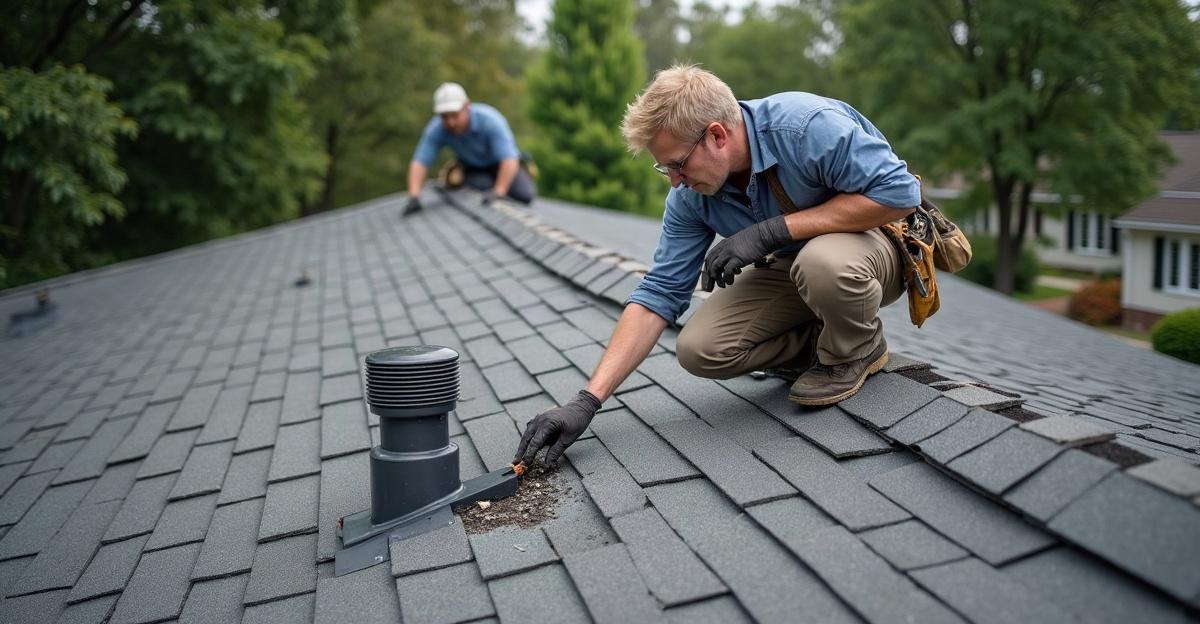
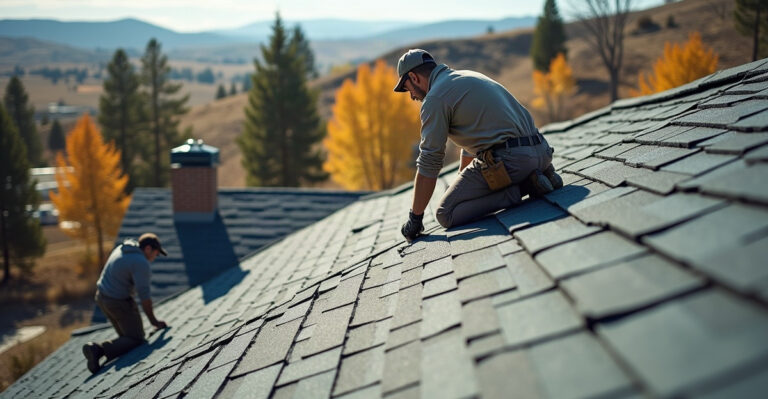
Roof replacement alternatives can resolve isolated damage, including failed flashing, worn pipe boots, limited shingle loss, and localized leaks. We recommend these options only when the remaining roof system remains in good condition. A complete inspection of roofing materials, decking, attic moisture, ventilation, drainage, and prior repairs helps us choose the responsible option: repair, restoration, partial reroofing, or full replacement.
Key Takeaways
- We recommend targeted repairs when damage has a clear, contained cause and nearby roofing materials remain serviceable.
- Flashing repairs, ventilation upgrades, insulation corrections, and gutter maintenance can correct moisture and drainage issues. However, they can’t restore worn-out roofing materials.
- Partial reroofing can work for one damaged section. Material matching, nearby wear, and product availability may affect the final result.
- Roof coatings can suit compatible metal and low-slope roofs with dry, sound substrates. They don’t provide a standard fix for deteriorated asphalt shingles.
- We often recommend full replacement for widespread material failure, repeated leaks, soft or sagging areas, rotted decking, ongoing attic moisture, or significant age-related wear.
Can You Avoid Replacing Your Roof?
A full roof replacement isn’t always necessary. Roof replacement alternatives can make sense when damage is isolated, its cause is clear, and the remaining roof system is still serviceable.
A ceiling stain, missing shingle, granule loss, or one leak doesn’t automatically mean the whole roof has failed. Each can point to a localized issue, such as damaged flashing or a worn pipe boot. They can also signal hidden moisture or broader material failure, so a professional roof assessment should look beyond the visible symptom.
Alternatives to roof replacement won’t reliably correct widespread deterioration, extensive moisture damage, sagging decking, or an aging roof that has reached the end of its useful condition. Replacement is often the responsible choice when we find repeated or multiple leaks, widespread curling or cracking, missing shingles across several areas, broad granule loss, brittle materials, soft spots, sagging roof planes, damaged or rotted decking, failed past repairs, persistent attic moisture, or broad age-related wear.
During an inspection, we evaluate roofing materials, flashing, pipe boots, valleys, gutters, drainage, decking, attic moisture, insulation, ventilation, prior repairs, and storm damage. This complete view helps separate repairable roof damage from a roof-system issue that needs broader work. Our roof repair vs. replacement guide explains how these options differ.
Roof Replacement Alternatives That May Be Worth Considering
Targeted roof repairs work best for isolated, identifiable damage. This may include replacing a limited number of wind-damaged shingles, repairing flashing, replacing deteriorated pipe boots, correcting a valley issue, or stopping a localized leak. We recommend targeted roof repairs when the rest of the roof remains sound.
Flashing seals vulnerable joints around chimneys, walls, valleys, and roof penetrations. Correcting failed flashing, drainage problems, ventilation concerns, insulation gaps, or air leaks can reduce attic moisture and ice-dam risks. Preventive roof maintenance, including debris removal and gutter care, can extend roof service but can’t restore failed roofing materials.
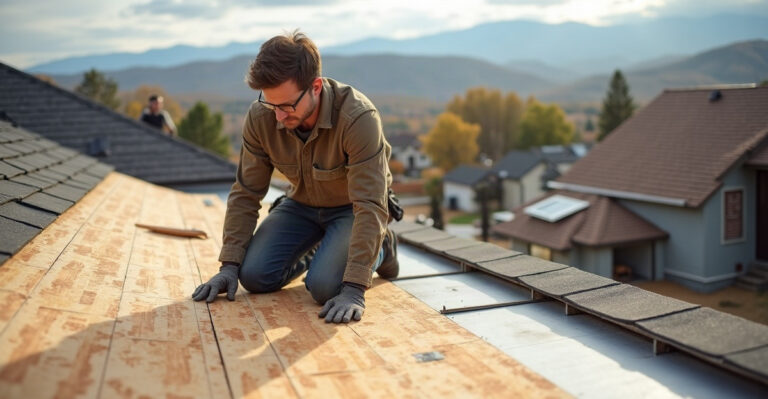
Partial reroofing may work when damage stays within one section and matching materials are available. Color variation, weathering, product availability, and the condition of adjacent areas can limit this option. Roof restoration and roof coatings can work on compatible low-slope assemblies and some metal systems if the underlying roof is dry and structurally sound. Coatings are not a standard solution for deteriorated asphalt shingles.
A shingle overlay adds a second layer of shingles over an existing layer. It may be permitted in limited situations, but we must assess local requirements, existing layers, weight, deck condition, ventilation, manufacturer instructions, and warranty implications. An overlay can conceal deck damage, so it isn’t a default budget alternative. Our comparison of roof overlay versus tear-off covers these tradeoffs.
| Option | May Be Appropriate When | What It Can Address | Important Limitations | Questions to Ask During an Inspection |
|---|---|---|---|---|
| Targeted repair | Damage is isolated | Leaks, shingles, flashing, pipe boots | Won’t correct broad aging or hidden moisture | Is the surrounding roof sound? |
| Flashing/ventilation correction | The roof material remains serviceable | Leaks, attic moisture, ice-dam contributors | Failed shingles or decking still need repair | What caused the moisture? |
| Partial reroofing | One section has contained damage | Localized material failure | Matching and adjacent wear may limit results | Can materials match acceptably? |
| Restoration/coating | A compatible system is dry and sound | Some metal and low-slope roof wear | Not standard for failing shingles | Is the substrate dry and compatible? |
| Overlay/reroof | Local rules and roof conditions allow it | An existing shingle layer | Can hide deck damage and add weight | Are layers, ventilation, and warranties acceptable? |
| Preventive maintenance | The roof is in generally good condition | Debris, gutters, minor sealing needs | Doesn’t replace failed roofing | Which maintenance items matter most? |
| Full replacement | Deterioration is widespread | System-wide material and deck access needs | May uncover hidden conditions during work | What deck repairs may be needed? |
Which Alternatives Work for Different Roofing Materials?
Asphalt shingle repair can address a few damaged shingles, a small leak area, or a limited section replacement. Widespread cracking, curling, missing shingles, or extensive granule loss usually reduces the value of repeated repairs. Roof coatings don’t correct failing shingle roofs.
Metal roofing may allow fastener, seam, flashing, or localized corrosion repairs. A metal roof coating may be considered for compatible systems after we assess the substrate and confirm that trapped moisture isn’t present. For material comparisons, review our metal versus asphalt shingles comparison.
Low-slope roofing has a shallow pitch and commonly uses membrane-style systems. Low-slope roof restoration, repairs, or coatings may be possible based on membrane condition, seams, drainage, ponding water, and moisture beneath the surface.
Tile roof repair can include individual tile replacement and flashing work, but the underlayment beneath the tiles needs assessment. Cedar roof repair may work for isolated damage, while widespread splitting, decay, moss-related deterioration, or moisture damage often calls for broader work. Material type, roof access, previous repairs, hidden moisture, and underlying structural condition all affect the responsible choice. Our roofing material selection guide can help inform longer-term planning.
When Full Replacement Is Likely the Better Choice
A full roof replacement is often safer when repairs would treat symptoms while widespread deterioration remains. Key signs we need a roof replacement include repeated roof leaks, leaks in several locations, broad shingle failure, extensive granule loss, widespread curling or cracking, and multiple unsuccessful repairs.
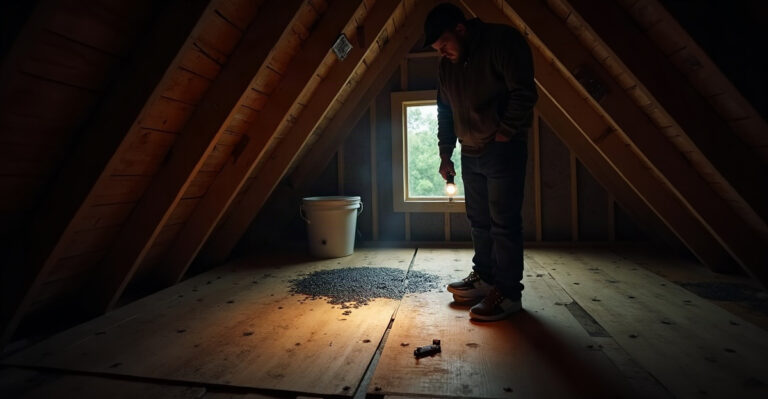
Decking is the structural wood surface beneath roofing materials. Soft spots, sagging areas, and confirmed damaged roof decking can mean roofing materials must be removed so we can inspect and repair the deck. Persistent attic moisture and rotted decking also deserve prompt attention because moisture can affect insulation, framing, and indoor finishes.
Cosmetic wear differs from roof-system failure. A few scuffed shingles after a storm may be repairable. Broad material failure, hidden moisture, structural concerns, or code-related issues usually require a larger solution. Pricing for roof repair vs. replacement depends on size, pitch, access, materials, damage extent, layer count, deck repairs, local labor conditions, and hidden conditions found during work. A roof replacement assessment gives us a clear basis for deciding.
How Idaho Weather and Roof-System Conditions Can Change the Decision
In Boise, Meridian, Eagle, Kuna, Nampa, Caldwell, Middleton, Mountain Home, McCall, and nearby southwestern Idaho communities, weather can turn a minor roof opening into a repeat leak. Snow accumulation, freeze-thaw movement, wind uplift, ice dams, spring runoff, and storms all place stress on roofing systems.
Freeze-thaw cycles can enlarge small openings around shingles, flashing, valleys, and penetrations. Penetrations are roof openings for plumbing vents, exhaust vents, skylights, and similar fixtures that need proper sealing. Wind can loosen shingles or damage flashing, while ice dams can push water beneath roofing materials.
Effective Idaho roof repair addresses the cause as well as the leak. Poor roof ventilation, inadequate insulation or air sealing, clogged gutters, drainage issues, and damaged flashing can contribute to later failures. Our energy-efficient roofing options explain how roof-system planning can support attic performance.
Storm damage may qualify for insurance coverage depending on the policy, cause of loss, documentation, deductible, and insurer determination. We recommend documenting visible damage, reviewing policy details, and discussing repair methods and roofing warranty implications with the insurer and contractor when applicable. Manufacturer instructions and local building-code resources should guide final scope decisions.
Questions to Ask Before Choosing Repair, Restoration, or Replacement
A clear roof inspection in southwestern Idaho should explain the entire system, proposed work, material compatibility, limitations, and whether the work addresses the underlying cause.
Homeowner Decision Checklist
During an inspection, we should get clear answers to these questions:
- Is the damage isolated or present across several roof areas?
- Has the roof leaked more than once or in multiple locations?
- Are the deck and attic dry, firm, and structurally sound?
- Is the roofing material generally in good condition?
- Are ventilation, flashing, drainage, or ice-dam issues contributing?
- Will the repair preserve applicable manufacturer warranty requirements?
- Does the scope meet local code and permit requirements?
- What work may be needed if hidden damage appears?
Common Questions About Roof Alternatives
Can we repair a roof instead of replacing it? Yes, if damage is isolated and the surrounding roof remains serviceable.
Is roof coating a good alternative to roof replacement? It can be for compatible low-slope or metal systems, but it isn’t a standard fix for failing asphalt shingles.
Can we replace only part of a roof? Partial reroofing may work when damage is contained and materials can match reasonably well.
Is it okay to put new shingles over old shingles? A shingle overlay may be allowed in some situations, but deck condition, layers, ventilation, code, and warranty requirements matter.
How do we know whether a roof leak is repairable? A professional roof assessment should identify the leak source, inspect adjacent materials, and check for attic or decking moisture.
Does homeowner’s insurance cover roof repair or replacement after a storm? Coverage depends on the policy and insurer’s determination.
For a roof repair estimate or a second opinion for roof replacement, Idaho Roofing Solutions provides straightforward guidance as a local, veteran-owned, family-operated roofing contractor. We can explain viable repair, restoration, tear-off, or replacement options clearly through a professional roof assessment.