Metal Roof vs Asphalt Shingles: Full Comparison
Choosing between a metal roof vs asphalt shingles requires a clear look at cost, performance, and long-term value. In Southwestern Idaho, snow loads, hail, wind, and intense high desert sun push roofing systems hard. We look at installed cost, service life, upkeep, storm resistance, energy savings, and resale impact so we can balance short-term budgets with long-term returns.
Key Takeaways
- Asphalt shingles usually cost $4–$8 per square foot installed and last 15–30 years, while metal roofing averages $8–$16+ per square foot installed with a 40–70+ year lifespan. We often see metal outlast shingles by decades under the same conditions.
- Metal roofs shed snow fast and resist high winds well, while impact-resistant shingles and proper ventilation help protect against hail and ice dams. We recommend matching the system to local weather patterns and roof slope.
- Lifetime value depends on how long we plan to stay in the home, since one metal roof can outlast two shingle roofs over the same time span. We calculate total ownership cost instead of focusing only on upfront price.
- Maintenance differs by system, with shingles needing routine checks for granule loss and missing tabs, and metal roofs needing inspections of fasteners, panels, and sealants. We schedule inspections after major storms to extend service life.
- Installation quality, underlayment choice, attic insulation, and ventilation drive durability and energy performance regardless of material. We treat these components as equal partners to the visible roofing surface.
Which Roofing Material Is Better for Southwestern Idaho Homes?
Metal roof vs asphalt shingles is one of the most common comparisons we discuss with homeowners across Boise, Meridian, Eagle, Kuna, Nampa, Caldwell, Middleton, Mountain Home, McCall, and surrounding areas. Our goal is to provide a clear, side-by-side breakdown of cost, durability, lifespan, maintenance, and Idaho weather performance so we can choose the right roofing material for our home and budget.
Southwestern Idaho presents unique challenges. Heavy snow loads, ice dams, freeze-thaw cycles, hail, high winds, and intense high desert sun all affect how a roof performs. Temperature swings can stress roofing materials over time. What works well in another state may not hold up the same way here.
Below is a quick comparison to frame the decision:
Metal vs Asphalt Shingles Comparison (Southwestern Idaho)
Installed Cost (per sq. ft.)
- Asphalt shingles: typically $4–$8 installed
- Metal roofing: typically $8–$16+ installed
(Costs vary based on roof size, pitch, tear-off needs, decking condition, underlayment, labor, and location.)
Lifespan in Idaho
- Asphalt shingles: 15–30 years
- Metal roofing: 40–70+ years
Maintenance
- Asphalt shingles: Moderate
- Metal roofing: Low to moderate
Durability
- Asphalt shingles: Strong wind ratings available; impact-resistant options exist
- Metal roofing: High wind performance; resistant to cracking; may dent from hail depending on gauge
Energy Efficiency
- Asphalt shingles: Color and ventilation dependent
- Metal roofing: Reflective coatings available
Resale Impact
- Asphalt shingles: Widely accepted, cost-effective
- Metal roofing: Appeals to buyers looking for long-term durability
Neither material is automatically better. The right choice depends on budget, long-term plans, and the home’s design. We focus on helping our neighbors make practical decisions, not pushing one system over another.
Upfront Cost Comparison: What Homeowners Should Expect
Metal vs shingles cost is often the first deciding factor. Asphalt shingles usually have the lower upfront price. In southwestern Idaho, most shingle systems range from about $4–$8 per square foot installed, depending on material grade and roof complexity.
Metal roofing generally ranges from about $8–$16+ per square foot installed. Standing seam panels, heavier gauge steel, specialty finishes, and custom trim details can increase that investment.
Pricing is influenced by several factors:
- Roof size and pitch
Steeper roofs require more labor and safety equipment. - Tear-off requirements
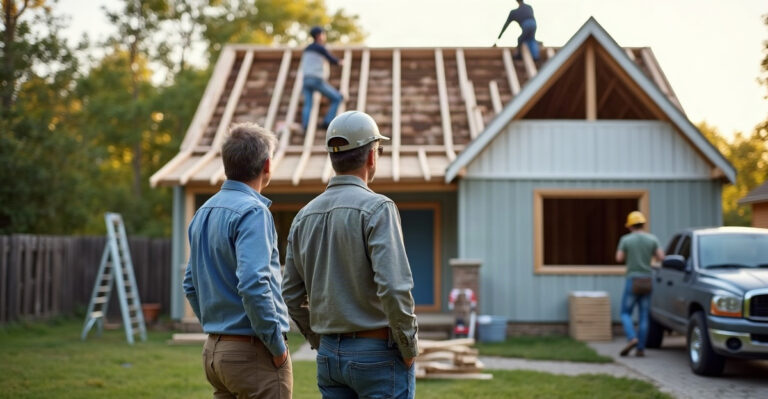
Removing old shingles adds labor and disposal costs. We explain the process clearly when planning a roof tear-off. - Decking condition
If we find damaged sheathing after removing old materials, repairs will affect total cost. - Underlayment
Ice and water shield in valleys and along eaves is critical in snow-prone areas. - Flashing and penetrations
Chimneys, skylights, and complex rooflines increase labor. - Local labor rates
Costs reflect skilled installation in Boise and surrounding communities.
We avoid fixed pricing promises without an inspection. Every roof is different. Many of our calls come from middle to upper-middle income homeowners with aging asphalt roofs who want to plan responsibly. A written estimate and clear scope of work provide transparency from the start.
When it’s time for a full upgrade, we walk through options during a roof replacement consultation and explain financing options where available. That way, we can weigh short-term affordability against long-term value.
Long-Term Value: Lifespan, Maintenance, and Lifetime Cost
A durability comparison roofing discussion goes beyond the sticker price. Lifespan matters, especially in Idaho’s climate.
Asphalt shingles typically last 15–30 years here, depending on product quality, attic ventilation, and exposure. We break this down further in our guide on how long a roof lasts in Idaho weather.
Metal roofing often lasts 40–70+ years with proper installation and routine maintenance. That doesn’t mean it lasts forever. Panels, fasteners, sealants, and flashings still require attention over time.
When we look at lifetime cost, the math becomes clearer. One well-installed metal roof over 40–70 years may replace the need for two asphalt shingle roofs during the same span. However, that only makes sense if we plan to stay in the home long enough to see the benefit.
Maintenance expectations differ:
Asphalt shingles
- Monitor for cracked or missing shingles
- Watch for granule loss
- Inspect flashing and storm damage areas
Metal roofing
- Inspect fasteners on exposed fastener systems
- Check sealants and flashing connections
- Address occasional panel damage
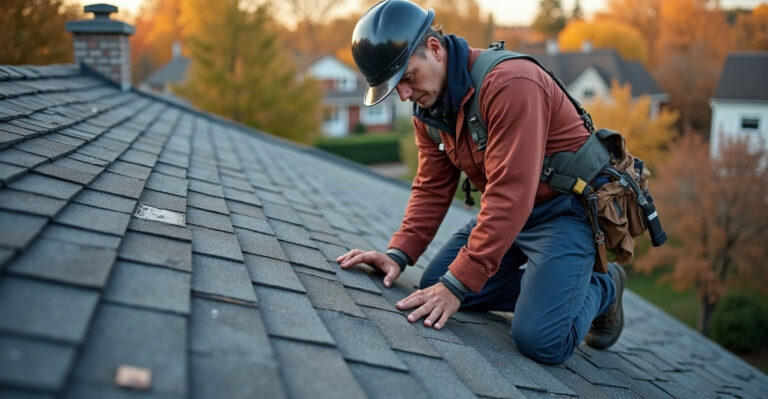
Annual inspections are critical for both systems, especially after hail or wind events. Many common issues start small. Our article on common roof problems in Idaho homes outlines what we frequently see across the Treasure Valley.
Sometimes the decision isn’t material-specific at all. A roof may only need targeted repairs. Our guide on roof repair vs replacement helps weigh that choice carefully.
Performance in Idaho Weather: Snow, Hail, Wind, and Fire
Choosing the best roof for snow and weather exposure requires understanding local conditions.
Snow and Ice
Metal roofing sheds snow more easily than asphalt. That can reduce prolonged snow load but may require snow retention systems to control sliding sheets of snow. Asphalt shingles tend to hold snow longer. Without proper attic ventilation and insulation, ice dam risk increases. Ventilation and underlayment matter as much as the surface material.
Hail
Impact-resistant shingles with Class 4 ratings can improve performance in hail-prone areas. Metal panels resist cracking but may dent depending on gauge and impact severity. Cosmetic dents don’t always affect function, but appearance is a factor for some homeowners.
Wind
Many modern asphalt shingles carry wind ratings between 110–130 mph, depending on manufacturer specifications. Proper nailing patterns and sealing are critical. Engineered metal systems also perform well in high winds when correctly installed with appropriate fasteners and trim details.
Fire
Both asphalt shingles and metal roofing can achieve Class A fire ratings when installed as a complete system with appropriate underlayment.
Performance comes down to proper installation, correct underlayment choices, and balanced attic ventilation. Material selection cannot compensate for poor workmanship. We focus on solid installation practices across all our roofing services in the Boise area and beyond.
If warning signs are already present, reviewing these signs a roof needs replacement can help determine urgency.
Energy Efficiency and Comfort in High Desert Conditions
Southwestern Idaho’s high desert climate brings intense summer sun and significant temperature swings. Attic insulation and ventilation often have a larger impact on comfort than the surface material alone. Still, roofing choice plays a role.
Metal roofing is available with reflective coatings that reduce heat absorption. In sunny, exposed areas, this can help moderate attic temperatures when combined with proper ventilation.
Asphalt shingles also come in lighter colors and “cool roof” options. Darker shingles absorb more heat, which may raise attic temperatures if insulation levels are insufficient.
We avoid overstating energy savings. Air sealing, insulation depth, and ventilation strategy typically drive performance more than metal versus shingles alone.
Noise concerns come up often. Properly installed metal roofing over solid decking and quality underlayment is not significantly louder than shingles during rain. Solid sheathing and insulation dampen sound effectively.
Energy efficiency supports long-term value and can improve resale appeal, especially if documented with evidence of proper installation rather than marketing claims.
Resale Value, Appearance, and When Each Option Makes Sense
Curb appeal influences material choice.
Asphalt shingles offer a traditional look and wide color selection. Architectural shingles complement most subdivisions in Boise, Meridian, and Nampa.
Metal roofing works well for modern, farmhouse, and mountain-style homes. Standing seam panels create clean lines that fit many properties in Eagle, McCall, and rural Canyon County.
Resale Value
Metal roofing may attract buyers who prioritize long-term durability. A well-maintained asphalt roof remains widely accepted and cost-effective in most neighborhoods.
Insurance
Some insurers may offer discounts for impact-resistant roofing systems. We always recommend confirming details directly with the provider.
Asphalt shingles often make sense when:
- The plan is to stay in the home for a shorter period.
- Upfront budget flexibility is limited.
- HOA requirements or neighborhood consistency favor shingles.
Metal roofing often makes sense when:
- Long-term ownership is likely.
- The property has high snow or wind exposure.
- The goal is fewer lifetime replacements.
Before deciding, it helps to step back and consider a few practical points:
- How long we expect to stay in the home.
- Whether the roof structure supports the selected material.
- Comfort with higher upfront cost versus long-term investment.
Clear answers to those questions simplify the metal roof vs asphalt shingles decision.
For homeowners ready to evaluate their roof in Boise or surrounding communities, we recommend starting with a professional inspection and written estimate. We review options honestly and explain costs in detail. If scheduling a consultation makes sense, we can reach out through our contact page. Our focus stays on helping our neighbors choose the right system for their home, even if that option isn’t the higher-cost one.