When Is the Best Time to Replace a Roof in Idaho?
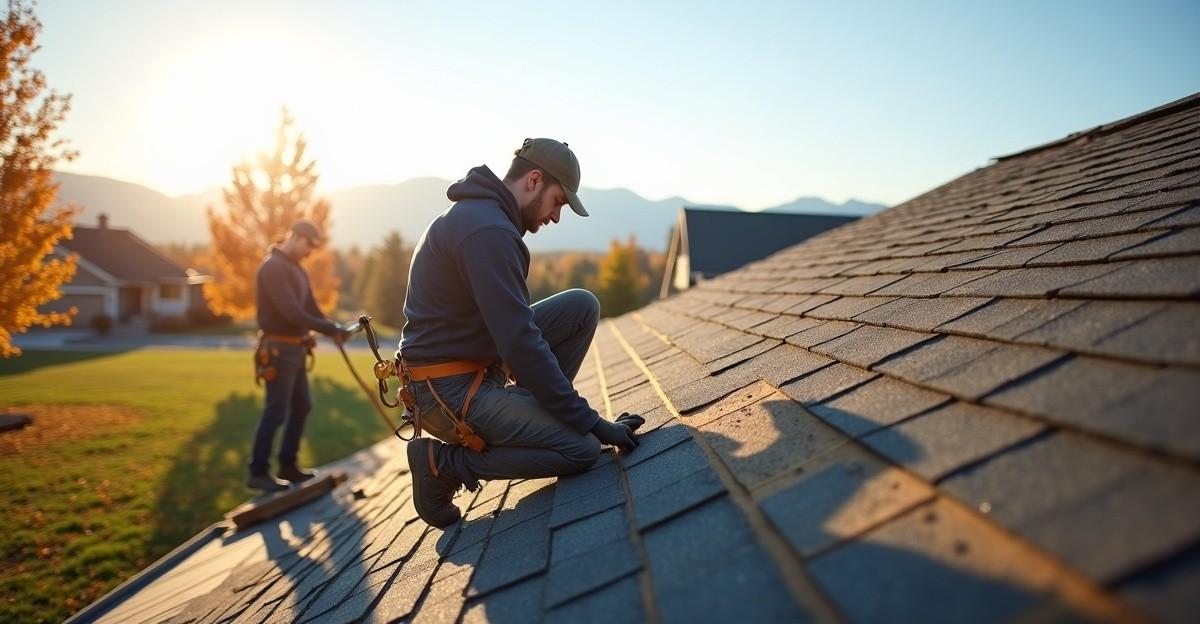
Choosing the right time to replace a roof in Idaho depends on seasonal weather patterns, the roof’s current condition, material requirements, and contractor availability throughout southwestern Idaho. We often see fall and summer provide strong installation conditions, yet urgent issues like leaks, storm damage, or structural concerns should always take priority over waiting for the “perfect” season.
Key Takeaways
- There isn’t a single best season for every home; we base timing on roof condition, materials, weather patterns, and schedule flexibility.
- Fall and summer usually deliver stable conditions for asphalt shingle installation, yet high demand means we must schedule early.
- Spring projects require careful planning for rain and temperature swings, while winter replacements demand specific cold-weather installation methods.
- Active leaks, sagging sections, missing shingles, or exposed decking call for immediate action regardless of season.
- Material costs, labor, and project scope drive pricing more than the time of year, so we always recommend written estimates and clearly defined timelines.
We guide homeowners through each seasonal advantage and limitation so they can make informed, cost-effective decisions. Timing matters, but the roof’s integrity matters more. When warning signs appear, we act quickly to protect the home and prevent further damage.
What Most Homeowners Want to Know First: Is There a “Best” Season in Idaho?
There isn’t one single season that works best for every homeowner in southwestern Idaho. The best time to replace roof Idaho depends on the roof’s current condition, the urgency of repairs, the material being installed, schedule flexibility, and local weather patterns.
Our climate plays a major role in that decision. Idaho winters bring freezing temperatures and snow. Spring often includes steady rain and temperature swings. Summers are hot and dry, especially across Boise, Meridian, Nampa, and Caldwell. Fall usually offers milder, more stable conditions, but colder weather can arrive quickly.
Roof replacement season Idaho should be evaluated with roofing weather timing in mind, along with contractor availability and the overall health of the roof. A well‑timed project supports long-term durability. However, an active problem changes the equation.
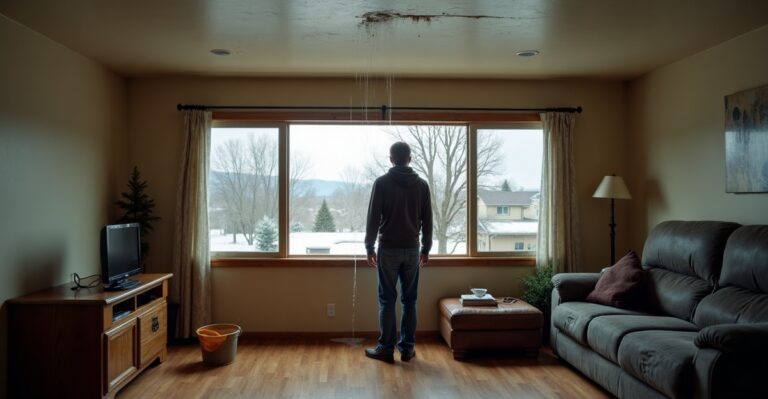
We don’t recommend waiting for a “perfect” season if the roof shows serious issues. Active leaks, sagging rooflines, exposed decking, or widespread missing shingles after a windstorm override seasonal timing. In those cases, protecting the home comes first.
Understanding when to install new roof materials is important. Even so, structural integrity and water protection always matter more than the month on the calendar.
Spring, Summer, Fall, or Winter? Pros and Cons of Each Roof Replacement Season in Idaho
Each season offers advantages and challenges. Here’s how we evaluate them across southwestern Idaho.
Spring Roof Replacement in Idaho
Spring often brings improving temperatures after winter. That makes it a practical time to address winter damage from snow, ice, or wind. Scheduling demand may be lighter than peak summer, which can help with availability.
Rain is the main drawback. Wet days can delay installation, and fluctuating temperatures may affect how quickly asphalt shingle seal strips activate. During active work, exposed decking must be protected carefully. Quality underlayment and attentive scheduling are critical in this season.
Summer Roof Replacement
Summer is the busiest roofing season in Idaho. Long daylight hours allow efficient installation, and our hot, dry conditions around Boise and surrounding communities often support smooth timelines.
Heat does require adjustments. High temperatures soften asphalt shingles, so careful handling and storage are essential to maintain material integrity. Summer also brings higher demand, which can mean longer lead times. Planning ahead is important during peak roofing season Idaho.
Fall Roof Replacement
Fall is often considered a strong candidate for the best time to replace roof Idaho, especially for asphalt shingle systems. Mild temperatures help adhesive seal strips bond effectively. Crews can work comfortably, which supports consistent installation quality.
Scheduling is the biggest challenge. Many homeowners want their roof replaced before winter storms arrive. Booking early in Boise, Eagle, Kuna, and neighboring cities is essential to secure a preferred timeframe.
Winter Roof Replacement
Winter installations are possible during milder stretches, especially for urgent situations. Scheduling may be more flexible compared to summer and fall.
Freezing temperatures create limitations. Asphalt shingles can become brittle in cold weather. Seal strips may not activate until warmer temperatures return. Manufacturer guidelines typically require minimum temperature thresholds for standard installation.
When necessary, we use special precautions, including:
- Hand-sealing shingles to improve wind resistance
- Closely monitoring nail placement
- Adjusting schedules around daily weather conditions
Cold-weather projects require planning and attention, but emergency replacements can be completed safely with the right approach.
How Idaho Weather Impacts Installation Quality and Material Performance
Roofing weather timing affects long-term durability, not just convenience.
Cold temperatures make asphalt shingles less flexible. This increases the risk of cracking if materials aren’t handled carefully. In winter installations, seal strips may remain inactive until spring warmth activates them. Hand-sealing helps ensure proper wind resistance during that waiting period.
Summer heat creates the opposite challenge. Shingles soften in high temperatures, requiring careful storage and measured foot placement during installation. On the positive side, warm weather supports strong adhesive bonding.
Spring rains demand strict moisture control. Exposed decking must stay dry. High-quality underlayment acts as a secondary barrier while shingles are installed. Crews must monitor the forecast closely and protect open sections of roof during sudden weather changes.
Fall provides stable temperatures that benefit several components of a roofing system. Flashing installation, ventilation evaluation, and shingle placement all perform well in consistent moderate weather. These conditions can support long-term performance when paired with proper attic ventilation.
Ventilation remains critical year-round. Idaho experiences temperature extremes between summer and winter. A well-balanced attic ventilation system reduces heat buildup, limits moisture accumulation, and supports shingle lifespan regardless of season.
Scheduling, Costs, and Planning Ahead in Boise and Southwestern Idaho
Homeowners often ask how far in advance they should schedule a roof replacement. In peak summer and fall, planning several weeks ahead is common in Boise and surrounding areas. Spring and winter may offer more flexibility, depending on weather patterns and storm activity.
Questions about cost also come up. Roofing cost does not automatically decrease in the off-season. Pricing is influenced more by material costs, labor, scope of work, and the condition of the decking than by time of year alone. Steep “seasonal discounts” should always be evaluated carefully. A clear written estimate matters more than a calendar promotion.
For a better understanding of budgeting, we recommend reviewing our breakdown of roof replacement cost in Idaho. That provides practical insight into what drives pricing.
Contractor workload increases during peak roof replacement season Idaho. Early planning expands scheduling options and provides time for HOA approvals if required. For storm damage, insurance timelines may affect when work must be completed.
We encourage:
- Detailed written estimates
- Clearly defined scopes of work
- Realistic project timelines
Transparency protects homeowners and sets the right expectations from day one.
Urgency vs. Ideal Timing: When Not to Wait
Certain conditions require prompt action, regardless of season.
We recommend immediate evaluation if you notice:
- Active leaks inside the home
- Sagging or uneven rooflines
- Exposed decking
- Missing or torn shingles after a windstorm
- Repeated repairs on an aging roof
Waiting for a “better” season can allow moisture to penetrate insulation and structural decking. Over time, that leads to rot, mold concerns, and more extensive repairs. What begins as a surface issue can become structural damage.
Storm damage across Idaho can accelerate that process. Insurance-driven claims also come with deadlines. Delaying too long may complicate claim approval or expand the scope of work required.
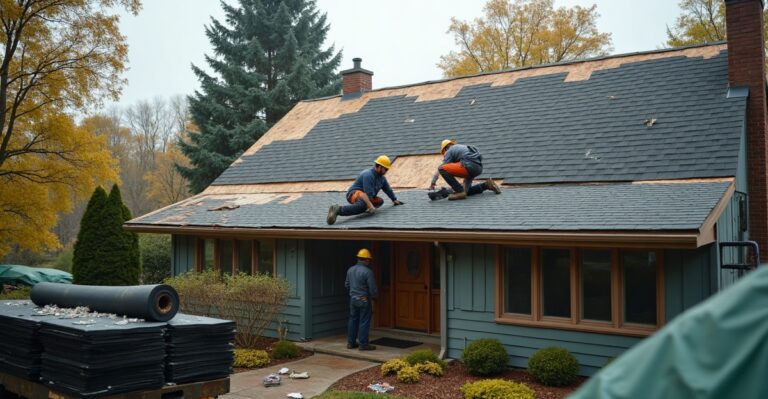
Emergency replacements can be performed in winter or less-than-ideal seasons. With proper precautions and manufacturer-compliant methods, we can protect the home even in colder conditions. Long-term protection outweighs short-term scheduling convenience.
If a roof shows advanced wear, exploring options like professional roof replacement or a focused roof repair helps prevent ongoing damage.
Making a Confident Decision for Your Home in Southwestern Idaho
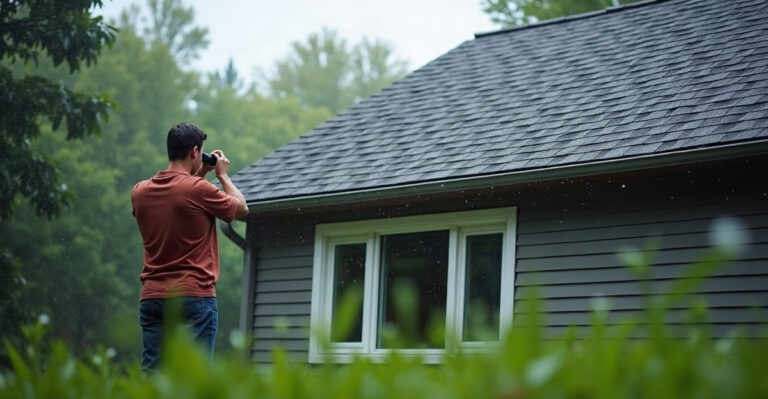
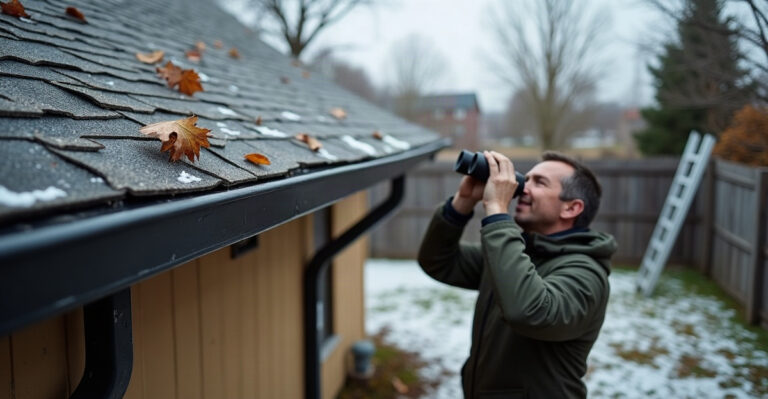
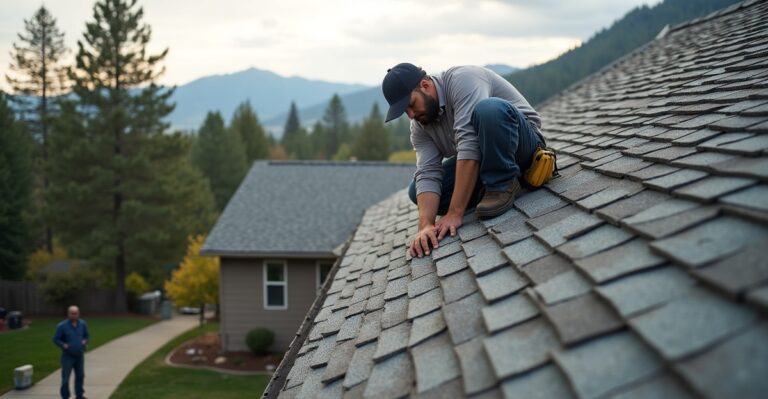
Every roof ages differently. Local climate, sun exposure, ventilation, and installation quality all play a role. A professional inspection helps determine the best time to replace roof Idaho based on actual conditions, not assumptions.
Evaluating when to install new roof materials means balancing urgency with practical scheduling. If the structure is sound and timing is flexible, we can plan for a season that supports efficient installation. If the roof is failing, protecting the home becomes the first priority.
We serve homeowners across Boise, Meridian, Eagle, Kuna, Nampa, Caldwell, Middleton, Mountain Home, McCall, and nearby communities. Our local experience helps us evaluate roof replacement season Idaho with realistic expectations about weather and scheduling.
Planning ahead reduces stress and protects your long-term investment. A straightforward inspection provides clarity about condition, timeline, and next steps.
For homeowners ready to discuss options, scheduling a consultation through our contact page allows us to review the roof’s condition and recommend an appropriate path forward. Clear answers and practical recommendations make it easier to move ahead with confidence.