How Long Does a Metal Roof Last?
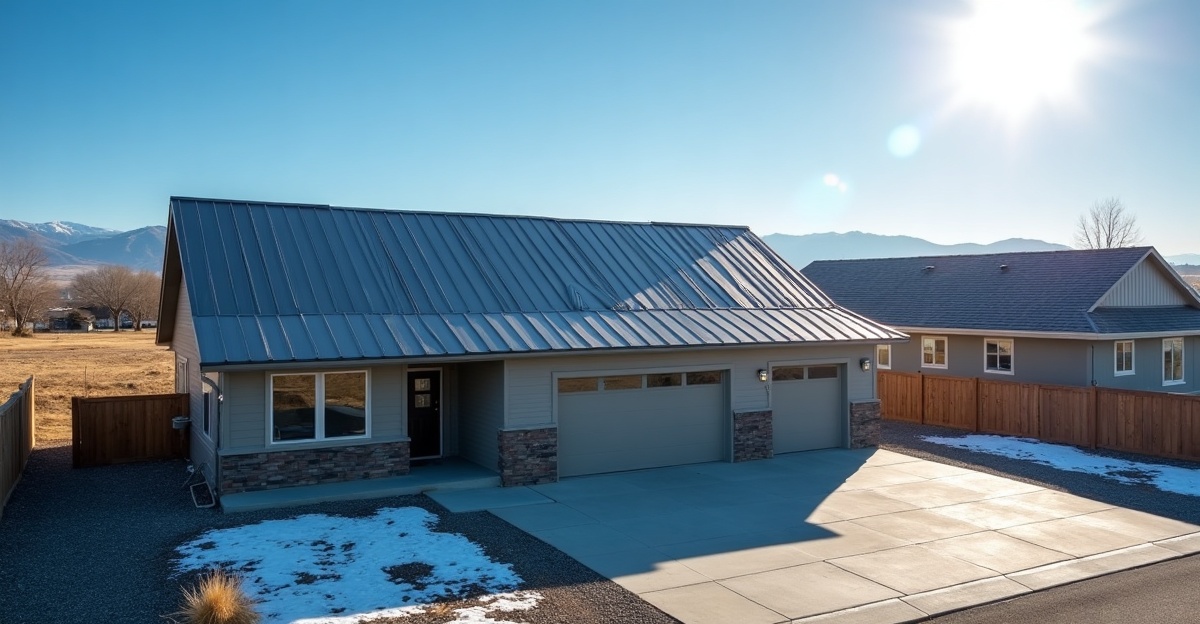
Metal roof lifespan in southwestern Idaho typically ranges from 40 to 70 years. We see performance vary based on system type, installation quality, and ongoing maintenance. Local climate plays a major role. Snow load, freeze-thaw cycles, strong UV exposure, and wide temperature swings all affect how long a metal roof performs. We consistently find that standing seam systems outlast exposed fastener panels over time.
Key Takeaways
- Most residential metal roofs last 40 to 70 years. We see exposed fastener systems perform for 20 to 40 years, while standing seam systems can exceed 70 years with proper care.
- Idaho’s snow, wind, sun exposure, and temperature swings directly affect metal roofing durability. We stress precise installation to prevent early wear and failure.
- Installation quality, panel thickness, protective coatings, ventilation, and underlayment all influence long-term performance. We recommend higher-gauge panels and premium coatings for maximum lifespan.
- Metal roofs outlast asphalt shingles in Idaho. Shingles average 15 to 25 years, while metal demands a higher upfront investment but delivers longer service life and stronger value over time.
- Regular inspections and maintenance protect the system. We check fasteners, sealants, flashing, and penetrations to extend service life and prevent costly repairs.
How Long Metal Roofs Typically Last in Southwestern Idaho
Most residential metal roof lifespan ranges from 40 to 70 years when properly installed and maintained. That range reflects realistic performance for homes across southwestern Idaho, including Boise, Meridian, Eagle, Kuna, Nampa, Caldwell, Middleton, Mountain Home, and McCall.
Exposed fastener (screw-down) metal panel systems generally last 20 to 40 years. Their lifespan depends heavily on fastener maintenance, panel thickness (gauge), and coating quality. Over time, screws can loosen from expansion and contraction, which may create small openings for moisture if they aren’t addressed.
Standing seam metal roofing systems often last 40 to 70+ years. These systems use concealed fasteners, which reduce water intrusion risks and limit fastener-related failures. That design plays a major role in long-term metal roofing durability.
Clear expectations matter. We don’t tell homeowners that metal roofs last forever. Performance varies based on installation quality, climate exposure, attic ventilation, and routine maintenance. Homeowners who ask, “How long do metal roofs last Idaho?” often receive different answers depending on elevation, wind exposure, and snow load in their specific area.
For a broader look at roof longevity in local conditions, we break it down in our guide on how long roofs last in Idaho weather.
How Idaho’s Climate Impacts Metal Roofing Durability
Southwestern Idaho’s climate demands a lot from any roofing system. The Treasure Valley and surrounding mountain communities see heavy snow in winter, strong sun in summer, and wide temperature swings throughout the year.
Snow loads in higher elevations and open areas place structural stress on panels and attachment points. While metal sheds snow efficiently, the framing system underneath must still support seasonal weight.
Freeze-thaw cycles add another layer of stress. Water can work into small gaps around seams, fasteners, or flashing. As it freezes and expands, it puts pressure on sealants and connections. Over time, that movement can weaken vulnerable areas if installation details weren’t handled correctly.
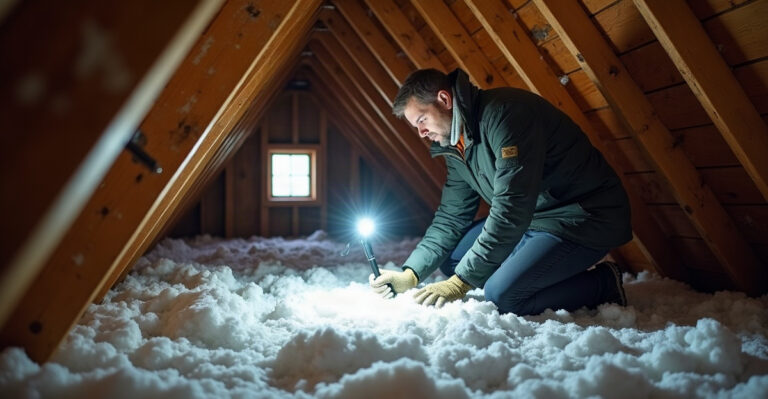
Ice dams also remain a concern. Metal surfaces help snow slide off, yet poor attic insulation and ventilation can still lead to ice buildup along eaves. Proper airflow and insulation reduce that risk significantly.
Summer conditions create different challenges. High desert sun and UV exposure can affect protective paint systems and coatings. Quality finishes resist fading and chalking better over decades. Strong winds in open parts of the Boise area test panel attachment and fastening systems.
Metal naturally expands in heat and contracts in cold. Those wide temperature swings make correct panel spacing, fastening techniques, and flashing installation critical. When installed properly for local conditions, metal roofing durability holds up very well. When shortcuts happen, climate exposure quickly reveals them.
What Determines How Long a Metal Roof Really Lasts
Installation quality ranks among the most important factors influencing metal roof lifespan. Improper fastening, poorly installed flashing, or misaligned seams can shorten performance by years. Even the best product won’t deliver its expected service life without correct workmanship.
Several technical components play key roles:
- Underlayment and waterproofing layers provide secondary defense against moisture intrusion.
- Proper attic ventilation and insulation reduce condensation and ice dam formation.
- Fastener type and placement affect long-term reliability, especially with exposed fastener systems where back-out can occur.
- Panel thickness (gauge) influences dent resistance and structural strength.
- Protective coatings such as galvanized or Galvalume® finishes improve corrosion resistance.
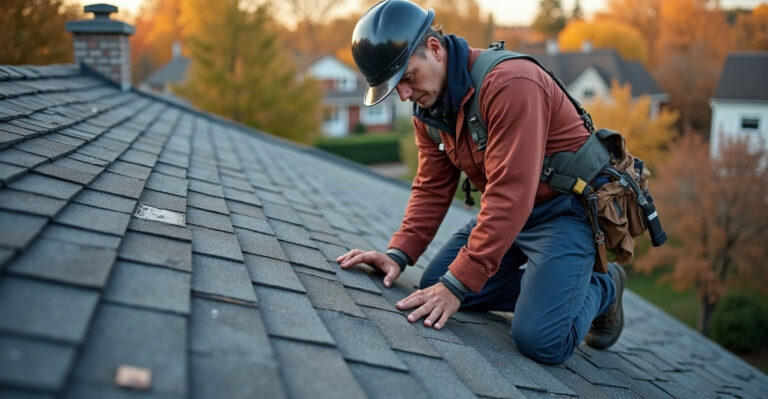
Routine maintenance also matters. Periodic inspections allow us to tighten or replace fasteners, reseal penetrations, and check flashing before small issues turn into larger repairs. That simple upkeep supports long-term metal roofing durability in Idaho’s demanding climate.
When we install or replace metal systems through our roof replacement services, we focus on proper detailing, correct fastening patterns, and ventilation planning to support decades of performance.
Metal vs. Asphalt Shingles: Longevity and Long-Term Value
Asphalt shingles in Idaho typically last 15 to 25 years, depending on product quality and exposure to wind, sun, and snow. By contrast, a properly installed metal roof often lasts significantly longer.
That longer metal roof lifespan comes with a higher upfront investment. Homeowners need to weigh installation cost against how long they plan to stay in the home and their long-term goals for maintenance and resale value. We outline cost considerations in detail in our breakdown of roof replacement cost in Idaho.
Over several decades, asphalt may require multiple full replacements. Metal may require individual panel repairs or fastener maintenance, yet fewer complete tear-offs over the life of the property.
Maintenance needs also differ. Asphalt shingles can experience granule loss, curling, and wind damage. Metal roofs may require monitoring of fasteners, sealants, and flashing points. Neither system is maintenance-free.
Metal can be a strong long-term investment for homeowners planning to stay put, improve energy efficiency, or increase durability. Others may find asphalt meets their needs based on budget and projected ownership length. For a deeper comparison specific to local homes, we cover metal roofing pros and cons for Idaho homes.
Signs a Metal Roof May Be Aging or Failing
Even long-lasting systems show signs of wear over time. Homeowners in Boise and surrounding areas should watch for visible changes, especially after heavy wind or snow events.
Common warning signs include:
- Fastener back-out on exposed fastener systems.
- Corrosion or rust at seams, edges, or fastener points.
- Sealant failure around vents, chimneys, or skylights.
- Loose panels or damaged flashing.
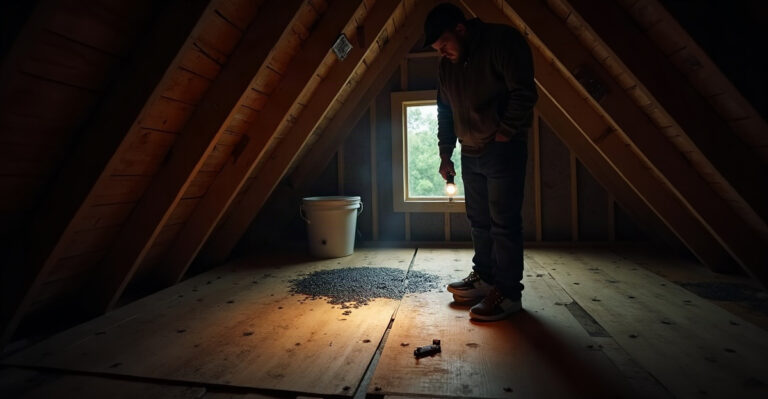
- Interior leaks, water stains, or attic moisture.
When these issues appear, prompt assessment can prevent structural damage or insulation problems. Some situations call for localized repairs, while others require broader action. We walk through those decisions in roof repair vs replacement guidance.
For overall aging indicators, homeowners can also review the 7 signs you need a roof replacement to determine whether a system is approaching the end of its functional life.
Regular professional inspections, especially after severe weather, give homeowners clarity and help protect the investment already made.
Understanding Warranties vs. Real-World Performance
Manufacturer warranties often cover paint finishes for 20 to 40 years, depending on the product. Panel integrity warranties may extend longer. Terms vary by manufacturer and by system type.
Those warranties typically exclude damage caused by improper installation, inadequate ventilation, or structural movement. That’s why workmanship and design still matter as much as the paperwork.
Real-world metal roof lifespan depends on climate exposure, installation quality, attic conditions, and routine maintenance. Standing seam systems and exposed fastener panels perform differently over time. A single blanket statement about how long do metal roofs last Idaho won’t apply to every property in southwestern Idaho.
Homeowners benefit from a localized assessment. Elevation, wind exposure, roof pitch, and insulation levels all influence long-term outcomes. A professional inspection provides a practical, personalized outlook without pressure.
For homeowners evaluating a current metal roof or considering a new installation, we encourage reaching out for a straightforward conversation through our contact page. Clear information supports confident decisions and long-term peace of mind.