Do You Need a Roof Inspection After a Storm?
A storm roof inspection helps us confirm whether wind, hail, or driving rain caused visible or hidden damage that could lead to leaks weeks after a storm. In southwestern Idaho, we inspect for shingle displacement, hail bruising, flashing damage, and attic moisture so we can make informed decisions based on observed conditions instead of reacting out of concern alone. Early action reduces repair costs and limits interior damage.
Key Takeaways
- Schedule a storm roof inspection if we notice active leaks, missing shingles, fallen debris impact, interior stains, or signs of structural exposure.
- Even without obvious damage, hail, strong winds, and wind-driven rain can create hidden issues that may not leak immediately.
- A ground-level check for shingle debris, granule loss, dented metal, and attic moisture helps us determine how urgently we need a professional evaluation.
- Professional inspections document roof surfaces, flashing, valleys, drainage components, and attic conditions to give us a clear condition report.
- Contact insurance once we confirm storm-related damage, and rely on documented findings to support informed conversations about coverage.
When a Storm Roof Inspection Is Truly Necessary
Storms move quickly across southwestern Idaho. Wind, hail, and heavy rain can leave visible damage or hidden issues that show up weeks later.
A storm roof inspection is necessary any time we see clear signs of damage during or after a storm. In Boise, Meridian, Eagle, Kuna, Nampa, Caldwell, Middleton, Mountain Home, McCall, and surrounding areas, certain events raise the risk level.
Immediate attention is critical if we notice:
- Active leaks or water dripping during or after the storm
- Interior water stains on ceilings or walls
- Missing shingles or visible roof sections displaced
- Fallen tree limbs impacting the roof
- Exposed underlayment or visible structural damage
Beyond visible damage, a roof inspection after storm events is strongly recommended if the area experienced hailstorms, strong wind gusts capable of lifting shingles, or driving rain combined with airborne debris.
Spring and summer hailstorms are common in our region. Even small hail can bruise asphalt shingles. Strong winds can crease shingles without tearing them off. Those creases often lead to leaks later. Driving rain can push water under flashing and vulnerable edges.
At the same time, not every storm requires a full inspection or a roof replacement. If the storm was mild and there are no visible signs of damage or leaks, monitoring the roof may be reasonable. We always advise making decisions based on facts, not fear. A balanced approach protects the home without rushing into unnecessary work.
What We Can Safely Check from the Ground
Safety comes first. We don’t recommend climbing steep, wet, or high roofs to check for damage. Slips and falls are a serious risk, especially after a storm when surfaces are slick.
A careful ground-level wind damage roof check can give us useful information without putting anyone in danger.
Here’s what to look for outside:
- Shingles in the yard or driveway
- Granule buildup from asphalt shingles in gutters or at downspout exits
- Visibly lifted, curled, or uneven shingle lines
- Dented gutters, downspouts, or metal roof vents from hail impact
- Hail strikes on siding or damage to landscaping from debris
Inside the home, we should:
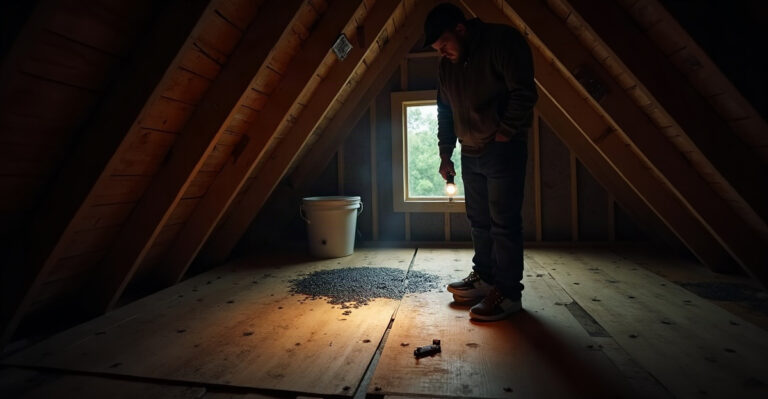
- Inspect the attic, if safely accessible, for damp insulation or visible daylight through roof boards
- Check ceilings and upper walls for new stains, bubbling paint, or soft drywall
These steps help us decide how urgent the situation may be. Still, a basic visual review doesn’t replace a professional hail damage inspection. Some damage, especially hail bruising or subtle wind creasing, may not be visible from the ground and may not leak right away.
If we want more detailed guidance on tracking moisture issues, our article on finding a roof leak explains what to watch for before the problem spreads.
Hail Damage vs. Wind Damage: How We Tell the Difference
Understanding the difference between hail damage and wind damage helps us make informed decisions about next steps.
Hail Damage Inspection Indicators
Hail damage often appears as:
- Dark spots or bruised areas where shingle granules are knocked off
- Dents on metal flashing, vents, or gutters
- Random impact patterns across the roof surface
In southwestern Idaho, sudden hail bursts during warmer months are common. Even brief storms can cause widespread surface damage. Some bruising may not break through immediately, but it weakens the shingle’s protective layer.
A proper hail damage inspection looks closely for granule loss and soft spots that aren’t obvious from the ground.
Wind Damage Roof Check Indicators
Wind damage usually presents differently. During a wind damage roof check, we may see:
- Missing shingles
- Creased shingles with horizontal lines from bending in high winds
- Lifted or partially detached shingles
- Damage concentrated along roof edges and ridgelines
Seasonal temperature swings in Idaho can dry and stiffen aging shingles. When strong winds hit, those older shingles are more likely to crack or crease. Some of this damage won’t leak right away. Over time, however, broken seals and lifted edges allow water to work underneath.
Because some issues aren’t visible from below, a roof inspection after storm activity gives us a clearer picture of the roof’s overall condition.
What Happens During a Professional Roof Inspection After a Storm
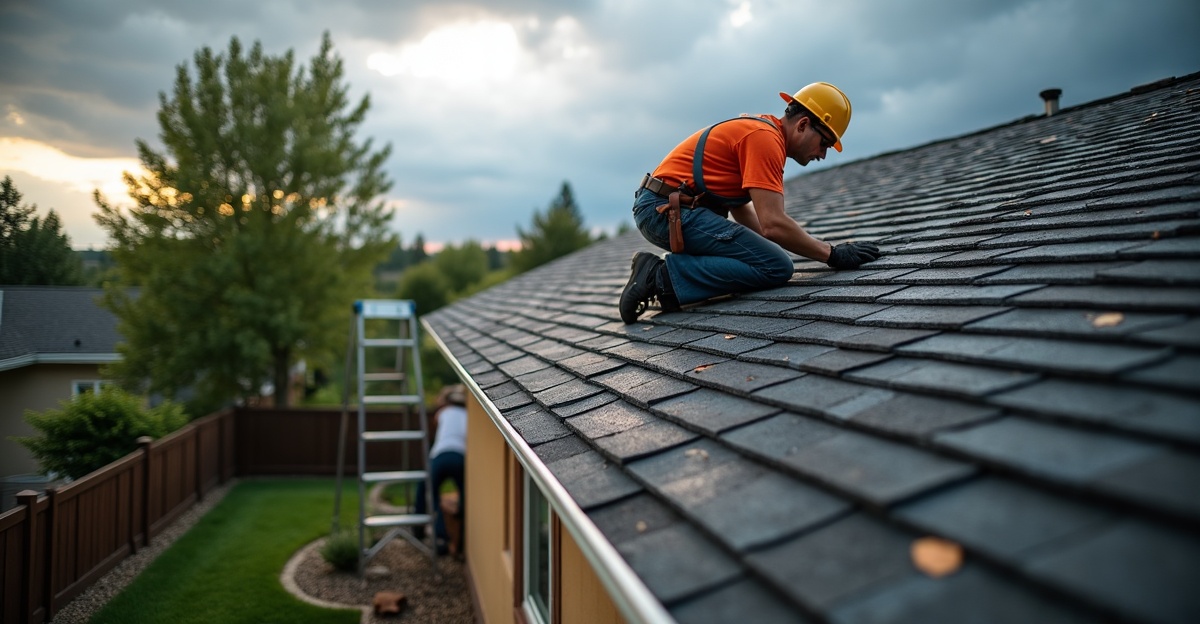
A professional storm roof inspection follows a clear, methodical process. We focus on documenting current conditions and identifying any storm-related damage.
During a typical roof inspection after storm events, we evaluate:
- The roof surface for hail impact, shingle displacement, and flashing damage
- Valleys, penetrations, vents, and pipe boots
- Gutters and drainage components
- Attic conditions when access is available
We also take photo documentation of our findings. That helps us explain exactly what we see and gives homeowners a record for their files.
Most inspections are completed during a scheduled visit without major disruption. Afterward, we provide a clear summary of the condition of the roof and discuss recommended next steps.
An inspection does not automatically mean roof replacement. Many cases involve minor repairs or simple monitoring. If repairs are appropriate, we may recommend professional roof repair services to address specific areas. If the roof shows widespread or age-related failure, we’ll explain the difference between repair and full replacement so we can weigh options carefully.
For more detail on long-term decisions, our article on roof repair vs replacement outlines how to evaluate severity, age, and cost factors.
We keep the process straightforward. Our goal is to provide clarity and honest recommendations without pressure.
When and How to Contact Insurance
Homeowners should consider contacting their insurance provider if there is clear storm-related damage, active leaks, or significant exterior impact.
Before filing a claim, it’s wise to review the deductible and general coverage details in the policy. Each policy is different. We encourage calm and informed decisions rather than reacting out of panic after a storm.
Proper documentation helps support any claim. We recommend:
- Taking date-stamped photos of visible damage from the ground
- Writing down when the storm occurred and when damage was discovered
- Keeping copies of any inspection reports from a professional hail damage inspection
As a roofing contractor, we document what we observe during the storm roof inspection and answer general questions about the condition of the roof. We don’t make coverage promises or guarantee claim outcomes. Coverage decisions always rest with the insurer.
Our focus stays on reporting facts and helping homeowners understand what we found so they can communicate clearly with their insurance company.
Making a Confident, Informed Decision for the Home
Not every storm requires immediate action. At the same time, ignoring even minor damage can lead to water intrusion, mold growth, insulation damage, or deterioration of the roof deck.
We should consider three main factors:
- The age of the roof, since older systems are more vulnerable after hail or high winds
- The severity of the recent storm
- Any visible warning signs identified during a ground-level check
If the roof is nearing the end of its service life and shows multiple warning signs, it may align with several indicators in our guide to roof replacement signs. In those situations, a broader conversation about long-term solutions may make sense.
If there is uncertainty, safety-first thinking is always best. A professional storm roof inspection provides clear information without jumping to conclusions. It allows us to decide whether simple monitoring, targeted repair, or a larger project is appropriate.
Homeowners across southwestern Idaho can schedule an inspection at their convenience by reaching us through our contact page. We approach each home with the same respect and transparency we would expect for our own. Our goal is simple: provide honest guidance so we can protect the home and move forward with confidence.