Roof Inspection Checklist for Homeowners
A practical roof inspection checklist helps homeowners in southwestern Idaho spot early warning signs like sagging rooflines, missing shingles, attic moisture, and storm damage before small issues turn into expensive repairs. We use this guide to explain safe ground-level and attic checks, outline smart seasonal timing, and clarify the difference between normal aging and conditions that call for a professional assessment.
Key Takeaways
- We recommend visual roof inspections from the ground and inside the attic at least twice per year, особенно after snowmelt and major wind or hail storms.
- We look for urgent red flags such as active leaks, sagging ridgelines, missing shingles, exposed underlayment, or daylight showing through roof boards.
- We document visible damage with photos and brief notes so we can have clear, productive conversations with a roofing professional.
- We separate normal wear, like minor granule loss, from structural concerns such as repeated leaks, soft decking, or widespread shingle curling.
- We contact a professional roofer for structural sagging, ongoing leaks, storm damage, or any situation where inspection findings feel unclear or unsafe to assess.
Do not modify or enhance the wording; the text must remain identical except for the HTML markup. Do not convert the first sentence or introductory text into a heading — it must remain a normal paragraph (<p>).
Critical Roof Warning Signs Every Homeowner Should Check First
A clear roof inspection checklist helps us protect our homes before small issues turn into expensive problems. This guide is a visual, non-invasive roofing checklist created specifically for homeowners in southwestern Idaho, including Boise, Meridian, Eagle, Kuna, Nampa, Caldwell, Middleton, Mountain Home, McCall, and surrounding communities.
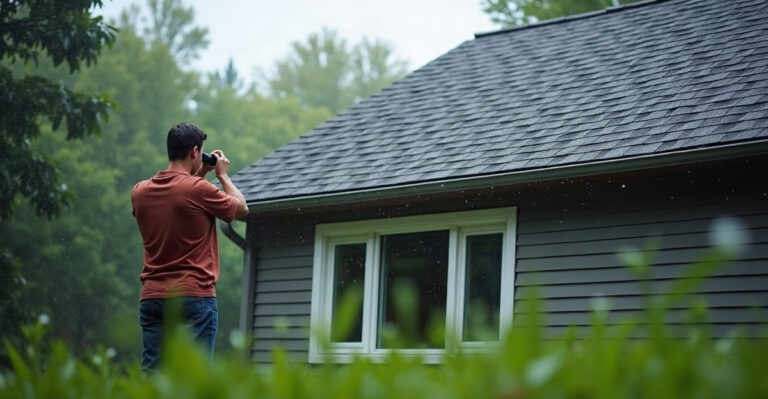
We focus on what to check roof-wise from the ground and inside the attic. We don’t recommend climbing steep or damaged roofs. Safety comes first. Binoculars, a flashlight, and good documentation go a long way.
Immediate red flags require prompt professional evaluation:
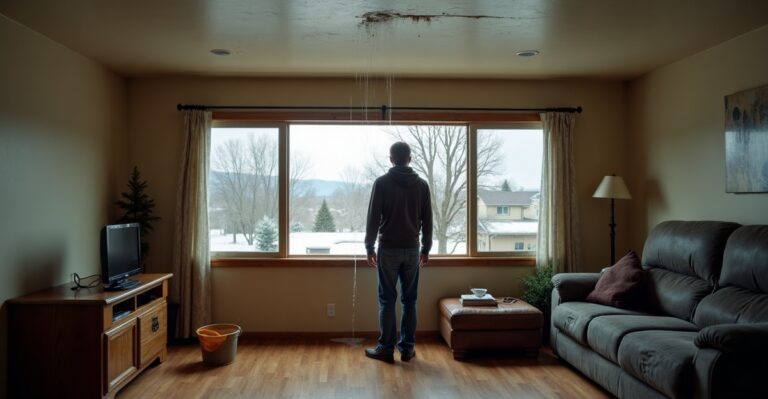
- Active leaks or water dripping inside the home
- Sagging ridgelines or a sagging roof deck
- Missing shingles after high winds
- Large sections of exposed underlayment
- Daylight visible through roof boards
Idaho’s weather adds pressure to roofing systems. Snow load, freeze-thaw cycles, strong winds, hail, and aging asphalt shingles common in our region all increase the risk of damage. Still, not every issue means full replacement. Many concerns can be repaired if caught early through a qualified roof repair service.
For homeowners who want deeper insight into damage patterns in our area, we cover typical issues in common roof problems in Idaho homes. That resource pairs well with the checklist below.
Ground-Level Roof Inspection Checklist (Safe Visual Checks from the Ground)
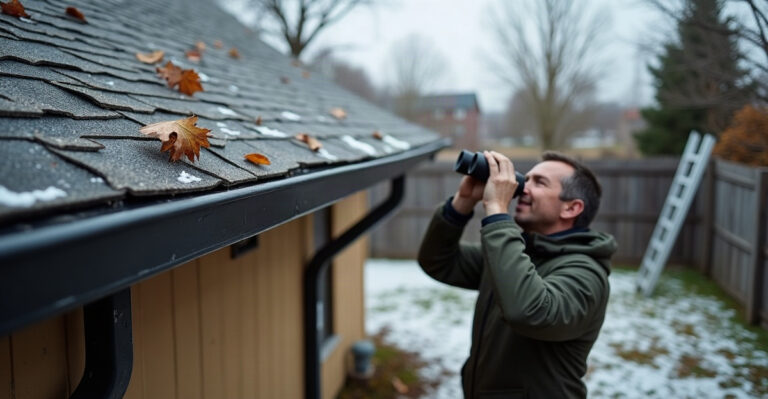
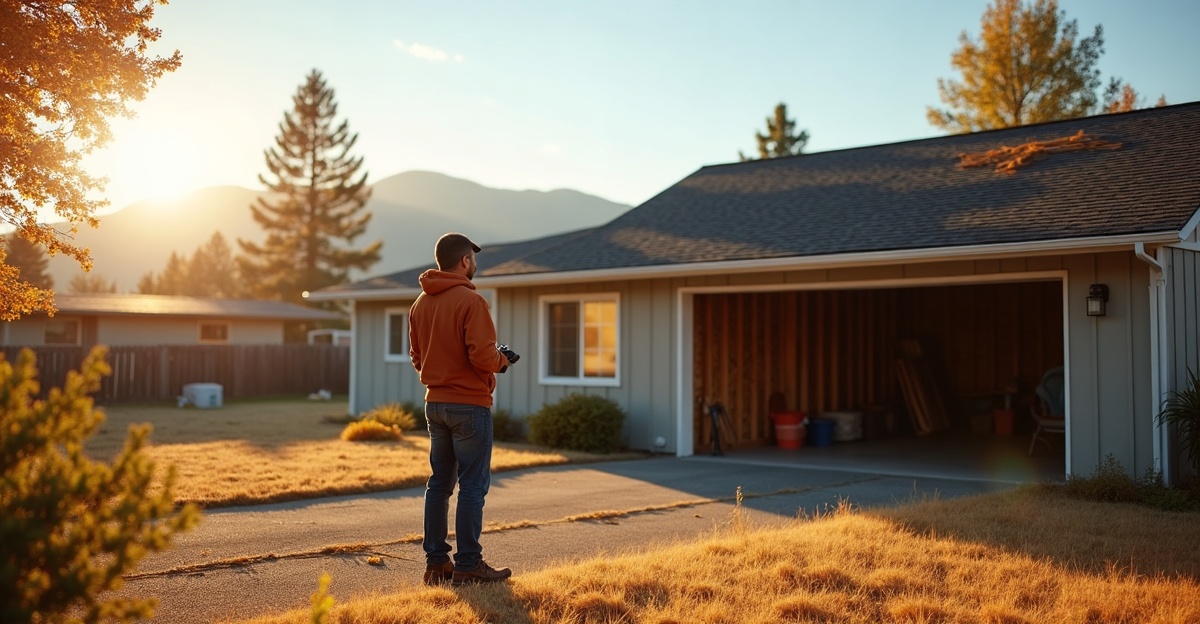
We recommend using binoculars for this part of the roof inspection checklist. Stay firmly on the ground and walk the perimeter of the home. View each slope from multiple angles.
Here’s what to check on a roof from the ground:
- Missing, curled, cracked, or torn shingles
- Granule loss or “bald spots” on asphalt shingles
- Dark streaking or uneven coloration
- Flashing around chimneys, skylights, and vents that appears loose or rusted
- Sagging rooflines or uneven ridges
- Debris accumulation in valleys
- Gutter and downspout issues, including loose sections, clogs, or shingle granules collecting at the bottom
After wind or hail storms in southwestern Idaho, look for additional warning signs:
- Shingles scattered in the yard
- Dented gutters or metal flashing
- Sudden discoloration patches on roof slopes
Freeze-thaw cycles can worsen small cracks over time. A minor crack in early fall can expand through winter as moisture freezes and thaws repeatedly.
Practical home roof inspection tips make this process more effective. Take clear photos of any damage. Document the date, especially after storms. Compare both slopes of the roof to each other. Differences often highlight problem areas. Written notes and pictures help support clear conversations with contractors later.
If severe weather causes visible damage or active leaks, use guidance from emergency roof repair steps before scheduling professional service.
Attic Inspection Checklist: Signs of Hidden Damage
An attic inspection confirms what to check roof-wise from inside the home. It helps connect exterior signs with potential interior moisture or ventilation concerns.
We recommend safe, homeowner-level checks only. Use a flashlight. Walk on secure attic framing if accessible. Avoid stepping directly on insulation or attempting structural probing.
Here’s what to look for:
- Water stains on rafters or insulation
- Damp or compressed insulation
- Mold or mildew odor
- Rusted nails or fasteners
- Daylight visible through roof boards
- Frost buildup during winter months
Winter condensation is common in Idaho due to sudden temperature swings. Frost in the attic can point to ventilation problems rather than a roof leak. However, repeated moisture buildup can damage decking and shorten roof lifespan.
We distinguish between minor discoloration and active moisture. Old stains often appear dry, with no soft wood or damp insulation beneath them. Active leaks usually feel wet, show darker edges, or continue expanding after storms. If interior leaks appear and the source isn’t clear, review practical guidance in how to find a roof leak before issues spread.
Ventilation and insulation problems matter. Poor airflow traps moisture. Over time, that reduces shingle performance and accelerates aging. In regions with heavy snow, trapped heat can also contribute to ice dam formation along eaves.
Seasonal Timing: When to Use This Roofing Checklist in Idaho
We recommend inspecting roofs at least twice per year in southwestern Idaho.
Spring inspections should occur after snow melt. Snow load and ice buildup stress shingles, decking, and flashing. As temperatures rise, melting snow tests drainage systems and reveals leaks.
Fall inspections prepare your home for freezing temperatures and winter storms. Addressing loose flashing or damaged shingles before the first freeze helps prevent water intrusion.
Additional inspections are wise after major wind or hail events. Even moderate hail can bruise asphalt shingles. Wind can lift edges and break seal strips without immediately tearing shingles off.
Snow load places downward pressure on roof structures. Ice dams form when warm air escapes into the attic, melts snow, and causes water to refreeze near colder eaves. Freeze-thaw cycles expand small cracks and widen gaps in flashing or underlayment.
This preventative approach protects property value and reduces the risk of large repair bills. Regular checks also help homeowners better understand how long their roof may last in our climate. For regional lifespan expectations, see how long a roof lasts in Idaho weather.
What’s Normal Wear vs. a Red Flag
All roofing systems age. Distinguishing normal wear from structural concerns prevents unnecessary alarm.
Normal wear may include:
- Minor granule loss on older asphalt shingles
- Slight color variation from sun exposure
- Small debris accumulation after wind
Red flags demand closer review:
- Widespread curling shingles across multiple slopes
- Repeated leaks in the same interior location
- Soft spots or signs of rotting decking
- Mold growth linked directly to roof leaks
Aging asphalt shingle roofs are common in our area. Many show visible wear after 15 to 25 years, depending on maintenance, insulation quality, ventilation, and storm exposure. Granule loss alone doesn’t always mean replacement. Structural sagging or persistent moisture problems often signal deeper concerns.
Before contacting a contractor, organize photos and written observations from your roof inspection checklist. This preparation supports informed discussion and avoids confusion during evaluation.
For signs that indicate a roof may be nearing the end of its service life, review 7 signs you need a roof replacement. It provides added clarity for long-term planning.
When to Call a Professional Roofer and What to Expect
Certain situations warrant calling a professional right away:
- Structural sagging
- Storm damage
- Persistent leaks
- Uncertainty about inspection findings
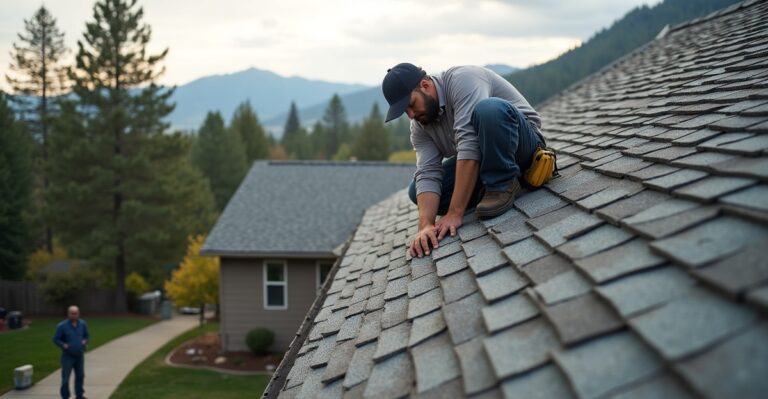
Homeowners can safely perform visual checks from the ground and attic. Climbing steep, high, or damaged roofs increases the risk of serious injury. If there’s any doubt, schedule professional support.
A professional roof inspection generally includes:
- Detailed exterior and attic assessment
- Evaluation of flashing, ventilation, decking, and underlayment
- Clear explanation of repair versus replacement options
- Written findings with photos
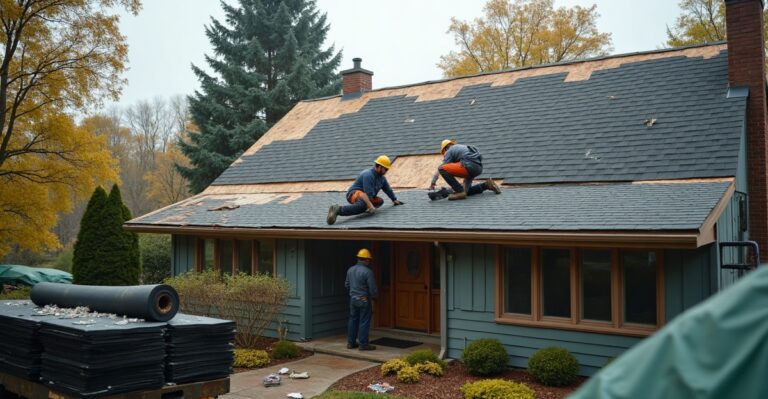
When repairs aren’t enough, we discuss next steps transparently, including full roof replacement services. Our goal is clear communication, not pressure.
Homeowners often ask common questions during evaluations:
How often should we inspect a roof in Idaho?
At least twice per year and after major storms.
Can we inspect our own roof safely?
Yes, from the ground and attic without climbing steep or damaged surfaces.
How do we know if repair or replacement is needed?
A professional assessment considers damage extent, roof age, ventilation, and overall condition.
What does a professional roof inspection cost?
Pricing varies by company and scope. Request clear, upfront details before work begins.
As a local, veteran-owned, family-operated company, we focus on honesty and straightforward recommendations. A thorough roof inspection checklist helps us stay proactive. When questions arise, schedule an evaluation through our contact page so we can review findings and provide clear next steps.