Energy Efficient Roofing Options in Idaho
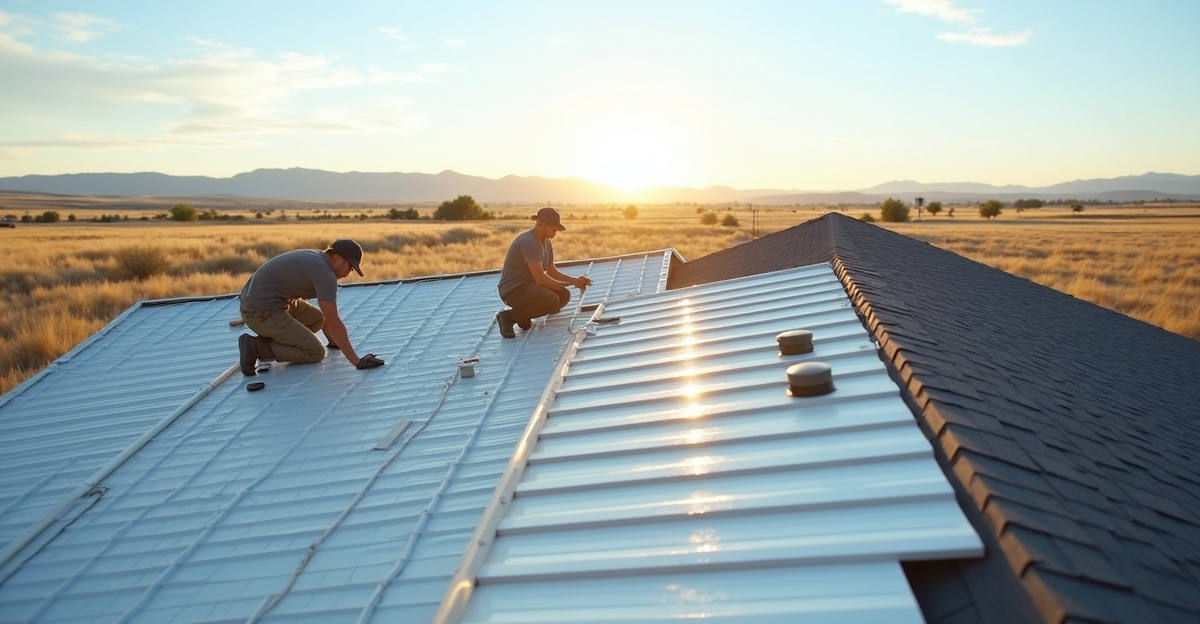
Energy efficient roofing Idaho requires materials and system designs that perform through hot, dry summers and cold winters with snow loads and repeated freeze-thaw cycles across southwestern Idaho. We choose the right mix of reflective roofing materials, proper insulation, balanced ventilation, and skilled installation to control summer heat gain, reduce winter heat loss, and extend roof life.
Key Takeaways
- Energy efficiency depends on the full roofing system, including surface materials, underlayment, insulation, ventilation, and installation quality.
We treat the roof as a system, not a single product. Surface materials work with underlayment, insulation, and airflow to control temperature and moisture. Strong installation practices tie everything together and prevent weak points that waste energy. - Cool roofing systems use higher solar reflectance and thermal emittance to reduce roof surface temperatures and limit attic heat buildup in summer.
Cool roofing materials reflect more sunlight and release absorbed heat faster. We use products with strong solar reflectance and thermal emittance ratings to keep roof surfaces cooler. Lower surface temperatures reduce attic heat and ease the load on HVAC systems during peak summer months. - Reflective asphalt shingles, metal roofing, and membrane systems each offer different cost, lifespan, and performance considerations.
Reflective asphalt shingles provide a cost-effective option with familiar installation methods. Metal roofing reflects solar radiation efficiently and often lasts longer with proper maintenance. Membrane systems work well on low-slope roofs and deliver consistent performance when seams and flashing receive careful attention. We match the material to the structure, budget, and long-term goals. - Upfront costs vary based on roof size, tear-off requirements, decking condition, and ventilation upgrades, with long-term value tied to durability and system design.
Roof size, existing layer removal, and decking repairs all influence initial pricing. Ventilation improvements and insulation upgrades add cost but often improve year-round efficiency. We focus on durability and smart system design because long-term savings depend on performance over decades, not just installation day. - Professional inspections help determine whether targeted repairs or full replacement will best support energy performance and structural integrity.
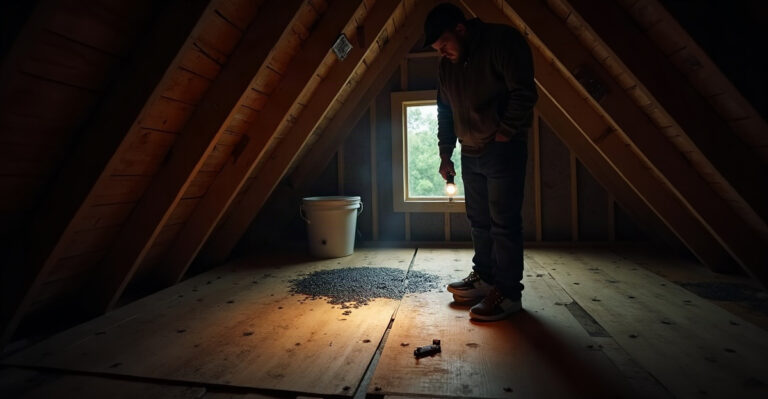
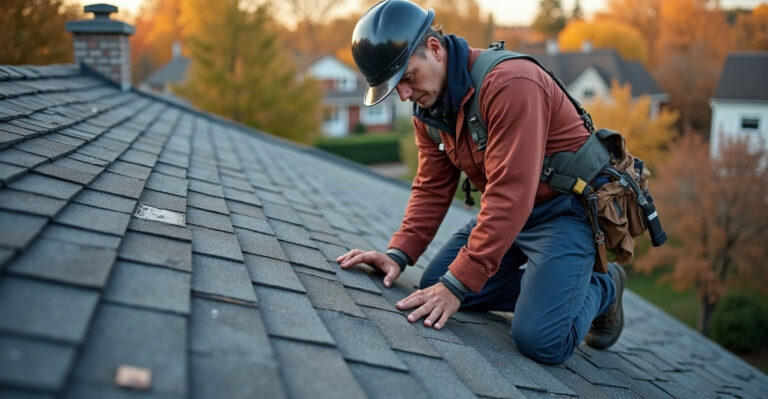
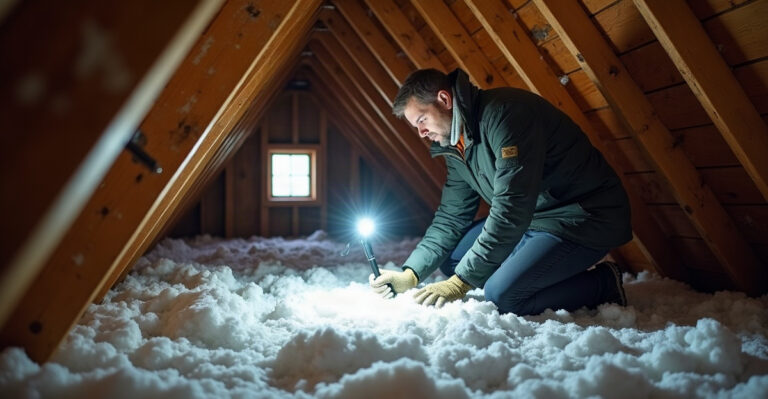
Thorough inspections reveal moisture damage, compressed insulation, airflow restrictions, and worn materials. We evaluate whether strategic repairs can restore performance or if full replacement makes better financial and structural sense. Early assessment prevents larger issues and protects both energy efficiency and the building itself.
What Idaho Homeowners Need to Know About Energy Savings and Roof Performance
Energy efficient roofing Idaho matters because our climate places real demands on every home. Across Boise, Meridian, Eagle, Kuna, Nampa, Caldwell, Middleton, Mountain Home, and McCall, we deal with hot, dry summers, cold winters, snow loads, and frequent freeze-thaw cycles.
Those conditions push roofing materials to expand, contract, shed moisture, and manage heat year-round. During July and August, intense sun drives heat through the roof and into the attic. That heat transfers into living spaces, increasing cooling demand. In winter, prolonged cold snaps pull warmth out of the home. Without proper insulation and ventilation, valuable heat escapes through the attic while cold air infiltrates.
Roofing plays a direct role in both cooling and heating efficiency. In summer, the right materials can limit heat gain at the roof surface. In winter, a well-built roofing system helps maintain interior temperatures by supporting consistent insulation performance and balanced ventilation.
Energy efficiency is about the entire roofing system, not just shingles. Surface materials, underlayment, attic insulation, intake and exhaust ventilation, and installation quality all work together. Changing one component without addressing the others often limits the overall result.
We also set realistic expectations with our customers. Energy savings vary based on:
- Existing attic insulation levels
- Ventilation design and airflow
- Home size and layout
- Current roof condition
- Local sun exposure and shading
Reflective roofing materials and cool roofing systems can help reduce heat gain, but they do not guarantee a specific percentage reduction in utility bills. Performance depends on the home as a whole. Our role is to evaluate each property carefully and recommend practical upgrades that fit the structure and the budget.
How Cool Roofing Systems Work in Idaho’s Climate
Cool roofing systems are built to reflect more sunlight and release absorbed heat more efficiently than traditional materials. Two terms matter most: solar reflectance and thermal emittance.
Solar reflectance describes how much of the sun’s energy the roof reflects away. Higher reflectance means less heat stays at the roof surface. Thermal emittance describes how well a roof releases heat it has absorbed. When both properties are strong, roof surface temperatures stay lower during peak summer sun.
In Idaho’s hot, dry summers, that reduction in surface temperature can limit the amount of heat transferred into the attic. Lower attic temperatures reduce stress on insulation and mechanical systems. Over time, less heat buildup can also support longer material performance.
Some homeowners worry that reflective roofing materials will make homes colder in winter. In practice, winter performance depends far more on insulation depth and ventilation balance than on the roof’s reflectivity. During cold months, the goal is to retain interior heat. Proper attic insulation slows heat transfer, and well-designed ventilation manages moisture without overcooling the attic space.
Idaho’s seasonal swings demand materials and installation methods that handle both extremes. Not all reflective roofing materials perform the same. Color, coating quality, product design, and slope compatibility all affect results. We evaluate roof orientation, pitch, and home layout before recommending cool roofing systems. Proper installation is essential. Even the most advanced product can underperform if ventilation, flashing, or underlayment are improperly installed.
Comparing Reflective Roofing Materials Common in Idaho
Homeowners in southwestern Idaho typically choose between asphalt shingles, metal roofing, and membrane systems for low-slope areas. Each option can support energy efficiency when installed correctly.
Reflective Asphalt Shingles
Asphalt shingles remain the most popular residential roofing material in our area. Many manufacturers now offer shingles with reflective granules that improve solar reflectance while preserving traditional color options.
Reflective asphalt shingles offer several advantages:
- Moderate cost compared to metal or specialty systems
- Wide color and style selection for neighborhood consistency
- Familiar installation process for most residential designs
- Typical lifespan of 20–30 years, depending on product quality and maintenance
Total investment depends on roof size, slope, complexity, tear-off needs, and potential decking repairs. While reflective shingles reduce heat absorption compared to older products, they do not perform the same as high-end coated metal panels. For many homes, they balance performance and budget effectively.
Metal Roofing and Membrane Systems
Metal roofing is naturally reflective and can be finished with coatings that further increase solar reflectance. It performs well under snow loads and sheds snow effectively, though snow guards may be necessary in some designs. Many homeowners ask about durability, and we often reference this discussion on how long a metal roof lasts to explain realistic expectations. Lifespans often range from 40–70 years depending on product and installation quality.
Upfront costs are typically higher than asphalt. Ongoing maintenance needs are generally lower. For a detailed comparison of materials, review metal roof vs asphalt shingles to understand trade-offs in cost, appearance, and performance.
Membrane roofing systems are commonly installed on low-slope or flat sections such as additions or garages. Many membrane products are highly reflective and engineered for controlled drainage and waterproofing. These systems require precise installation and slope planning to perform well through freeze-thaw cycles.
Material price alone never determines total project cost. Labor, tear-off requirements, underlayment selections, structural repairs, and roof complexity all influence the final number.
Upfront Cost vs. Long-Term Value for Idaho Homes
Energy efficient roofing often requires a higher initial investment than basic replacements. The long-term value depends on durability, maintenance, and how well the full roofing system supports energy performance.
Several factors influence total project cost:
- Roof size and pitch
- Tear-off vs. overlay
- Decking condition and repairs
- Underlayment upgrades
- Ventilation improvements
A full tear-off allows us to inspect decking and address hidden damage before new materials go down. It also creates an opportunity to upgrade underlayment and ventilation components. In many cases, that approach supports better long-term performance than overlaying new shingles on aging material.
Warranty terms vary by manufacturer and installer. We review product warranties carefully with homeowners so expectations remain clear. Durability and correct installation matter as much as the printed coverage.
Some homeowners may qualify for local utility rebates or energy-efficiency incentives. Availability and requirements change over time, so we encourage checking directly with current providers to confirm eligibility.
Realistic energy savings depend on the entire roofing system and existing attic insulation. Installing reflective roofing materials without improving ventilation or insulation may limit the benefit. A coordinated plan provides better long-term value.
Ventilation, Insulation, and Full Roof System Design
Roofing efficiency goes well beyond the surface material. Proper attic ventilation prevents excessive heat buildup in summer and moisture accumulation in winter. Balanced intake and exhaust airflow supports consistent temperatures across the roof deck.
Poor ventilation contributes to ice dam formation during Idaho winters. When warm attic air melts roof snow unevenly, water can refreeze near eaves and force moisture under shingles. Adequate insulation and ventilation work together to minimize that risk.
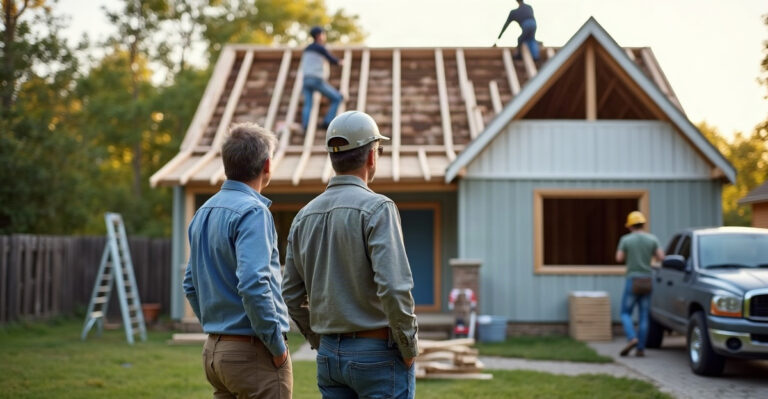
We evaluate soffit vents, ridge vents, roof vents, insulation depth, and air sealing before recommending upgrades. In many projects, a roof replacement provides the right time to improve intake and exhaust ventilation. New builds offer a similar opportunity through professional new roof construction planning that integrates insulation and airflow from the start.
Years of working in southwestern Idaho conditions have shown us that balanced systems outperform isolated upgrades. Freeze-thaw cycles, wind exposure, and heavy snow all test the roof assembly. A well-designed system protects structural components and supports more consistent indoor comfort.
When Repair Makes Sense vs. Replacing for Energy Efficiency
An aging roof does not always require full replacement. If shingles remain structurally sound and ventilation is adequate, targeted roof repair can address localized damage such as missing shingles or flashing issues.
Replacement often becomes the better choice when we see widespread wear, curling shingles, repeated leaks, soft decking, or inadequate ventilation that cannot be corrected easily with surface repairs. In those situations, a full upgrade allows integration of reflective roofing materials, improved underlayment, and balanced ventilation.
Before making a decision, ask contractors direct questions:
- What material options support energy efficient roofing Idaho for this specific home?
- How will ventilation be evaluated and improved if needed?
- What insulation upgrades should be considered alongside the roof work?
- What warranty coverage applies to materials and installation?
- What maintenance should we plan for over time?
A professional inspection clarifies the roof’s condition, structural integrity, and ventilation performance. From there, we can outline practical options aligned with the home’s design and budget. The next step is simple: schedule an evaluation and request an estimate through our contact page. Clear information allows confident decisions based on real conditions rather than guesswork.