Roof Overlay vs Complete Tear-Off
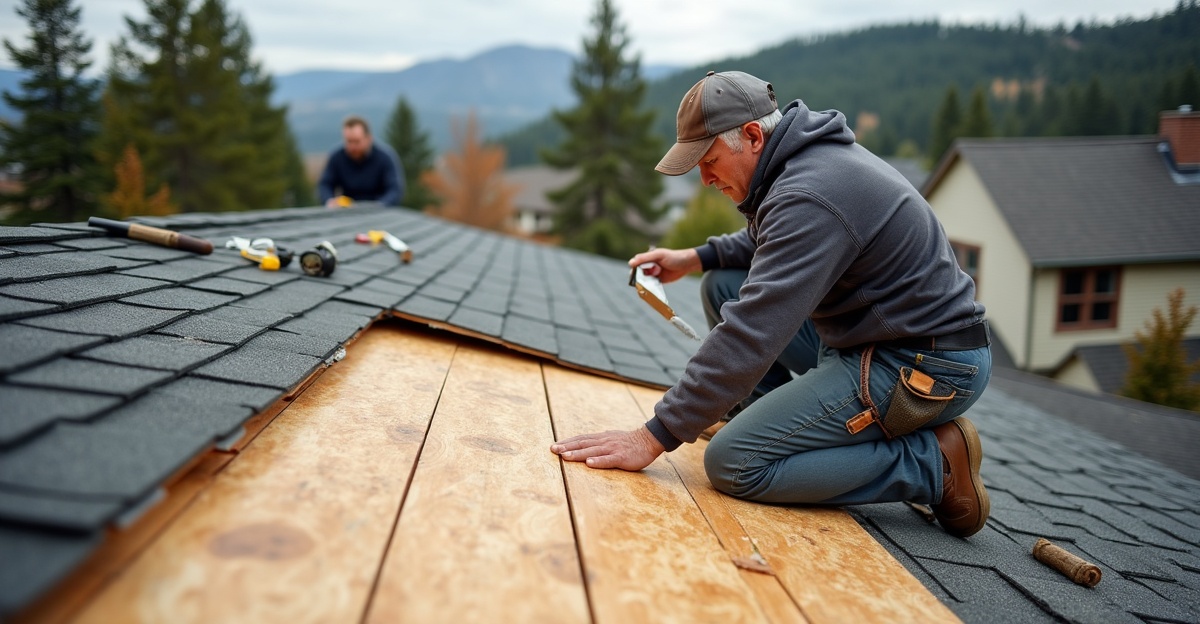
The roof overlay versus tear-off decision depends on the condition of the existing shingles, roof deck, flashing, ventilation, and local codes. An overlay can reduce demolition and disposal work. A complete tear-off lets us inspect and correct hidden moisture, decking, and roofing component issues.
Key Takeaways
- A roof overlay adds new shingles over one suitable existing layer. A complete tear-off removes all existing roofing materials before installation.
- Overlays can reduce upfront labor, disposal costs, and installation time. However, they limit access to the roof deck and components beneath the old shingles.
- A complete tear-off often offers the most complete solution for roofs with leaks, multiple layers, soft spots, sagging, damaged shingles, or suspected moisture problems.
- Idaho weather conditions should guide the decision. Snow, freeze-thaw cycles, wind, ice dams, and attic moisture can all affect roof performance.
- Homeowners should compare written estimates that cover removal, deck repairs, flashing, ventilation, underlayment, cleanup, permits, and warranty terms.
The Key Difference: What an Overlay and a Tear-Off Actually Mean
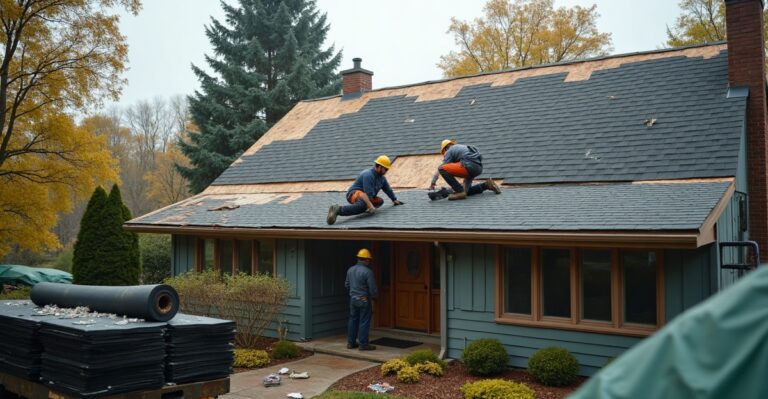
In the roof overlay vs. tear-off decision, an overlay adds new shingles over an existing shingle layer. A complete tear-off removes old shingles and related materials as needed, allowing us to inspect the roof deck and underlying components before installing new roofing.
Contractors may use the terms differently. “Reroofing” can mean placing a new shingle layer over an existing roof, while “roof replacement” often means removing the current roof and installing a new system. We recommend asking every contractor to define exactly what the proposed scope includes.
The central choice comes down to condition and access. An overlay can reduce initial demolition work when the existing roof is suitable. A tear-off gives us a clear view of the deck, flashing areas, and components below the shingles before the new roof goes on.
Neither roofing method fits every home. The right reroof vs. replacement decision depends on the existing number of roof layers, signs of moisture, shingle condition, attic ventilation, local requirements, and the homeowner’s long-term plans.
Roof Overlay vs. Complete Tear-Off: At-a-Glance Comparison
| Consideration | Roof Overlay | Complete Tear-Off |
|---|---|---|
| Old shingles | An existing shingle layer stays in place. | Existing roofing materials are removed before installation. |
| Upfront labor and disposal | Can reduce demolition, labor, and disposal costs. | Generally involves more labor, debris handling, and disposal. |
| Deck and component inspection | Limits visibility beneath the existing shingles. | Allows inspection of the roof deck, flashing areas, and underlying components. |
| Hidden damage | Concealed deterioration, moisture damage, or soft decking may remain undiscovered. | Creates an opportunity to identify and address conditions found during removal. |
| Roof weight | Adds another layer of roofing weight. | Removes old material weight before new roofing is installed. |
| Timeline and cleanup | May install faster with less demolition. | Creates more debris and disposal needs but provides a more complete reset. |
| Flashing and ventilation | Provides less access to review details beneath the shingles. | Provides greater access to review flashing, ventilation, and moisture concerns. |
| Future replacement | The next replacement may involve removing multiple layers. | Future work begins with a single new roofing system. |
| Warranty considerations | Eligibility may differ based on material, installation method, roof assembly, and contractor. | Eligibility may differ based on material, installation method, roof assembly, and contractor. |
| Long-term value | Lower initial cost should be weighed against limited inspection access and future removal needs. | Higher initial work can provide clearer knowledge of the roof’s condition. |
Actual savings and timelines depend on roof size, pitch, access, material selection, existing conditions, repair needs, and local disposal costs. Reviewing roofing cost per square can help us understand the factors that shape an estimate beyond the shingle price.
When a Roof Overlay May Be a Practical Option
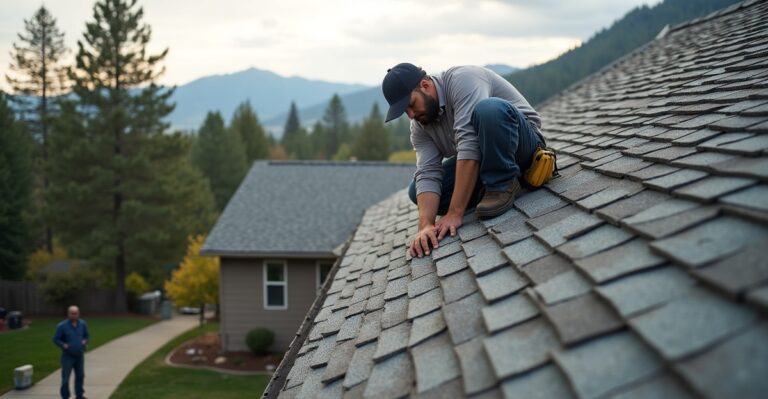
An overlay can be a reasonable option when a roof has been properly evaluated and is in suitable condition. It may lower initial labor and disposal costs, reduce removed material, and shorten installation time because we do not remove the existing shingles.
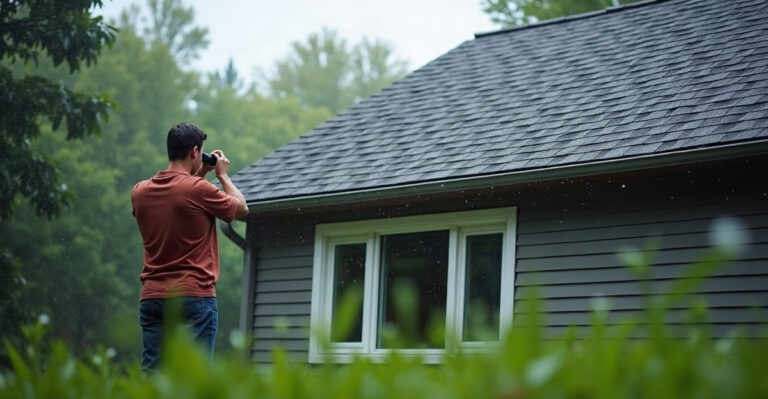
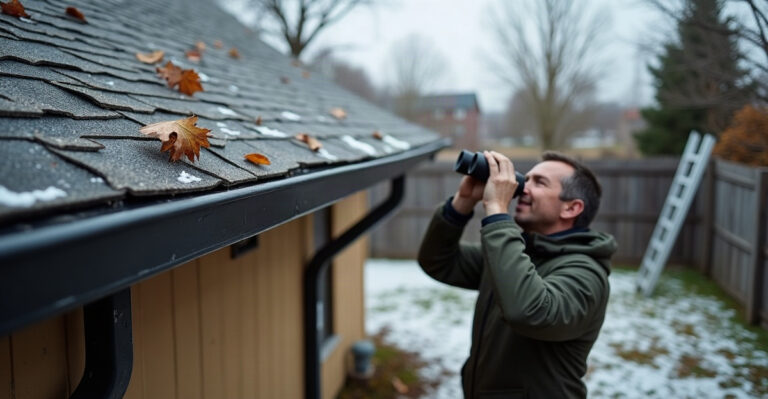
However, an exterior visual inspection alone cannot confirm that the deck and materials below the shingles are sound. Existing shingles can hide moisture damage, weakened sheathing, and past leak paths.
We may consider an overlay when the roof has one existing layer, subject to applicable local requirements, and there are no known active or recurring leaks. The shingles should be generally flat, stable, and free from severe deterioration or distortion. The roof should also show no visible soft spots, sagging, or known structural concerns.
Adequate attic ventilation and moisture control matter as well. The proposed assembly must also meet the shingle manufacturer’s installation instructions and warranty terms. A roof’s service life depends on material quality, installation quality, weather exposure, maintenance, ventilation, and the condition of the roof beneath the old shingles. For additional context, our Idaho roof lifespan guide explains the conditions that affect roofing performance.
Signs a Complete Tear-Off Is Often the More Thorough Choice
A complete tear-off gives us access to inspect the roof deck, locate soft spots or deterioration, repair damaged sheathing where needed, and review flashing details. It also gives us a better opportunity to correct ventilation or moisture-related concerns before new shingles cover the roof.
A tear-off does not mean every roof needs deck replacement, and it does not automatically solve every roofing issue. We base repairs on what we find during the project and explain any needed work clearly before proceeding.
A full removal often makes the most sense when a roof has more than one existing layer, active or unexplained leaks, soft spots, sagging, suspected deck damage, or structural concerns. We also recommend extra caution with curled, severely uneven, deteriorated, or distorted shingles. Flashing failures around chimneys, walls, skylights, and roof penetrations can also make an overlay a poor fit.
Homes with poor attic ventilation, trapped moisture, ice-dam history, or moisture-management concerns often benefit from the clearer access a tear-off provides. The same applies when manufacturer instructions or warranty terms do not support the proposed overlay assembly. Our roof tear-off service gives homeowners a straightforward path for evaluating these conditions before new roofing is installed.
When there are leaks, multiple layers, damaged decking, ventilation issues, or uncertainty beneath the shingles, a complete tear-off is typically the more comprehensive approach. If damage is limited and isolated, professional roof repair may also be appropriate before deciding on a larger project.
Idaho Conditions, Codes, and Warranties That Can Affect the Decision
Homeowners in Boise, Meridian, Eagle, Kuna, Nampa, Caldwell, Middleton, Mountain Home, McCall, and surrounding communities face conditions that can influence roofing decisions. Snow loads, freeze-thaw cycles, wind exposure, ice-dam risk, attic ventilation, and moisture control all deserve attention during an assessment.
One method is not automatically better for every Idaho home. An overlay may work for a suitable roof with a sound existing layer. A tear-off may be the better choice where weather exposure, roof history, or visible concerns create uncertainty about the roof below.
Requirements can vary by municipality, roof assembly, material, and the number of existing roofing layers. We recommend confirming permit needs and applicable local code requirements with the contractor and local building department. Overlays are not universally legal or prohibited across Idaho, so each property requires a project-specific review.
Warranty eligibility may also differ based on the material, installation method, roof assembly, and contractor. We recommend requesting specific manufacturer and workmanship warranty terms in writing. Confirm that the shingle manufacturer allows the proposed installation method and whether an overlay changes available coverage. Homeowners comparing materials can also review our asphalt shingle guide before selecting a system.
Questions to Ask During Your Roof Inspection and Estimate Comparison
A clear inspection and a detailed estimate help us compare scope instead of focusing only on the lowest initial price. An overlay can be reasonable for a suitable roof, but a complete tear-off is often the more thorough option when the roof’s condition is uncertain.
Questions to Ask During Your Roof Inspection
Use these questions to guide conversations and compare written estimates:
- How many roofing layers are currently on the home?
- Can we identify signs of soft decking, trapped moisture, or structural concerns?
- Are there active leaks or flashing issues that an overlay would not address?
- Is attic ventilation adequate for a new roofing system?
- Does the proposed installation meet applicable local requirements?
- Does the shingle manufacturer allow this installation method, and how does it affect warranty coverage?
- What repairs are included in the estimate, and what conditions could result in additional work?
- What will the next replacement likely involve if an overlay is installed now?
- Does the estimate include tear-off and disposal, roof deck inspection, replacement sheathing pricing, underlayment, ice-and-water protection where applicable, flashing, ventilation, cleanup, permits, warranty terms, and language for concealed damage?
We encourage homeowners to compare each item in writing. A lower quote can reflect a narrower scope, especially if it excludes disposal, flashing work, ventilation improvements, deck repairs, or protection against ice and water where needed.
For homes in southwestern Idaho, we can provide a professional assessment based on the roof’s actual condition and explain whether an overlay or complete removal fits the project. Contact Idaho Roofing Solutions to discuss roof replacement options and receive a clear, respectful estimate.