Roofing Materials List for Homeowners Planning a Project
A complete roofing materials list includes the visible roof covering, decking, underlayment, flashing, ventilation, and other components. These parts direct water away and protect vulnerable roof areas. We recommend comparing materials by roof design, local weather exposure, code requirements, structural capacity, and the full scope listed in the estimate.
Key Takeaways
- Roofing systems depend on coordinated materials, not shingles or panels alone.
- Asphalt shingles, metal, wood, tile, slate, composite products, and low-slope membranes fit different roof designs and weather conditions.
- Decking condition, underlayment, ice-and-water barrier, drip edge, and flashing can change the final project scope after tear-off.
- Southwestern Idaho snow, wind, freeze-thaw cycles, heat, and wildfire risks can affect material choices and installation methods.
- We recommend comparing estimates by confirming included materials, ventilation, flashing, decking repair procedures, code-related work, and warranty requirements.
What Counts as Roofing Material: A Quick Homeowner Reference
A roof is a complete system, not simply a layer of shingles or panels. Every material must work together to move water off the roof, protect vulnerable transitions, and support a sound roof replacement or new roof installation.
| Material/component | What it does | Where it is used | Why it matters | Key homeowner consideration |
|---|---|---|---|---|
| Roof covering | Forms the visible weather-shedding surface | Across the roof | Provides the primary exterior protection | Choose for roof design, budget, exposure, and appearance |
| Decking/sheathing | Provides the wood base for the roof system | Beneath all roofing layers | Supports installed materials | Damaged roof decking may need repair after tear-off |
| Underlayment | Adds a secondary water-shedding layer | Over decking, beneath the covering | Helps manage water that gets below the exterior surface | Product selection should match the system |
| Ice-and-water barrier | Provides waterproof protection in vulnerable areas | Edges, valleys, and transitions as needed | Helps address snow and ice exposure | Coverage depends on code, design, and conditions |
| Drip edge and flashing | Direct water away from edges and transitions | Roof edges, walls, chimneys, valleys, and openings | Protects areas prone to leaks | Confirm replacement or reuse details |
| Valley and starter materials | Manage concentrated runoff and support edge installation | Valleys and roof eaves | Improves water shedding and system performance | Materials vary by roof covering and design |
| Ridge caps, hip caps, and ventilation | Finish roof peaks and manage attic airflow | Ridges, hips, soffits, and roof openings | Protects roof transitions and supports ventilation | Ventilation requires a complete plan |
| Pipe boots, fasteners, sealants, adhesives | Secure materials and seal specific details | Penetrations and system connections | Helps prevent water entry | Must follow manufacturer requirements |
| Snow retention components | Help control sliding snow where needed | Selected roof areas, often metal roofs | Can protect entries, walkways, and equipment | Applicable only on certain projects |
This roofing materials list separates the visible roof covering from the components beneath it. Decking or sheathing is structural support, not a finish material. We inspect it after tear-off because hidden rot, water damage, or deterioration can change the scope. Sound decking is not automatically replaced on every project.
Roof-Covering Materials: Common Options and When They May Fit
No roof covering is universally best. We compare roof pitch, structural capacity, code requirements, snow and wind exposure, budget, appearance, maintenance expectations, and manufacturer instructions before recommending materials.
Three-tab asphalt shingles are often a budget-oriented choice, though availability and suitability vary by roof design and local requirements. Architectural shingles have a layered appearance and remain a common steep-slope roofing option for residential homes. Our asphalt shingles guide explains the core material choices in plain language.
Metal roofing includes standing-seam metal roofing and metal shingles or panels. It can provide a distinct appearance and durable exterior surface, but it requires correct fastening, detailing, and up-front planning. A properly installed roof includes decking, underlayment, and attic insulation, so homeowners should not assume metal roofing will always be significantly louder indoors. Snow guards may be appropriate where sliding snow could affect an entry, walkway, vehicle, or equipment. Review our metal roofing pros and cons before selecting a system.
Wood shakes and shingles offer a distinctive look but need ongoing maintenance and careful review of fire concerns, local restrictions, and site conditions. Tile roofing and slate roofing can be heavy, so the roof structure must support the selected system. Composite roofing may imitate slate, shake, or tile; performance, ratings, and installation rules differ by manufacturer.
Low-slope roofing membranes, including TPO, PVC, EPDM, and modified bitumen, serve low-slope residential sections, additions, porches, and certain roof designs. These systems differ from steep-slope shingles and need materials and installation methods that suit low-slope drainage.
For a direct material comparison, see our metal versus asphalt comparison and our guide to choosing roofing materials.
The Essential Materials Behind a Weather-Resistant Roofing System
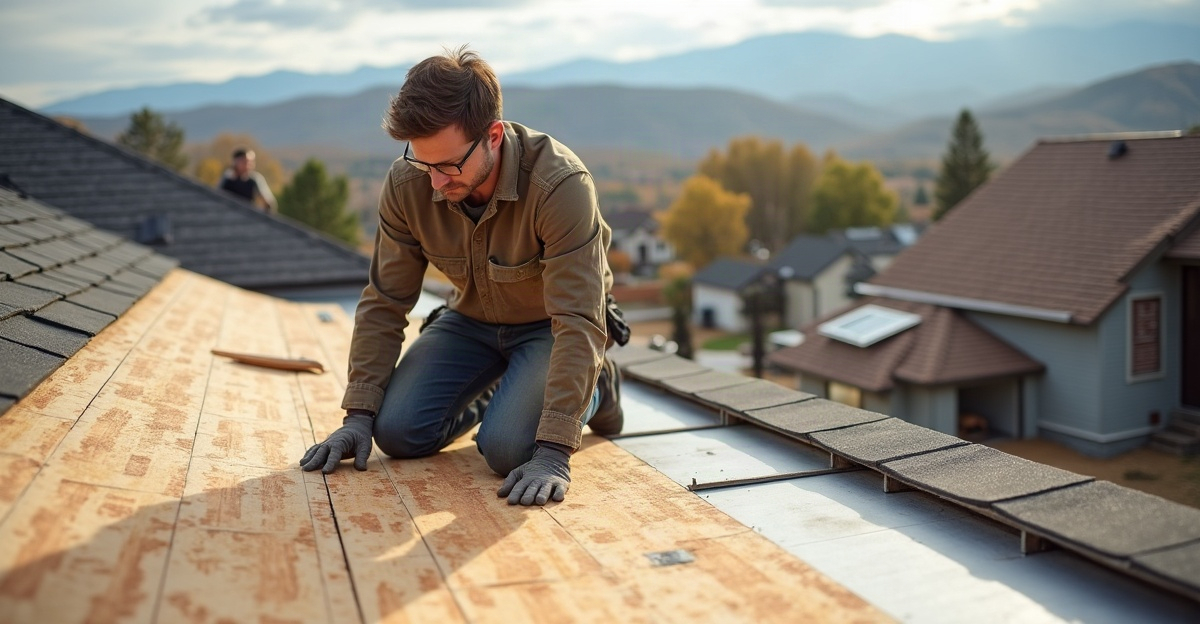
Less-visible materials often appear as separate line items on a roofing estimate because they perform different jobs. Roof decking is the wood base beneath the system. We inspect it after tear-off, then document and discuss any needed replacement before completing roof decking repair.
Roofing underlayment sits between the decking and roof covering. Felt underlayment is a traditional paper-based product, while synthetic underlayment is a manufactured sheet material. We select felt underlayment or synthetic underlayment based on the roofing system, roof design, project conditions, and manufacturer specifications.
An ice-and-water barrier is a self-adhering waterproof membrane used in vulnerable locations. Its placement depends on local requirements, roof design, and exposure. Drip edge is metal edging that directs water away from roof edges and helps protect decking and fascia.
Roof flashing directs water away from chimneys, walls, skylights, vents, valleys, and other transitions. Valley flashing and other valley materials matter because valleys carry concentrated water flow. Open valleys leave the valley material visible, while closed valleys are covered by the roof covering. Sealant supports specific detailing, but it cannot replace correctly installed flashing.
Ridge caps and hip caps finish and protect peaks and hips. Pipe boots seal around plumbing vents and other roof penetrations. Roof fasteners include nails, screws, clips, and required fastening patterns. Sealants and adhesives serve specific weatherproofing tasks, never as a substitute for proper water-shedding design.
Ventilation, Edges, and Other Materials That May Be Needed for a Roof
Each scope should reflect the home’s design, condition, code requirements, ventilation needs, and exposure. We do not apply the same list of roofing materials to every home.
Roof ventilation may include a ridge vent, soffit vents, intake ventilation, box vents, and related components. We evaluate ventilation as a system rather than adding one vent type in isolation. Attic heat management, moisture control, insulation, roof design, and existing airflow conditions all affect the plan.
Starter shingles support correct shingle placement at roof edges and can help meet wind-resistance requirements for the selected system. Snow guards may be included on certain metal roofs where snow movement presents a concern.
Code-related materials may include specialized edge details, wall flashing, chimney details, skylight materials, or transition components. Homeowners should never be expected to diagnose structural concerns or perform roof work. Installation involves fall risks, weatherproofing details, manufacturer specifications, and local building requirements. Our new roof construction services provide professional planning for these project-specific needs.
How Southwestern Idaho Conditions Can Affect Material Selection
Southwestern Idaho roofing needs vary across Boise, Meridian, Eagle, Kuna, Nampa, Caldwell, Middleton, Mountain Home, McCall, and nearby communities. Elevation, microclimate, roof orientation, shade, tree coverage, pitch, and exposure can differ greatly from one neighborhood to another.
Snow and freeze-thaw cycles can make water-shedding details, snow and ice protection, flashing, valleys, roof edges, and roof ventilation especially important. Wind exposure can affect shingle selection, fastening patterns, edge detailing, and installation requirements. Summer heat and UV exposure can influence material aging and attic heat management.
Repeated temperature swings make compatible materials and correct installation essential as roofing materials expand and contract. Wildfire roofing considerations may also matter in some communities. We recommend discussing fire ratings, local requirements, and site-specific risks with a qualified contractor and local authorities where appropriate.
Actual roof longevity depends on product quality, installation, ventilation, maintenance, storm exposure, roof design, and manufacturer requirements. For heat-conscious options, review our overview of energy-efficient roofing and cool roof shingles.
How to Compare Roofing Material Estimates and Ask the Right Questions
Roofing material costs vary with roof size, complexity, labor, tear-off, repairs, product selection, disposal, and local conditions. A roofing estimate comparison should focus on the complete project scope, not only the total price.
Roof Replacement Estimate Checklist
We recommend confirming these details in every roof replacement estimate:
- Exact roof-covering manufacturer, product line, and color.
- Underlayment type, coverage, and ice-and-water barrier locations.
- Drip edge, flashing, valley treatment, ridge caps, hip caps, starter materials, and ventilation components.
- Pipe boots, penetration flashing, fastener type, and installation requirements.
- Tear-off, disposal, site protection, permits, and code-related upgrades.
- How damaged decking is identified, documented, priced, and approved.
- Manufacturer warranty requirements and contractor workmanship warranty terms.
Useful roofing contractor questions include: Which underlayment is included, and why does it fit this roof? Where will ice-and-water protection be installed? Will existing flashing be replaced, repaired, or reused? How will damaged decking be handled after tear-off? What ventilation components are included, and how was the plan determined? Are the materials installed according to manufacturer requirements and local code?
If you are comparing roofing materials or reviewing a roof replacement estimate in southwestern Idaho, Idaho Roofing Solutions can explain the materials recommended for your home and provide a clear project scope. Contact us for professional roofing services and straightforward answers about roofing warranties, material options, and project planning.