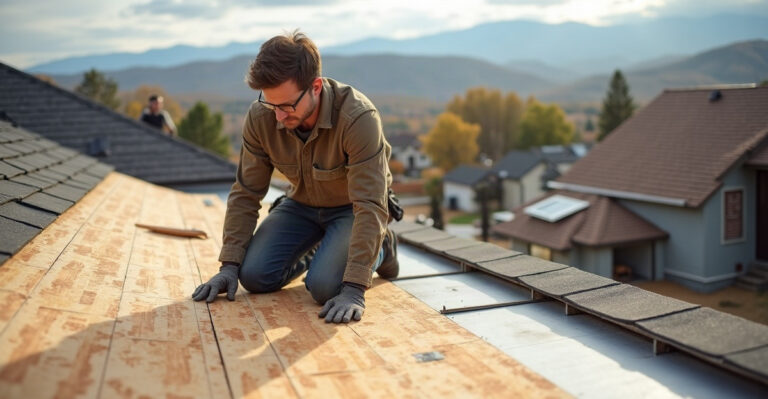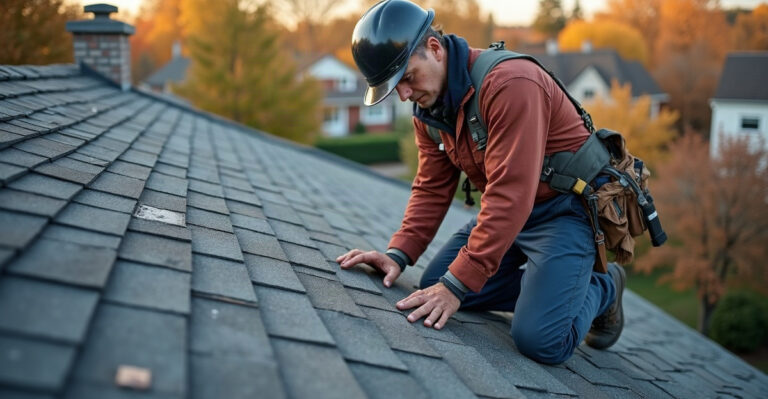
Different Types of Roof Shingles for Your Home
Roof shingles include asphalt, wood, composite, and specialty materials such as metal, slate, and tile. Each option brings different costs, weights, maintenance needs, and visual styles. For homes in southwestern Idaho, we select materials based on roof structure, wind and snow exposure, ventilation, product ratings, and the complete roofing system.
Key Takeaways
- Asphalt shingles remain the leading residential choice. Three-tab, architectural, luxury, and impact-resistant products provide different levels of durability and visual appeal.
- Wood, metal, slate, tile, and composite roofing create distinctive looks and can offer longer service lives. However, these materials may require larger budgets, specialty installation, or a structural assessment.
- Product wind, impact, and fire ratings carry more weight than material type alone. This matters in areas with shifting weather patterns.
- A roofing project involves more than shingles. Underlayment, flashing, ventilation, decking, drainage, and installation quality all influence roof performance.
- We recommend comparing total installed costs, maintenance needs, warranties, local code or HOA rules, and qualified installer availability before choosing a material.
Your Roof Shingle Options at a Glance
Asphalt shingles are the most common residential roofing option, but wood, metal, slate, tile, and composite materials can also fit a home’s needs. The different types of roof shingles vary by budget, roof design, appearance goals, structural capacity, maintenance preferences, and local requirements.
Asphalt, wood, slate, and composite products may be sold in shingle-like formats. Standing-seam metal, tile, and some metal panels are complete roof-covering systems rather than technically “shingles.”
| Material/type | Typical appearance | General cost level | Expected service-life range | Maintenance level | Key strengths | Important considerations |
|---|---|---|---|---|---|---|
| Three-tab asphalt | Flat and uniform | Lower | Shorter general range | Lower | Simple appearance and lower initial material cost | Often has lower wind resistance and a shorter service life than many dimensional products |
| Architectural asphalt | Layered and dimensional | Moderate | Moderate general range | Lower | Widely available with many styles and ratings | Published product ratings vary substantially |
| Luxury asphalt | Thick slate or shake look | Moderate to higher | Moderate to longer general range | Lower | Enhanced visual detail | May add weight and cost |
| Impact-resistant asphalt | Similar to architectural styles | Moderate to higher | Varies by product | Lower | Impact-tested options available | Does not prevent every form of storm damage |
| Wood shingles and shakes | Natural wood texture | Higher | Varies with care and exposure | Higher | Distinctive character | Needs moisture management, maintenance, and fire-rating review |
| Metal roofing | Panels, shingles, or tile profiles | Higher | Longer general range | Lower to moderate | Longevity, wind performance, and snow shedding | Requires experienced installation and quality detailing |
| Slate or tile | Premium natural or formed profiles | Higher | Long general range | Moderate | Long-term appearance and service potential | Heavy materials may need structural evaluation |
| Composite/synthetic | Slate, shake, or shingle styles | Moderate to higher | Varies by product | Lower to moderate | Premium appearance with less weight than some natural products | Quality, cost, and warranty terms differ widely |
Service-life figures are general ranges, not guarantees. Actual performance varies with product quality, installation, ventilation, climate exposure, maintenance, and storm events.
The materials covered here include three-tab asphalt, architectural or dimensional asphalt, luxury or designer asphalt, impact-resistant asphalt, wood shingles and shakes, metal roofing, slate, tile, and composite or synthetic shingles. For a broader overview, review our roofing materials list.
The right roof is not necessarily the most expensive material. We recommend choosing the product and complete roofing system that fit the home’s structure, local conditions, budget, ownership timeline, and maintenance expectations.
Asphalt Shingles: Three-Tab, Architectural, Luxury, and Impact-Resistant Options
Three-tab shingles have a flat, uniform appearance and usually carry a lower upfront material cost. They can suit homes that need a simple roof design and lower initial cost, depending on local availability and project requirements. Compared with many architectural products, they generally have a shorter lifespan and lower wind resistance.
Architectural shingles, also called dimensional shingles, use layered construction to create depth and shadow lines. They remain a popular choice because they offer a balance of appearance, availability, and performance options. Still, all asphalt shingles are not interchangeable. We recommend comparing each product’s published wind, impact, fire, and warranty information rather than relying on the category name alone. Our asphalt shingle guide explains the main product differences in more detail.
Luxury or designer asphalt shingles have a thicker profile and can resemble slate or wood shake. They add visual detail but typically increase material cost and may add meaningful weight. Before selecting a heavier product, we confirm that the roof deck and structure are suitable.
Impact-resistant asphalt shingles are designed and tested for impact resistance, often referenced through UL 2218 classifications. An impact rating does not mean a roof is immune to hail damage, wind damage, installation problems, or all storm-related losses. We recommend confirming possible requirements or discounts with the insurance provider instead of assuming a product will change coverage or premiums.
Underlayment, ventilation, flashing, installation methods, and manufacturer requirements all affect asphalt roof performance. A quality shingle needs a complete system and correct installation to perform as intended.
Other Roofing Materials: Wood, Metal, Slate, Tile, and Composite
Wood shingles have a smoother, more uniform appearance, while wood shakes offer a thicker and more textured look. Both require ongoing maintenance and careful moisture management. Product availability, fire classification, local code, and HOA restrictions can also affect suitability. We recommend confirming the specific product’s maintenance needs and fire rating for the project location.
Metal roofing includes metal shingles, metal tile, and standing-seam panels. These systems can offer long service potential, wind performance, and effective snow shedding. They also carry a higher upfront cost and require installers who understand expansion, contraction, finish protection, flashing, and panel layout. Properly installed metal roofing over a complete roof assembly is not automatically noisier indoors than other roofing materials, but construction details matter. For a direct material comparison, see our metal versus asphalt guide.
Slate provides a distinctive appearance and long service potential, but it carries high material and labor costs. Natural slate is also heavy, so structural evaluation is important. Specialized installers and replacement materials may be less available in some markets.
Concrete and clay tile are premium materials that may require additional structural support and specialized installation. Weight, availability, roof design, neighborhood architecture, and HOA rules can all influence whether tile is practical.
Composite or synthetic shingles can replicate slate, shake, and traditional shingle profiles while weighing less than natural alternatives. Product quality, installer experience, warranty terms, and installed cost vary widely. Premium materials are not automatically better. Weight limits, maintenance expectations, insurance requirements, neighborhood considerations, budget, and homeowner priorities all matter.
How to Choose the Right Roof Shingle for a Home in Southwestern Idaho
We start with the complete roofing system budget rather than the shingle material alone. Roof slope, shape, complexity, drainage, curb appeal goals, maintenance expectations, and planned ownership timeline should guide the material choice.
Boise, Meridian, Eagle, Kuna, Nampa, Caldwell, Middleton, Mountain Home, McCall, and surrounding communities can experience different conditions based on elevation and location. Hot, dry summer sun, seasonal temperature swings, wind exposure, and snow loads at higher elevations all affect material selection and installation planning. Valley communities and mountain locations may need different product specifications.
The appropriate product may depend on wind rating, impact rating, fire rating, cold-weather installation instructions, roof ventilation, and local code requirements. Roof deck and structural capacity also matter, especially for luxury asphalt, tile, slate, and some specialty systems.
We don’t recommend blanket claims that one material is best for Idaho weather. Instead, we review manufacturer documentation, local requirements, and project conditions before recommending a roof. Homeowners considering heat-management options can also review cool roof shingles as part of the material-selection process.
A Roof Is More Than Shingles: System Components, Installation, Costs, and Warranties
Shingles are only one part of a complete roofing system. The project may also involve roof decking and deck-condition repairs, underlayment, ice-and-water protection where appropriate, flashing, ventilation, drip edge, drainage details, attic conditions, and proper installation. Even a high-quality shingle can underperform if the overall system is poorly designed or installed.
Material cost and installed project cost are different. A complete estimate may include tear-off and disposal, multiple existing roof layers, decking repairs, flashing replacement, ventilation improvements, steep or complex roof areas, permits, code-related upgrades, and access challenges. We provide clear scope details through our roof replacement services so homeowners can understand what the project includes.
Warranties also differ. A manufacturer’s material warranty addresses product coverage under specific conditions, while a contractor’s workmanship warranty addresses installation work under its stated terms. Coverage, exclusions, registration requirements, transferability, installation requirements, and claim procedures vary. Warranties do not automatically cover every leak, weather event, installation-related issue, or type of damage.
Local limitations can include higher structural requirements, longer product lead times, fewer qualified specialty installers, or restrictions related to fire ratings, HOA rules, and building codes.
Questions to Ask a Roofer About Shingle Options
Before approving a roofing proposal, we recommend asking clear project-specific questions:
- Which shingle or roofing material fits the roof slope and home design?
- What wind, impact, and fire ratings apply to this specific product?
- Is the roof structure suitable for the material’s weight?
- What underlayment, flashing, and ventilation work does the estimate include?
- Does the price include tear-off, decking repairs, disposal, permits, and code-related work?
- Could existing layers, drainage concerns, attic conditions, or deck repairs affect the final scope?
- Which manufacturer and workmanship warranties apply, and what exclusions should be reviewed?
- Are there HOA, code, or insurance requirements to confirm before selecting a material?
- What product lead times and installer qualifications apply to the selected system?
For southwestern Idaho homes, Idaho Roofing Solutions can provide a clear roof assessment or material consultation. We review existing roof conditions, practical roofing options, and project-specific requirements without high-pressure sales tactics. Contact us through our roofing consultation page to discuss the next steps.
Common Questions About Different Types of Roof Shingles
What are the different types of roof shingles?
Common options include three-tab, architectural, luxury, and impact-resistant asphalt shingles, plus wood shingles and shakes, composite products, and specialty materials such as metal, slate, and tile roofing. These different types of shingles for roof projects work best when selected for the home’s conditions and complete system needs.
What is the most common type of roof shingle?
Asphalt shingles are the most common residential roofing option. Architectural or dimensional shingles are widely used because they offer a layered appearance and a range of product specifications.
Are architectural shingles better than three-tab shingles?
Architectural shingles often have a thicker, more dimensional design and may offer stronger published ratings than basic three-tab products. However, the specific product’s ratings, installation, ventilation, and roof conditions matter more than the category alone.
Do impact-resistant shingles prevent hail damage?
Impact-resistant shingles are designed and tested for impact resistance, commonly using UL 2218 classifications. They are not immune to hail damage, wind damage, installation problems, or all storm-related losses.
Which roofing material lasts the longest?
Natural slate can have a long potential lifespan. Metal, tile, and some composite products can also offer long service potential. Structure, installation quality, maintenance, weather exposure, and product selection determine real-world performance.
Is metal roofing better than asphalt shingles?
Neither metal nor asphalt is universally better. Metal may offer longevity and snow-shedding benefits, while asphalt shingles are widely available, familiar to many installers, and offered across multiple cost and performance levels.
What type of roof is best for snow and wind?
For snow and wind, the appropriate choice depends on the specific product’s wind rating, installation method, roof slope, snow-load conditions, drainage, ventilation, and local requirements. The best answer starts with the material category, but ends with the exact product specification and installation plan.
How much do different roof shingle types cost?
Cost depends on the material and the full installation scope, including tear-off, roof complexity, deck repairs, flashing, ventilation, permits, disposal, and code-related work. To choose among different types of shingle roof systems, compare total installed cost, roof design, structural capacity, climate exposure, ratings, maintenance needs, appearance goals, HOA or code requirements, and qualified installer availability.