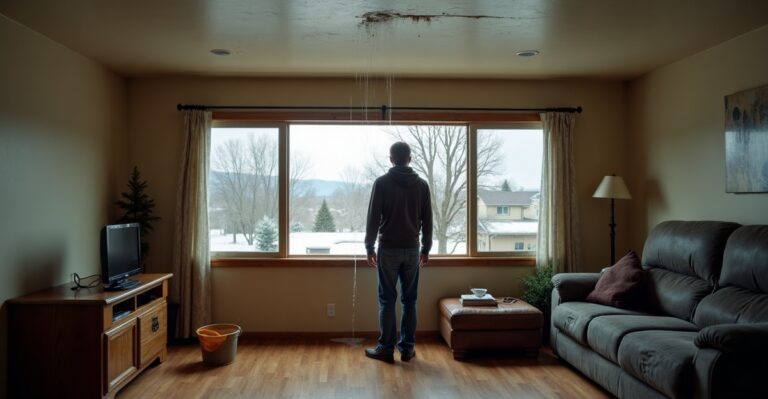
Questions to Ask Before Hiring a Roofing Contractor
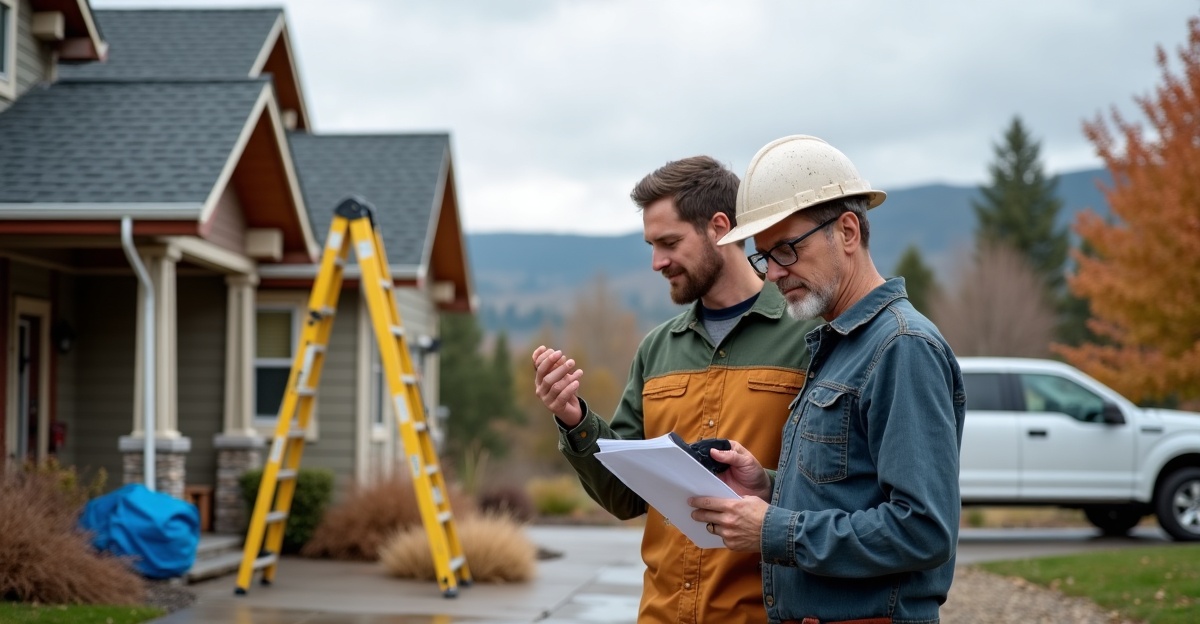
Asking the right questions of a roofing contractor helps homeowners confirm insurance, local permit rules, relevant experience, and a complete written scope before signing a contract. Clear discussions about Idaho weather, change orders, project supervision, payments, warranties, and final records help us make informed hiring decisions.
Key Takeaways
- Confirm current general liability insurance, workers’ compensation coverage where required, local licensing or registration, permits, and comparable local references.
- Compare detailed written estimates that list materials, tear-off or overlay options, flashing, ventilation, repairs, disposal, cleanup, permit fees, and all expected costs.
- Ask how the roofing system will handle snow, wind, drainage, freeze-thaw cycles, attic ventilation, ice dams, and flashing around roof penetrations.
- Confirm the process and cost for hidden damage. Request photo evidence and written approval for change orders before extra work starts.
- Review the project schedule, crew supervision, property protection, payment plan, workmanship and material warranty terms, and final project records.
Start With Proof of Insurance, Local Requirements, and Relevant Experience
Before signing a roofing contract, we should confirm that the contractor carries current roofing contractor insurance. Ask, “Can we see current proof of general liability insurance and workers’ compensation coverage where applicable?” Then ask whether we can verify coverage directly with the insurer.
General liability insurance helps address property damage or third-party injury claims connected to the work. Workers’ compensation coverage may apply when employees perform the work. A reputable local roofing contractor should provide clear documentation without hesitation.
We should also ask, “What licensing, registration, and roofing permits apply to this project in our city or county?” Requirements can vary by location and by the type of work planned. We recommend confirming the applicable rules with the local city or county office instead of accepting broad statements that permits are never needed.
Experience in local conditions matters. Ask how long the company has worked in the area and request references from comparable homes. A southwestern Idaho roofing contractor should be able to explain local material choices, permit responsibilities, and past work in practical terms. For additional guidance, review recommended local roofers before making a final decision.
Watch for expired insurance documents, vague answers about permits, or reluctance to provide local references. Those issues deserve a direct follow-up before work begins.
Make Sure the Written Estimate Covers the Entire Scope of Work
A low roofing estimate can look attractive while leaving out important work. We should request a detailed written roofing proposal that identifies labor, materials, project steps, and all expected charges. Comparing written scopes line by line gives us a more accurate view than comparing final prices alone.
Ask whether the roofing scope of work includes tear-off, disposal, underlayment, flashing, roof ventilation improvements, permit fees, deck repairs, cleanup, and haul-away. The estimate should identify material brands, product lines, colors, and specifications. It should also state whether pricing reflects visible conditions only.
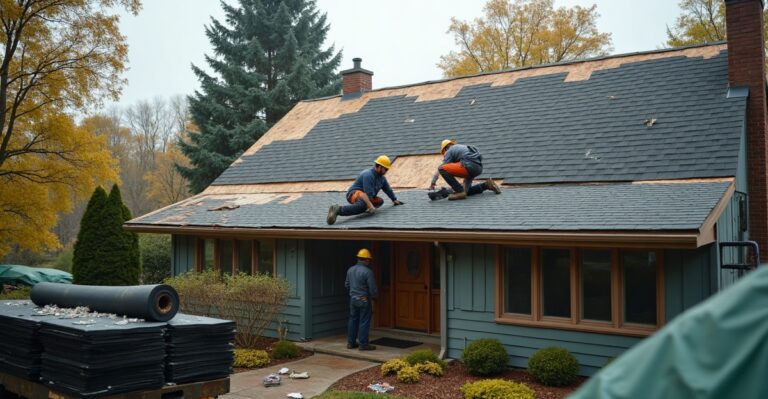
We should ask whether the contractor recommends a full tear-off or an overlay and why. An overlay leaves the existing roof in place and adds another layer above it. A tear-off removes old materials so the contractor can inspect the roof deck and install the new system over a clean surface. The appropriate approach depends on roof condition, local requirements, and the existing number of roofing layers. Learn more about roof tear-off services before agreeing to either option.
Clear estimates reduce confusion later. For practical budgeting context, our roofing cost per square guide explains a common roofing measurement used in project pricing. We should still rely on the written estimate for the specific home, materials, and conditions involved.
Ask How the Roof Will Be Built for Idaho Weather Conditions
Idaho roofing requires attention to snow, wind, freeze-thaw cycles, drainage, and attic moisture. We should ask how the proposed roofing materials and installation methods fit the roof’s slope, design, exposure, and local weather conditions.
A helpful contractor can explain snow- and wind-resistant roofing without making broad promises. No single product or warranty prevents every leak, storm-related concern, or future maintenance need. Strong performance depends on proper installation, quality roofing materials, flashing details, ventilation, and regular care.
Ask whether the contractor will inspect attic ventilation and whether improvements are recommended. Good attic ventilation can help manage heat and moisture, while poor ventilation may contribute to moisture concerns and uneven roof aging. In colder areas, we should also ask about ice dam prevention and whether the roof design, insulation, ventilation, or drainage creates a concern.
Roof flashing deserves specific attention. Ask how flashing will be installed around chimneys, skylights, walls, plumbing vents, and other roof penetrations. These transitions need careful integration with the surrounding roofing system. A contractor should explain the work clearly, including any recommended repairs to drainage or ventilation.
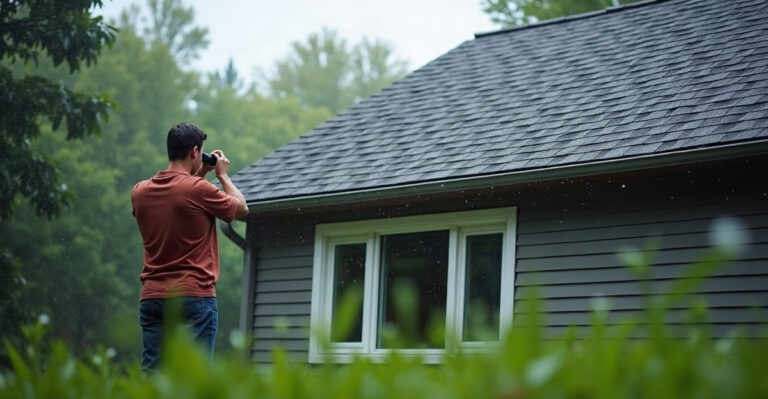
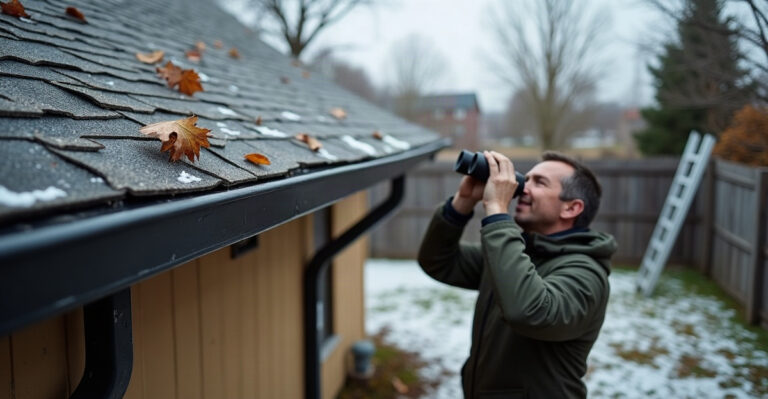
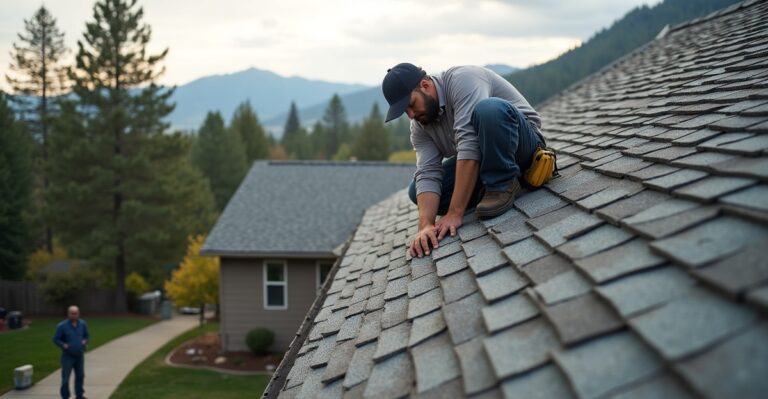
A professional assessment helps establish the right plan before materials arrive. Our guide on what a roof inspection includes outlines the areas that deserve attention during this process.
Get Clear Answers About Hidden Damage and Change Orders
Some concealed roof damage does not appear until the old roofing materials come off. Rotten roof decking, damaged fascia, inadequate ventilation, and other issues may remain hidden beneath shingles or underlayment. That possibility does not make a contractor untrustworthy. The key is having a clear roofing change order process before work starts.
We should ask what happens if the crew finds roof deck repair needs after tear-off. Ask whether the contractor has a stated per-sheet or per-unit price for decking repairs, fascia repair, or other common additional roofing costs. The written agreement should explain how the company prices work that falls outside the original estimate.
Request photographs of the condition, a clear explanation of the issue, and written approval before additional work proceeds whenever possible. The contractor should contact us promptly rather than simply adding charges at the end of the project.
We also recommend confirming whether change orders include updated labor, materials, taxes, and timing. A documented process protects both the homeowner and contractor from misunderstandings. For minor concerns that may arise before replacement becomes necessary, review when professional roof repair may be the appropriate next step.
Confirm the Timeline, Crew Oversight, Property Protection, and Communication Plan
A clear roofing project timeline sets realistic expectations for the work. We should ask when the project can start, how long it should take, and what may affect the schedule. Weather, material availability, inspections, and concealed repairs can all change the planned completion date.
Ask who will serve as the main point of contact before and during the project. We should know whether a roofing project manager or supervisor will be on site, how to report concerns, and how updates will be communicated if conditions change.
Property protection should be part of the conversation, not an afterthought. Ask how the crew will protect landscaping, driveways, siding, gutters, windows, and outdoor belongings. Confirm who is responsible for moving items near the home before work begins.
We should also clarify daily cleanup and final roof replacement cleanup. A responsible plan covers debris collection, disposal, magnetic nail removal, and a final walkthrough. Reviewing completed local roofing projects can help us understand the quality and care a contractor brings to finished work.
Realistic communication is better than unsupported guarantees. A dependable contractor explains potential delays early and provides practical updates throughout the job.
Understand Payments, Warranties, and Final Documentation Before Signing
The roofing contract should explain the full roofing payment schedule before we sign. Ask about deposits, progress payments, final payment, accepted payment methods, and the receipt provided for every payment. We recommend avoiding cash-only arrangements and taking time to understand any large upfront payment requirement.
Where applicable, ask how lien release procedures work. A lien release can document that parties providing labor or materials have been paid according to the project terms. The contractor should explain the documentation process in plain language.
Manufacturer material warranty coverage and workmanship warranty coverage are different. A manufacturer material warranty generally addresses qualifying material defects under its stated terms. A contractor workmanship warranty addresses installation-related responsibilities under the contractor’s terms. Neither should be represented as covering every leak, storm event, maintenance issue, or excluded condition.
Before committing, ask for the roofing warranty terms in writing. We should understand exclusions, maintenance responsibilities, transfer requirements, and claim procedures. Request final invoices, warranty documents, permit records where applicable, and completion photos or other project records.
A detailed written estimate, clear payment terms, responsive communication, and local references are stronger decision factors than the lowest price alone. For project-specific pricing expectations, review Idaho roof replacement costs, then use the contract to confirm the exact work, materials, and documentation included.