Wind Damage to Roof: Signs and Solutions

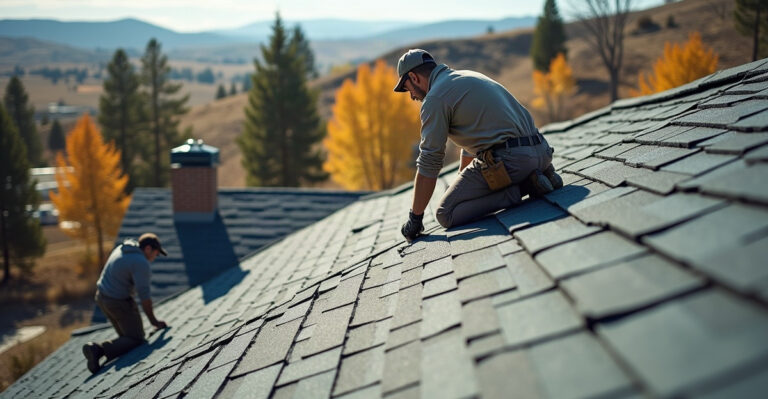
Wind can lift shingles, loosen flashing, damage ridge caps, and create entry points for wind-driven rain. A roof may still look mostly intact from the ground. We recommend a professional inspection for wind damage roof repair. Our team can identify hidden issues, distinguish recent storm damage from normal wear, and recommend repair or replacement.
Key Takeaways
- Look for missing, lifted, curled, creased, cracked, or displaced shingles. Also check flashing, vents, gutters, fascia, and soffits for damage.
- Check indoors for ceiling stains, damp insulation, drips, or musty attic odors. These signs may point to water intrusion.
- Avoid climbing onto a damaged roof. Document visible conditions from the ground, protect valuables from active leaks, and record the storm date.
- Professional inspections check shingle seals, roof edges, flashing, penetrations, attic moisture, and other areas that may hide wind damage.
- Repair may work for isolated damage with serviceable surrounding materials. Widespread damage, recurring leaks, or an aging roof may require replacement.
How Wind Can Damage a Roof and When to Act Promptly
Wind can loosen, lift, crease, crack, displace, or remove roofing materials. Visible signs alone do not always confirm wind as the cause, so a professional inspection may be needed to identify hidden damage and the right repair scope.
Wind damage roof repair may be needed after high winds compromise shingle seals, ridge caps, flashing, vents, or roof edges. These areas help keep wind-driven rain out of the roof system. Once materials lift or separate, moisture can reach vulnerable areas below the surface.
Every roof responds differently to wind. Age, material condition, installation quality, roof design, exposure, fastening methods, and the direction and duration of wind all matter. We do not rely on a universal wind-speed threshold to determine whether damage occurred.
Active leaks, missing materials, exposed roof areas, damaged flashing, or interior moisture deserve prompt attention. Water intrusion can spread over time and may affect insulation, decking, ceilings, and other parts of the home. Seasonal wind events and temperature changes in southwestern Idaho make a post-storm roof review a practical part of home care. For more guidance after severe weather, review our Idaho storm damage guide.
Common Signs of Wind Damage on a Roof
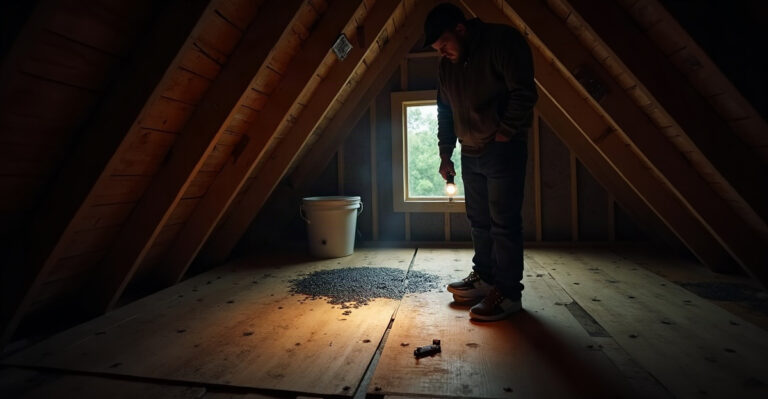
Safety note: We should not climb onto a roof that may be damaged, wet, steep, or covered in debris. Ground-level observation is the safer choice. A basic attic check can also help when the area is accessible, well-lit, and safe to enter.
From the ground, we may notice shingles that are missing, lifted, curled, creased, cracked, or out of position. Exposed nail heads and loosened fasteners can also signal a concern. Ridge caps may look raised, split, or partially detached.
Flashing around chimneys, walls, skylights, and vents may become loose, bent, or detached during strong wind. We may also see damage to roof vents, pipe boots, gutters, downspouts, fascia, or soffits. Granules at downspout exits or in gutters can be worth noting, especially after a storm. Fallen limbs, branches, and wind-blown debris on the roof also call for attention.
Inside the home, water stains, damp insulation, drips, or musty odors near the attic or ceiling can point to moisture entry. Wind-driven rain may enter around roof penetrations, vents, flashing, or roof edges even if shingles appear generally intact from the ground.
None of these signs proves wind damage by itself. Granule loss, staining, and loose shingles can also result from roof age, previous installation issues, hail, debris impact, moisture, or normal material wear. Hidden concerns may involve shingle seals, underlayment, flashing, ridge caps, vents, or sealant. A professional inspection helps separate recent damage from pre-existing conditions. Our roof inspection checklist can help us document what we see safely.
What to Do After a Wind Event
We should put personal safety first after a wind event. Stay away from downed power lines, unstable branches, and damaged structures. Avoid DIY roof inspections and never walk on a roof that may have loose materials or hidden weak areas.
First Steps After Suspected Wind Damage
These practical actions can help limit risk and create a clear record of conditions:
- Photograph visible roof damage from the ground, including debris, gutters, exterior damage, and interior stains.
- Move valuables away from active leaks and place containers under dripping water if needed.
- Avoid permanent repairs before documenting conditions, while taking reasonable emergency measures to limit additional damage when safe.
- Note the date of the wind event and any changes observed afterward.
- Contact a qualified local roofing contractor for an inspection.
Prompt documentation helps us track changes, communicate clearly with a contractor, and support an insurance discussion if appropriate. For an active leak or a roof opening, review these emergency roof repair steps. We can then arrange professional roof repair for storm and wind damage based on the actual condition of the roof.
What a Professional Roof Inspection Includes
Some wind-related issues are difficult to identify from the ground. A professional evaluation looks beyond obvious missing shingles and checks how the roof’s components are working together.
We inspect shingles and shingle seals, ridge caps, roof edges, and flashing around chimneys, walls, skylights, and vents. We also review roof vents, pipe boots, penetrations, and sealant. Gutters, downspouts, fascia, soffits, and areas struck by debris may provide useful evidence as well.
Where conditions allow, we check the attic for moisture, damp insulation, staining, and signs that wind-driven rain entered through a vulnerable point. This step can reveal concerns that are not visible from outside.
The purpose of an inspection is to identify the cause and extent of concerns, distinguish recent damage from aging or pre-existing wear where possible, and recommend an appropriate scope of work. We provide clear findings and explain why localized roof wind damage repair or a broader solution makes sense. Our roof repair services address isolated damage with practical, straightforward recommendations.
When Wind Damage Roof Repair Is Appropriate and When Replacement May Be Needed
Repair is often appropriate when damage is isolated, surrounding materials remain serviceable, and compatible replacement materials are available. Refastening or replacing affected components, correcting flashing issues, and addressing damaged vents or pipe boots can restore protection without replacing the entire roof.
A few missing or lifted shingles do not automatically mean a full replacement is necessary. At the same time, a small visible issue does not rule out hidden damage beneath the roofing surface.
Replacement may be worth considering when damage is widespread, shingles are brittle or near the end of their lifespan, leaks recur, repairs would be extensive, or matching materials are impractical. The right choice depends on inspection findings, roof age, material condition, damage extent, and long-term value.
We base wind damage roof repair recommendations on the roof in front of us rather than a one-size-fits-all rule. When replacement provides the clearer long-term path, our roof replacement services can help us plan the work with a defined scope. For a closer comparison, see our guide to roof repair versus replacement.
Insurance Considerations, Choosing a Contractor, and Homeowner FAQs
Insurance coverage for roof repair wind damage depends on the policy, deductible, documentation, cause of loss, exclusions, and the insurer’s assessment. We should review policy details and contact the insurer when appropriate after documenting conditions and arranging a professional inspection. No contractor can guarantee claim approval, repair pricing, timelines, warranty coverage, or insurance outcomes.
A reliable contractor should provide clear inspection findings and a written scope of work. We recommend confirming licensing or applicable credentials and insurance, discussing material options and workmanship warranties, and asking how communication will work during the project. A contractor should be able to explain why repair or replacement is recommended without pressure or vague claims.
Common Questions About Wind Damage
Can wind damage a roof without removing shingles?
Yes. Wind can loosen shingle seals, lift tabs, damage flashing, or affect vents and ridge caps without fully removing shingles.
How do we know if wind lifted shingles?
Raised, uneven, curled, creased, or displaced shingles may be visible from the ground. An inspection is often needed to confirm the cause and extent of the issue.
Should we repair a few damaged shingles or replace the roof?
The answer depends on the roof’s age, condition, extent of damage, availability of matching materials, and whether leaks or widespread wear are present.
Can wind damage cause a roof leak later?
Yes. Lifted materials, compromised seals, and damaged flashing may allow water intrusion during later rain or snow events.
Does homeowners insurance cover wind damage roof repair?
It may, but coverage depends on the policy, deductible, exclusions, cause of loss, documentation, and insurer assessment.
Should we get a roof inspection after high winds?
An inspection is a practical step when visible damage, debris, missing materials, interior moisture, or an active leak is present. Our guide on post-storm roof inspections offers additional context.
Homeowners in Boise, Meridian, Eagle, Kuna, Nampa, Caldwell, Middleton, Mountain Home, McCall, and nearby southwestern Idaho communities can schedule a professional inspection with Idaho Roofing Solutions after potential wind damage, an active leak, or when a clear repair-versus-replacement recommendation is needed.