How to Handle Roof Storm Damage in Idaho?

Storms in southwestern Idaho often leave behind visible and hidden damage that demands fast, well-documented roof storm damage repair. We protect our homes from leaks and long-term structural issues by acting quickly and staying organized. Handling roof storm damage in Idaho starts with safe ground-level inspections, careful documentation, clear repair versus replacement decisions, and support from a qualified local contractor we trust.
Key Takeaways
- We prioritize safety after a storm by inspecting from the ground, documenting visible damage, and checking interior spaces like ceilings and attics for signs of moisture.
- We watch for common hail and wind indicators, including missing or creased shingles, granule loss, dents in metal components, and exposed underlayment.
- We understand that hidden damage, such as shingle bruising, compromised flashing, and attic moisture, may appear days or weeks later and requires professional evaluation.
- We base the repair-versus-replacement decision on the roof’s age, the extent of damage, the material type, and the overall condition.
- We partner with a licensed, insured local contractor who provides written estimates, communicates clearly, and offers realistic guidance during the insurance process.
Immediate Steps to Take After a Storm Hits Your Idaho Home
Storms move quickly across southwestern Idaho. Hail, strong winds, and heavy rain can leave damage that isn’t always obvious from the ground.
Safety comes first. We never recommend climbing onto a roof right after a storm, especially in areas like Boise, Meridian, Eagle, Kuna, Nampa, Caldwell, Middleton, Mountain Home, or McCall where hail and wind events are common. Shingles can be slick, loosened, or structurally compromised.
Start the roof storm damage repair process from the ground. Walk the perimeter of the home and use binoculars if needed. Look for:
- Missing or lifted shingles
- Fallen tree limbs or debris
- Exposed underlayment
- Pieces of shingles in the yard
- Granules collecting at the base of downspouts
Take clear photos from multiple angles. Note the date, approximate time, and type of storm. Simple documentation helps support storm roofing repair evaluations and insurance claims later.
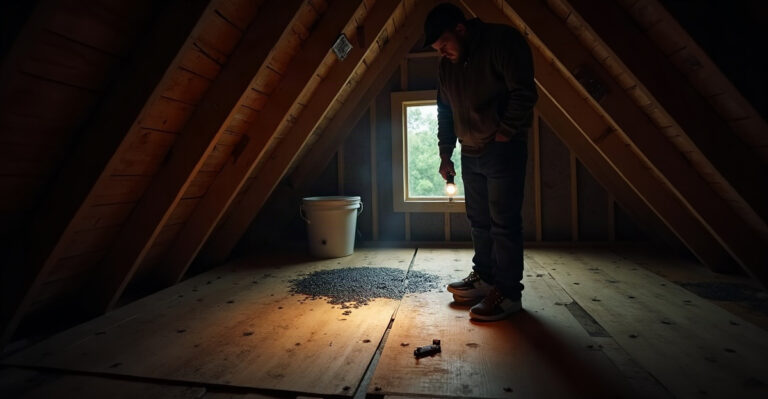
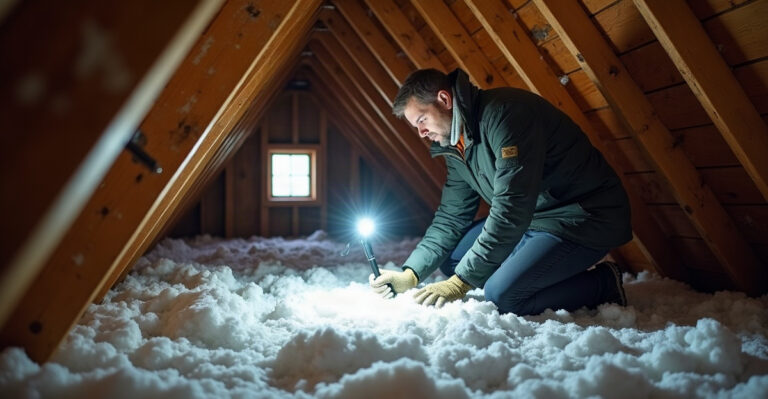
Move inside next. Check ceilings for water spots or bubbling paint. Head into the attic if it’s safe and look for damp insulation, stains on decking, or active drips. Catching leaks early limits damage to framing and insulation. We explain additional steps in our guide on what to do immediately after roof damage.
After the initial check, contact a qualified local contractor for a professional inspection. Hidden damage can’t always be identified from the ground. Stay calm and avoid signing contracts on the spot. A clear inspection and written estimate allow time to make an informed decision.
Common Signs of Hail and Wind Damage on Idaho Roofs
Southwestern Idaho’s weather creates predictable damage patterns. Seasonal hailstorms and strong winds move across open farmland and foothills, often striking homes unevenly. Rapid temperature shifts and heavy rain intensify the impact.
Hail Damage Roof Idaho Indicators
Hail damage often shows subtle but important signs on asphalt and architectural shingles.
From the ground or gutters, we may see:
- Granule loss that creates bald spots
- Excessive shingle granules collecting in gutters
- Dents on flashing, vents, and metal components
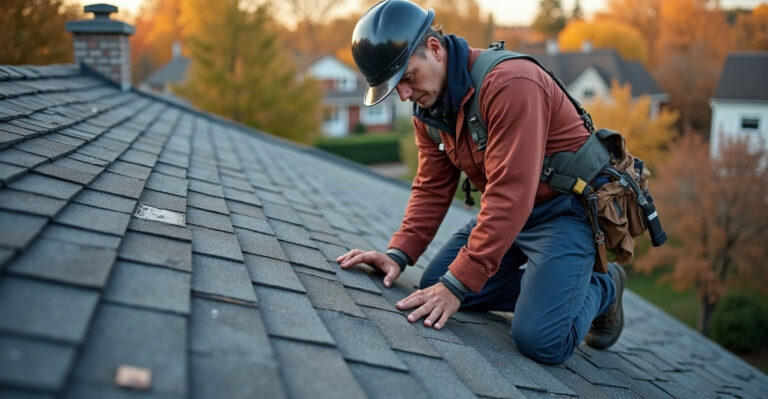
During a professional inspection, we also check for shingle bruising. Hail can create soft spots that aren’t visible from the driveway but weaken the integrity of the shingle over time.
Metal roofing reacts differently. Instead of granule loss, impact marks often appear as visible dents on panels and trim. While some dents are cosmetic, others compromise seams or fasteners.
Wind Damage Roof Warning Signs
High gusts can lift, crease, or remove shingles entirely. In our area, wind often hits one slope harder than others.
- Missing shingles
- Lifted or curling shingle edges
- Creased shingles where they’ve folded over
- Exposed underlayment
- Displaced ridge caps
Architectural shingles may resist wind better than older three-tab shingles, but no system is immune. Even one missing shingle can open the door to moisture intrusion.
Not every damaged roof needs full replacement. Damage severity, location, and overall roof condition determine whether storm roofing repair or broader work is necessary. A professional evaluation clarifies the right path.
Hidden Roof Storm Damage Homeowners Often Miss
Some damage doesn’t show up until days or even weeks later. Small leaks may begin slowly after underlayment or flashing has been compromised.
Attic moisture is another common issue. We often find:
- Staining on roof decking
- Damp insulation
- Early mold growth due to reduced ventilation performance
Flashing around chimneys, vents, and skylights may loosen during wind events without immediate leaking. Over time, that movement allows water infiltration.
Subtle shingle bruising is easy to overlook. Hail can weaken a shingle without tearing it. Months later, cracking or premature aging develops.
Ignoring hidden damage increases long-term costs. Water intrusion leads to structural rot, damaged insulation, and interior repairs. If there’s any uncertainty, schedule a professional inspection. We prioritize safety and accurate diagnosis before recommending any roof storm damage repair work. Homeowners can also review common issues found locally in our article on common roof problems in Idaho homes.
Roof Storm Damage Repair vs. Replacement: Making the Right Call
Determining whether to repair or replace depends on several practical factors.
Isolated wind damage on an otherwise newer roof often qualifies for targeted repair. If hail strikes are limited to specific sections and the remaining shingles remain structurally sound, localized fixes may extend the roof’s life.
Widespread hail damage across multiple slopes tells a different story. If the roof already approaches the end of its expected lifespan or repeated repairs have occurred in the same areas, replacement may offer better long-term protection.
Key considerations include:
- The age of the roof
- Maintenance history
- Damage pattern and extent
- Roofing material type
- Overall property protection goals
For localized issues, our roof repair services address damaged sections while preserving the rest of the system. For larger-scale impact, a full roof replacement may provide better durability and peace of mind.
We discuss these differences in detail in our guide on roof repair vs. replacement.
Pricing and insurance coverage vary. We don’t guarantee coverage outcomes or specific figures without inspection. A written estimate outlining the recommended scope of roof storm damage repair allows homeowners to compare options clearly and move forward with confidence.
Understanding the Insurance Process and Professional Documentation in Idaho
Once storm damage is confirmed, filing a claim usually begins with notifying the insurance carrier. They assign an adjuster to inspect the property and assess the reported damage.
Adjusters typically look for:
- Clear evidence of hail or wind impact
- Consistent damage patterns
- Photo documentation that supports the timeline
- A defined scope of repair or replacement
Our role as a contractor includes providing a detailed inspection report, documenting findings with photos, and explaining whether repair or replacement best addresses the issue. We coordinate professionally with adjusters while keeping communication respectful and realistic. We never promise claim approval.
We explain the storm roofing repair estimate in clear language. Homeowners should understand materials, labor scope, and projected timelines before work begins.
Inspection scheduling often occurs within days of contact, depending on demand after major storms. Estimate preparation follows the inspection, and repair scheduling depends on material availability and weather conditions.
Throughout the process, we keep homeowners informed. Transparency builds trust and reduces confusion.
Choosing a Trustworthy Local Contractor for Storm Roofing Repair
Storms often attract out-of-state contractors. Working with a licensed and insured local company offers stronger accountability and ongoing support.
An established presence in southwestern Idaho matters. A company rooted in Boise and surrounding communities understands regional weather patterns and building styles. We provide roofing services in Boise, ID and nearby areas with a focus on long-term relationships.
Always request a written estimate that outlines materials, labor, cleanup, and warranty information. Clear documentation protects both sides.
Experience with hail damage roof Idaho conditions and wind damage roof projects specific to this region makes a difference. Regional knowledge allows accurate recommendations without overreaction.
Professional communication is another key sign. Look for:
- Clear explanations without pressure
- Realistic timelines
- Transparent pricing discussions
- Willingness to answer questions
We encourage prompt action after confirmed damage to prevent leaks and structural issues. At the same time, take the time needed to select a contractor who communicates clearly and stands behind their work.
As a veteran-owned and family-operated company, we value honesty, respectful service, and community trust. Homeowners can learn more about our approach at Idaho Roofing Solutions or schedule an inspection through our contact page.