Roof Maintenance Tips to Extend Lifespan
Roof maintenance tips help us extend roof lifespan across southwestern Idaho by managing snow loads, wind, heat, and freeze-thaw cycles that wear down shingles, flashing, and ventilation systems. We follow a consistent seasonal plan and schedule timely inspections with realistic expectations. This approach delays replacement, prevents leaks, and protects property value in our demanding local climate.
Key Takeaways
- Inspect our roof at least twice a year, in spring and fall, and after major wind or snow events.
- Keep gutters, valleys, and downspouts clear so water can drain properly and ice dams don’t form.
- Watch for warning signs like missing shingles, granule loss, sagging sections, or moisture in the attic.
- Trim overhanging branches and examine flashing around chimneys, vents, and skylights to lower leak risks.
- Schedule professional evaluations for aging roofs, storm damage, structural concerns, or recurring leaks.
Protecting Your Roof Investment in Southwestern Idaho
Roof maintenance tips play a key role in protecting one of the most important parts of our homes. In southwestern Idaho, roofs take a beating from snow, wind, heat, and sharp temperature swings.
Asphalt shingles in our area typically last 15–25 years, depending on material quality, ventilation, sun exposure, and storm activity. Metal roofing can last 40–70 years, but it still needs periodic inspections and fastener checks to perform as expected. Climate and proper installation have a direct impact on how long any roofing system holds up.
Snow loads and ice dams can stress shingles and force water under edges. Freeze-thaw cycles expand and contract materials, which can loosen flashing and fasteners. High winds lift shingles and push debris into valleys. Hot, dry summers accelerate aging and dry out sealing strips. These local conditions make consistent roof care tips Idaho homeowners can follow even more important.
Preventive maintenance helps maintain roof lifespan and often delays full replacement. Regular upkeep also supports energy efficiency by keeping ventilation balanced and moisture under control. Protecting shingles, flashing, and drainage systems safeguards property value and prevents avoidable interior damage.
We approach every roof with clear, honest guidance. Our goal is simple: give homeowners a practical roof upkeep guide that keeps expectations realistic and costs predictable.
Seasonal Roof Care Guide for Idaho Homes
Spring Roof Care Tips
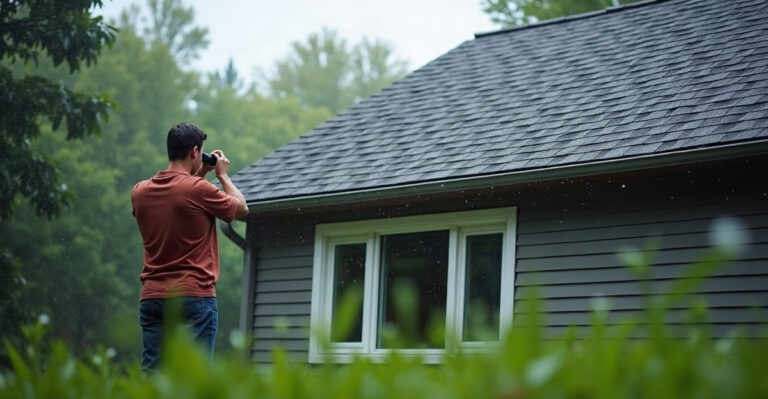
Winter leaves behind wear that needs attention. Once snow has melted, start with a ground-level visual inspection. Look for missing shingles, curling edges, visible granule loss, and damaged flashing. Flashing refers to the metal pieces that seal around chimneys, vents, and roof edges to prevent leaks.
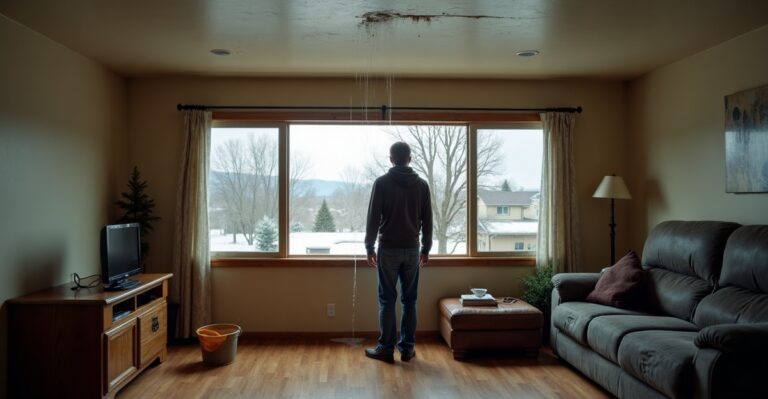
Next, check the attic. Water stains on decking, damp insulation, or musty smells often point to hidden moisture from ice dams or winter storms. If leaks are suspected, our guide on how to find a roof leak explains what signs to look for before damage spreads.
Clean gutters and downspouts thoroughly. Spring rain needs a clear path off the roof. Clogged gutters allow water to back up under shingles and along eaves.
Finally, scan eaves for signs of ice dam damage. Peeling paint, lifted shingles, or bent drip edge often indicate winter stress.
Summer Roof Care Tips
Hot, dry summers in southwestern Idaho can crack and dry out roofing materials. Inspect for blistered or brittle shingles and check for areas where sealing strips have separated.
Look closely at flashing around chimneys, skylights, and roof vents. Even small gaps can allow wind-driven rain inside. Addressing minor issues early helps avoid more serious repairs.
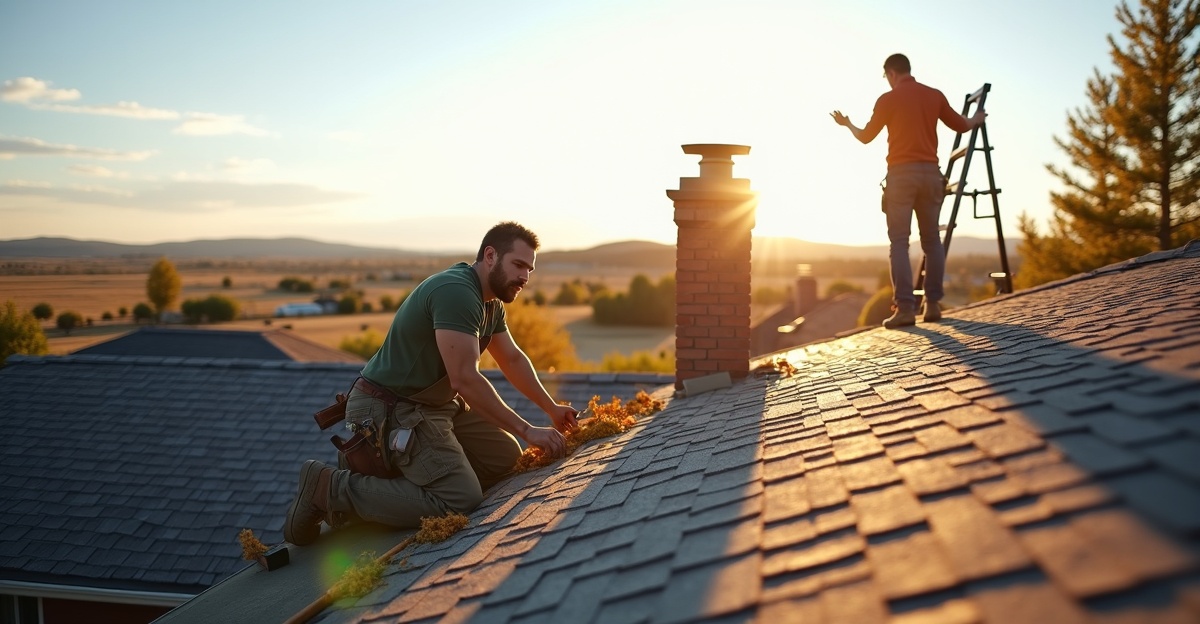
Keep tree branches trimmed back from the roofline. Overhanging limbs drop debris into valleys and become hazards during windstorms. Reducing debris buildup lowers the risk of moisture retention and shingle damage.
Fall Roof Care Tips
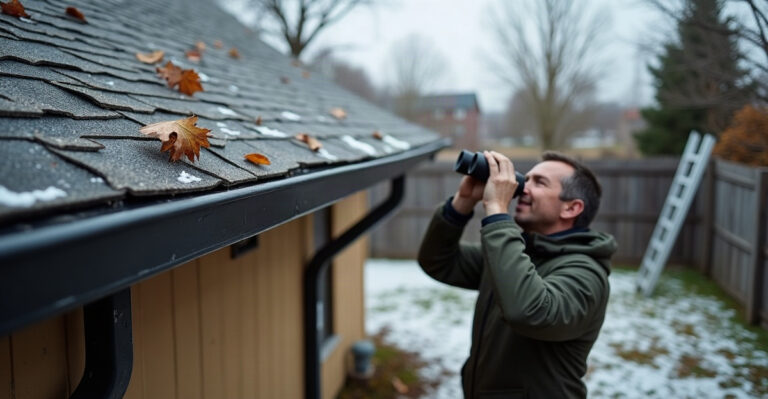
Fall preparation sets the tone for winter performance. Remove leaves from roof valleys and clear gutters again. Valleys carry large volumes of water and must stay open.
Make sure downspouts direct water several feet away from the foundation. Proper drainage protects both the roof and the structure below.
If a roof is approaching 15 years old or showing minor concerns, fall is a smart time to schedule a professional evaluation before snow arrives. Our roof inspection checklist for homeowners outlines what a thorough review should include.
Winter Awareness
Heavy snow accumulation deserves attention, especially after major storms. Watch for excessive buildup or drifting along valleys and lower edges.
Uneven snow melt can signal ventilation concerns. Warm attic air escaping through the roof surface often contributes to ice dam formation.
Safety always comes first. We never recommend climbing onto an icy or snow-covered roof. If snow loads or ice dams raise concerns, schedule a professional assessment instead.
Warning Signs Your Roof Needs Attention
Small issues often appear before major damage develops. Recognizing warning signs early can limit repair costs.
Common indicators include:
- Curled, cupped, or missing shingles
- Excessive granule loss collecting in gutters
- Sagging areas along the roofline
- Water stains on ceilings or attic framing
- Moss or algae growth that traps moisture
- Damaged or lifted flashing
- Storm-related shingle damage after wind or hail
Southwestern Idaho storms frequently bring high winds and occasional hail. After severe weather, we recommend reviewing our guidance on handling roof storm damage in Idaho to understand next steps.
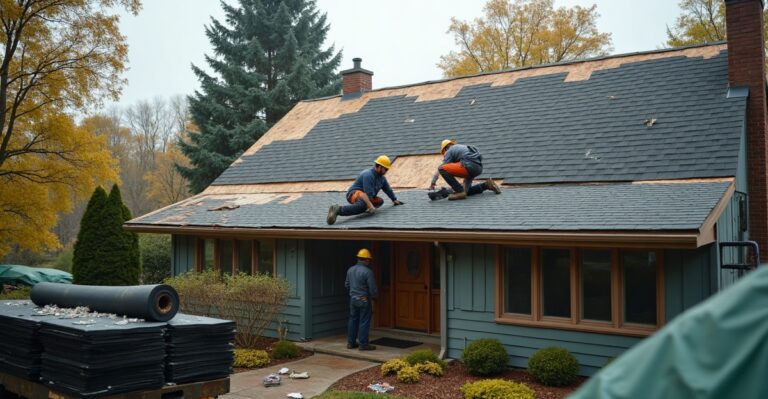
Maintenance has limits. Recurring leaks, widespread shingle failure, structural sagging, or multiple prior repairs on an aging roof often signal that simple upkeep is no longer enough. In those cases, repairs may provide only short-term relief. A professional evaluation helps determine whether roof repair services will solve the issue or if a more comprehensive plan makes sense.
What Homeowners Can Safely Do—And What Requires a Professional
Routine maintenance does not require advanced tools, but it does require caution. Many preventative steps remain safely within reach for homeowners.
Safe actions include:
- Ground-level visual inspections using binoculars
- Checking the attic for moisture or insulation issues
- Cleaning gutters with proper ladder safety
- Trimming overhanging branches
Professional work includes:
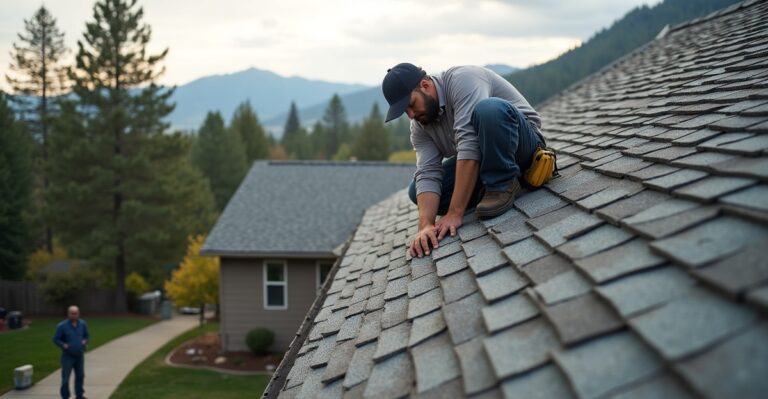
- Walking steep, high, icy, or visibly damaged roofs
- Structural repairs for sagging areas
- Flashing repair or replacement requiring watertight precision
- Ice dam removal to prevent shingle damage
- Storm damage assessments involving shingle replacement and documentation
Our team communicates findings clearly and respectfully. We provide written recommendations and explain options in practical terms. No pressure. No exaggerated promises. If broader work is necessary, we discuss solutions through our comprehensive roofing services so homeowners can make informed decisions.
When to Schedule a Professional Roof Inspection
Certain situations call for more than seasonal visual checks.
Schedule a professional inspection after major wind or snow events. Our article on roof inspections after a storm explains why hidden damage often goes unnoticed from the ground.
Aging asphalt roofs—especially those 15 years or older—benefit from evaluations every few years. Inspections also help buyers and sellers understand a roof’s current condition before a property changes hands. Any of the warning signs listed earlier warrant prompt attention.
A professional inspection typically includes:
- Assessment of shingles, flashing, ventilation, gutters, and penetrations
- Identification of storm-related damage or soft spots
- Attic inspection for moisture, airflow, and insulation concerns
- Clear written estimates with straightforward explanations
As a veteran-owned and family-operated company, we stand behind honest evaluations and respectful service. If concerns arise in Boise, Meridian, Eagle, Kuna, Nampa, Caldwell, Middleton, Mountain Home, McCall, or nearby communities, we invite homeowners to schedule a roof inspection or ask questions about current conditions. Transparent guidance builds long-term trust.
Common Idaho Roof Questions Homeowners Ask
How often should roofs be inspected in Idaho? We recommend at least twice per year—spring and fall—plus after major storms. Our detailed guide on how often to inspect your roof outlines practical timelines.
Can snow damage a roof? Yes. Heavy snow loads strain framing and shingles. Ice dams hold moisture along eaves, increasing the risk of leaks during freeze-thaw cycles.
How long do asphalt shingles last in Boise? In local conditions, most systems last 15–25 years. Ventilation quality, installation standards, maintenance habits, sun exposure, and storm frequency all affect performance.
When does maintenance stop being enough? Ongoing leaks, widespread deterioration, or repair costs that approach the value of replacement often signal the need for a larger solution. In those cases, evaluating long-term plans through professional guidance protects both budget and property value.
Consistent roof maintenance tips, realistic expectations, and timely inspections help southwestern Idaho homeowners maintain roof lifespan and avoid preventable damage. Steady attention throughout the year keeps roofs performing as intended in our demanding climate.