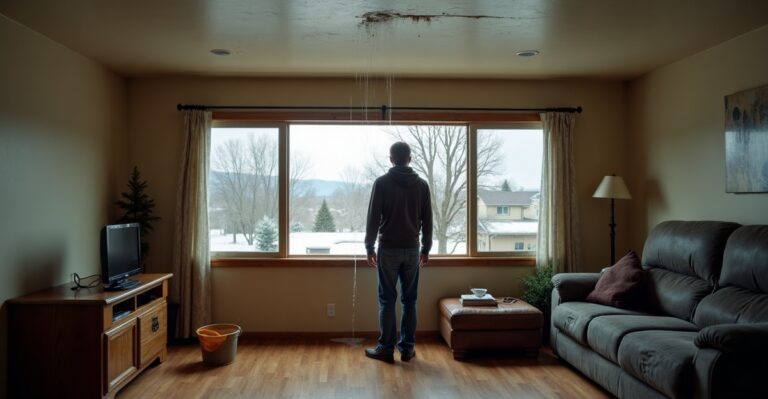
Roof Maintenance Checklist for Every Season

Seasonal roof maintenance gives Idaho homeowners a clear schedule for checking drainage, shingles, flashing, attic moisture, and debris as conditions shift from snow and ice to heat, wind, and falling leaves. We recommend ground-level inspections and safe indoor checks to catch warning signs early. Active leaks, recurring ice dams, damaged roofing materials, and heavy snow loads require professional service.
Key Takeaways
- Spring inspections should target winter damage, gutter and downspout flow, flashing, valleys, and moisture in the attic or on ceilings.
- Summer maintenance should include checks for heat wear, wind-blown debris, branch contact, roof penetrations, and attic ventilation.
- Fall preparation should include clearing accessible leaves and debris, confirming that water drains away from the foundation, and repairing loose materials before freezing temperatures arrive.
- Winter care should stay ground-based and focus on leaks, interior stains, unusual icicles, blocked drainage, ice dams, and excessive snow buildup.
- We recommend contacting a qualified roofer for active leaks, missing or displaced shingles, damaged flashing, sagging roof areas, ongoing attic moisture, or storm damage.
Your Quick-Reference Roof Maintenance Schedule
Seasonal roof maintenance helps homeowners in Boise, Meridian, Eagle, Kuna, Nampa, Caldwell, Middleton, Mountain Home, McCall, and nearby southwestern Idaho communities catch small concerns before they become harder to manage. Local conditions can place different demands on roofs, including winter snow and ice, freeze-thaw temperature changes, spring rain, wind, hot and dry summer weather, wildfire debris or ash where applicable, and fall leaves or tree debris.
Each community and property has different exposure. A shaded roof, a home near mature trees, a wind-exposed property, and a mountain-area home may face very different conditions. Routine care reduces risk and helps identify issues early, but it cannot prevent every storm loss, aging material, installation defect, or unexpected failure.
| Season | Primary Risks | Safe Homeowner Checks | Reasons to Schedule a Professional Inspection |
|---|---|---|---|
| Spring | Snowmelt, freeze-thaw damage, spring rain, wind-blown debris | Check from the ground for damaged shingles, clear accessible gutters, inspect the attic and ceilings for moisture | New leaks, displaced shingles, flashing damage, or water stains after winter |
| Summer | Heat, UV exposure, wind, dry debris, branches, wildfire ash where applicable | Watch for debris buildup, attic heat, drainage concerns, and branch contact | Persistent attic moisture, heat concerns, storm impact, or aging roof materials |
| Fall | Falling leaves, clogged gutters, wind, approaching freezing temperatures | Remove accessible leaves, confirm downspouts drain away from the foundation, look for loose materials | Drainage problems, damaged flashing, or concerns before snow season |
| Winter | Snow loads, ice dams, refreezing water, blocked drainage | Monitor indoor stains, icicles, attic moisture, and unusual snow buildup from a safe location | Leaks during snowmelt, repeated ice dams, significant snow loads, or suspected structural issues |
A dependable roof maintenance schedule should account for the entire roof system. Shingles or metal panels matter, but so do gutters, downspouts, attic ventilation, insulation, tree branches, flashing, drainage pathways, chimneys, and skylights. Our roof maintenance tips can help us build practical year-round roof care around the property’s needs.
Spring and Summer Roof Maintenance Checklist
Spring Checks After Winter Weather
Spring seasonal roof maintenance starts after snow, ice, and freeze-thaw cycles have passed. We recommend a careful ground-level review before spring rain exposes a weak area.
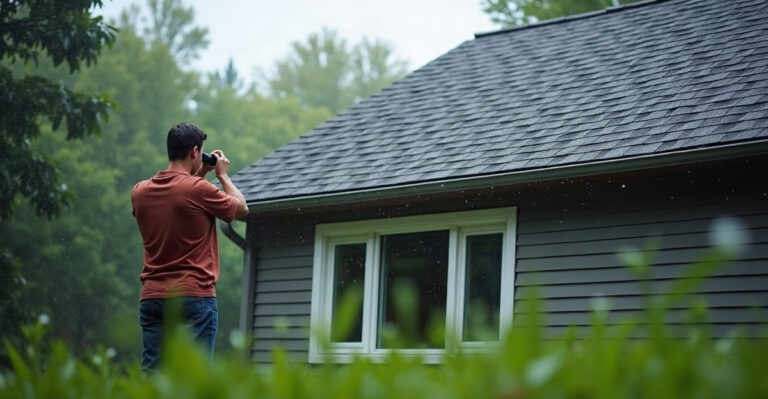
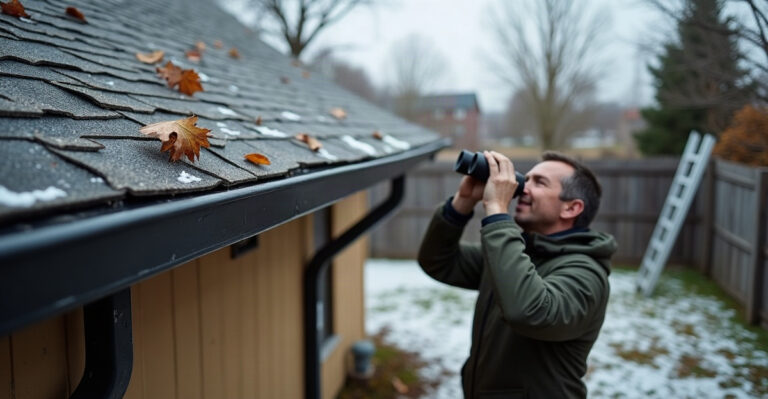
From the ground, look for missing, cracked, curled, lifted, or displaced shingles. Use binoculars if a closer view is needed. Avoid walking on the roof, especially if it is steep, wet, damaged, or difficult to access safely.
Check gutters and downspouts for winter debris. Confirm that downspouts send water away from the foundation. Good gutter maintenance helps keep water from backing up near roof edges and exterior walls. For a closer look at this task, review why gutter cleaning protects roofs.
Pay close attention to valleys. Valleys are the channels where two roof slopes meet. They collect and direct water, snow, and debris, so buildup in these areas can slow drainage.
We should also inspect accessible attic areas for water stains, damp insulation, mold-like growth, daylight through the roof deck, or unusual odors. Indoors, watch for ceiling stains, peeling paint, and new moisture around skylights or chimneys. These are important roof leak warning signs.
Flashing needs attention during spring checks. Flashing is metal or another waterproof material installed around roof transitions, such as chimneys, skylights, vents, and walls, to direct water away from vulnerable areas. Separation, bending, corrosion, or missing sections can allow water behind the roofing material.
Summer Heat, Wind, and Debris Checks
Summer heat and UV exposure can reveal aging shingles, weak sealant, and wind-related damage. Continue watching for lifted materials, exposed areas, or debris at roof edges and in valleys.
Roof penetrations also deserve attention. These are openings through the roof for vents, pipes, skylights, or similar features. Their flashing and seals can wear over time, even if the surrounding roofing looks sound.
Check attic ventilation during warmer weather. Excessive attic heat, moisture, or insulation that appears damp can indicate a ventilation or moisture-control concern. A professional may need to determine whether attic moisture comes from condensation or an exterior roof leak.
Before storm events, clear gutters when they are safely accessible. If smoky or windy conditions bring wildfire debris or ash to the property, carefully remove buildup from accessible drainage areas and monitor for repeat accumulation. Trim overhanging branches only if the work can be completed safely without damaging the roof or nearby utilities.
Fall and Winter Roof Maintenance Checklist
Fall is the time to prepare roof drainage for snow, ice, freeze-thaw cycles, wind, and falling leaves. Clear accessible leaves and debris from gutters and valleys. Confirm gutters, downspouts, and roof drainage pathways can move water away from the home before freezing temperatures arrive.
Inspect the roof from the ground for loose shingles, debris, and visible flashing concerns. Address drainage issues before water has a chance to freeze near the roof edge. Trim hazardous limbs safely before wind and snow increase the chance of falling branches.
Winter year-round roof care focuses on monitoring rather than roof access. Watch for unusual icicles, blocked drainage, active leaks, interior stains, and excessive snow accumulation. Do not climb onto an icy roof or attempt hazardous snow removal.
Ice dams form when melting water refreezes and becomes blocked near the roof edge. Repeated ice dams can point to a drainage, insulation, attic ventilation, or heat-loss concern that needs professional evaluation. Drip edge can also influence drainage. It is metal installed along roof edges to help guide water into gutters and away from roof decking.
Monitor interior conditions during snowmelt. New ceiling stains, damp attic insulation, peeling paint, mold-like growth, and unusual odors deserve prompt attention. Significant snow loads, persistent ice dams, leaks, and possible structural concerns call for qualified help.
Homeowners considering metal should also understand that metal roofs may shed snow more readily, yet they still need attention around seams, fasteners, flashing, and snow-retention systems. See our guidance on metal roofing in winter.
Safe Homeowner Checks and Roof Systems That Need Attention
Safe roof maintenance means staying on the ground whenever roof access creates a risk. We can spot many early roof damage signs without climbing ladders or walking on roofing materials.
Safe homeowner checks include looking for damaged shingles from the ground, using binoculars for better visibility, checking accessible gutters and downspouts, and confirming water drains away from the foundation. We can look inside the attic for moisture, daylight, stains, damp insulation, or unusual odors. Interior ceiling stains, peeling paint, and moisture near chimneys or skylights also warrant attention.
A helpful homeowner roof inspection checklist keeps observations organized. We should avoid repair work on steep, icy, wet, damaged, or otherwise unsafe roofs.
Different systems require different maintenance approaches. Asphalt shingles can show cracking, curling, lifting, or granule loss. Granule loss is the shedding of protective mineral granules from asphalt shingles. A small amount may be normal, while heavy or worsening accumulation in gutters can indicate aging or damage.
Metal roofing requires checks around fasteners, seams, flashing, and snow-retention components. Low-slope roofing needs careful drainage monitoring because standing water can create concerns that are not always visible from the ground. A qualified roofer should generally inspect low-slope systems.
Flashing, valleys, roof penetrations, drip edge, gutters, downspouts, attic ventilation, and insulation work together. A concern in one area can affect another. For example, a gutter blockage can worsen edge drainage, while insufficient attic ventilation can contribute to winter moisture and ice concerns.
Call a Roofer If You Notice These Warning Signs
Signs That Need Professional Attention
Some issues call for an experienced assessment rather than another seasonal check. Contact a roofer if we notice any of the following:
- Active leaks or new ceiling and attic water stains
- Missing, cracked, curled, lifted, or displaced shingles
- Exposed underlayment or visible roof decking
- Damaged, loose, separated, or missing flashing
- Loose gutters, poor drainage, or excessive granules in gutters
- Soft, sagging, or uneven roof areas
- Repeated ice dams, significant snow loads, or blocked drainage
- Storm debris impact from wind, hail, or falling limbs
- Visible mold, damp insulation, or ongoing moisture in the attic
A qualified roofer should inspect steep, high, wet, icy, or visibly damaged roofs. Professional help is also appropriate for replacing missing shingles, repairing lifted shingles, correcting flashing around chimneys or skylights, diagnosing recurring leaks, and investigating soft decking or sagging areas.
Storm damage inspections are useful after strong winds, hail, severe weather, or falling branches. Older roofs with widespread granule loss, repeated repairs, or material failure signs should also receive a professional roof inspection. Timing varies based on roof age, material, exposure, condition, and manufacturer or contractor guidance. There is no single inspection interval that fits every property.
An inspection does not automatically lead to major work. It helps determine whether roof repair services can address a focused issue or whether a roof replacement evaluation makes more sense. Insurance decisions depend on the policy, damage cause, documentation, and insurer assessment.
Common Questions About Year-Round Roof Care
How Often Should We Inspect a Roof in Idaho?
Seasonal ground-level checks support a reliable roof maintenance schedule. Professional inspection timing should reflect the roof’s age, material, exposure, condition, severe-weather history, and contractor or manufacturer guidance. Our article on roof inspection timing offers additional practical guidance.
Can We Handle Roof Maintenance Ourselves?
We can handle safe observations from the ground and accessible gutter care. We should leave roof access, repairs, major snow removal, flashing repairs, and hazardous conditions to trained professionals. Safe cleaning also matters, especially where debris, algae, or drainage concerns are involved. Review our guidance on safe roof cleaning before starting.
Early roof damage signs include missing, cracked, curled, lifted, or displaced shingles; granule loss in gutters; loose flashing; debris buildup; attic moisture; and interior water stains. Isolated granules can be normal, but heavy or worsening accumulation should be evaluated.
Ice dams occur when melting and refreezing water becomes blocked near the roof edge. Recurring ice dams, leaks, or substantial ice buildup warrant professional assessment. If we notice a leak, missing shingles, flashing damage, recurring ice dams, or uncertainty after a storm, schedule a professional roof inspection with Idaho Roofing Solutions.