What Happens If You Delay Roof Repairs?
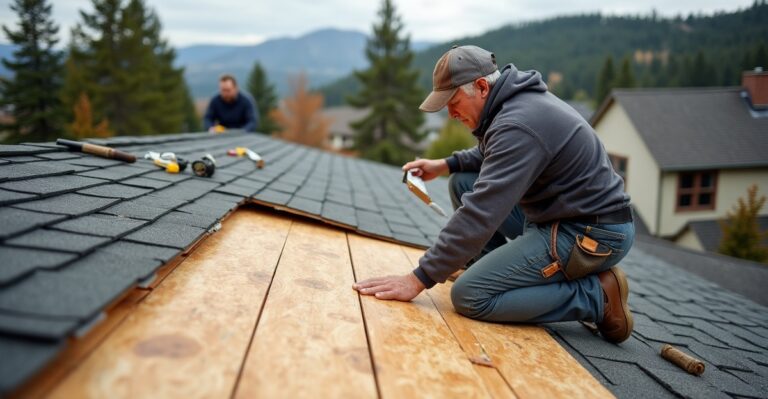
Delaying roof repairs lets small issues, including missing shingles, damaged flashing, and minor leaks, spread moisture into decking, insulation, ceilings, and framing. In Southwestern Idaho, wind, rain, snow, freeze-thaw cycles, and sun exposure can worsen roof damage. We recommend a prompt inspection when water intrusion signs appear.
Key Takeaways
- Water can move through roofing materials and attic spaces before it creates a ceiling stain. A visible stain may sit far from the actual leak source.
- Unresolved moisture can damage roof decking, insulation, interior finishes, and belongings. It can also support mold growth.
- Active leaks, storm damage, sagging sections, displaced materials, and expanding interior stains need prompt professional service.
- We recommend documenting symptoms safely from the ground. Move valuables away from leaks, and avoid climbing onto wet, icy, steep, or damaged roofs.
- Delayed repairs don’t always mean roof replacement. We determine the right solution by reviewing the roof’s age, damage level, nearby material condition, and expected service life.
When a Small Roof Problem Can No Longer Wait
Delayed roof repairs can turn a missing shingle, loose flashing, small leak, or exposed roof section into a larger moisture problem. The speed of that damage depends on roof age, material type, drainage, weather exposure, and how long the issue remains unaddressed.
Most roof damage follows a predictable path. Exterior materials fail or flashing separates first, allowing water to enter beneath the roofing. Moisture can then reach the underlayment and roof decking, soak insulation, stain ceilings, and eventually affect framing or indoor air quality.
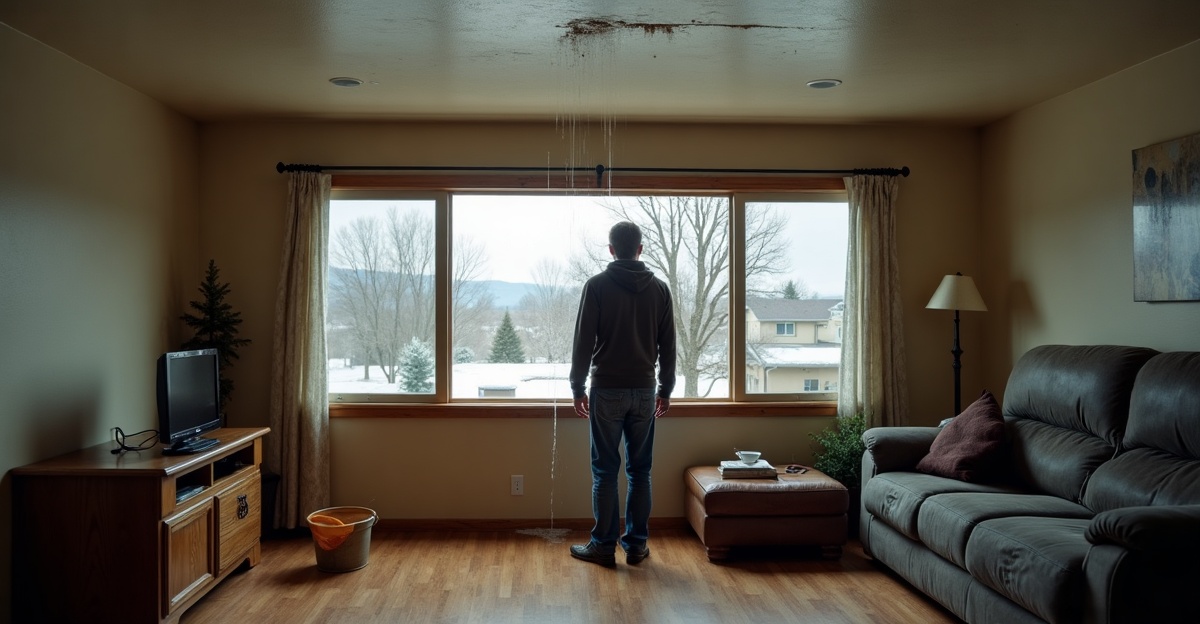
A ceiling stain does not always identify the exact leak location. It may come from an active leak, an older event, or water that traveled along decking, framing, or insulation before appearing indoors. A professional inspection helps identify the source and determine how far moisture has spread.
Prompt evaluation can often limit moisture-related damage. Still, a minor defect does not always require emergency service. The important step is confirming whether the roof remains watertight and structurally sound.
How Delayed Roof Repairs Can Affect Your Home and Budget
The consequences of roof damage often extend beyond the visible problem. A small leak may spread into nearby materials before it becomes obvious inside the home. Water can travel along roof decking, framing, insulation, and wall cavities, which makes leak tracing difficult without a thorough inspection.
As moisture moves through the roof system, shingles, flashing, underlayment, and sealants can continue to deteriorate. Roof decking may develop soft spots or rot. Wet insulation loses its ability to control indoor temperatures, which can contribute to higher energy use. Ceiling materials, walls, paint, flooring, and personal belongings may also suffer damage if water reaches the living space.
Ongoing damp conditions may contribute to mold growth. Repairs can also become more disruptive if the affected area expands into attic insulation, interior finishes, or structural components. During a home sale, visible stains, recurring leaks, or aging roof concerns may reduce buyer confidence and raise questions during an inspection.
Postponing repairs can increase the scope of work because moisture-related damage may spread beyond the original repair area. Repair costs depend on roof size, pitch, material, accessibility, local labor conditions, and hidden damage found during inspection. Our Idaho roof repair cost guide explains the factors that commonly affect the final scope.
Southwestern Idaho Weather Can Speed Up Roof Damage
Homeowners in Boise, Meridian, Eagle, Kuna, Nampa, Caldwell, Middleton, Mountain Home, McCall, and nearby communities face weather conditions that can worsen an existing roof weakness. Wind can lift or remove shingles and expose vulnerable areas around vents, skylights, chimneys, valleys, flashing, and roof edges.
Rain can enter through those openings quickly. Snow loads, repeated freeze-thaw cycles, sun exposure, and seasonal temperature changes can also widen cracks, loosen sealants, and stress aging materials. In higher-elevation areas and during colder stretches, ice dams may become a concern. An ice dam is a ridge of refrozen ice near the roof edge that slows drainage and can force water beneath roofing materials.
Weather risk varies from property to property. Roof design, elevation, drainage, sun exposure, tree cover, material condition, and maintenance history all affect how a roof performs. Reviewing common Idaho roof problems can help homeowners recognize issues that deserve attention after changing weather conditions.
Warning Signs That Call for Prompt Action
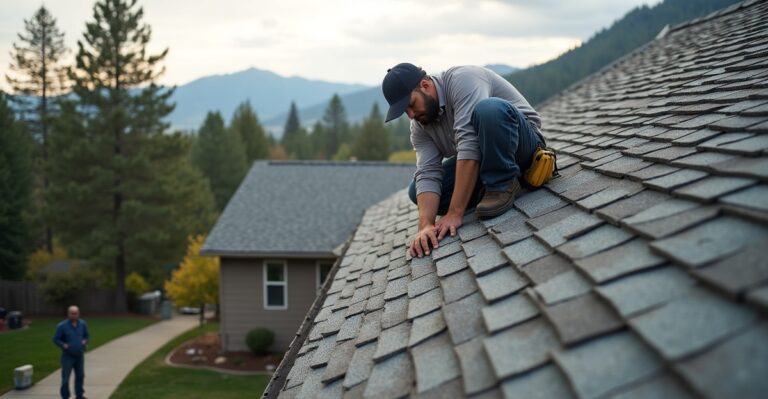
We recommend acting based on the condition of the roof and the presence of active water. Never walk on a steep, wet, icy, damaged, or otherwise unsafe roof to investigate a problem.
Can It Wait?
Use this practical guide to determine the appropriate next step:
- Call promptly for active interior leaks, a tarp or exposed area after wind damage, visibly displaced materials, sagging roof areas, fallen branch impacts, widespread missing shingles, water entering around vents, skylights, chimneys, or valleys, or interior stains that are growing.
- Schedule an inspection soon for recurring stains, granule buildup, cracked or curling shingles, damaged flashing, aging roof concerns, or unexplained higher energy bills combined with roof symptoms.
- Monitor and maintain minor cosmetic concerns only after confirming there is no active leak or compromised roofing component. If there is any uncertainty, schedule an inspection rather than assuming the condition is harmless.
Active leaks and storm-related openings deserve faster attention because they can allow additional water into the roof system. For immediate guidance after a damaging event, review emergency roof repair steps.
What to Do While You Wait for a Roof Inspection
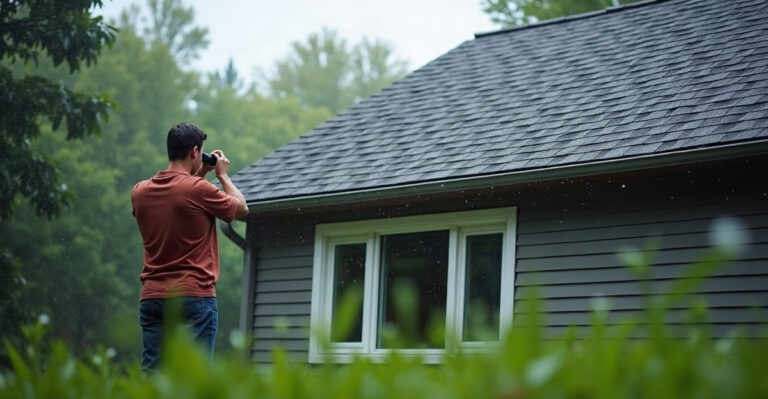
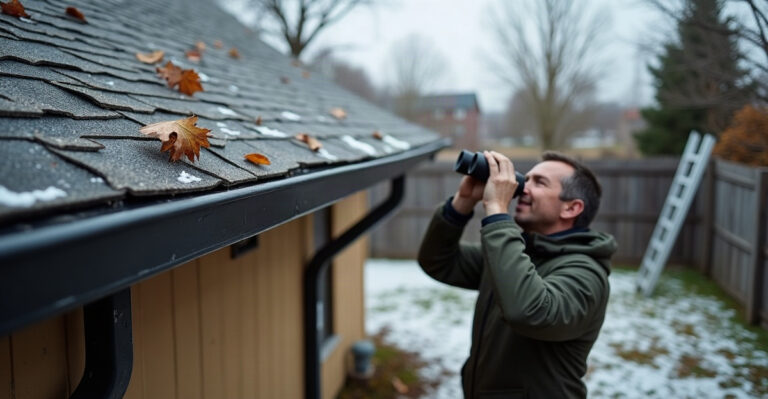
Safe documentation can help us understand what happened without placing anyone at risk. Take photos from the ground when conditions allow. Note when stains, drips, or missing shingles first appeared and whether the symptoms are getting worse after rain, wind, or snow.
Move valuables away from an active leak. Place a container beneath dripping water where appropriate, and protect nearby flooring with towels or other absorbent materials. Avoid climbing onto the roof or attempting repairs during unsafe conditions. A temporary cover may be appropriate in some cases, but it must be installed safely and should not create further damage.
Photos and written notes can also be useful when speaking with a roofing professional or insurer. We can inspect the roof, explain visible conditions, and recommend the appropriate next step without trying to diagnose the issue remotely. Our roof repair services address leaks, damaged flashing, missing shingles, and other repair needs throughout the area.
Regular care also helps reveal developing concerns before they become interior damage. Our roof maintenance tips cover practical checks that support a longer-lasting roof system.
Insurance, Repair Versus Replacement, and the Next Step
Homeowners insurance may cover certain sudden, covered events, such as qualifying storm damage. Coverage depends on the policy, cause of loss, exclusions, maintenance history, and timing. Deferred maintenance may not be covered, so we recommend reviewing the policy and contacting the insurer directly for claim-specific questions.
Delayed repairs do not automatically mean a full roof replacement is necessary. Isolated damage on an otherwise sound roof may be repairable. The decision usually depends on roof age, the extent and location of the damage, recurring leaks, the condition of surrounding materials, roof decking condition, and the system’s remaining useful life.
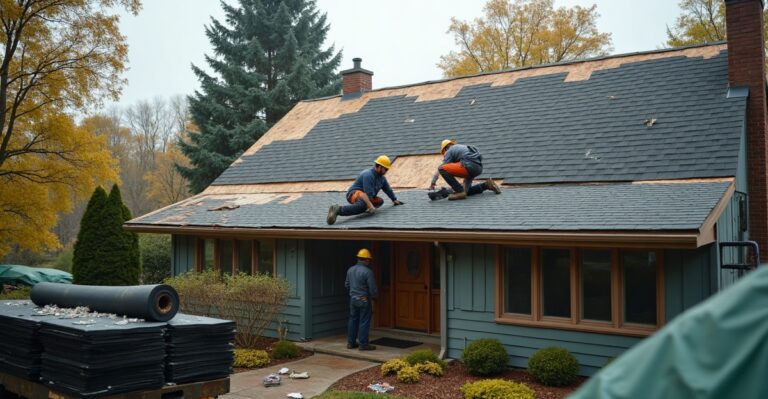
Persistent or widespread problems on an older roof may make replacement the more practical long-term option. In those cases, our roof replacement services can address the full system rather than continuing a cycle of repairs. For a closer look at the decision, read our guide to roof repair versus replacement.
If you have noticed a leak, missing shingles, damaged flashing, or a growing ceiling stain, Idaho Roofing Solutions can inspect the roof and explain the condition, repair options, and next steps clearly. We provide Boise roofing services with straightforward communication and respectful local support.