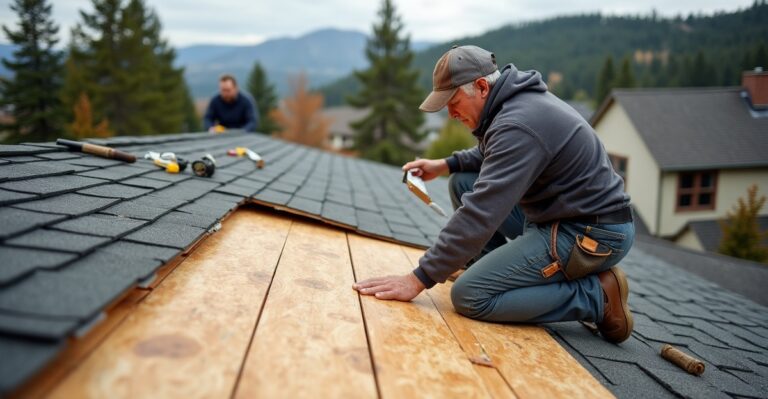
Common Mistakes Homeowners Make Before Roof Replacement
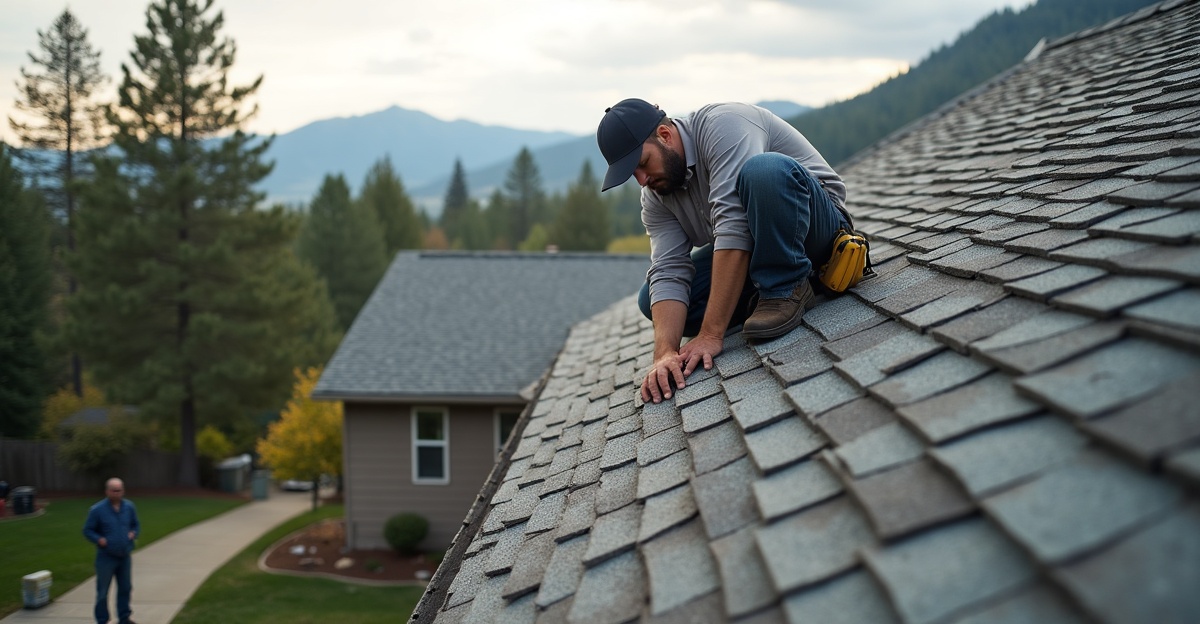
We avoid roof replacement mistakes by starting with a professional inspection. This inspection separates repairable damage from widespread wear, recurring leaks, and aging materials that require replacement. Before work begins, we assess the full roofing system. We review a detailed written estimate, confirm contractor qualifications, and plan for Idaho weather conditions.
Key Takeaways
- We schedule an inspection promptly after leaks, missing shingles, sagging, granule loss, or repeated repairs appear. We don’t assume every issue requires a full replacement.
- We select materials and system components based on roof design, ventilation, flashing, weather exposure, maintenance needs, and budget. We don’t base the decision on initial price alone.
- We confirm that the scope of work includes tear-off, disposal, permits, cleanup, and procedures for concealed damage.
- We review itemized estimates, change-order requirements, payment terms, exclusions, and manufacturer and workmanship warranties before signing.
- We verify contractor insurance, applicable licensing requirements, supervision, references, communication plans, and weather-based scheduling expectations.
Know When to Act—and When a Repair May Be Enough
Not every aging, damaged, or leaking roof needs a full replacement. A sound decision depends on the roof’s age, the extent and location of damage, leak history, surrounding material condition, and findings from a professional roofing inspection.
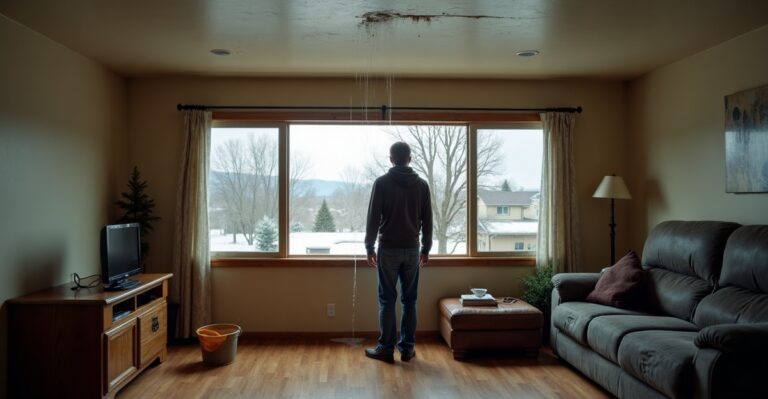
One of the most common roof replacement mistakes is waiting too long after a concern appears. A missing shingle, loose flashing, or small leak may be repairable at first. If water reaches the underlayment, decking, insulation, or attic framing, the required work can become more involved. Still, a worn roof does not automatically create an emergency. We recommend timely evaluation rather than assumptions.
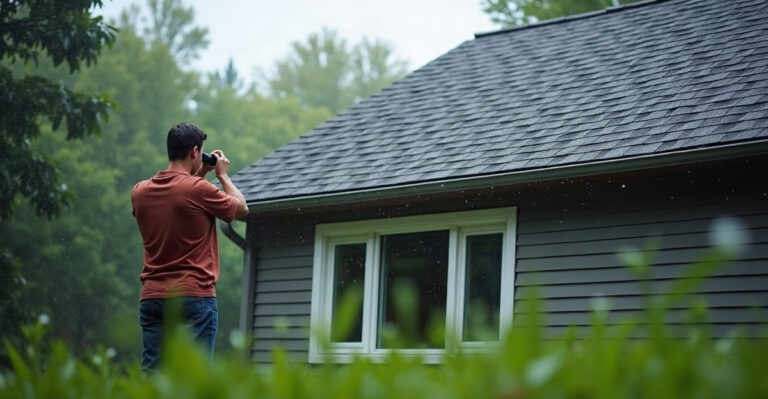
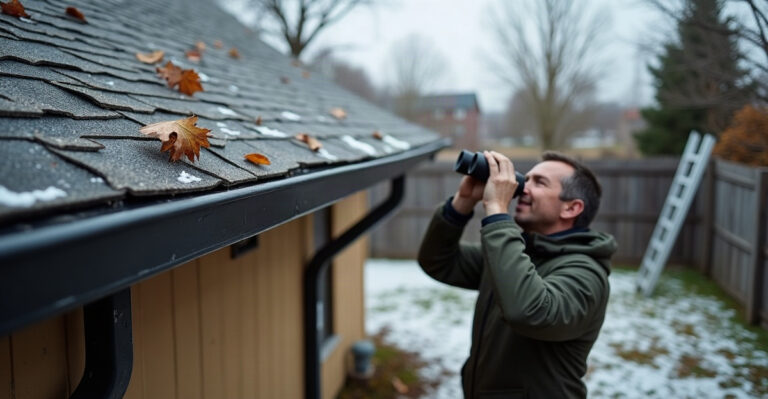
A professional inspection is especially important after leaks, missing or damaged shingles, repeated repairs, sagging areas, visible granule loss, storms, or age-related concerns. Our roof inspection checklist can help homeowners identify visible concerns before scheduling an assessment.
The right choice between roof repair vs. replacement depends on the full condition of the system. Localized damage on a newer roof may support repair. Widespread wear, recurring leaks, or failing materials near the end of their service life may support replacement.
Roof replacement cost factors also vary from home to home. Roof size, pitch, access, selected materials, tear-off requirements, decking condition, flashing needs, weather, permits, and disposal all affect the scope. Homeowners can review our guide to Idaho roof replacement costs for a clearer view of common pricing considerations. We also recommend reviewing local permit requirements, insurance policy terms, and project-specific contract documents before work begins.
Do Not Choose Materials or a Roofing System Based Only on Price
The lowest material price does not always reflect the right long-term value. Choosing roofing materials solely on initial cost can lead to maintenance expectations that do not fit the home, warranty eligibility concerns, or a system that is poorly matched to local conditions.
An Idaho roof replacement should account for roof design, slope, wind exposure, snow loads, freeze-thaw cycles, ventilation needs, appearance goals, budget, manufacturer instructions, and ongoing maintenance expectations. Southwestern Idaho weather can shift quickly. Snow, wind, seasonal temperature changes, and smoke or debris exposure in affected areas all deserve consideration during planning.
A roofing system includes much more than shingles. Roofing underlayment is the protective layer installed beneath the visible roof covering. Roof flashing is the material installed around vulnerable areas, such as valleys, walls, chimneys, and vents, to help direct water away. Roof ventilation allows airflow through attic or roof spaces, which can help manage heat and moisture conditions. Roof decking is the wood surface beneath the roof covering that supports the roofing materials.
Each part must work together. New shingles cannot correct poor flashing details, inadequate ventilation, or damaged decking. We help homeowners compare practical options through our roofing services based on the home’s condition and the required scope, rather than relying on one-size-fits-all material advice.
Understand Tear-Offs, Hidden Damage, and Change Orders Before Signing
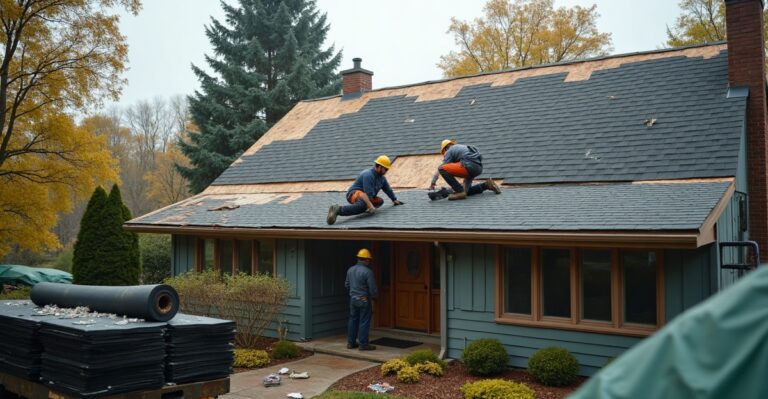
A roof tear-off means removing existing roofing materials before installing a new system. This step can allow a contractor to inspect the roof decking, underlayment, flashing, ventilation, and other components that are not fully visible from the surface.
A tear-off is not automatically required for every home. The correct approach depends on the existing roof system, roof condition, local requirements, and the proposed installation method. Before approving a project, homeowners should understand whether tear-off and disposal are included and why that approach is recommended. Our roof tear-off service explains the role removal can play in a complete replacement project.
Hidden roof damage is possible, but it is not guaranteed. Once old materials are removed, a crew may find deteriorated decking, aged flashing, ventilation concerns, or issues related to prior installation work. Honest contractors explain this possibility before the project starts instead of presenting it as an unexpected pressure point.
A clear roofing change order process protects everyone involved. The contract should explain how newly discovered conditions will be documented, what options are available, how pricing will be presented when possible, and when homeowner approval is required. No added work should move forward without clear communication and written authorization.
Do Not Accept a Vague Estimate or Unclear Warranty Terms
A vague roof replacement estimate makes it hard to compare proposals, understand exclusions, or plan for project responsibilities. Price alone does not show whether two bids cover the same work. Roofing mistakes to avoid include comparing totals without reviewing materials, preparation, cleanup, and system components.
A written roof replacement estimate should identify the scope of work; roofing materials and manufacturer; roofing underlayment; flashing; ventilation work; tear-off and disposal; decking allowances or the process for concealed conditions; permits when applicable; cleanup; projected scheduling expectations; payment terms; warranty information; and exclusions. A complete roofing contract gives homeowners a more useful basis for comparison than a single price.
Warranty language also needs careful review. A manufacturer warranty may address qualifying material defects under stated terms. A workmanship warranty addresses installation-related work under the contractor’s policy. These are separate forms of coverage.
Manufacturer requirements, installation details, registration requirements where applicable, maintenance expectations, exclusions, and eligibility rules can affect roofing warranty coverage. We recommend reading both warranty documents in writing and asking for clarification before signing. A dependable estimate explains what is included without making promises that contract terms do not support.
Vet the Contractor and Set Clear Communication Expectations
Failing to verify a contractor can lead to unclear communication, scope disagreements, and uncertainty about who is responsible for the work. Roofing contractor verification should focus on clear, verifiable details rather than broad claims.
Homeowners should review the written scope of work, verify roofing insurance and licensing requirements where applicable, check local references or recent projects, ask who supervises the job, and confirm the change-order process. It also helps to review workmanship warranty terms and manufacturer warranty eligibility before approval. Our guide to recommended roofers offers practical steps for comparing local companies.
Questions to ask a roofing contractor should also cover communication. Before work starts, establish the main project contact and discuss how updates will be shared. Confirm access plans, driveway and landscaping protection, pet and child safety, attic items, noise, parking, cleanup, payment milestones, and expected work hours.
Homeowners in Boise, Meridian, Eagle, Kuna, Nampa, Caldwell, Middleton, Mountain Home, McCall, and surrounding southwestern Idaho communities deserve direct answers and project-specific documentation. We believe a local roofing contractor should explain the work clearly, respect the property, and remain available for questions throughout the project.
Plan for Idaho Weather, Then Use This Pre-Project Checklist
Idaho weather and roofing conditions are closely connected. Snow, freeze-thaw conditions, wind, and smoke or debris exposure where relevant can affect material choices, safe working conditions, and roof replacement scheduling. Weather-related schedule changes are normal at times, though not every project experiences a delay. Our overview of the best time to replace a roof explains seasonal planning considerations.
Roof Replacement Pre-Project Checklist
Before approving a southwestern Idaho roof replacement, we recommend confirming the following details:
- Schedule a roofing inspection and understand whether repair or replacement is recommended.
- Request a written, itemized scope of work.
- Confirm materials, colors, underlayment, flashing, and roof ventilation details.
- Ask whether tear-off, disposal, permits, and cleanup are included.
- Confirm how decking damage or other hidden conditions will be documented and approved.
- Verify insurance and applicable licensing or registration requirements.
- Review local references, communication expectations, and project supervision.
- Read manufacturer warranty and workmanship warranty terms separately.
- Discuss tentative scheduling and weather contingencies.
- Prepare the property and identify the main project contact before work begins.
Should Homeowners Repair or Replace a Roof?
Repairs may be appropriate for isolated issues on an otherwise serviceable system. Replacement may make more sense for widespread wear, recurring leaks, or aging materials. A professional inspection provides the clearest recommendation.
What Should Be Included in a Roof Replacement Estimate?
The estimate should cover the full written scope, materials, system components, tear-off and disposal, potential decking procedures, cleanup, payment terms, schedule expectations, warranty details, and exclusions.
Can a Roofer Find Damage Only After Removing Old Shingles?
Yes. Some deck damage, flashing concerns, and prior installation issues remain concealed until a tear-off occurs. The roofing contract should explain the approval process for any added work.
What Is the Difference Between a Manufacturer Warranty and a Workmanship Warranty?
Manufacturer coverage may address eligible material defects under its terms. Workmanship coverage addresses installation-related work under the contractor’s policy.
How Does Idaho Weather Affect Roof Replacement Scheduling?
Weather can affect safe installation conditions, material handling, and crew schedules. Clear communication about forecast changes helps keep expectations realistic.
What Questions Should Homeowners Ask Before Signing a Contract?
Ask about scope, materials, supervision, insurance, licensing requirements, warranties, scheduling, cleanup, payment milestones, and change orders. For a detailed, straightforward assessment, homeowners can request a written estimate from our team before making a final decision.