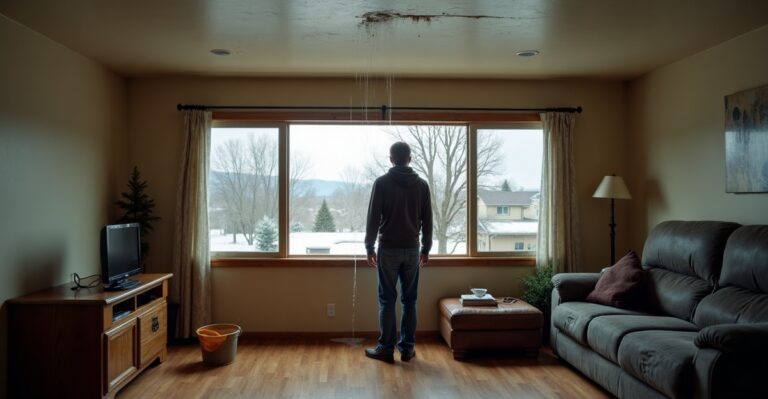
Why Roof Tear-Offs Lead to Better Long-Term Results?
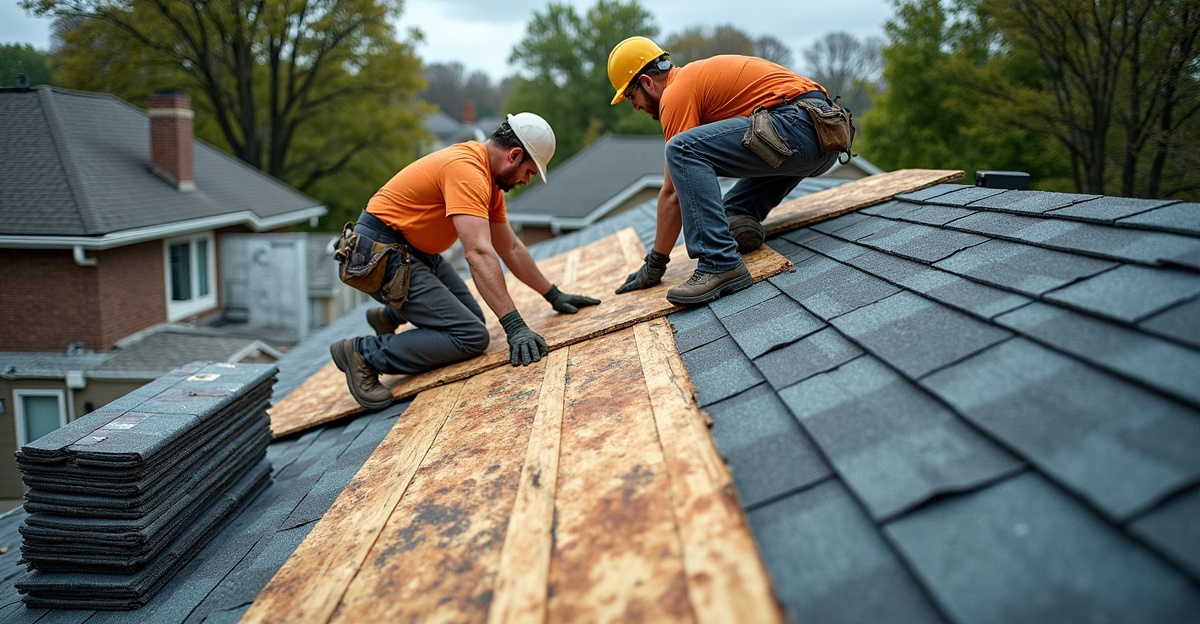
A roof tear-off gives us direct access to the roof deck. We can spot and repair moisture damage, rot, soft areas, and installation defects before we install new materials. Removing old roofing layers creates a clean surface for underlayment, flashing, ventilation upgrades, and shingles. This approach supports dependable, long-term performance.
Key Takeaways
- A roof tear-off exposes the deck, allowing us to identify and repair visible damage before new materials cover it.
- Removing old shingles prevents excess weight and removes uneven surfaces that can affect new roofing materials.
- A clean deck helps us install underlayment, flashing, and other water-control details correctly.
- Tear-offs give us better access to assess drainage, flashing, and ventilation issues during a full roof replacement.
- An overlay may cost less upfront, but it leaves the existing roof system and possible hidden issues in place.
What a Roof Tear-Off Reveals—and Why It Can Protect Our Investment
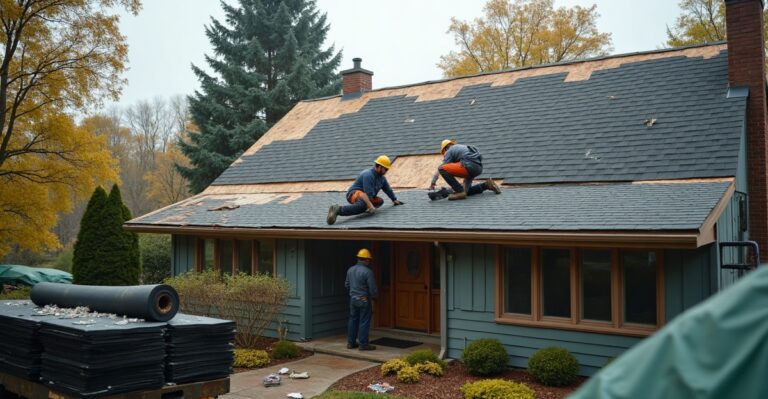
A roof tear-off removes existing roofing materials down to the roof deck, also called sheathing, before a new roofing system is installed. It is usually the first phase of a full roof replacement, not a separate roofing material or a repair method.
The roof deck is the structural wood surface beneath the shingles and other roofing layers. Once old shingles and underlayment are removed, we can inspect visible areas of that surface for rot, moisture damage, soft spots, and other defects that would remain hidden beneath an overlay.
One of the key benefits of a roof tear-off is the ability to make responsible repairs before covering the roof again. A tear-off does not mean every roof has serious hidden damage, and it cannot guarantee every concealed issue will appear. Still, it gives us the access needed to address conditions that are visible once the old system is removed.
Starting with a clean deck also allows proper installation of the complete roofing system. This includes underlayment, a water-resistant layer installed between the deck and shingles, along with flashing. Flashing is metal or another durable material that directs water away from vulnerable areas around chimneys, valleys, vents, skylights, and wall transitions. Our roof tear-off service focuses on preparing the roof correctly before new materials go on.
For homeowners weighing repairs against replacement, our guide to roof repair versus replacement explains how roof condition should guide the decision.
How a Tear-Off Supports Better Long-Term Roofing Performance
A roof tear-off avoids placing another layer of shingles and related materials on the roof structure. That added weight may not be appropriate for every home, especially when an existing roof already has age-related wear or concealed concerns.
Removing old materials also eliminates curled shingles, uneven surfaces, and previous installation defects that can affect the appearance and fit of a new shingle layer. A clean roof deck provides a sounder surface for the new underlayment and shingles.
Full access helps us review moisture paths, flashing details, drainage, and ventilation before the roof is covered again. Ventilation is the roof and attic airflow system that helps manage heat and moisture. Problems in these areas may not always be visible from the roof surface, but they deserve attention during a full roof replacement.
Water-management details matter most at valleys, eaves, roof penetrations, walls, chimneys, vents, and skylights. Installing underlayment and flashing correctly in these areas supports dependable performance. Beginning with a clean deck can also make future inspections, repairs, and eventual replacement more straightforward.
A tear-off can support a longer-lasting result when replacement is needed, but no roofing approach can promise a specific service life or prevent every future weather-related issue. For context on expected roof aging, review roof lifespan in Idaho weather.
Roof Tear-Off vs. Overlay: Practical Differences Homeowners Should Know
An overlay, also called a layover, installs a new layer of shingles over existing shingles instead of removing the old roof first. An overlay may reduce initial labor and disposal needs, but it also leaves the existing roof system and deck concealed.
| Consideration | Tear-Off | Overlay |
|---|---|---|
| Upfront cost | Can cost more initially due to removal and disposal. | May have lower initial labor and disposal costs. |
| Labor and disposal | Includes removal labor, hauling, and disposal. | Usually requires less removal and disposal. |
| Noise and debris | Typically creates more noise and debris during the project. | Usually creates less removal debris. |
| Deck inspection | Allows deck inspection and repair where needed. | Leaves the deck concealed. |
| Moisture, flashing, and ventilation | Provides better access to evaluate and correct visible concerns. | May limit visibility and correction of concealed conditions. |
| Roof weight | Avoids adding another roofing layer. | Adds a layer of shingles. |
| Future roofing work | Creates a clean starting point for later work. | May leave underlying issues and added removal work for the future. |
An overlay may be considered in limited circumstances. The existing roof should have only one layer, the deck and underlying system should appear sound, and local requirements must allow the installation. Manufacturer instructions and a qualified contractor’s inspection should guide the choice.
Roofs with leaks, existing layers, end-of-life materials, or uneven surfaces often call for closer evaluation. We recommend reviewing the common warning signs in signs a roof needs replacement before choosing an approach.
When a Full Roof Replacement Is Often the Responsible Choice
A full roof replacement with tear-off is often recommended based on roof condition, local code requirements, manufacturer installation conditions, and a professional inspection. It is not an automatic answer for every home.
We commonly recommend a closer look at tear-off replacement when a roof already has a shingle layer, has active or recurring leaks, or shows significant curling, damage, or wear. Soft decking, moisture intrusion, flashing concerns, ventilation issues, uneven surfaces, and prior installation problems can also make a full assessment the responsible path.
Homeowners who want a clear view of the roof’s condition before investing in new materials often benefit from a tear-off. Understanding the main parts of a roof also helps clarify why the deck, underlayment, flashing, and ventilation work together.
Replacement estimates vary with roof size, pitch, materials, access, layer count, deck condition, and repair needs. A written scope should identify removal labor, hauling, disposal, and anticipated deck or flashing repairs where possible. For more planning guidance, see our overview of Idaho roof replacement costs.
Why Southwestern Idaho Conditions Make Roofing Details Matter
Homes in Boise, Meridian, Eagle, Kuna, Nampa, Caldwell, Middleton, Mountain Home, McCall, and nearby communities experience changing seasonal conditions. Wind, snow, ice, freeze-thaw cycles, and periods of moisture exposure can place added importance on water management, flashing, drainage, ventilation, and deck condition.
These conditions do not mean a tear-off prevents every weather-related concern. They do mean we should inspect the roofing system carefully before installing new materials. Removing old roofing may reveal rotten sheathing, moisture damage, inadequate ventilation, or flashing issues, but homeowners should not assume every tear-off will uncover major damage.
A quality inspection reviews shingle condition and existing layers, signs of leaks, visible or accessible deck areas, flashing around transitions, valleys, eaves, drainage paths, attic ventilation, and repairs needed before replacement. Our guide to common Idaho roof problems provides additional context for conditions we often inspect.
Questions to Ask Before Choosing a Tear-Off or Overlay
A clear inspection and written scope make it easier to compare repair, overlay, and replacement recommendations on more than initial price. Ask a contractor to explain the current roof condition, the recommended approach, and how unexpected findings will be handled.
Questions for the Written Estimate
Use this checklist during an estimate review:
- How many roofing layers are currently on the home?
- Can the contractor inspect the deck and explain any signs of moisture damage?
- Which underlayment, flashing, and water-management details are included?
- What happens if damaged decking is found after removal?
- How will debris, landscaping protection, and cleanup be handled?
- Do local requirements or manufacturer installation conditions affect the decision?
- What is included in the written scope, and what conditions could create added costs?
If a roof is leaking, nearing the end of its service life, or showing visible damage, schedule a professional inspection with Idaho Roofing Solutions. Our roof replacement team can assess the roof surface, decking, flashing, and ventilation and help us choose the right replacement approach for the home.