How Often Should You Inspect Your Roof?
Understanding how often we should inspect roof systems is essential for Idaho homeowners dealing with snow loads, freeze-thaw cycles, wind, and summer heat. We recommend inspecting most roofs at least once a year and after major storms. We also adjust timing based on roof age, material type, and visible wear.
Key Takeaways
- Inspect most roofs at least once per year and after significant wind, hail, or heavy snow events.
- In Idaho, schedule inspections in spring after snow season and in fall before winter weather returns.
- Increase inspection frequency for roofs over 15 years old or systems showing signs of aging.
- Perform safe ground-level and attic checks for missing shingles, granule buildup, flashing damage, sagging areas, or moisture stains.
- Schedule a professional inspection after major storms, when leaks appear, during real estate transactions, or anytime roof condition feels uncertain.
The Short Answer: Most Roofs Should Be Inspected at Least Once a Year—And After Major Storms
Most roofs should be inspected at least once per year and after any major storm. That schedule answers the common question of how often to inspect roof systems in Idaho homes.
In southwestern Idaho, we recommend a spring inspection after snow season and a fall inspection before winter sets in. Snow, wind, and summer heat all take a toll. A simple annual plan helps us stay ahead of issues instead of reacting to them later.
This is general guidance. Roof inspection frequency Idaho homeowners follow should also match the roof’s age, material type, and recent weather events. A newer architectural shingle roof may need less close monitoring than an older asphalt system nearing the end of its lifespan.
Routine inspections don’t guarantee we’ll avoid every repair. They do help us spot concerns early, plan maintenance, and make informed decisions. As a veteran-owned, family-operated company serving our local communities, we believe clear expectations and steady maintenance beat emergency surprises every time.
How Idaho Weather Impacts Roof Inspection Frequency
Idaho’s climate plays a direct role in how often we inspect a roof. National advice offers a starting point, but local conditions matter more.
Snow load is a major factor in our region. Heavy snow adds weight and stress to roofing structures. Even well-built systems experience strain over time. After a winter with significant snowfall, a spring inspection helps confirm that shingles, flashing, and decking held up properly.
Freeze-thaw cycles are another challenge. Water can slip into tiny cracks around flashing or beneath shingles. When temperatures drop, that water expands. Repeated cycles can widen small gaps and increase the risk of leaks.
High winds and hail affect communities across Boise, Meridian, Eagle, Kuna, Nampa, Caldwell, Middleton, Mountain Home, McCall, and surrounding areas. Wind can lift shingles or loosen ridge caps. Hail can bruise shingles and damage protective granules. Even if damage isn’t obvious from the ground, it’s smart to schedule an inspection after a significant storm.
Hot, dry summers also impact asphalt shingles. Constant UV exposure speeds up aging and granule loss. Over time, that reduces the roof’s ability to shed water effectively.
For these reasons, roof inspection frequency Idaho homeowners rely on should reflect our seasonal patterns. A set-it-and-forget-it approach doesn’t work well here. Planned inspections in spring and fall, along with post-storm checks, keep maintenance practical and predictable.
How Roof Age and Material Type Change Your Inspection Schedule
Roof age plays a major role in inspection timing. A five-year-old roof doesn’t carry the same risk profile as one that’s 20 years old.
Under 5 Years Old
Most newer roofs need annual inspections and additional checks after severe storms. Unless we see visible damage or interior leaks, that schedule is typically sufficient.
Between 5 and 15 Years Old
This is when closer monitoring becomes important. Annual inspections remain essential, but we should pay extra attention after heavy wind, hail, or extreme winter conditions. Minor wear often starts appearing in this range.
15 Years and Older
Annual inspections become especially important. Professional evaluations are strongly recommended. Many asphalt roofs in Idaho start approaching the end of their expected lifespan in this window. If we’re unsure about longevity, reviewing how long a roof lasts in Idaho weather can provide useful context.
Material type also matters. Three-tab asphalt shingles may show curling or granule loss sooner than architectural shingles. Metal roofing often lasts longer but still requires inspection of fasteners, seams, and flashing. Each system has different wear patterns.
As roofs age, they become more vulnerable to lifted shingles, cracked sealant, and flashing deterioration. Small maintenance items become easier to miss without regular inspections. If we begin noticing warning signs, reviewing the signs you need a roof replacement can help clarify what’s normal aging versus a larger concern.
Annual Roof Inspection Tips for Safe Homeowner Checks
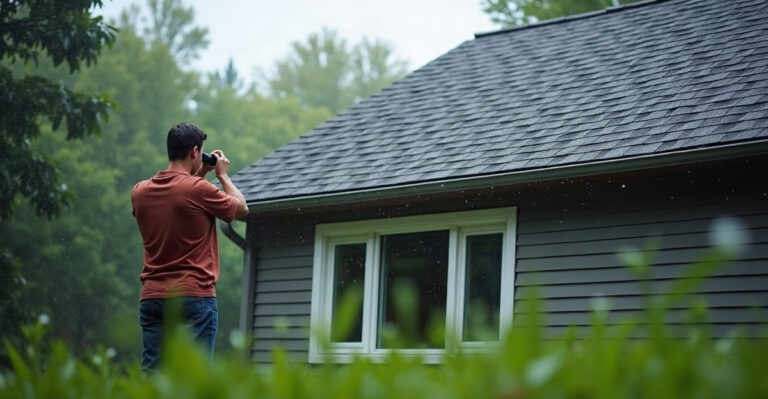
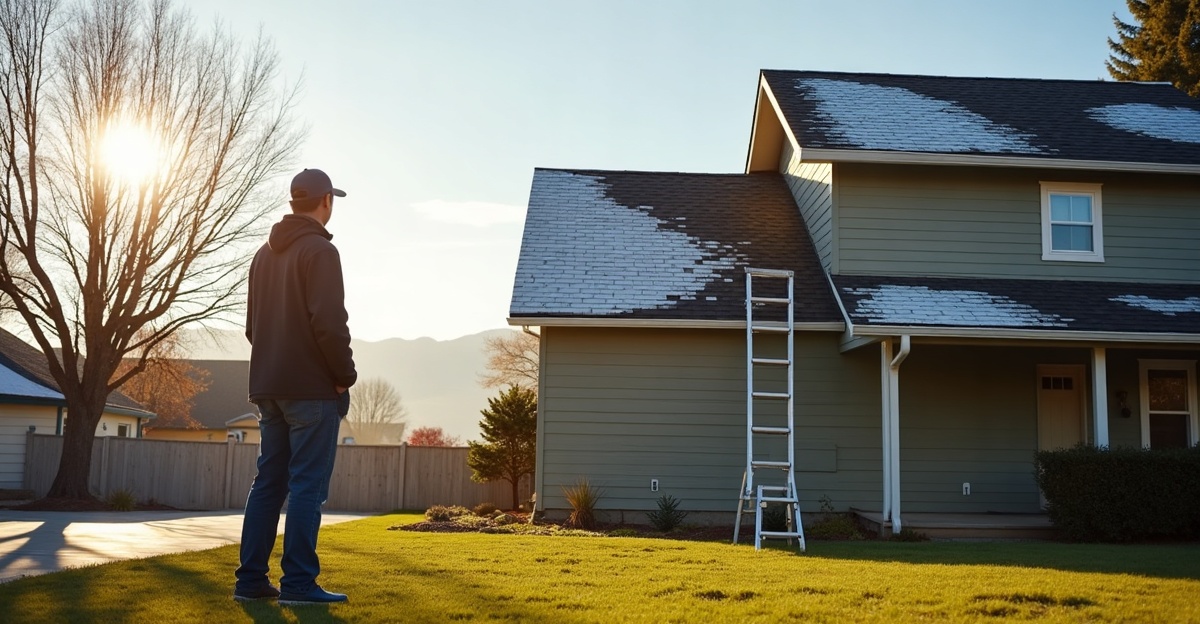
Annual roof inspection tips should always prioritize safety. We never recommend climbing onto the roof without proper training and equipment. Most homeowners can perform useful checks safely from the ground or inside the attic.
These simple steps add clarity to how often to inspect roof conditions between professional visits:
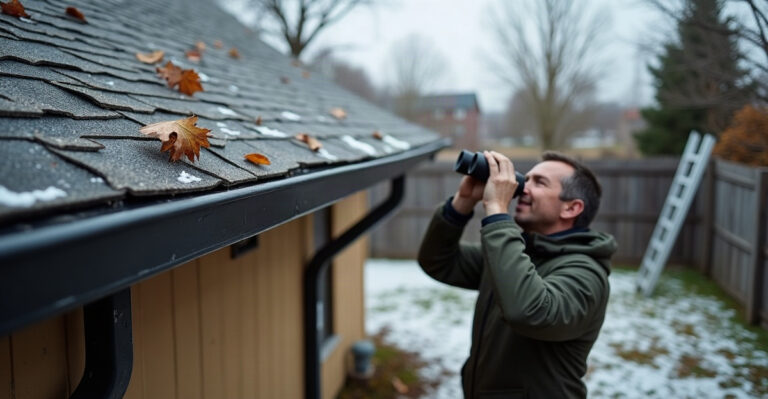
- Use binoculars to look for missing, curled, or cracked shingles.
- Check gutters and downspouts for excessive granule buildup.
- Look for bent or loose flashing around chimneys, vents, and skylights.
- Scan for sagging areas or uneven roof lines.
- Inspect attic spaces for moisture stains, mold, or daylight showing through roof boards.
Granules in gutters often signal shingle wear. Sagging areas may indicate structural concerns. Interior stains can point to active leaks. If we notice moisture inside, it helps to understand how to find a roof leak before it gets worse so we can respond quickly.
These visual checks don’t replace a professional inspection. They help us decide when to call in experienced support. Safety always comes first. Attempting unsafe roof access can lead to injuries and further damage.
When to Schedule a Professional Roof Inspection
Certain situations call for a professional inspection rather than a ground-level review.
We recommend scheduling a professional evaluation in these scenarios:
- After a hailstorm or high-wind event.
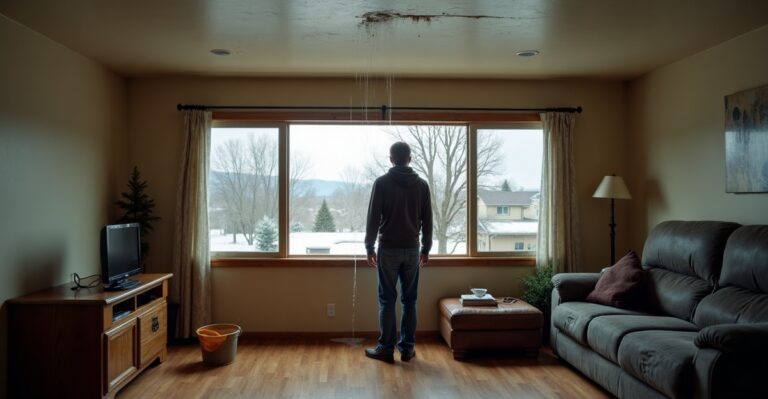
- When we see interior leaks, ceiling stains, or sagging areas.
- During a home purchase or sale.
- If the roof is 15 years old or older.
- When there’s uncertainty about storm damage or long-term wear.
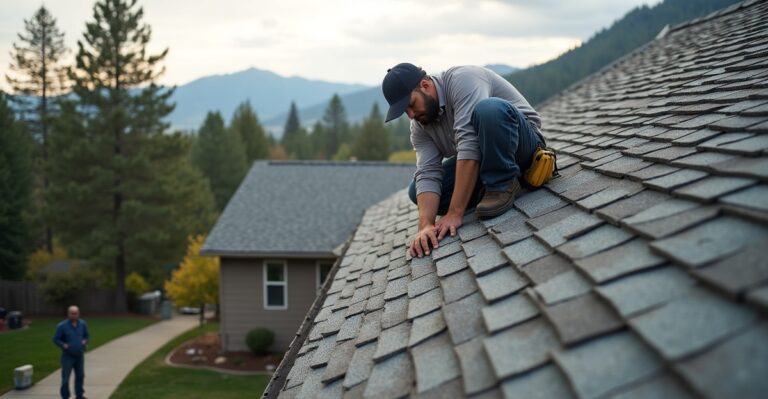
A homeowner check focuses on visible symptoms. A professional inspection involves a closer look at shingles, flashing, sealants, ventilation, and structural components. We evaluate how the system works as a whole, not just isolated spots.
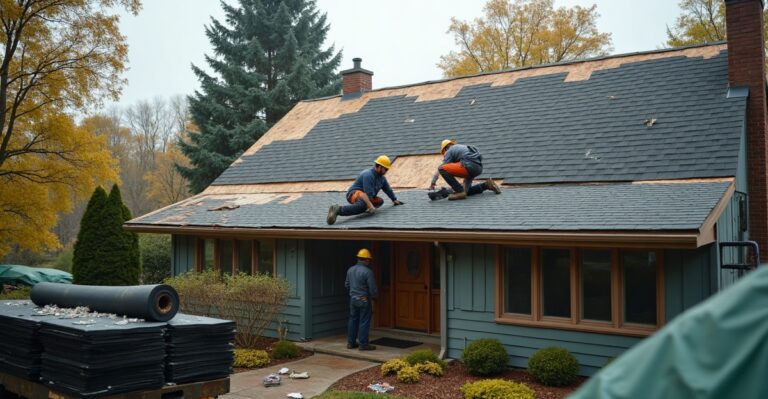
If damage is limited, targeted roof repair services may be appropriate. When wear is widespread, a full roof replacement may make more sense long term. For homeowners weighing options, reviewing roof repair vs replacement helps clarify the decision process.
Timing also matters. Planning ahead allows us to choose better weather windows and avoid emergency scheduling. Homeowners can learn more about the best time to replace a roof in Idaho to make proactive decisions.
If we’re unsure about a roof’s condition, scheduling a professional inspection brings clear answers. As a trusted local provider of roofing services in Boise and surrounding communities, we focus on straightforward assessments and practical recommendations. Homeowners who need guidance can reach out through our contact page to set up a roof evaluation and move forward with confidence.