Asphalt Shingles Guide for Homeowners
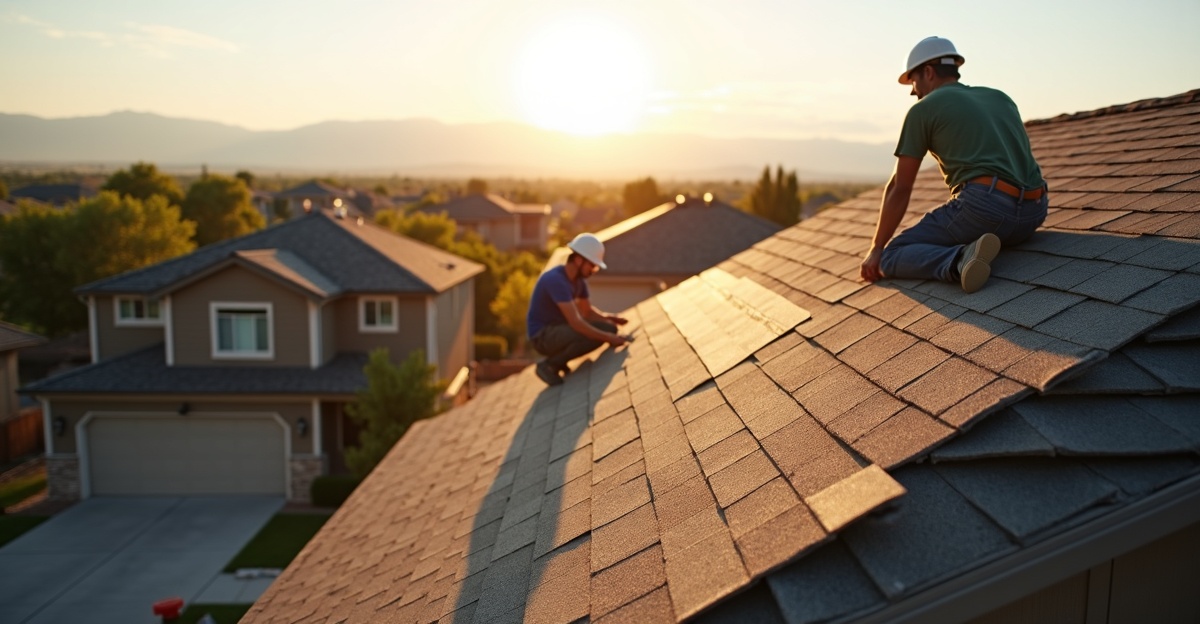
An asphalt shingles guide for homeowners should explain how three-tab and architectural shingles handle southwestern Idaho’s snow loads, high winds, summer heat, and repeated freeze-thaw cycles, along with realistic lifespan expectations. In this Asphalt Shingles Guide for Homeowners, we break down material options, installation standards, pricing drivers, and common contractor questions so we can make confident, practical roofing decisions for our homes.
Key Takeaways
- Asphalt shingles stay popular in southwestern Idaho because they offer a strong balance of price, durability, curb appeal, and ease of repair.
- Three-tab shingles usually perform for 15–25 years in our area, while architectural shingles often reach 25–30+ years when we install and ventilate them correctly.
- Roof longevity depends on precise nailing patterns, balanced attic intake and exhaust ventilation, high-quality underlayment, and proper use of ice and water shield in vulnerable areas.
- A complete tear-off lets us inspect roof decking, replace damaged sections, and prevent hidden issues that can reduce the roof’s service life.
- We should review clear, written estimates, verify licensing and insurance, and understand both manufacturer coverage and workmanship warranties before we sign any agreement.
Why Asphalt Shingles Are the Most Popular Roofing Choice in Southwestern Idaho
Asphalt shingles remain the most widely installed roofing system across southwestern Idaho. We recommend them often because they balance cost, durability, and appearance in a way that works well for our climate.
In simple terms, roofing materials asphalt shingles are built with a fiberglass mat base, coated in asphalt, and finished with protective mineral granules. That layered design creates a waterproof barrier while the granules shield the surface from UV exposure and weather damage.
Homeowners across the Boise roofing and Meridian roofing markets choose asphalt shingles for several practical reasons:
- They’re cost-effective compared to many other roofing systems.
- They offer a wide range of colors and styles.
- Repairs are straightforward if damage occurs.
- They provide dependable performance when installed correctly.
Southwestern Idaho roofing must handle snow load, freeze-thaw cycles, occasional high winds, and long, hot, dry summers. Asphalt shingles perform well in these conditions when paired with proper underlayment and ventilation.
We install asphalt shingles for roof repair, full roof replacement, complete tear-offs, and new roof construction. That flexibility makes them suitable for most residential homes in our area.
Performance expectations should stay realistic. Durability depends heavily on proper installation, correct nailing patterns, balanced attic ventilation, and quality underlayment. An asphalt shingles guide should always include that reminder. Even strong materials can fail early if shortcuts are taken during installation.
Types of Shingles Explained: Three-Tab vs. Architectural Shingles
Homeowners comparing types of shingles typically look at three-tab shingles and architectural shingles. Understanding three-tab vs architectural shingles helps set accurate expectations for cost and lifespan.
Three-Tab Shingles
Three-tab shingles feature a single-layer design with a flat, uniform appearance. They’re lighter in weight and typically come at a lower upfront cost. Under ideal conditions, manufacturers often rate them around 20–25 years. In Idaho’s climate, realistic lifespan usually falls between 15–25 years depending on ventilation and weather exposure.
Architectural Shingles
Architectural shingles, also called dimensional or laminate shingles, use a multi-layered construction. That creates a thicker profile and deeper shadow lines. They’re heavier, often carry higher wind ratings, and are commonly rated for 30 years or more. In southwestern Idaho, many architectural shingles last 25–30+ years with proper installation.
Key comparison points include:
- Appearance: Architectural shingles provide a dimensional look. Three-tab shingles have a flatter profile.
- Wind resistance: Architectural shingles generally perform better in higher winds.
- Durability in freeze-thaw cycles: Heavier architectural shingles often hold up better over time.
- Long-term value: A higher architectural shingles cost may translate into a longer service life.
Some manufacturers also offer impact-resistant asphalt shingles with Class 4 impact ratings. Those may appeal to homeowners concerned about hail exposure.
Neither option is automatically “best.” Budget, long-term plans, and roof design all matter. For homeowners weighing broader material options, our metal roof vs asphalt shingles comparison provides added context.
How Long Asphalt Shingles Last in Idaho’s Climate
Shingle lifespan in southwestern Idaho depends on real conditions, not lab ratings. Our climate includes snow accumulation, rapid temperature swings, strong summer UV exposure, and occasional high winds. Each of those factors affects aging.
Many homeowners ask how long shingles truly last here. We explain that three-tab shingles often deliver 15–25 years in local conditions. Architectural shingles frequently last 25–30+ years with proper installation and ventilation. For deeper insight, we break it down in detail in our guide on how long a roof lasts in Idaho weather.
Several installation and construction details directly impact roof life:
- Proper attic ventilation with balanced intake and exhaust.
- Quality synthetic underlayment.
- Ice and water shield in vulnerable areas.
- Correct nailing patterns following manufacturer guidelines.
- A full tear-off instead of installing over old shingles.
A complete tear-off process allows us to inspect decking and address hidden damage. Installing new shingles over existing layers may reduce upfront cost, but it limits inspection and can shorten overall lifespan.
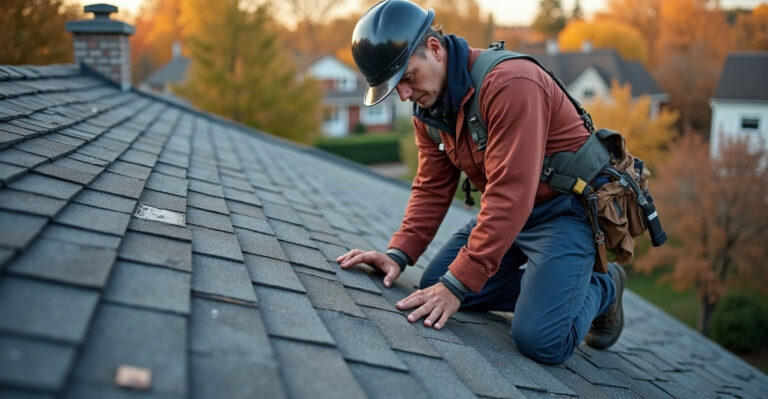
Warning signs that may point to repair or replacement include curling shingles, heavy granule loss, missing tabs, repeated leaks, and soft decking. Homeowners unsure about the next step often benefit from reviewing common warning signs, such as these roof replacement signs.
Manufacturer warranties also require proper installation. If ventilation or installation guidelines aren’t followed, coverage may be limited. That’s why careful workmanship matters as much as material choice.
Cost Considerations: What Homeowners Should Realistically Expect
Roofing costs vary based on multiple factors. We focus on transparency in every roofing estimate so homeowners understand what drives price differences.
Primary cost factors include roof size, pitch, number of valleys, complexity, flashing around chimneys and vents, tear-off requirements, decking repair, and ventilation upgrades. Architectural shingles cost more than three-tab shingles due to material weight and expected lifespan. That difference affects both material pricing and labor.
A complete tear-off and decking inspection may increase upfront cost, but it supports long-term performance. Skipping that step can hide damaged sheathing or ventilation problems.
The lowest bid does not always include full underlayment coverage, adequate ice and water shield, or ventilation improvements. A detailed written roofing estimate should clearly outline materials, labor, disposal, and cleanup. That clarity reduces concern about hidden fees.
Homeowners planning a full replacement often want clarity about total investment. We provide guidance in our breakdown of roof replacement cost in Idaho so expectations stay realistic.
Financing options can also help spread out costs for larger projects. We discuss those during consultations so families can make informed decisions without pressure.
What to Expect During Installation and Tear-Off
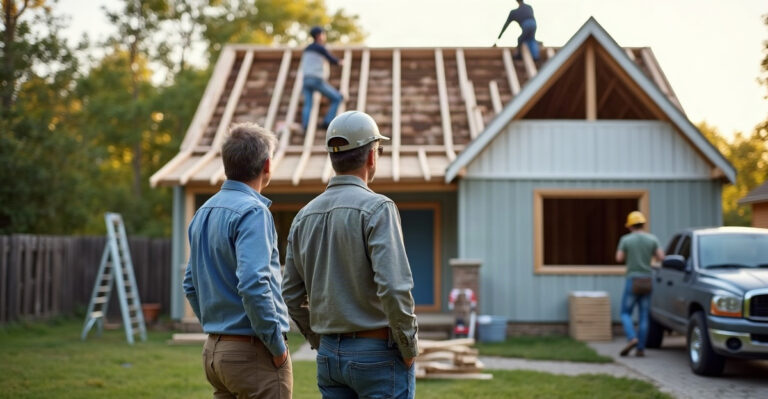
A professional tear-off and installation follow a clear sequence. We start by removing old shingles down to the decking. Next, we inspect the sheathing for soft spots, rot, or damage. Any compromised decking gets replaced.
Once the deck is sound, we install underlayment and apply ice and water shield in valleys, around penetrations, and at eaves where needed. Then we install new shingles according to manufacturer guidelines, following correct nailing patterns and alignment standards.
Landscaping protection matters. We cover plants and siding, contain debris, and perform thorough magnetic cleanup at the end of each workday. Most average single-family homes in our area take one to three days depending on size and weather conditions.
Homeowners should understand the difference between a manufacturer warranty and a workmanship warranty. The manufacturer warranty covers defects in the shingles themselves. A workmanship warranty covers installation quality. Both matter.
We maintain open communication throughout the project. Clients can ask questions at any stage. For more details about our full range of roofing services, we review scope and timelines in advance so expectations stay clear.
Common Mistakes Homeowners Make and Questions to Ask Before Hiring a Contractor
Choosing a contractor based only on the lowest price creates long-term risk. Scope of work, materials, ventilation improvements, and warranty details all matter just as much as cost.
Another common mistake is assuming manufacturer-rated lifespan equals guaranteed performance. An asphalt shingles guide should always remind homeowners that real-world lifespan depends on installation quality and attic airflow.
Before signing a contract, we recommend asking clear questions:
- Will a full tear-off and decking inspection be performed?
- What type of underlayment and ice and water shield will be installed?
- What manufacturer warranty and workmanship warranty are included?
- How are unexpected decking repairs handled?
- Is the contractor licensed and insured in Idaho?
Routine maintenance also helps extend roof life. Annual visual inspections from the ground, prompt roof repair after wind damage, regular gutter cleaning to reduce ice dam risk, and debris removal all support long-term durability. Many common issues we see are covered in our overview of common roof problems in Idaho homes.
Homeowners unsure whether they need repairs or full replacement can review guidance on roof repair vs replacement. A professional roof inspection provides clarity without pressure.
As a local, veteran-owned, family-operated company, we value honesty and clear communication. We take time to walk through types of shingles, architectural shingles options, and practical next steps so homeowners can make confident, informed decisions for their property.