How to Clean Your Roof Safely?
This roof cleaning guide explains how we clean roofs safely while protecting shingle lifespan, avoiding warranty issues, and reducing fall risks common in Idaho’s climate. We outline when cleaning makes sense, why we recommend soft wash methods instead of pressure washing, and how we decide between DIY upkeep and professional evaluation.
Key Takeaways
- We use low-pressure soft wash methods with manufacturer-approved solutions to protect asphalt shingles and preserve granules.
- We avoid pressure washers, wire brushes, and aggressive scraping because they shorten roof life and void warranties.
- We clean only when shingles remain structurally sound; signs like curling, granule loss, soft decking, or age over 20–25 years often call for repair or replacement instead.
- We treat safety as a priority, especially on steep, wet, windy, or multi-story roofs where fall risk increases.
- We recommend professional assessment when structural concerns, moss buildup, storm damage, or end-of-life conditions appear.
What Homeowners Need to Know Before Cleaning a Roof
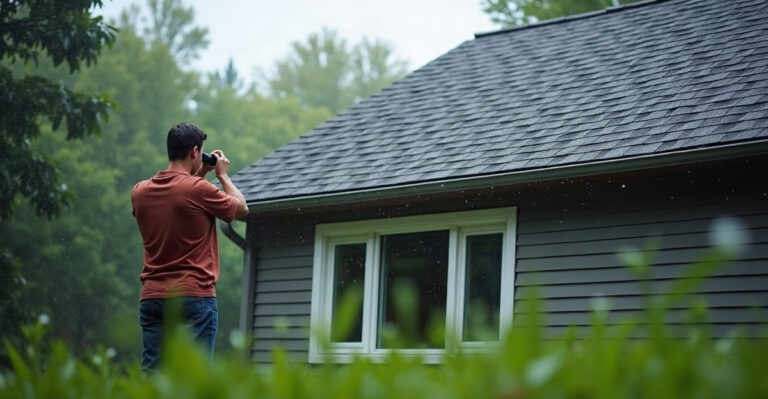
This roof cleaning guide focuses on protecting shingle lifespan, preventing damage, and keeping safety first. We always approach cleaning as maintenance for long-term roof health, not just an appearance upgrade.
Improper cleaning can void manufacturer warranties on asphalt shingles. Many asphalt products require low-pressure methods and specific cleaning solutions. High-pressure washing often strips away protective granules, which shortens the roof’s service life.
Safety also deserves serious attention. Fall hazards, unstable ladders, and steep roof pitches create real risk. Insurance coverage for DIY roof injuries may not always work the way homeowners expect. We’ve seen how quickly a simple cleaning project can turn into a medical emergency.
Idaho’s climate adds extra challenges:
- Moss and algae grow faster on shaded, north-facing slopes.
- Pine needles and debris collect heavily in the Boise foothills and McCall areas.
- Strong winds across the Treasure Valley shift and pile debris.
- Freeze-thaw cycles worsen damage once granules are lost.
Pressure washing asphalt shingles is not recommended by most manufacturers. It forces water beneath shingles and removes the very granules that protect against UV damage. Our goal is cleaning shingles safely while preserving structural integrity, not creating new problems.
Signs Your Roof Needs Cleaning — And When It Needs Repair or Replacement Instead
Some roof conditions respond well to proper cleaning. Others require repair or full replacement.
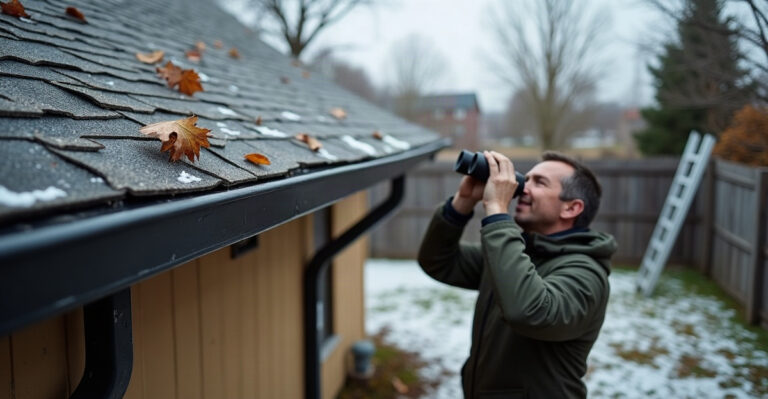
Cleaning may be appropriate when we see dark streaks from algae staining, surface moss growth, or layers of pine needles and organic debris. These issues affect appearance and can hold moisture, yet the shingles themselves may still be structurally sound.
However, there are clear signs that cleaning alone won’t help:
- Granule loss collecting in gutters
- Curling, cracking, or lifting shingles
- Soft decking or a spongy feel underfoot
- Visible storm damage
- Shingles approaching 20–25 years of age, which is typical service life for many asphalt products
Cleaning will not restore an aging roof or reverse deterioration. It can improve appearance and remove harmful growth, but it cannot bring brittle shingles back to life.
Before starting any project, we recommend reviewing a roof inspection checklist for homeowners. If hidden damage is suspected, scheduling a professional assessment is the safest step. Our roof repair services address isolated issues, while a roof replacement may be the better long-term option for roofs near the end of their lifespan.
The Safest Method for Cleaning Asphalt Shingles
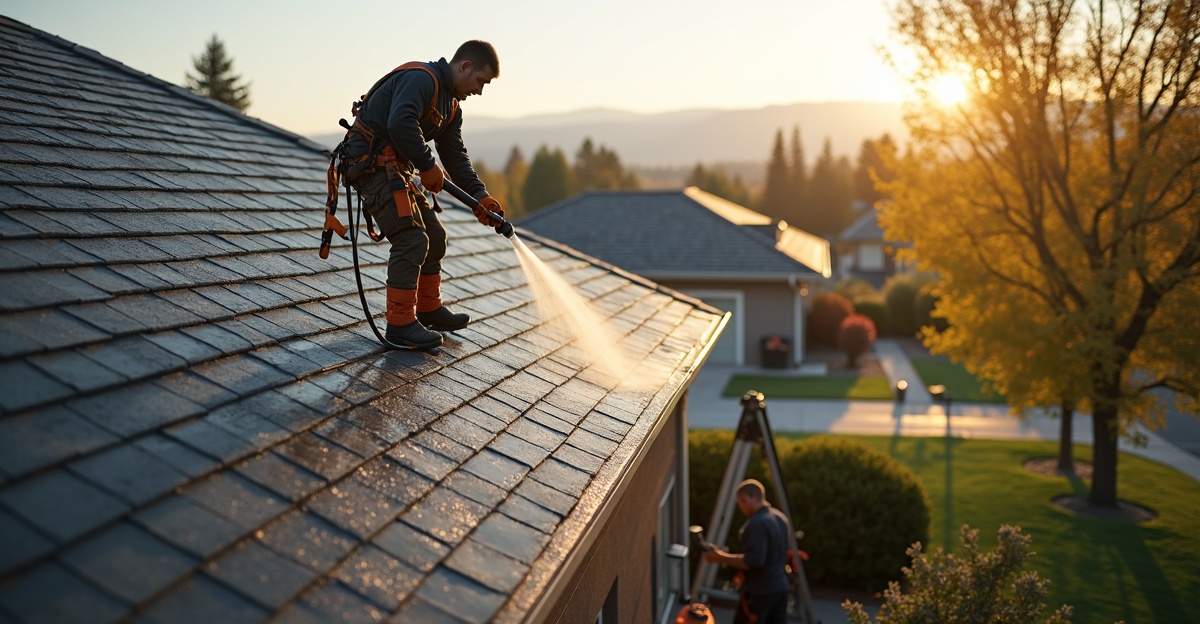
Cleaning shingles safely requires a soft wash approach. We use low-pressure application methods and avoid high-pressure spray entirely.
Manufacturer-approved cleaning solutions for asphalt shingles often include carefully diluted sodium hypochlorite mixtures. These must be applied correctly and rinsed gently. Always verify product instructions before use.
Protect landscaping before starting. Pre-rinse plants with water and cover sensitive shrubs. Cleaning solutions can damage grass and flowers if left unprotected.
Apply solution from the top down. Allow proper dwell time based on product directions. Rinse using low pressure to remove loosened algae and debris. Avoid scrubbing aggressively. Stiff brushes remove granules and weaken shingles.
Tools homeowners should never use include:
- Pressure washers
- Wire brushes
- Harsh industrial degreasers
- Abrasive scraping tools
Those methods may provide quick visual results, but they reduce roof longevity.
Choose a dry, mild-weather day. Wet, frosted, or windy conditions increase slip risk and reduce cleaner effectiveness.
Roof Moss Removal in Idaho: What Works and What to Avoid
Roof moss removal in Idaho requires special attention because our climate supports growth in shaded and wooded neighborhoods. Homes in Boise, Eagle, McCall, and the foothills often see thicker moss on north-facing slopes.
Moss retains moisture against shingles. Over time, that moisture accelerates granule deterioration and can lift shingle edges.
A safe process includes applying an approved moss treatment using a soft wash method. Allow the moss to loosen naturally. Gentle removal after treatment is far safer than forceful scraping.
Avoid pulling moss aggressively. That can lift shingle tabs and break the seal strips that protect against wind. Zinc or copper strips may help prevent future growth, but installing them on an aging roof without professional guidance may cause damage.
Long-term prevention reduces recurring problems:
- Trim overhanging branches where possible.
- Keep gutters clear to improve drainage.
- Maintain proper attic ventilation to limit moisture buildup.
We often recommend reviewing local maintenance patterns similar to the common roof problems in Idaho homes to understand how moss and moisture affect long-term performance.
When NOT to Attempt DIY Roof Cleaning
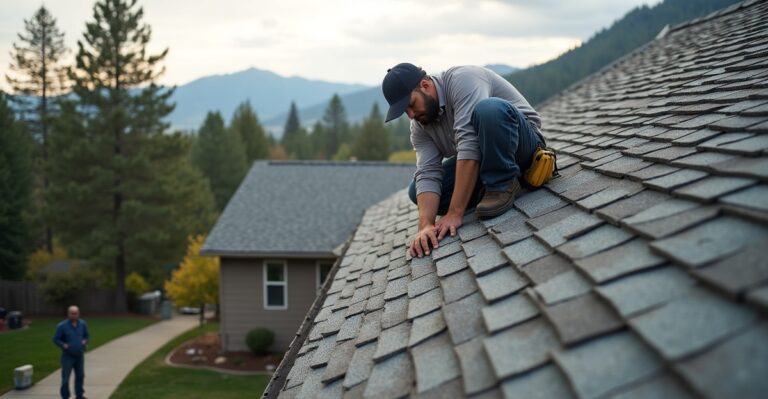
Roof work remains one of the most common causes of home-related fall injuries. Even a single-story home can present serious danger.
High-risk conditions include:
- Steep roof pitches
- Two-story or taller homes
- Loose shingles
- Surfaces that are wet or frosted
- Strong wind exposure across the Treasure Valley
Insurance policies may not always cover injuries from DIY roof work as homeowners expect. Medical costs and potential liability add another layer of risk.
Professional help is often the safer long-term solution when we identify structural concerns, widespread granule loss, active leaks, or a roof nearing replacement age. In urgent cases, such as sudden leaks after a storm, reviewing steps in emergency roof repair guidance can help protect the home until permanent repairs are completed.
Choosing safety protects both the home and the family living inside it.
DIY vs Professional Roof Cleaning: Costs, Risks, and Long-Term Value
DIY roof cleaning involves more than just buying a bottle of solution. Costs may include chemical cleaners, equipment rentals, ladder stabilizers, safety harnesses, and protective gear. Hidden expenses often appear if shingles are damaged during the process.
Professional cleaning costs vary depending on roof size, pitch, height, and condition. While pricing differs by project, trained crews bring proper soft wash equipment, safety procedures, and the ability to identify underlying issues such as soft decking or failing shingles.
We understand homeowners weigh options carefully. For many, reviewing the differences between DIY roof repair vs hiring a professional helps clarify the risks and long-term impact of roofing decisions.
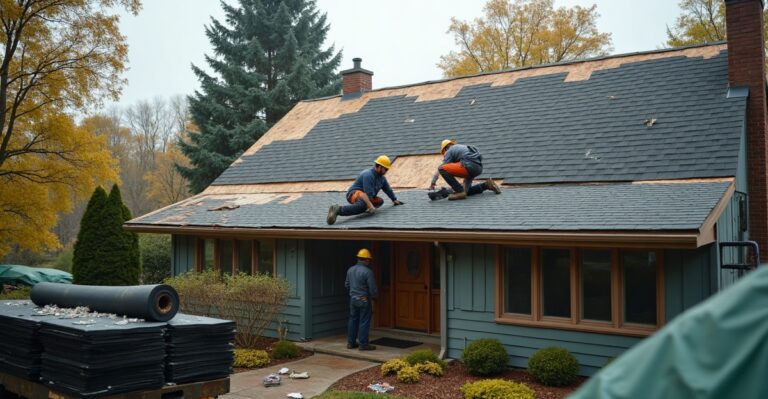
Cleaning remains maintenance. It is not a permanent fix for aging materials. In some cases, a deeper evaluation may reveal that a full replacement or even a complete roof tear-off service makes better financial sense.
When uncertainty exists, scheduling a professional evaluation protects property value and extends roof service life whenever possible. As a local, veteran-owned company, we focus on honest recommendations and practical solutions that serve our community for the long term.