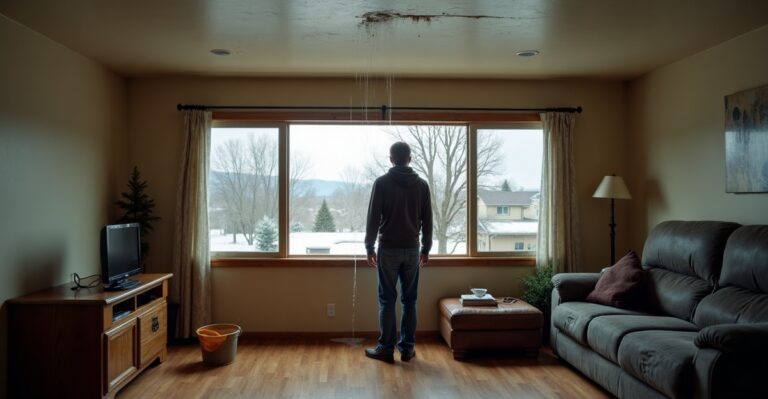
How Roofing Protects Your Home’s Structure
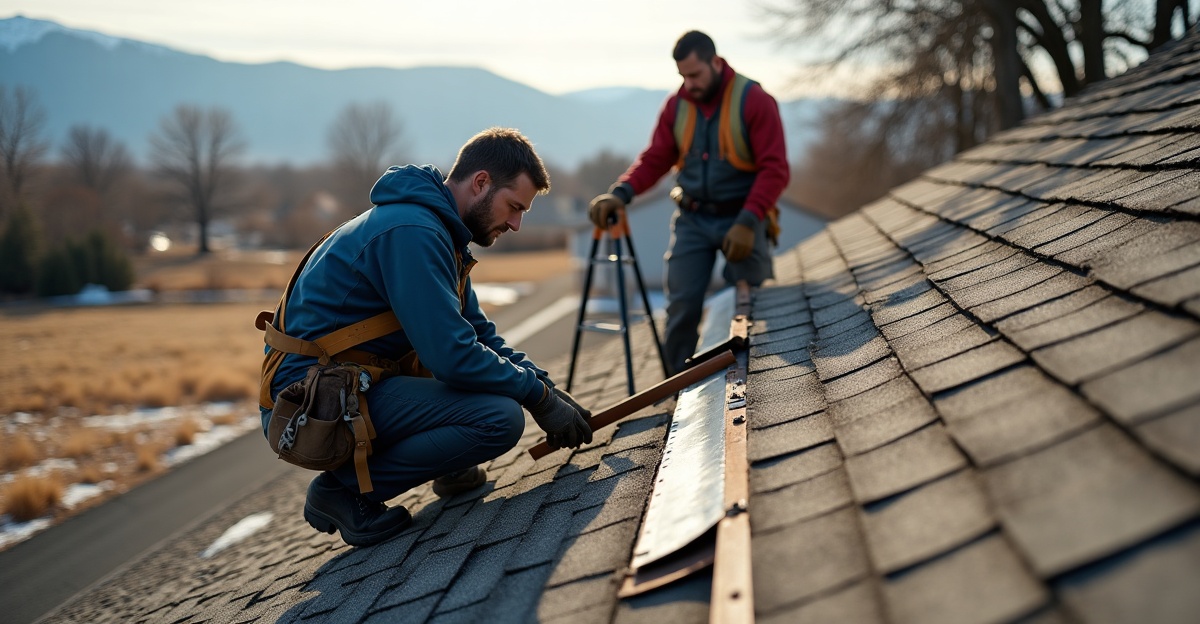
Roof structural protection depends on a complete roofing system. The system sheds water, controls attic moisture, and carries runoff away from the home’s exterior and foundation. Roofing materials, underlayment, flashing, decking, ventilation, and gutters work together to reduce moisture damage to framing, insulation, ceilings, walls, and other building materials.
Key Takeaways
- A roof protects more than the home’s interior. It also helps control water exposure around decking, framing, siding, foundations, and landscaping.
- Small problems, including damaged shingles, worn flashing, or clogged gutters, can let moisture move through hidden spaces before indoor signs appear.
- Southwestern Idaho weather brings snow, freeze-thaw cycles, wind, sun exposure, and storms. These conditions can wear roof materials and reduce drainage performance.
- We recommend watching for ceiling stains, attic moisture, damaged flashing, missing shingles, sagging sections, and overflowing gutters.
- A professional inspection can determine whether an issue affects one area and needs repair or signals wider damage that requires replacement.
What Roof Structural Protection Means for a Home
Roof structural protection describes a roof system’s ability to limit water entry, manage weather exposure, shed water, reduce unnecessary attic moisture, and protect building materials from ongoing deterioration. It depends on the complete home roofing system, not simply the visible shingles or metal panels.
A roof protects several connected areas of a property. When its materials and drainage paths perform as intended, they help limit avoidable moisture exposure to roof decking, framing, insulation, ceilings, walls, interior finishes, siding, foundations, and landscaping. Understanding the main roof components helps homeowners see why a small concern at the surface can sometimes affect areas below.
For homeowners in Boise, Meridian, Eagle, Kuna, Nampa, Caldwell, Middleton, Mountain Home, McCall, and nearby communities, roof protection also depends on local weather conditions and property-specific factors. Roof slope, tree cover, elevation, drainage design, material type, and past storm exposure can all affect performance.
A leak, aging roof, or missing shingle does not automatically mean severe structural damage has occurred. The actual impact depends on the moisture source, how long exposure continued, where water traveled, and how much moisture entered the system. Still, prompt attention gives moisture less time to move into materials that should remain dry.
The practical roof protection benefits of a well-maintained system include better water management, fewer opportunities for interior moisture issues, and a stronger foundation for long-term roof performance.
How the Complete Roofing System Works Together
Shingles alone do not provide complete roof structural protection. Each part of the system has a specific job, and a weakness in one area can place added stress on another. Our guide to roof types and maintenance offers additional context on how these connected layers function.
| Roofing Component | What It Does | What Can Happen When It Fails or Wears | What Homeowners May Notice |
|---|---|---|---|
| Roof covering | Shingles, metal panels, or other exterior materials shed water and handle normal weather exposure. | Water may reach lower layers, especially during wind-driven rain or snow events. | Missing, cracked, curled, lifted, or displaced materials. |
| Underlayment | This water-resistant layer beneath the roof covering provides a secondary barrier. | Water that gets past the outer material may have a more direct route to decking and interior areas. | Leaks may appear despite limited surface damage. |
| Roof decking | Structural sheathing provides a stable base for roofing materials and supports the roof system. | Continued moisture can weaken or deteriorate the sheathing. | Soft areas, sagging sections, or visible damage from an accessible attic. |
| Flashing | Metal or specialty materials direct water away from chimneys, vents, skylights, valleys, walls, and other transitions. | Water can enter at vulnerable intersections and penetrations. | Loose, separated, rusted, or damaged flashing. |
| Ventilation | Intake and exhaust airflow help manage attic heat and moisture. | Excess heat and condensation risk may affect roofing materials, insulation, and attic conditions. | Musty odors, damp insulation, condensation, or excessive attic heat. |
| Gutters and drainage | These components collect runoff and direct it away from siding, the foundation, and landscaping. | Overflowing water may affect exterior surfaces and collect near the home. | Clogged gutters, overflowing edges, detached downspouts, or soil erosion. |
| Framing and interior materials | Rafters, trusses, insulation, ceilings, and walls support the home and finish its interior spaces. | Persistent moisture intrusion can affect these materials over time. | Ceiling stains, wall discoloration, damp insulation, or uneven rooflines. |
Sound decking, reliable flashing, working ventilation, effective drainage, and properly installed roof coverings all matter. A roof should function as a layered system that sends water outward and keeps moisture from lingering inside.
How Small Roof Problems Can Reach the Structure Below
A damaged shingle, worn penetration seal, failed flashing detail, or blocked drainage route can create an opening for water to enter the layers below the surface. Water does not always travel straight down. It can move along decking, framing, insulation, or interior finishes before becoming visible as a stain or drip.
Early signs may stay localized. For example, a minor flashing concern may affect a limited area around a vent or chimney. If repeated weather events push water through the same location, moisture can eventually reach decking and insulation. Wet decking may no longer provide the same stable base for roofing materials. Damp insulation can lose effectiveness and contribute to attic moisture, condensation, and interior staining concerns.
Persistent moisture can also affect framing, ceilings, walls, and finishes. If there are concerns about major framing deterioration or hidden building conditions, the appropriate professional should assess the affected area. We avoid assumptions because the visible symptom does not always show the full path or extent of moisture entry.
Roof life also varies widely. Material type, installation quality, ventilation, maintenance history, weather exposure, and storm history all influence how long a roof performs well. Regular roof maintenance practices may help identify limited concerns before repeated moisture exposure creates a larger repair need.
Timely repairs do not guarantee every issue will remain minor, but they can help prevent a small, localized concern from becoming a broader and more expensive project. When leaks appear, homeowners benefit from learning how to identify roof leaks safely from accessible areas before arranging a professional evaluation.
Southwestern Idaho Weather Conditions That Affect Roof Performance
Southwestern Idaho roofing faces varied conditions across the region. A property in Boise may experience different wind patterns, tree cover, and sun exposure than a home in McCall, Mountain Home, or Caldwell. Elevation, roof design, surrounding structures, and individual weather events also change a roof’s maintenance needs.
Seasonal snow and freeze-thaw cycles can place stress on roof surfaces, flashing, valleys, and drainage areas. Water that melts during warmer periods can refreeze in cold conditions, which may affect how runoff leaves the roof. Ice, snow buildup, and blocked gutters can further restrict drainage during some weather events.
Wind and seasonal storms may loosen, lift, crack, or displace roofing materials. Strong sun and regular temperature swings can contribute to material aging over time. These conditions do not affect every roof in the same way, but they support a practical approach to upkeep.
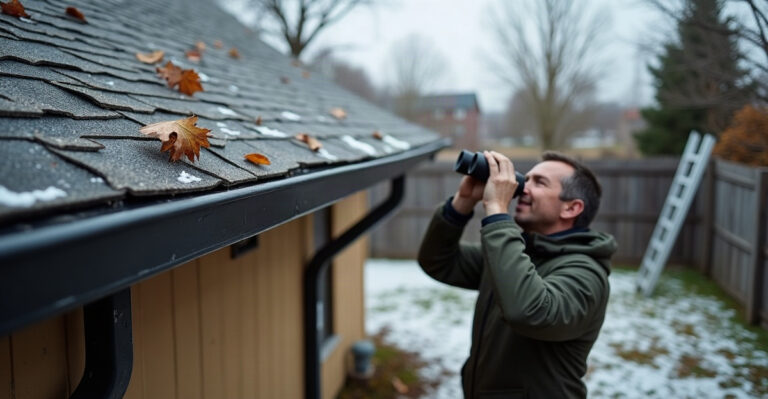
We recommend checking visible roof areas after significant wind, rain, or snow events. Homeowners can also watch for gutter overflow, displaced materials visible from the ground, and new ceiling stains. Clear drainage pathways matter because gutters move roof runoff away from siding, foundations, and landscaped areas. Learn why gutter cleaning protects roofs and supports dependable water flow.
Consistent roof maintenance gives homeowners a chance to address visible wear before moisture has repeated opportunities to enter the system. These roof protection benefits can help preserve both the roof and the areas it serves.
Warning Signs Your Roof May Need Professional Attention
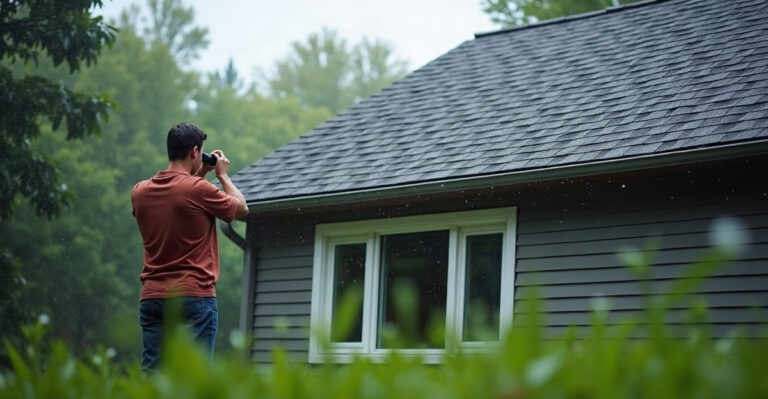
Homeowners can safely observe many warning signs from the ground, inside the home, and from accessible attic areas. We do not recommend climbing onto a roof, particularly during wet, icy, windy, or snowy conditions. Walking on roofing materials can create a safety risk and may cause additional damage.
Signs Worth Scheduling an Evaluation
The following symptoms are signals for professional assessment. They do not, by themselves, confirm that a full replacement is necessary.
- Missing, cracked, curling, lifted, or visibly damaged shingles.
- Granules collecting in gutters or at downspouts.
- Damaged, loose, rusted, or separated flashing around roof transitions.
- Water stains on ceilings or walls.
- Damp attic insulation, musty odors, visible condensation, or other signs of attic moisture.
- Active leaks or recurring leaks after rain, snow, or wind events.
- Sagging rooflines or visibly uneven roof areas.
- Soft spots, damaged decking visible from the attic, or daylight visible through roof penetrations.
- Clogged, overflowing, detached, or improperly draining gutters and downspouts.
- Roofing materials in the later stages of their expected service life, especially when visible wear or recurring issues are also present.
A roofline that appears to sag, active indoor dripping, or visible decking damage deserves prompt attention. These conditions may be localized, but an inspection can determine whether moisture has affected other system components.
Inspection, Repair, or Replacement: Choosing an Informed Next Step
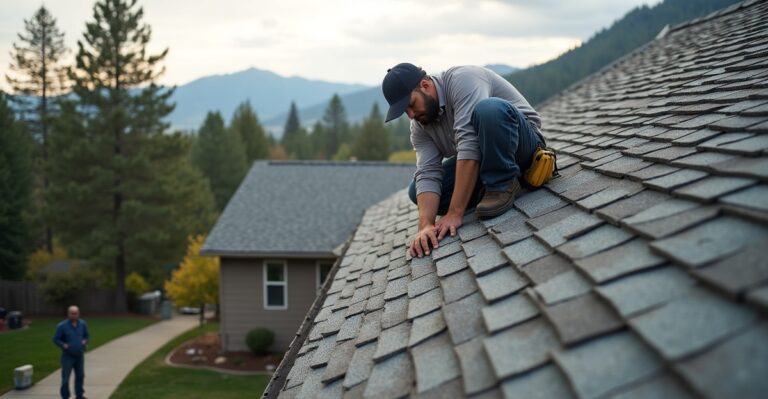
A professional inspection helps identify the likely source of leaks or wear, assess whether conditions are localized or widespread, and document roof-system conditions before repair or replacement recommendations are made. This process gives homeowners clear information rather than assumptions based on a single visible symptom.
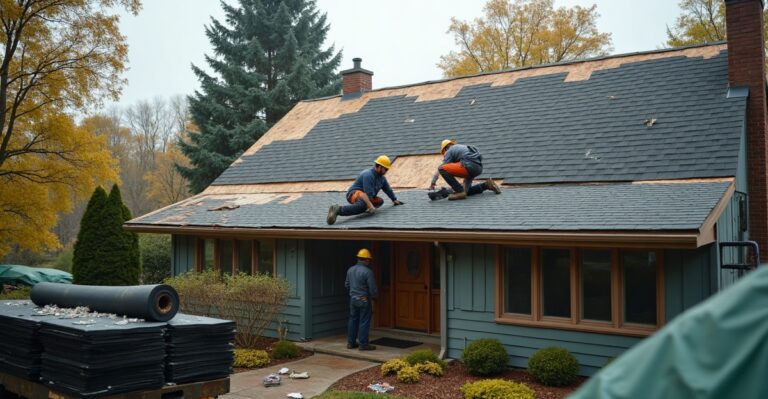
A localized issue may sometimes be addressed through a targeted roof repair. Widespread material wear, repeated leaks, storm damage, or concerns involving multiple system components may warrant a roof replacement discussion. An inspection is needed to determine the appropriate option.
Does a Roof Leak Always Mean Structural Damage?
No. Damage depends on the source, duration, location, and extent of moisture exposure. A leak should still be evaluated to limit further intrusion.
Can Missing Shingles Cause Water Damage Inside a Home?
They can increase the chance of water reaching lower roofing layers, particularly during wind-driven rain or storms. The condition and extent of any damage should be inspected.
What Is Roof Decking, and Why Does It Matter?
Decking is the structural sheathing beneath roofing materials. It supports the roof system and provides the base for installation. For more detail, review the essential roof framing parts.
How Do Gutters Help Protect a Home’s Structure?
Gutters collect roof runoff and direct it away from siding, the foundation, and landscaping. Clear, secure gutters support the drainage side of roof structural protection.
How Can Homeowners Tell Whether Repair or Replacement Is Needed?
Visible symptoms alone cannot determine the answer. A qualified inspection can establish whether concerns are limited to one area or affect the wider system.
How Often Should a Homeowner Schedule a Roof Inspection?
Inspection needs vary with roof age, visible wear, storm history, leaks, and local weather exposure. An inspection is especially appropriate after storm-related changes or when warning signs appear.
Homeowners in southwestern Idaho who notice leaks, damaged shingles, sagging areas, attic moisture, recurring water stains, or storm-related changes can schedule a roof inspection with Idaho Roofing Solutions. We’ll help identify the source and scope of the issue before homeowners decide between repair or replacement.