Understanding the Roof of a House: Types, Parts, and Maintenance
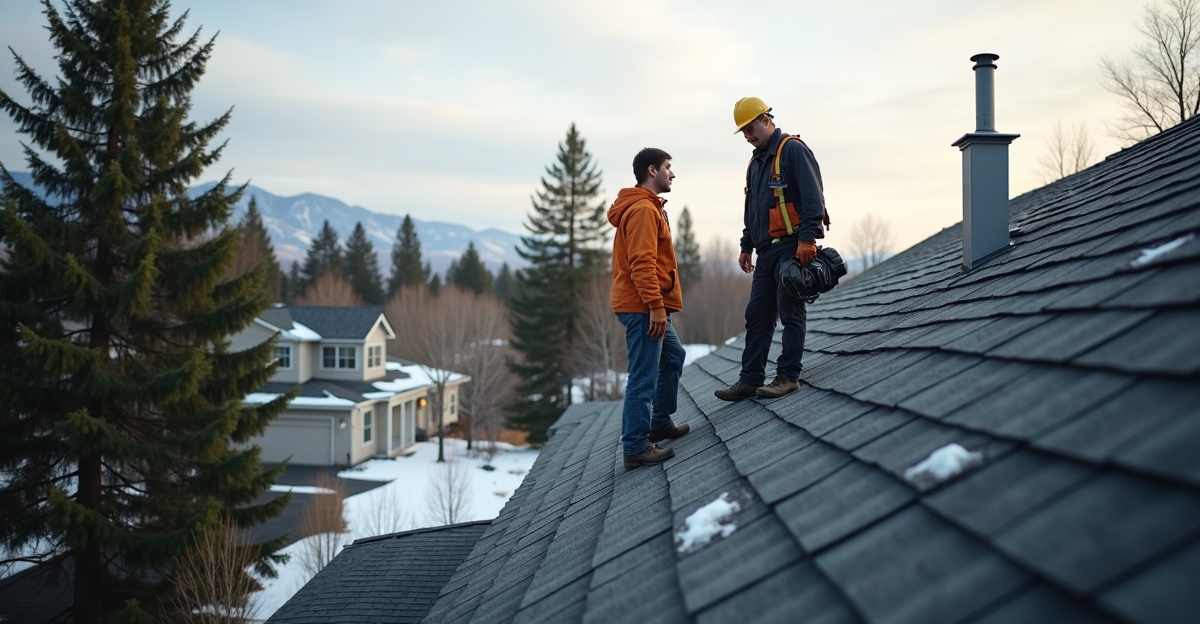
The roof of a house plays a central role in protecting Idaho homes from snow loads, wind, rain, and UV exposure while supporting energy efficiency and long-term property value. We view the roof as a complete system that shields the structure and strengthens long-term performance. Understanding its types, structural components, materials, and maintenance requirements helps us make informed decisions about inspections, repairs, and replacement.
Key Takeaways
- A complete roof system includes decking, underlayment, flashing, exterior roofing materials, ventilation, and drainage components that work together to prevent leaks and moisture damage. We ensure each layer performs its role so the system functions as one unified shield.
- Roof design—such as gable, hip, or complex rooflines—directly affects snow shedding, wind resistance, and long-term maintenance requirements. We recommend selecting a design that matches Idaho’s snowfall patterns and local wind exposure.
- Material selection, including asphalt shingles or metal roofing, must account for Idaho’s freeze-thaw cycles, UV exposure, and wind conditions. We guide material choices based on durability, lifespan, and overall value.
- Early warning signs like missing shingles, granule loss, leaks, or sagging areas signal whether maintenance, targeted repair, or full replacement makes the most sense. We encourage scheduling an inspection at the first sign of damage to prevent larger structural issues.
- A professional inspection and clear written estimate provide transparency on scope of work, material options, ventilation needs, and project timelines before moving forward. We outline every detail so we can plan with confidence and avoid surprises during the project.
How the Roof of a House Protects Your Home and Property Value
The roof of a house stands as the main barrier between our homes and Idaho’s weather. In southwestern Idaho, that means protection from heavy winter snow, strong winds across open areas, spring rain, and hot, dry summers with intense UV exposure.
A properly built roof system does several critical jobs at once. It provides structural protection by shielding framing and interior spaces from water intrusion. It manages moisture so condensation and leaks don’t damage insulation or drywall. It supports energy efficiency by working with attic insulation and ventilation to control indoor temperatures. It also plays a major role in curb appeal and resale value.
Neglect changes everything. Small issues can lead to interior water damage, mold growth, insulation problems, and even structural repairs. Snow load in winter, freeze-thaw cycles in early spring, and long summer sun exposure can shorten the life of certain materials. Strong winds in rural or open areas can loosen shingles or flashing.
Our goal as homeowners should be simple. We need to understand house roofing systems well enough to evaluate the current condition, compare inspection reports, and make informed decisions about repair or replacement. When we know how the roof works, we protect both our homes and long-term property value.
The Main Parts of House Roofing Systems and What Each One Does
Every roof system has multiple layers working together. If one component fails, the entire system can suffer.
Structural and Protective Layers
Roof decking, also called sheathing, is the structural base. It attaches to rafters or trusses and supports all exterior roofing materials. If decking becomes soft from moisture damage, shingles and fasteners can loosen.
Underlayment sits directly over the decking. This moisture barrier helps protect against wind-driven rain and ice dams. In Idaho’s climate, this extra layer is essential.
Flashing consists of metal pieces installed around chimneys, plumbing vents, skylights, and valleys. These areas are natural weak points. Properly installed flashing seals transitions and prevents leaks at seams.
The roofing material layer—whether asphalt shingles or metal panels—forms the primary weather barrier. These common roofing materials take the brunt of sun, snow, and wind.
Ventilation, Drainage, and Ongoing Care
Ventilation systems include intake vents along the eaves and exhaust vents near the ridge. Proper airflow regulates attic temperature and moisture. During winter, ventilation helps reduce ice dam formation. In summer, it limits heat buildup that can age shingles prematurely.
Gutters and downspouts channel water away from siding and foundations. Without functional drainage, water can pool near the home and increase the risk of basement or structural issues.
All these parts must work together. Improper installation in any area shortens service life and increases repair costs. Consistent roof maintenance, such as keeping gutters clear and checking for damaged shingles after storms, goes a long way in preserving the full system.
Common Residential Roof Types in Southwestern Idaho Neighborhoods
Roof design affects how a home handles snow, wind, and water. Different residential roof types perform differently under Idaho conditions.
Gable roofs feature two sloping sides that meet at a ridge. This simple design sheds water and snow efficiently. We often see gable roofs in newer subdivisions throughout Boise, Meridian, and Kuna.
Hip roofs slope on all four sides. That design provides added wind resistance, which helps in open or rural areas around Nampa, Caldwell, and Middleton. The inward slope on all sides increases structural stability during high winds.
Cross-gable roofs and complex rooflines are common in larger or custom homes. These designs create multiple valleys where two roof planes meet. Valleys require precise flashing and careful installation. They also demand closer inspection over time because debris and snow can accumulate in these areas.
Some homes include low-slope sections over patios, garages, or additions. Low-slope areas require specialized materials and installation methods. Drainage becomes more critical, and small installation flaws can lead to leaks.
Roof design directly influences long-term maintenance needs. More valleys and transitions mean more flashing. More surface area can mean greater exposure to wind. During inspections, we pay close attention to these design features because they often determine where problems appear first.
Common Roofing Materials in Idaho and How Climate Affects Them
Material selection shapes the performance and lifespan of the roof of a house. Climate always plays a role.
Asphalt shingles remain the most widely used option in our area. They offer affordability and reliable performance when installed correctly. Homeowners can choose between basic 3-tab shingles and architectural shingles.
Architectural shingles have a thicker profile and often better wind resistance than traditional 3-tab options. They typically hold up better under Idaho’s wind and temperature swings.
Metal roofing has gained popularity throughout southwestern Idaho. It sheds snow effectively, resists fire, and performs well in high-wind areas. For homeowners comparing options, our metal roof vs asphalt shingles comparison outlines key differences. We also discuss climate considerations in our guide on metal roofing pros and cons.
UV exposure, freeze-thaw cycles, and wide temperature swings affect all common roofing materials. Shingles can dry out or lose granules over time. Fasteners can expand and contract. Sealants can break down.
Service life depends on several factors:
- Quality of installation
- Proper attic ventilation
- Regular maintenance
- Severity of local weather exposure
We avoid blanket lifespan promises. Instead, we encourage homeowners to review our overview of how long a roof lasts in Idaho weather to understand realistic expectations.
Material choice also impacts energy efficiency and maintenance frequency. Heavier, more durable materials may cost more upfront but reduce long-term repair needs. Every home requires a case-by-case evaluation.
Signs of Wear: When Maintenance, Home Roof Repair, or Replacement Makes Sense
Roof systems rarely fail all at once. Most problems show warning signs first.
Common indicators include missing, curling, or cracked shingles. Granule buildup in gutters signals shingle wear. Water stains on ceilings or walls often point to active leaks. Sagging areas can suggest decking damage. Damaged or loose flashing frequently leads to moisture intrusion.
Routine maintenance covers basic care. That includes clearing debris, cleaning gutters, resealing small exposed fasteners, and checking for minor damage after storms. Following consistent roof maintenance practices helps extend the system’s life.
Home roof repair focuses on localized issues. A single leak around a vent, limited storm damage, or small flashing failures usually fall into this category. In those cases, targeted roof repair services can restore function without replacing the entire system.
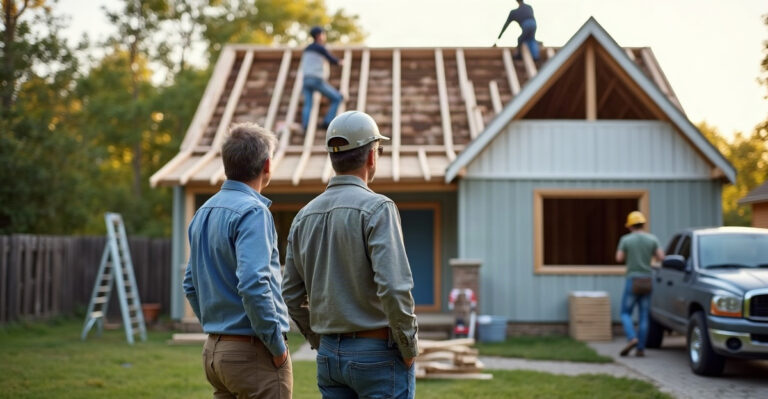
Full replacement becomes the better option when shingles fail across large sections, leaks occur repeatedly, or the roof approaches the end of its expected service life. At that stage, a comprehensive roof replacement often proves more cost-effective than ongoing patchwork.
Inspections guide that decision. Every roof has unique wear patterns based on design, material, and exposure. Homeowners often worry about hidden costs, project timelines, workmanship warranties, and cleanup. Transparent estimates and written documentation address these concerns upfront. Clear communication builds trust and prevents surprises.
What to Expect From a Professional Inspection and How to Choose a Contractor
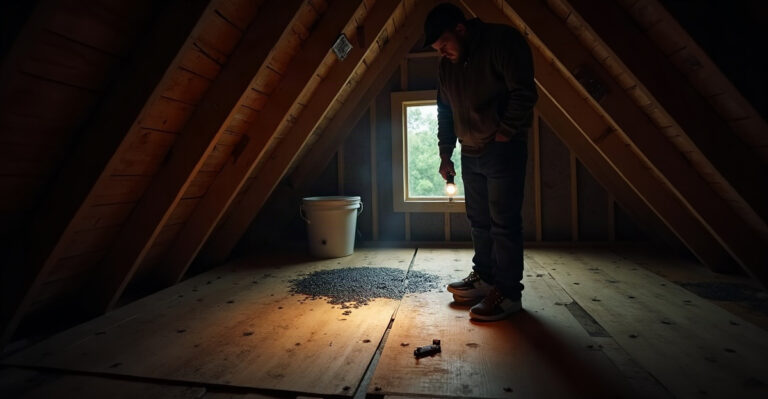
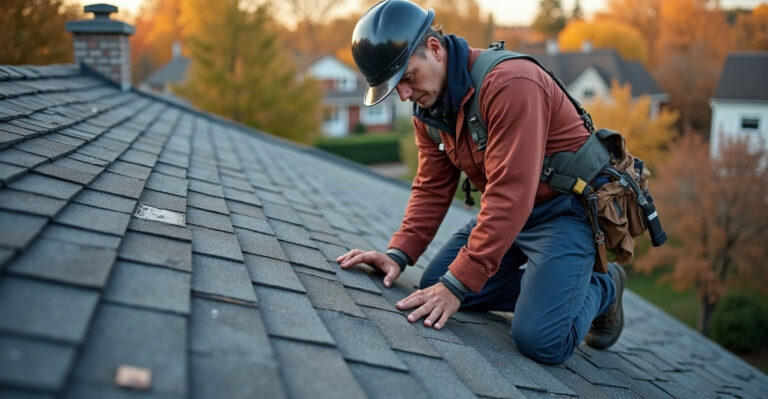
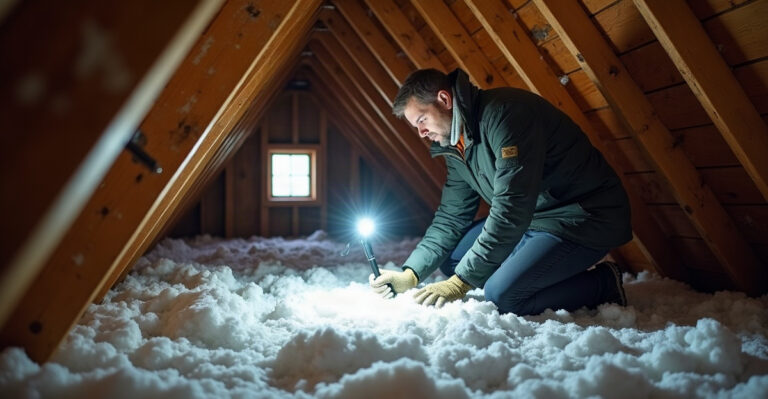
A professional roof inspection covers both exterior and interior components whenever accessible. We examine surface materials for wear and storm damage. We review flashing around penetrations and valleys. We assess ventilation to ensure proper airflow. We also inspect the attic, if accessible, for signs of moisture, mold, or insulation issues.
For homeowners who want to understand the process ahead of time, our roof inspection checklist explains what to look for. We also outline how often to inspect your roof based on Idaho conditions.
A written estimate should clearly define:
- Scope of work
- Material options
- Ventilation improvements if needed
- Cleanup plan
- Projected timeline
Pricing depends on roof size, complexity, material type, and the condition of the underlying decking. Unexpected decking damage can affect the final cost, so contractors should explain how they handle that possibility.
Before hiring a company, we recommend asking direct questions. Confirm that the contractor is licensed and insured in Idaho. Ask how landscaping and property will be protected. Review material and workmanship warranty details. Clarify the expected timeline and payment schedule.
As a veteran-owned, family-operated company, we focus on straightforward communication and professional service. We serve homeowners in Boise, Meridian, Eagle, Kuna, Nampa, Caldwell, Middleton, Mountain Home, McCall, and nearby communities. A detailed evaluation helps us understand the true condition of the roof of a house and recommend practical next steps. When homeowners are ready for that conversation, they can schedule an assessment through our contact page.