How to Prepare for Roof Replacement: A Simple Guide
Preparing for roof replacement helps us protect belongings, keep crew access clear, and plan for temporary noise, debris, and driveway restrictions. We should review the schedule and site plan one to two weeks ahead. Then, we can prepare vehicles, outdoor areas, the attic, and indoor spaces the day before work begins.
Key Takeaways
- We should confirm the start window, work hours, delivery timing, parking plan, access needs, and primary project contact with our contractor.
- We should move vehicles and clear patio furniture, grills, toys, planters, and other movable items away from the home and driveway.
- We should protect attic storage and secure fragile indoor items that normal installation vibration or dust may affect.
- We should keep children and pets away from active work areas. We can also plan a quieter location if noise or activity disrupts daily routines.
- We should ask how the crew will remove debris, complete magnetic nail sweeps, finish cleanup, and communicate weather-related schedule changes.
Your Roof Replacement Preparation Checklist
Preparing for a roof replacement typically means confirming logistics with our contractor, moving vehicles and outdoor items, protecting attic and interior belongings, planning for children and pets, and knowing what will happen during installation and cleanup. A clear plan keeps the property safer, helps the crew work efficiently, and reduces avoidable disruptions.
For homeowners asking how to prepare for roof replacement, we recommend reviewing this checklist 1–2 weeks before the scheduled start window and again the day before work begins. Early preparation also helps avoid several roof replacement mistakes that can delay access or leave belongings exposed.
Before Your Roof Replacement
Use this copyable checklist to prepare for a roof replacement:
- 1–2 weeks before: Confirm the estimated start window, work hours, contractor contact information, material delivery timing, parking plan, debris-container placement, and access needs.
- 1–2 weeks before: Identify landscaping, irrigation, garden beds, ponds, lighting, gates, or other property features that need special attention.
- 1–2 weeks before: Make household plans for pets, children, remote work, guests, and anyone sensitive to noise.
- The day before: Move vehicles out of the garage, driveway, and areas near the home.
- The day before: Clear patio furniture, grills, toys, planters, lawn décor, and movable items from around the house.
- The day before: Secure fragile indoor items, including wall décor, mirrors, frames, shelving, and breakables.
- The day before: Relocate or cover attic storage with sheets or tarps.
- The day before: Provide any agreed gate codes, outlet access, or property-entry instructions securely.
- Before work begins: Share property-specific concerns with the project contact and confirm the cleanup plan.
A replacement is a major project, but preparation does not mean taking on unsafe site work. We handle the roofing process, while homeowners focus on access, belongings, and clear communication. For a closer look at the work itself, review the roof tear-off process before installation day.
Confirm the Schedule, Access, and Communication Plan
Knowing how to prepare for a roof replacement starts with a direct conversation about timing and access. Confirm the estimated project start window, expected work hours, and the method we’ll use to communicate schedule changes.
Boise-area weather can shift quickly, especially in spring and fall. Wind, rain, cold temperatures, snow, material availability, permitting, and unexpected decking damage can affect the schedule. We should explain meaningful changes promptly and provide the next expected update.
Before work starts, ask: What is the estimated start window, and how will weather delays be communicated? Where will materials, trailers, dumpsters, or debris containers sit? Where should vehicles be parked? Will the crew need gate access, electrical outlet access, or other property access? How will landscaping be protected? What is the cleanup and final nail-sweep process? Who is the best project contact during installation?
Treasure Valley homeowners should also ask about delivery timing and temporary driveway restrictions. Material deliveries, trailers, and debris containers require room to operate. We recommend confirming where household vehicles should go before delivery day.
Keep gates unlocked only when that access has been specifically arranged. Otherwise, provide gate codes or entry instructions securely in advance. If we request an outdoor electrical outlet, make those arrangements before the crew arrives. Confirm whether someone needs to be available at the beginning or end of the workday.
A clear contractor conversation prevents assumptions. Our guide to questions for a roofing contractor can help us compare communication standards before a project begins. Seasonal planning also matters, so review Idaho roof replacement timing when choosing a project window.
Clear and Protect the Outside of Your Property
Move all vehicles away from the garage, driveway, and areas near the house before the crew arrives. This protects vehicles from dust and debris while keeping access open for material delivery, roofing work, and roof replacement cleanup.
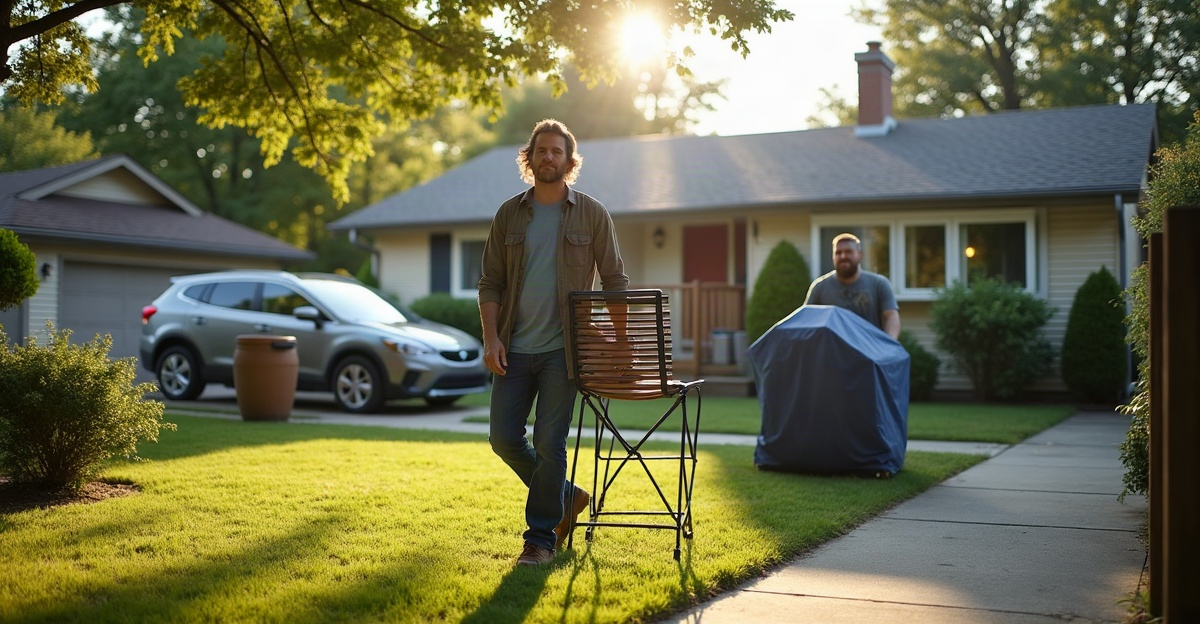
Clear movable items from patios, decks, porches, driveways, walkways, and the perimeter of the home. That includes furniture, grills, planters, toys, lawn decorations, and portable equipment. Crews need safe, open paths around the structure.
Point out delicate plants, garden beds, irrigation features, ponds, outdoor lighting, and other items that need attention. A professional contractor should explain the site-protection plan. We should not expect homeowners to handle unsafe worksite preparation, tarp placement, or debris management.
Roof replacement preparation includes planning for normal jobsite activity. Delivery trucks may arrive before installation. A dumpster or trailer may take driveway space. Crew members will move around the property, and access near the home may be temporarily limited.
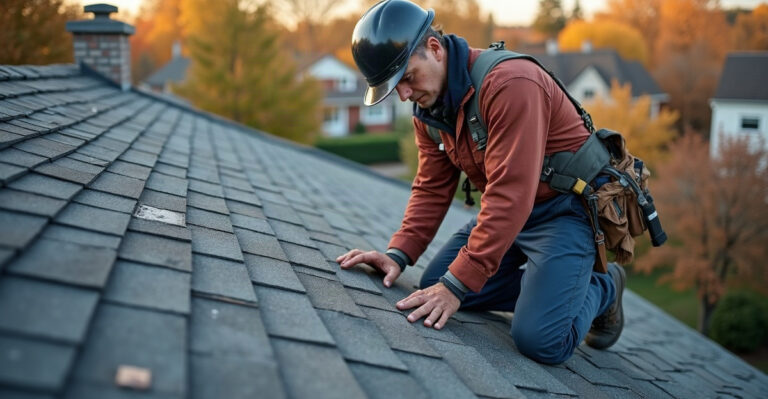
We remain responsible for worksite safety, crew supervision, debris containment, material handling, equipment management, cleanup, magnetic nail sweeps, and communication about meaningful changes. A complete replacement can also provide a clearer view of hidden roof conditions, which is one reason roof tear-offs support long-term results.
Protect Your Attic and Indoor Belongings
Roof replacement vibration is normal during tear-off and installation. The work can also create small amounts of roof replacement dust, especially in attics or rooms near the roofline.
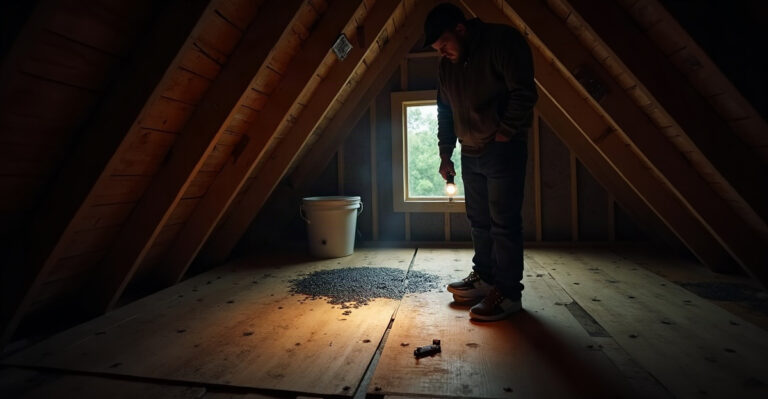
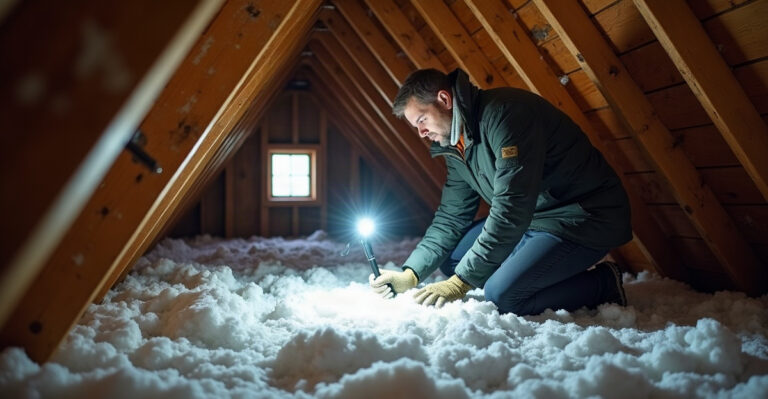
Protect attic storage by relocating valuable, fragile, or dust-sensitive belongings when possible. Cover items that must remain with sheets or tarps. Avoid placing belongings directly beneath areas where debris or dust may fall from attic gaps.
Inside the home, secure or remove fragile wall décor, mirrors, picture frames, shelving items, and breakables. Check rooms directly below the roofline before the project begins. Consider covering sensitive furniture or electronics if vibration or dust is a concern.
Homeowners who ask, “How do I prepare for a roof replacement?” often focus on the outside of the property first. Indoor preparation deserves equal attention. Expect noise, vibration, and temporary dust during working hours, but do not enter active work zones or attempt to manage roofing debris.
If inspection findings show that a full replacement is not yet needed, a qualified roof repair service may address isolated issues. We’ll explain the condition of the roof clearly so the scope matches the home’s needs.
Plan for Children, Pets, Neighbors, and Daily Routines
Roof replacement noise can be loud during tear-off and installation. Expect periodic vibration, crew movement around the property, debris activity, and possible driveway restrictions. Plan daily routines around those conditions.
Keep children and pets away from the work zone at all times. Arrange a quieter location when needed, such as daycare, boarding, a family member’s home, or an off-site work location. This can be especially helpful for noise-sensitive pets, young children, and household members who work from home.
Roof replacement safety requires clear boundaries. We should not climb onto the roof, enter active work areas, move ladders or equipment, remove debris during installation, or allow children and pets near the work zone.
Let nearby neighbors know about temporary noise, truck traffic, and activity around the property. This is especially helpful for close-set homes, shared driveways, or neighborhoods with limited parking.
Southwestern Idaho conditions may affect safe installation timing. Wind, rain, cold temperatures, snow, and early- or late-season weather can cause weather delays. We should plan for flexibility rather than assume every project will finish in one day. Our roofing FAQ addresses additional planning questions homeowners commonly have before work begins.
What to Expect During Cleanup and How to Address Questions
Professional crews should manage debris containment, remove roofing waste, perform magnetic nail sweeps, and review final walk-through questions. Ask in advance how roof replacement cleanup will work, when debris containers will be removed, and how concerns after the project will be handled.
During installation, report questions to the designated project contact. Do not move equipment, enter restricted areas, or attempt cleanup while crews are actively working. This protects everyone on the property and allows the team to maintain an organized site.
- Do we need to be home during roof replacement? That depends on the agreed access and communication plan. Confirm whether we need to be available at the beginning or end of the day.
- Should we move cars out of the garage? Yes. Move vehicles away from the garage, driveway, and nearby work areas before the crew arrives.
- How do we protect items in the attic? Relocate valuable or dust-sensitive belongings when possible, then cover remaining storage with sheets or tarps.
- Will roof replacement make a lot of noise inside? Expect loud tear-off activity and vibration during working hours.
- What should we do with pets? Keep pets away from the work zone and arrange a quieter location if needed.
- What happens if weather delays the project? Wind, rain, cold temperatures, snow, material availability, permitting, and unexpected decking damage can affect the plan. The contractor should communicate changes promptly.
- How are debris and nails handled? The contractor should remove roofing waste, perform magnetic nail sweeps, and address final walk-through concerns.
For homeowners planning a replacement, Idaho Roofing Solutions provides clear expectations from inspection through cleanup. Explore our roof replacement services, review Idaho roof replacement costs, or contact our team to discuss a project plan, preparation questions, or an inspection estimate.