Poor Attic Ventilation: Warning Signs to Watch For
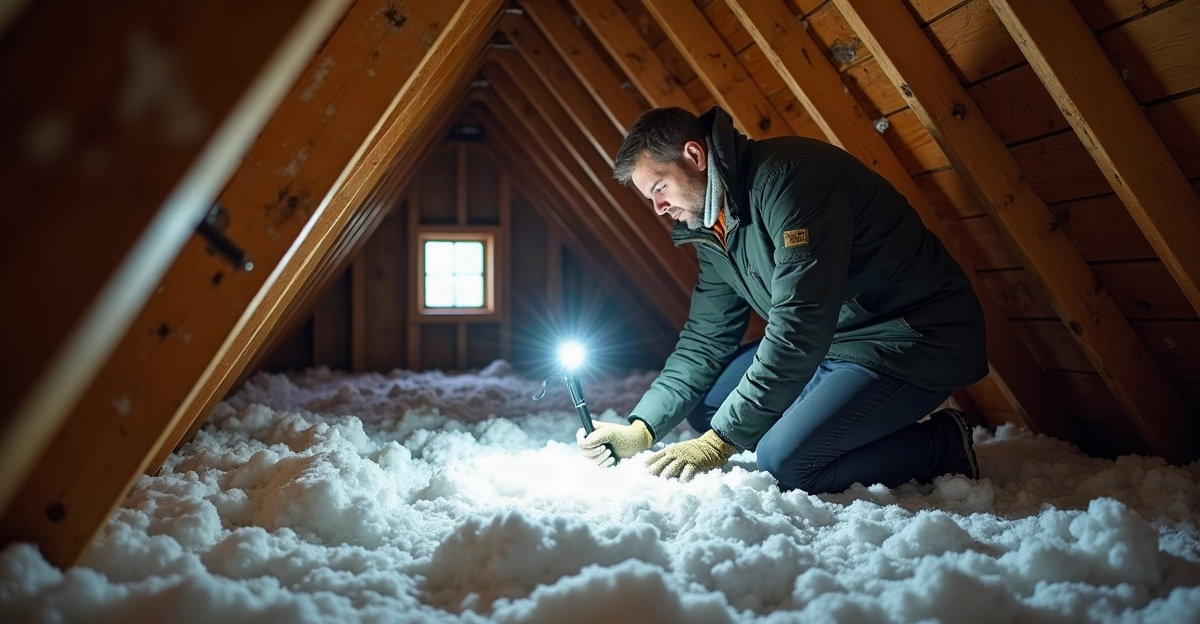
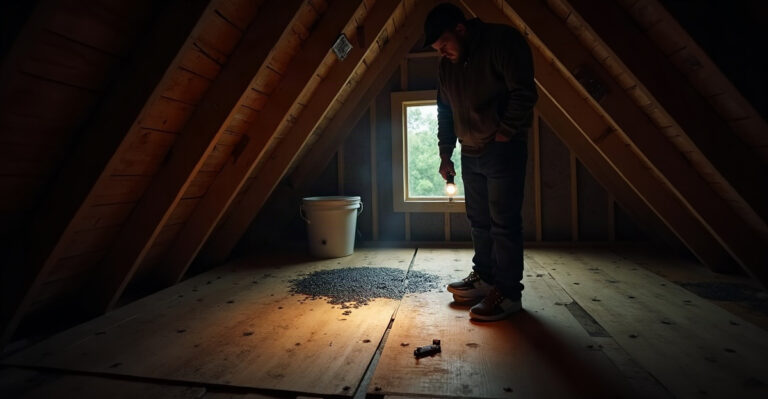
Poor attic ventilation can cause frost, condensation, damp insulation, musty odors, and ice dams. These signs often reveal attic moisture or temperature issues. In southwestern Idaho, cold winters and frequent freeze-thaw cycles can make these problems easier to spot. Roof leaks, air leaks, and poorly vented exhaust ducts can create similar symptoms.
Key Takeaways
- Frost on roof decking or nails, water droplets, wet insulation, and mold odors often indicate recurring attic moisture.
- Ice dams, peeling paint near eaves, excessive heat on upper floors, and early shingle wear can signal ventilation or heat-loss issues.
- Moisture that develops after rain or snowmelt may point to a roof leak. Widespread frost during cold weather often means warm indoor air is leaking into the attic.
- Effective ventilation relies on proper insulation, air sealing, vapor control, and exhaust ducts that vent outdoors.
- We recommend a professional inspection for active leaks, recurring stains, wet insulation, visible mold, repeated condensation, or damaged roofing materials.
Signs of Poor Attic Ventilation to Watch For
Common signs of poor attic ventilation include frost or condensation in the attic, damp insulation, mold or musty odors, excessive attic heat, ice dams, peeling paint near rooflines, and early aging of roofing materials. These symptoms can also result from roof leaks, plumbing leaks, inadequate insulation, air leaks from the living space, or bathroom and kitchen exhaust fans that release moisture into the attic.
Southwestern Idaho homes face cold winters, snow accumulation, freeze-thaw cycles, and wide seasonal temperature changes. Those conditions can make attic moisture and ice-related symptoms easier to spot. A clear understanding of the main roof components also helps homeowners recognize where moisture may be collecting.
Visible and Noticeable Warning Signs
We recommend watching for these symptoms and documenting when they appear:
- Frost on roof decking, rafters, or nail tips during cold weather.
- Condensation or water droplets on the underside of roof decking.
- Damp, compressed, stained, or moldy insulation.
- Musty attic odors or visible mold growth on wood surfaces.
- Wet or stained roof sheathing.
- Ice dams along roof edges and gutters.
- Excessive attic heat or uncomfortable upper floors during warm weather.
- Peeling, blistering, or deteriorating paint near eaves and rooflines.
- Shingles or roofing components showing wear earlier than expected.
- Bathroom, laundry, or kitchen exhaust ducts ending inside the attic rather than outdoors.
Premature shingle wear requires a careful review. Age, installation quality, weather exposure, and the condition of the roofing material all affect its service life. We cover other warning signs in our guide to common Idaho roof problems.
Signs of Poor Attic Ventilation in Winter
The most common signs of poor attic ventilation in winter often involve frost, condensation, and wet insulation. Cold outdoor temperatures alone do not create attic frost. Frost usually forms when warm, moisture-laden air from the living space reaches cold attic surfaces.
Warm indoor air can move upward through gaps around recessed lights, attic hatches, plumbing penetrations, duct openings, and other openings. Once that air reaches a cold attic, its moisture can condense or freeze on roof decking, rafters, and nail tips. When temperatures rise, frost melts and can wet insulation and wood surfaces.
Repeated moisture exposure can reduce insulation performance, contribute to mold, deteriorate wood, and lead to water stains on ceilings or walls. Recurring frost, attic condensation, wet insulation, or staining during thaw periods deserves prompt attention.
Ice dams may also develop during winter. Ventilation conditions can play a role, but heat loss and air leakage from the home below are common contributors. Ice dams form when snow melts over warmer roof areas and refreezes near colder eaves. Our article on preventing roof leaks explains why early moisture checks matter before seasonal damage spreads.
Is It Condensation, a Roof Leak, or an Air-Sealing Problem?
What are signs of poor attic ventilation? Frost, condensation, damp insulation, mold odors, ice dams, and upper-floor heat are common indicators. Still, the timing and pattern of moisture provide important clues about the actual cause.
Moisture that appears after rain, wind-driven precipitation, or snowmelt may point to a roof leak, flashing issue, or damaged roof penetration. Widespread frost, nail-tip frost, and dampness during prolonged cold weather may indicate that warm indoor air is reaching the attic.
Both issues can occur at the same time. A roof can have a small leak while indoor air leakage adds moisture to the attic. That is why we recommend a complete assessment instead of assuming that ventilation alone is responsible.
Attic ventilation is one part of a healthy roof-and-attic system. Insulation, air sealing, vapor control, roof design, and properly routed exhaust fans all influence attic temperature and moisture. For a broader look at roof systems and maintenance, see our guide to roof types and maintenance.
Balanced ventilation generally brings air into the attic through lower roof-edge areas, often soffits, and releases air through higher points such as ridge vents or other approved exhaust systems. Roof shape, attic layout, insulation depth, blocked soffits, and vent compatibility all affect airflow.
Adding more vents does not automatically solve condensation. Extra exhaust vents without adequate intake can reduce performance. Mixing several exhaust vent types without a clear design can also short-circuit airflow. Energy use can be affected by attic conditions, but insulation, HVAC performance, windows, air leakage, and household habits also matter. We discuss related options in our overview of energy-efficient roofing.
What Homeowners Can Safely Check
We recommend observation and documentation rather than do-it-yourself attic repairs. From a safe attic access point, homeowners can look for frost, water droplets, dark staining, damp insulation, musty odors, or visibly disconnected ducts. Stable lighting is important, and attic entry should stop if the area feels unsafe, cramped, or unstable.
Ceiling stains are also worth tracking, especially after storms and during thaw periods. From the ground, homeowners can look for obvious ice buildup at eaves, missing shingles, or visible roof damage. A seasonal roof inspection checklist can help organize these observations.
Photographs are useful. We suggest noting the date, weather conditions, and whether moisture appeared after precipitation or during an extended cold spell. That information can help separate likely leak patterns from condensation patterns.
Bathroom, laundry, and kitchen exhaust ducts should terminate outdoors, not in the attic. Homeowners should not disconnect or reroute ductwork without qualified help. We also advise against climbing onto icy, snow-covered, steep, or damaged roofs; walking on attic decking; stepping between attic joists; disturbing insulation that may conceal hazards; handling electrical wiring; or attempting extensive mold removal.
When to Schedule a Professional Roofing Inspection
A professional evaluation is appropriate when active water entry, recurring ceiling stains, wet insulation, visible mold, widespread frost, repeated condensation, or persistent musty odors are present. Recurring ice dams, damaged flashing, missing shingles, sagging decking, softened wood, and aging roofing materials also warrant attention.
We also recommend an inspection if exhaust ducts are crushed, disconnected, or ending in the attic, or if it is unclear whether the issue involves ventilation, insulation, air sealing, plumbing, or a roof leak. A roofing professional can assess exterior roof conditions, visible attic moisture, ventilation pathways, roof penetrations, and signs of leakage.
Depending on the findings, homeowners may also need support from an insulation and air-sealing specialist, HVAC professional, plumber, electrician, or mold remediation professional. If roof damage is present, our roof repair services can address leak sources and damaged roofing components. A roof nearing the end of its service life may require roof replacement after a full condition review.
For recurring attic moisture, ice dams, roof leaks, or visible roof damage in southwestern Idaho, Idaho Roofing Solutions can inspect the roof and visible ventilation conditions and explain the next steps clearly. Homeowners can contact our team to request an inspection.
Frequently Asked Questions About Attic Ventilation
What are the signs of poor attic ventilation?
Common symptoms include frost, condensation, damp insulation, mold or musty odors, ice dams, upper-floor heat, peeling paint near rooflines, and roofing-material deterioration. Each symptom can have other causes, so a proper inspection is important.
What are signs of poor attic ventilation in winter?
Frost on nails or roof decking, condensation, wet insulation, recurring ice dams, and moisture that appears during cold spells or thaw cycles are key signs to watch for.
Can poor attic ventilation cause mold?
Repeated attic moisture can contribute to mold growth. Mold may also result from roof leaks, plumbing leaks, indoor air leaks, or exhaust fans that vent into the attic.
Can poor attic ventilation cause ice dams?
Ventilation conditions may contribute, but ice dams are also commonly connected to heat loss and air leakage from the home below.
Will adding more vents fix attic condensation?
More vents do not automatically solve moisture problems. Balanced intake and exhaust, insulation, air sealing, vapor control, roof design, and properly routed exhaust fans all matter.
How can homeowners tell whether attic moisture is from a roof leak or condensation?
Moisture following precipitation may suggest a leak. Widespread frost or dampness during prolonged cold weather may indicate indoor moisture entering the attic. Both conditions can coexist.
Should bathroom fans vent into the attic?
No. Bathroom, laundry, and kitchen exhaust ducts should terminate outdoors rather than releasing humid air into the attic.