Main Parts of Roof Construction and Their Functions
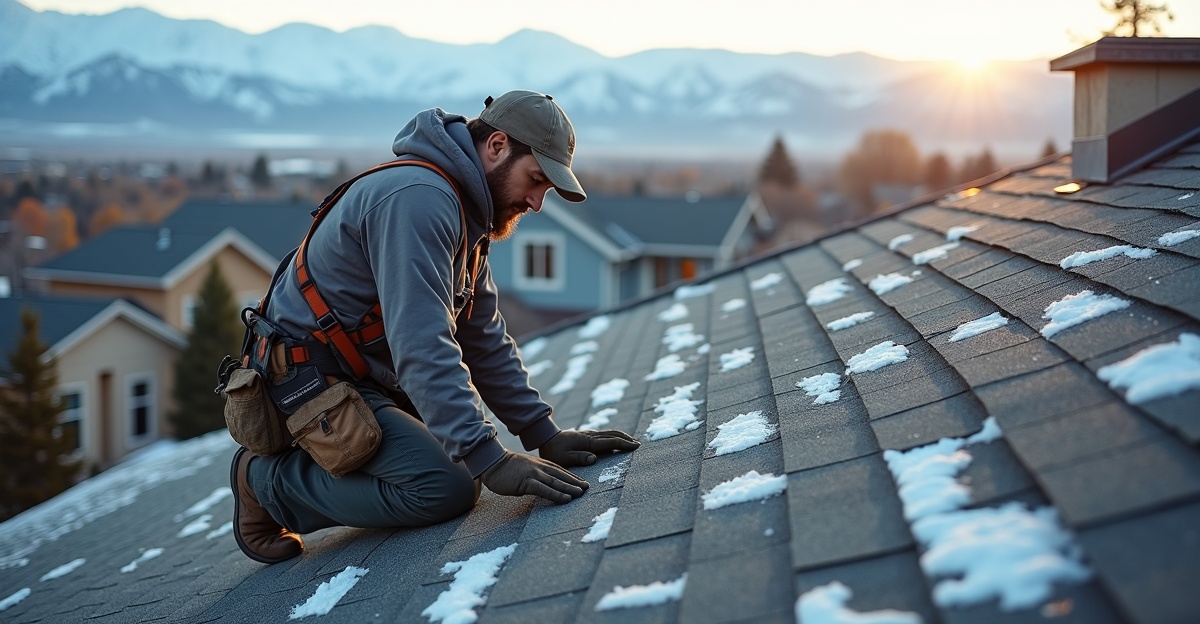
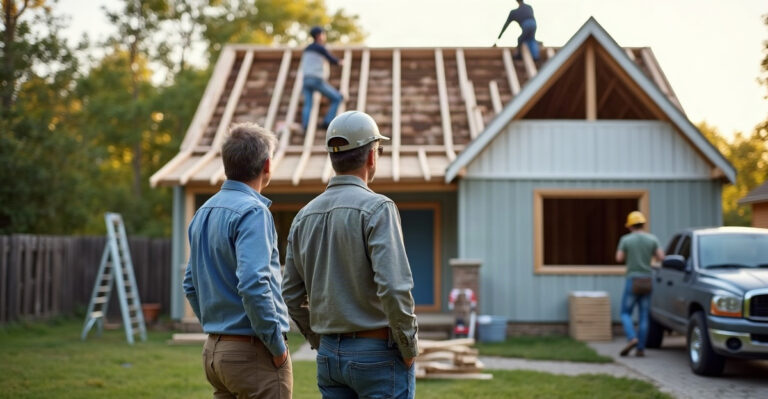
We build roofing systems to handle Idaho’s harsh weather and protect every layer beneath. The main parts of roof construction form a layered protective system that sheds water, carries structural loads, and controls attic airflow in demanding conditions. We look at roof covering, decking, underlayment, flashing, and ventilation as one complete assembly. This system works best when each component supports the others. When we understand how these parts interact, we can spot early warning signs and make smart repair or replacement decisions.
Key Takeaways
- The roof covering acts as the first line of defense against rain, wind, snow, and heat, and we treat visible surface damage as a warning that deeper issues may exist.
- Roof decking delivers structural support, and we watch for soft spots or sagging that signal moisture damage or stress from heavy snow loads.
- Underlayment and flashing form secondary moisture barriers, and we often trace localized leaks back to failures in these critical areas.
- Proper roof ventilation controls attic temperature and moisture levels, and we know this directly affects shingle lifespan and overall roof performance.
- All parts of roof construction operate as an interconnected system, so we fix small problems early to avoid widespread structural damage and higher repair costs.
How a Roofing Structure Works as a Complete Protective System
The parts of roof construction work together as a layered system that protects the entire home. A roof is far more than shingles on top. It’s a coordinated roofing structure built to shed water, support structural loads, and manage airflow year-round.
Every layer depends on the others. When one component fails, surrounding roof components often feel the impact. A small flashing issue can lead to underlayment damage. Long-term moisture can weaken roof decking. Poor ventilation can shorten the life of the roof covering.
In southwestern Idaho, that interconnected system faces real stress. Snow loads add weight. Freeze–thaw cycles force water into small gaps and expand it. High winds test shingle attachment. Summer heat accelerates surface aging and stresses attic airflow.
Understanding the roofing structure helps homeowners interpret inspection findings with confidence. When we explain an issue during a service visit or through our roofing services, it’s tied to the function of specific roof components. Clear knowledge makes it easier to evaluate repair recommendations or consider long-term plans.
Roof Covering: The First Line of Defense Against Weather
The roof covering is the outermost layer that sheds rain, snow, and debris. In southwestern Idaho, that usually means asphalt shingles. They protect the layers below by directing water down the slope and into the gutter system.
Other materials are also used in new roof construction, including metal roofing and specialty systems. Each material interacts differently with heat, wind, and snow. We outline key differences in our metal roof vs asphalt shingles comparison, and we explain regional considerations in our guide to metal roofing pros and cons.
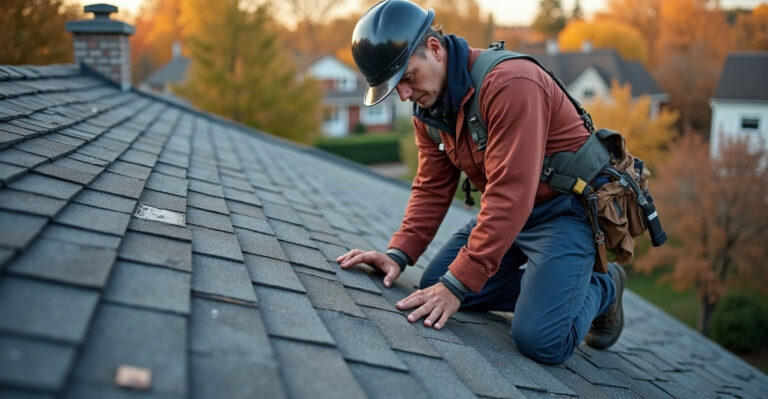
Shingles are visible, so they’re often the first part homeowners notice. Common warning signs include:
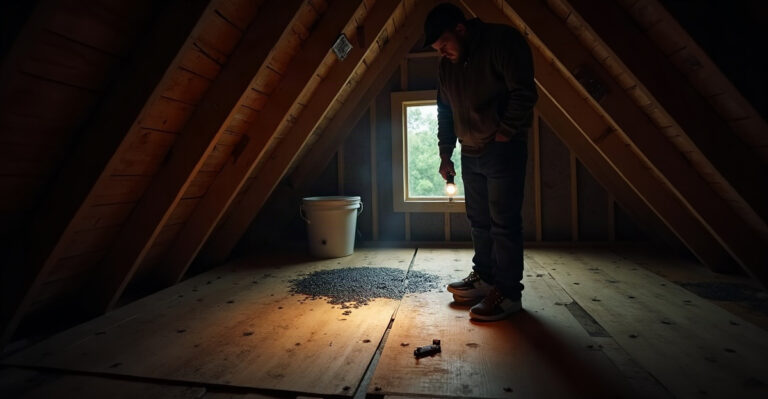
- Granule loss collecting in gutters
- Curling or cracking shingles
- Missing shingles after windstorms
- Hail impact marks or bruising
Boise and surrounding communities regularly experience wind exposure. Summer heat across the Treasure Valley can speed up shingle aging. In higher elevations like McCall and parts of Mountain Home, heavier snow accumulation places additional stress on these roof components.
Isolated surface damage can often be addressed through targeted roof repair. However, widespread cracking, curling, or granule loss often indicates the entire covering is reaching the end of its service life. In those cases, repeated patching rarely solves the underlying issue and a full roof replacement may provide better long-term performance.
Roof Decking and Structural Support Beneath the Surface
Beneath the shingles sits the roof decking, typically made from plywood or oriented strand board (OSB). The roof decking forms the structural base of the system. It supports the shingles and underlayment while transferring weight to the rafters or trusses below.
Snow loads in Idaho make this layer especially important. Decking must carry the weight of snow accumulation and resist sagging under pressure. When moisture intrudes and stays trapped, the decking can weaken over time.
Common signs of roof decking issues include:
- Soft spots felt while walking on the roof
- Visible sagging areas along rooflines
- Interior ceiling stains caused by prolonged moisture intrusion
Water intrusion is often the root cause. A small leak from damaged flashing or worn shingles can soak into the decking. If left unaddressed, that moisture may lead to rot. Our guide to finding a roof leak explains how early detection limits structural damage.
Repair options depend on the extent of the problem. Localized decking damage can often be replaced during a repair. Widespread rot, especially when discovered during a roof tear-off, may expand the scope of a full roof replacement project. We review these conditions clearly so homeowners understand exactly what is structural and what is surface-related.
Roof Underlayment and Flashing: Critical Leak-Prevention Layers
Roof underlayment sits between the shingles and the roof decking. It acts as a secondary barrier against moisture. If wind lifts shingles or driving rain gets past the outer layer, the roof underlayment provides added protection.
In Idaho winters, ice and water shield plays a key role along eaves and in valleys. Ice dams can form when snow melts and refreezes at roof edges. Proper protection in these areas helps prevent water from backing up under shingles.
Roof flashing is another essential component. Flashing consists of thin metal pieces installed in valleys, around chimneys, skylights, vents, and where the roof meets vertical walls. These transition points are natural weak spots in any roofing structure.
Flashing failures are one of the most common causes of localized leaks. Water stains near a chimney often point to flashing gaps. Leaks that appear after snowmelt may relate to compromised underlayment or missing ice protection.
When caught early, flashing problems are often repairable. If moisture has worked under the flashing for a long time, it can damage decking and insulation below. Our overview of common roof problems in Idaho highlights how small detail failures can grow into larger structural concerns.
Roof Ventilation: Managing Moisture, Temperature, and Energy Efficiency
Roof ventilation balances intake and exhaust airflow through the attic space. Soffit vents typically bring fresh air in at the lower edge of the roof. Ridge vents or dedicated roof vents allow warm, moist air to escape near the peak.
Proper roof ventilation regulates attic temperature and moisture levels. That balance affects the performance of nearly every other roof component.
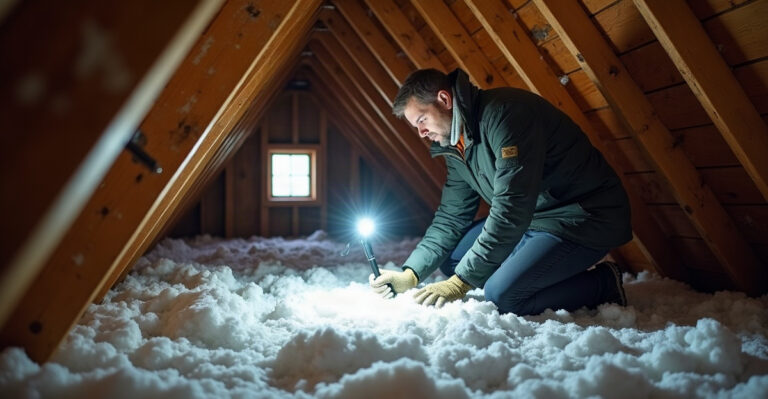
In Idaho winters, warm indoor air can rise and condense in a poorly ventilated attic. That condensation increases the risk of mold and wood deterioration. During summer, trapped heat can build up and shorten the lifespan of shingles. Excess attic heat may also contribute to higher cooling costs.
Ventilation issues often go unnoticed because homeowners can’t see them from the ground. Yet they play a major role in how the roofing structure performs over time. We evaluate airflow patterns as part of a thorough inspection process, and we explain what we find in plain language.
Warning Signs, Repair vs. Replacement, and What Idaho Homeowners Should Know
Interior signs often appear before exterior issues are obvious. Watch for water stains on ceilings or walls, peeling paint near rooflines, or a musty attic odor. These symptoms suggest moisture is moving through the roof components somewhere above.
Exterior warning signs include missing shingles, damaged roof flashing, and sagging rooflines. Any visible depression along the roof surface may indicate underlying roof decking concerns.
All parts of roof construction function as an interconnected system. Damage in one layer can spread to others if left unresolved. A simple flashing repair today can prevent structural repairs later.
In general:
- Isolated flashing or shingle damage is often repairable.
- Multiple active leaks, widespread shingle deterioration, or structural decking issues often justify full replacement.
Performance can vary depending on materials, installation quality, and climate. That’s why we recommend a thorough evaluation before making decisions. Our roof inspection checklist outlines what we look for, and we explain what happens during a roof inspection so homeowners know what to expect.
For families in Boise, Meridian, Eagle, Kuna, Nampa, Caldwell, Middleton, Mountain Home, McCall, and nearby communities, clear communication matters. If there’s uncertainty about the roofing structure, we encourage scheduling a professional evaluation through our contact page. We focus on straightforward explanations, practical recommendations, and respectful service that reflects our commitment to this community.